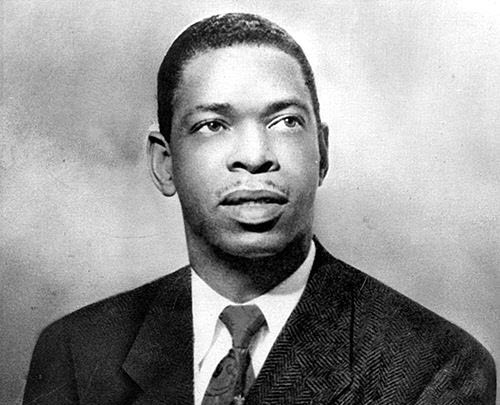
Elmore James, the undisputed “King of the Slide Guitar,” left an indelible mark on the world of blues, influencing countless musicians and shaping the sound of rock and roll as we know it. With his raw, emotional vocals and innovative guitar techniques, James created a body of work that transcends generations. His music is a testament to the power of the blues—raw, gritty, and full of soul.
In this article, we dive deep into the artistry of Elmore James by exploring his ten most beloved and enduring songs. From the fiery slide riffs of “Dust My Broom” to the hauntingly beautiful “The Sky Is Crying,” each track showcases his unparalleled ability to channel heartbreak, passion, and joy into every note. Whether you’re a lifelong fan or a newcomer to his music, this list is a celebration of the blues legend’s timeless contributions.
Join us as we journey through the tracks that defined his career, inspired legends like Eric Clapton and The Rolling Stones, and continue to captivate music lovers worldwide. These songs aren’t just classics—they’re windows into the soul of one of the greatest musicians of all time. Let’s celebrate Elmore James and the blues magic he gifted us!
1. Dust My Broom (1951)
“Dust My Broom” is the track that launched Elmore James into the spotlight, forever etching his name into the history of blues music. Released in 1951, the song introduced the world to James’ groundbreaking slide guitar style, which was influenced by the legendary Robert Johnson. The distinctive sound of James’ guitar riff, paired with his raw, emotional vocals, created a signature style that would go on to influence countless rock and blues artists. The song’s repetitive, haunting slide lick, which seems to weep with the sorrow of the lyrics, draws listeners into a world of betrayal, heartbreak, and desperation. The track’s central theme of a love gone wrong resonates on a deeply human level, making it a timeless classic. “Dust My Broom” is more than just a song—it’s a blueprint for the electric blues, with its innovation setting a new standard for future generations. The unique combination of Elmore James’ wailing slide guitar and his powerful vocal delivery was revolutionary, and it became the foundation for much of the rock and blues music that followed. This track was not only a defining moment in James’ career, but it also played a crucial role in the evolution of blues, serving as a bridge between the traditional acoustic styles and the electrified blues sound that would dominate the following decades. The impact of “Dust My Broom” cannot be overstated. Its legacy is deeply felt today, as it continues to influence guitarists and musicians worldwide. This is the song that solidified Elmore James as one of the greatest blues musicians of all time, and its influence still ripples through the blues world and beyond.
2. The Sky Is Crying (1959)
“The Sky Is Crying,” released in 1959, is a poignant, soul-stirring track that captures the essence of heartbreak with unmatched intensity. Elmore James’ mournful vocals and weeping slide guitar evoke the deepest feelings of sadness, making the listener feel as though they are experiencing the anguish firsthand. The song’s theme of loss is universal, and the simplicity of the lyrics only adds to the emotional impact. James sings about the feeling of helplessness that comes with unrequited love or the loss of someone dear, with lyrics like, “The sky is crying, look at the tears roll down the street,” reflecting a sense of hopelessness and sorrow. His guitar weeps along with the lyrics, as if echoing the tears of the heartbroken singer. The track’s minimalistic approach allows the raw emotion to shine through, leaving a lasting impression on anyone who hears it. Although covered by many artists, including blues legends like Stevie Ray Vaughan, James’ original version remains the most iconic and emotionally potent. The combination of his heartache-filled vocals and his powerful slide guitar work creates an unforgettable listening experience, one that resonates deeply with anyone who has ever faced the pain of love lost. “The Sky Is Crying” is often regarded as one of the greatest blues songs ever recorded, thanks to its simplicity, emotional depth, and Elmore James’ unmatched ability to convey sorrow through his music. The track continues to inspire blues musicians and fans, serving as a timeless example of the raw power of the genre.
3. Shake Your Moneymaker (1961)
“Shake Your Moneymaker,” released in 1961, is an upbeat and high-energy blues boogie that highlights Elmore James’ ability to get the crowd moving. The track’s infectious rhythm and lively tempo make it impossible to resist, and its catchy hook has made it a favorite on dancefloors for decades. James’ fiery slide guitar playing propels the track, adding a dynamic edge that complements the song’s upbeat vibe. The lyrics are playful and fun, encouraging the listener to “shake your moneymaker” and enjoy the moment. The groove is irresistible, with a driving rhythm section that fuels the song’s celebratory energy. The performance is full of swagger, and James’ guitar playing shines with energy and vitality, making it clear that he knew how to deliver a show-stopping track. What stands out in “Shake Your Moneymaker” is its ability to blend the blues with a sense of fun and freedom. It’s a perfect example of Elmore James’ versatility as an artist, showing that he could create music that not only conveyed deep emotion but also made people want to dance. The song’s upbeat tone contrasts with some of James’ more melancholic tracks, proving his range and ability to evoke different emotions. Over time, “Shake Your Moneymaker” has become a blues standard and remains a highlight of James’ catalog. It’s a testament to his talent as a musician and his ability to create songs that connect with audiences, whether they’re looking for heartache or a reason to celebrate. This track continues to resonate with blues enthusiasts, who appreciate its groove, energy, and timeless appeal.
4. It Hurts Me Too (1957)
Released in 1957, “It Hurts Me Too” is a beautifully melancholic blues ballad that reveals a softer side of Elmore James. Unlike the fiery intensity of some of his other tracks, this song showcases James’ emotional depth as he sings about the pain of unrequited love. The simplicity of the lyrics—“It hurts me too”— reflects the universal truth of the heartache that comes when love is not returned. James’ soulful voice and delicate slide guitar work evoke a feeling of vulnerability, making the track a standout in his catalog. The song’s tenderness doesn’t mean it lacks power, however; there is an undeniable emotional weight in every note. James’ slide guitar weaves in and out of the song, adding a layer of sorrow that perfectly complements the lyrics. His phrasing is subtle yet expressive, and every bend of the string seems to mirror the ache of his words. This song has become one of the most covered blues standards, with countless artists putting their own spin on it. Yet, despite the many versions that followed, none have captured the raw emotion of James’ original. “It Hurts Me Too” is the epitome of the blues genre—an honest, heartfelt expression of emotional pain. The track’s beauty lies in its simplicity, with minimalistic instrumentation allowing the emotional content of the song to take center stage. It’s a timeless example of how music can convey deep, universal feelings, and it continues to resonate with anyone who has ever loved and lost. Elmore James’ version of this classic ballad remains definitive, as it speaks directly to the heart.
5. Standing at the Crossroads (1954)
Released in 1954, “Standing at the Crossroads” is a powerful blues anthem that draws heavily on the mythology of the crossroads—a symbolic location where crucial life-changing decisions are made. Elmore James taps into the spiritual and existential weight of this crossroads legend, using it as a backdrop to explore themes of fate, destiny, and self-reflection. His impassioned vocals and commanding slide guitar playing convey the internal struggle of a man at a pivotal moment in his life. James’ voice is filled with emotion as he sings about wrestling with his own future, unsure of what path to take but knowing that his choice will be significant. The imagery in the lyrics is vivid, with James creating a sense of tension and uncertainty that mirrors the feeling of being at a literal crossroads. The song’s driving rhythm, propelled by an energetic drum beat and James’ signature guitar riff, gives the track a sense of urgency, as if the decision must be made right then and there. “Standing at the Crossroads” remains one of James’ most iconic tracks, and its powerful imagery and compelling performance continue to captivate listeners. The crossroads theme has long been a part of blues lore, and James’ rendition of the story is a poignant reminder of the genre’s deep roots in personal struggle and spiritual questioning. This track stands out not only for its storytelling but also for the way it showcases James’ talent for blending mythological elements with the raw emotion of the blues. It’s a testament to his ability to craft songs that are both deeply personal and universally relatable.
6. Rollin’ and Tumblin’ (1959)
Elmore James’ 1959 version of “Rollin’ and Tumblin’” is a masterful take on one of the most well-known blues standards, breathing new life into the classic track with his electrifying slide guitar and powerful vocals. While the song had been recorded before by artists like Muddy Waters, it was James who truly made it his own, injecting it with his signature intensity. His performance on this track is fiery and relentless, with his slide guitar wailing as if it’s echoing the turmoil and chaos expressed in the song’s lyrics. “Rollin’ and Tumblin'” speaks to the feeling of being swept away by forces beyond one’s control—whether it’s love, heartbreak, or fate—and Elmore James conveys this emotional current with an almost palpable urgency. The rhythm section drives the track forward, a pulsating heartbeat that matches the intensity of the guitar and vocals. The guitar riff, which roars like a freight train, is at the heart of the song’s energy, and James’ mastery of the slide technique brings a level of excitement that few others could replicate. His voice is rough and raw, matching the intensity of the music, and every note he sings seems to carry the weight of the world on his shoulders. This song is not just a performance; it’s a release, an emotional outpouring. James’ version of “Rollin’ and Tumblin'” became the blueprint for future interpretations of the song, influencing blues, rock, and even psychedelic music. The raw energy of this track continues to captivate listeners, and it remains one of James’ most enduring recordings, a true testament to his brilliance as a performer and musician.
7. I Can’t Hold Out (1960)
“I Can’t Hold Out,” released in 1960, is a blues classic that mixes heartache with a sense of urgency, making it a standout track in Elmore James’ catalog. The song is an emotional plea, with James confessing his inability to keep his emotions in check—“I can’t hold out,” he sings, as his desperation and longing pour through each note. The narrative centers on the pain of unrequited love, a feeling so intense that it can’t be contained, and James conveys this vulnerability with an honesty that feels almost palpable. His slide guitar adds to the feeling of tension, bending the notes in a way that mimics the emotional rollercoaster of longing and yearning. The track’s rhythm is infectious, a driving beat that echoes the restlessness that comes with unfulfilled desires. James’ vocals, though mournful, carry an undeniable sense of urgency as he pleads for understanding and for his love to be returned. His guitar work is equally urgent, with his signature slide riffs cutting through the air like a cry for help. The blues is at its most powerful when it taps into the deepest emotions, and James does just that on this track. “I Can’t Hold Out” perfectly balances a sense of vulnerability with a rhythmic groove that keeps the song moving forward, creating a compelling dynamic between the emotional depth of the lyrics and the infectious energy of the music. This is a prime example of Elmore James’ ability to fuse pain with passion, making his blues both emotionally resonant and impossible to resist.
8. Look on Yonder Wall (1961)
Released in 1961, “Look on Yonder Wall” is one of Elmore James’ most fun and upbeat songs, showing a playful side that contrasts with much of his other work. The song’s lively rhythm and cheerful melody are infectious, making it one of James’ more lighthearted tracks. The lyrics, though simple, tell the story of a man trying to come to terms with his emotions while dealing with the aftermath of a broken relationship. While there’s certainly an element of sadness in the song, it’s delivered with a sense of humor and levity that makes it an enjoyable listen. James’ playful vocal delivery and energetic guitar playing create an atmosphere of carefree abandon. His slide guitar work is as lively as ever, adding a bounce to the track that perfectly matches the song’s rhythm. The upbeat tempo and infectious groove make it a perfect song for dancing, showcasing James’ ability to get audiences moving while still conveying the deep emotional content that defines the blues. In this track, James finds a balance between fun and feeling, which is not always easy to do in the blues genre. “Look on Yonder Wall” reminds listeners that, while the blues can be about heartache and sorrow, it can also be about resilience and joy in the face of adversity. The playful energy of the song makes it a standout in James’ discography and a reminder of his versatility as an artist. Even in moments of sadness, Elmore James could still create music that made people smile and move, and “Look on Yonder Wall” is a testament to that.
9. Bleeding Heart (1965)
“Bleeding Heart,” released posthumously in 1965, is one of Elmore James’ most hauntingly beautiful tracks, and it’s an emotional tour de force that displays the raw depth of his musical talent. This song is one of the last recordings James made before his death, and it serves as a powerful testament to his legacy. The title alone—“Bleeding Heart”—suggests the agony and heartache that pervades the song, and James’ slide guitar bends and moans with a pain that matches the lyrics. His voice, rough yet soulful, is perfectly suited to the melancholy tone of the song, and every note feels like an outpouring of sorrow. The song’s minimalistic arrangement allows the emotional weight of the performance to take center stage, with James’ guitar weaving through the song like a thread of anguish. The track’s intensity is amplified by the rawness of the vocals and the slow, deliberate pace, creating a sense of yearning that lingers long after the song ends. “Bleeding Heart” has been praised for its emotional depth, and it remains a beloved classic among blues fans. The song’s enduring appeal lies in its ability to evoke such powerful emotions with such simplicity. Elmore James’ ability to express sorrow and pain through his music is unmatched, and “Bleeding Heart” is a perfect example of his ability to translate personal heartache into something universal. It’s one of the most poignant blues songs ever recorded, and its impact continues to resonate with listeners around the world.
10. Madison Blues (1960)
“Madison Blues,” released in 1960, is an electrifying blues track that captures the energy and excitement of a lively juke joint. The song’s infectious rhythm and driving beat make it impossible to sit still, and its catchy slide guitar riff instantly grabs the listener’s attention. Elmore James’ performance on this track is full of swagger and confidence, and his guitar playing is as fiery and passionate as ever. The lyrics, while simple, speak to the joy and vitality that comes with the blues, celebrating life’s highs and lows with an infectious spirit. “Madison Blues” is a celebration of everything the blues represents—love, loss, and resilience—and James brings a sense of vitality to the track that makes it an instant favorite. The rhythm section is tight, with a driving pulse that pushes the song forward, while James’ slide guitar adds a layer of excitement and intensity. His vocal delivery is confident and commanding, and there’s a sense of joy that permeates the entire performance. “Madison Blues” is a track that truly showcases James’ ability to craft songs that are both emotionally powerful and irresistibly groovy. It remains a fan favorite to this day, and its upbeat energy has made it a staple in the blues repertoire. This song is an energetic, joyful celebration of the blues, and it stands as a testament to Elmore James’ enduring legacy as one of the genre’s most influential and electrifying artists.

Edward Tomlin is a frequent contributor to Singers Room. Since 2005, Singersroom has been the voice of R&B around the world. Connect with us via social media below.









