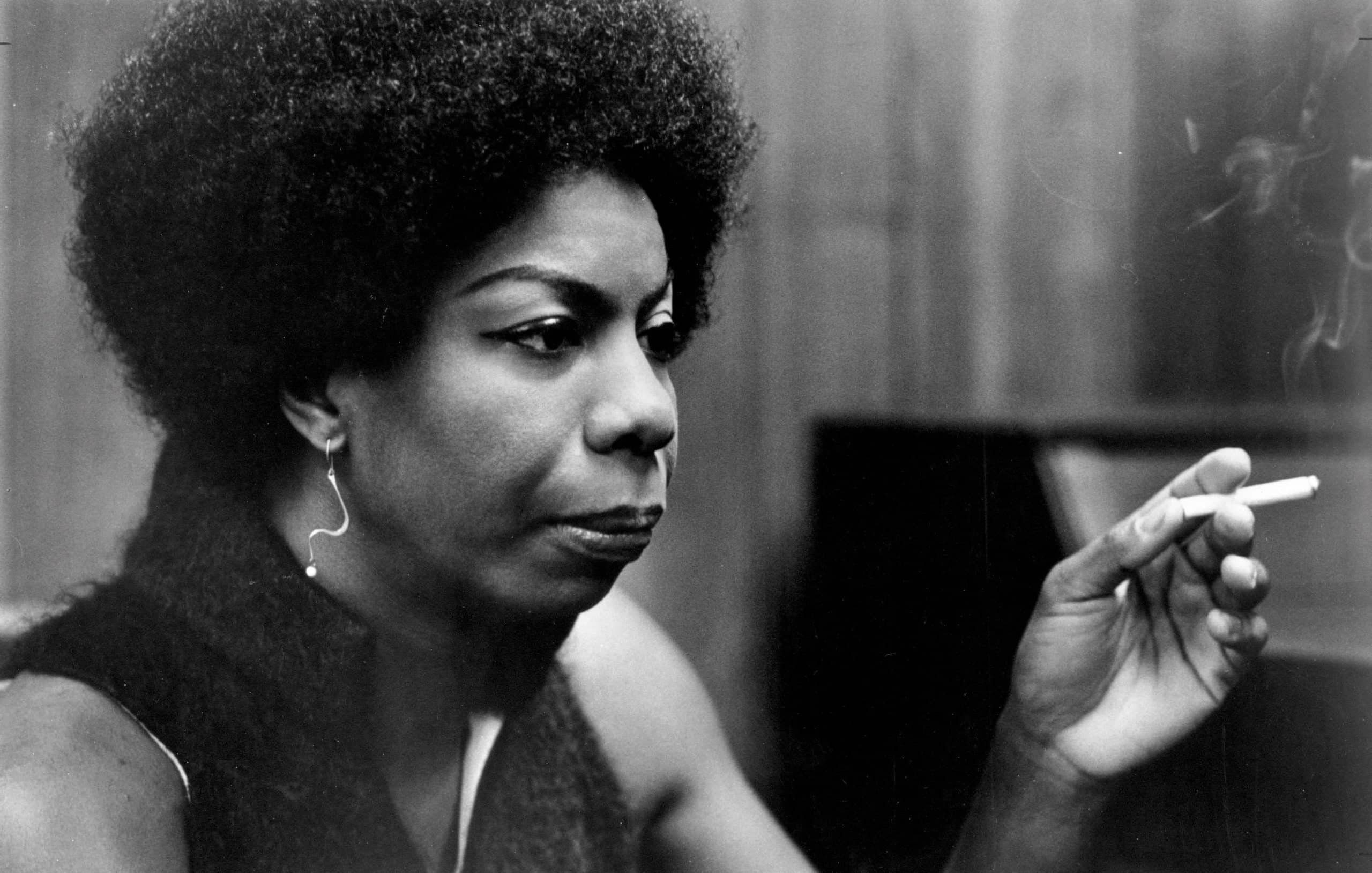
Nina Simone, the High Priestess of Soul, is a name synonymous with musical brilliance, emotional depth, and fierce activism. Her voice, a mesmerizing blend of raw power and tender vulnerability, has transcended generations, making her one of the most iconic artists in music history. From soulful ballads to electrifying anthems of resistance, Simone’s repertoire spans a wide array of styles, effortlessly blending jazz, blues, classical, and gospel influences.
In this article, we embark on a journey through her remarkable discography to celebrate the top 10 most popular Nina Simone songs of all time. These are the tracks that have left an indelible mark on listeners, shaping the soundtrack of social change and personal reflection. Whether you’re a long-time fan or a newcomer to her music, this list will remind you why Simone remains a timeless legend.
Prepare to be transported by the hauntingly beautiful melodies, unapologetic lyrics, and bold spirit that define her artistry. From empowering civil rights anthems to heart-wrenching tales of love and loss, these songs are more than music—they’re a testament to Nina Simone’s unparalleled genius. Let’s dive in and rediscover the magic of her most unforgettable creations!
1. Feeling Good (1965)
Nina Simone’s rendition of “Feeling Good” is one of the most powerful moments in her extensive catalog. Originally written for the musical The Roar of the Greasepaint – The Smell of the Crowd, Simone’s 1965 version on her album I Put a Spell on You turned the song into an anthem of liberation, empowerment, and renewal. From the first note, Simone’s voice takes center stage, commanding the listener’s attention with its deep, sultry tone and its unshakable sense of freedom. The song itself speaks of shedding past burdens, embracing a new beginning, and feeling alive in the moment. Simone’s delivery elevates the song, infusing it with a bold sense of joy and self-assurance, allowing every word to resonate with a feeling of emotional release.
As the song builds, her voice soars to new heights, matching the powerful orchestration behind her. Her expressive vocal phrasing conveys a sense of deep satisfaction and relief, making the experience of listening to the song feel almost cathartic. The arrangement complements her voice perfectly—swelling with brass and rhythm, pushing the momentum forward, and enhancing the message of empowerment. Simone’s “Feeling Good” is more than just a feel-good anthem; it’s an affirmation of resilience and strength, a celebration of personal freedom that still feels fresh, relevant, and deeply moving decades after its release. This song has transcended its time, appearing in films, advertisements, and television shows, cementing its place as a timeless classic.
2. I Put a Spell on You (1965)
Nina Simone’s “I Put a Spell on You” is one of the most unforgettable and emotionally intense songs in her catalog. Originally written and recorded by Screamin’ Jay Hawkins, Simone’s 1965 version transforms the song into an impassioned declaration of love, obsession, and yearning. With every note, Simone’s voice drips with intensity, her delivery raw and full of emotion. The track was included in her album I Put a Spell on You, and it became a defining moment of her career, showcasing her ability to turn a simple love song into a haunting and gripping narrative.
From the very first line, “I put a spell on you / Because you’re mine,” Simone takes ownership of the narrative, channeling an overwhelming passion and desire. Her voice, simultaneously seductive and commanding, creates an intimate atmosphere that captures the depth of the emotion behind the words. The arrangement itself is slow and deliberate, with a jazz-infused rhythm section that allows her voice to be the focal point of the song. The instrumental support, while simple, underscores the haunting quality of Simone’s vocal performance, allowing her to evoke both a sense of longing and a possessive desire.
“I Put a Spell on You” is not just a song about love; it’s about a kind of obsessive devotion that transcends the ordinary. Simone’s interpretation of the song has become the definitive version, and its impact on the listener is profound. The raw vulnerability in her voice, combined with the heavy, dramatic orchestration, makes the song one of Nina Simone’s most iconic and enduring performances.
3. Sinnerman (1965)
“Sinnerman” is a 10-minute journey into the soul, one of Nina Simone’s most intense and stirring tracks. Released in 1965 as part of her album Pastel Blues, the song is a powerhouse of emotion and rhythm, combining spiritual themes with a relentless musical drive. It’s a spiritual reckoning, where Simone’s narrator seeks redemption for their sins, but with each passing verse, it becomes clear that absolution is not easily attained. The song begins with an insistent, repeating piano riff that sets the tone for the entire piece—urgent, relentless, and driving forward. Simone’s impassioned voice, full of anguish and desperation, pulls the listener in, creating an atmosphere that is both tense and cathartic.
The lyrics, which explore themes of guilt and the quest for forgiveness, are presented with such intensity that they feel like a confession. As Simone sings, “Oh, sinnerman, where you gonna run to?”, it becomes clear that the search for redemption is one that is both personal and universal. The song’s unyielding energy mirrors the inner turmoil of the sinner, struggling against their past actions. Simone’s voice moves between moments of quiet contemplation and outbursts of furious emotion, heightening the drama of the song’s progression.
Musically, “Sinnerman” is one of Simone’s most dynamic tracks. The percussion, bass, and piano work together in a relentless, hypnotic rhythm that drives the song forward, never allowing the listener to rest. Simone’s mastery over her voice, her ability to switch between delicate vulnerability and powerful intensity, creates a compelling emotional journey. “Sinnerman” is one of the most iconic songs in Nina Simone’s catalog, often appearing in films and television as a symbol of inner conflict, redemption, and the pursuit of justice.
4. My Baby Just Cares for Me (1958)
“My Baby Just Cares for Me” is one of Nina Simone’s most charming and beloved songs, a joyful celebration of love and devotion. Originally released in 1958 on her debut album Little Girl Blue, the song is a perfect showcase of Simone’s versatility as an artist. With a lighthearted, jazz-infused melody and playful piano accompaniment, the track exudes warmth and happiness, setting it apart from some of her more intense and soulful works.
Simone’s voice, soft and velvety, is at the heart of the song, delivering the lyrics with such sweetness and sincerity that it feels like a personal love letter. The song’s lyrics express the simple yet profound pleasure of knowing that someone loves you unconditionally. In “My Baby Just Cares for Me,” Simone paints a picture of a love that is pure and uncomplicated, where the object of affection cares for the singer without any pretense or complexity. The catchy, upbeat piano melody reflects the joy that comes from this kind of simple, honest love.
The track gained renewed popularity in 1987 after being featured in a perfume commercial, which helped introduce it to a new generation of fans. Even years later, the song remains one of Simone’s most recognizable and enduring tracks. Its charm lies in its simplicity—there’s no need for elaborate vocal runs or complex arrangements. The beauty of “My Baby Just Cares for Me” is in its directness and its sincerity, making it a timeless classic in Nina Simone’s incredible catalog.
5. Don’t Let Me Be Misunderstood (1964)
Nina Simone’s rendition of “Don’t Let Me Be Misunderstood” is a poignant exploration of vulnerability and emotional honesty. Released in 1964, the song quickly became a signature track for Simone, showcasing her ability to convey deep emotion with both subtlety and power. Written by Bennie Benjamin, Gloria Caldwell, and Sol Marcus, the song explores the frustration of feeling misunderstood by others, especially in the context of a relationship.
Simone’s voice, with its raw and commanding quality, takes the listener through the various emotions the lyrics express—heartbreak, regret, and the desire to be understood. Her vocal delivery perfectly captures the aching feeling of being judged unfairly, as she sings, “Don’t let me be misunderstood / I’m just a soul whose intentions are good.” The song becomes an anthem of self-defense, as Simone pleads for understanding in a world that often misinterprets her actions and feelings.
The arrangement of the song is dynamic, shifting between quiet, introspective moments and powerful outbursts, mirroring the emotional journey of the narrator. The rich orchestration, with its lush strings and rhythmic piano, creates an atmosphere of both tension and hope, underscoring Simone’s impassioned delivery. The song’s simple, yet profound message resonates deeply with anyone who has ever felt judged or misunderstood, making it one of Simone’s most universally relatable songs.
In many ways, “Don’t Let Me Be Misunderstood” is a cry for empathy and compassion, a theme that resonated deeply with listeners in 1964 and continues to do so today. Simone’s rendition remains the definitive version, a timeless expression of vulnerability and emotional honesty.
6. To Be Young, Gifted and Black (1969)
“To Be Young, Gifted and Black” is a stirring and empowering anthem that Nina Simone wrote as a tribute to the life and legacy of playwright Lorraine Hansberry. Released in 1969, during the height of the Civil Rights Movement, the song became a powerful declaration of pride, resilience, and celebration of Black identity. Simone’s performance of this track is both passionate and uplifting, filled with a sense of hope that resonated deeply with audiences. The song’s theme focuses on the idea of embracing youth and Blackness as sources of power and beauty, an essential message during a time when African Americans were fighting for equality and recognition.
Simone’s voice is at its most inspiring here—bold and full of conviction as she declares, “To be young, gifted, and black / Oh, what a lovely precious dream.” The lyrics exude positivity and self-empowerment, challenging societal limitations and uplifting those who may have felt marginalized. The song became a rallying cry for young Black individuals who found strength in their heritage and identity, and Simone’s delivery—infused with a sense of both reverence and defiance—turned the track into a timeless anthem of hope.
Musically, the song combines rich orchestration with a jazzy, soulful rhythm, perfectly complementing Simone’s powerful vocal performance. The arrangement is lush yet restrained, allowing her voice to shine through with incredible clarity. As the song builds, it becomes a crescendo of optimism and strength, embodying the essence of Black pride. “To Be Young, Gifted and Black” has continued to inspire generations, becoming one of Nina Simone’s most significant contributions to the civil rights movement and her lasting legacy in music and activism.
7. Ain’t Got No, I Got Life (1968)
“Ain’t Got No, I Got Life” is an exhilarating and unapologetically defiant anthem from the musical Hair, reimagined by Nina Simone in 1968. The medley blends the themes of struggle and resilience, contrasting the loss of material possessions with the affirmation of personal strength and life itself. Simone’s performance is a powerful statement of individuality and self-worth, driven by an infectious energy that can’t be ignored. The song is a reflection of both personal and societal struggles, yet Simone’s delivery turns what could be a lament into a bold declaration of inner strength and perseverance.
In the song, Simone sings, “Ain’t got no… but I got life,” and in doing so, she emphasizes the value of life itself, regardless of material wealth or external circumstances. Her voice, full of grit and determination, rings with conviction, conveying a message that life—no matter how difficult or uncertain—is worth living. The upbeat, funky groove underscores the empowering lyrics, giving the song a sense of momentum that encourages the listener to rise above hardship.
The arrangement of the song features a rhythmic bassline, energetic percussion, and Simone’s signature piano playing, creating a vibrant and electrifying atmosphere. As the song progresses, Simone’s vocal performance intensifies, adding layers of emotion that reflect both the joy and sorrow of the lyrics. “Ain’t Got No, I Got Life” is one of Simone’s most iconic and widely recognized performances, a celebration of human resilience that continues to resonate with listeners across the world.
8. Mississippi Goddam (1964)
“Mississippi Goddam” is a powerful and unflinching protest song written by Nina Simone in response to the murder of civil rights activist Medgar Evers and the 16th Street Baptist Church bombing in Birmingham, Alabama. Released in 1964, the song is a bold and unapologetic call for justice, encapsulating the anger and frustration of the time. Simone’s delivery is fierce, her voice brimming with both pain and outrage as she demands change. The song’s defiant tone makes it clear that Simone was not willing to sit quietly in the face of racial violence and inequality.
The lyrics, direct and unfiltered, express the urgency of the moment: “Alabama’s got me so upset / Tennessee made me lose my rest / And everybody knows about Mississippi Goddam.” The song is a stark condemnation of the systemic racism and violence that Black Americans were subjected to, and Simone’s raw emotion captures the intensity of the pain and grief experienced by the Black community. Her delivery is impassioned and confrontational, creating a sense of urgency that demands attention.
Musically, “Mississippi Goddam” is energetic and fast-paced, with a driving rhythm and a jazz-infused piano arrangement that creates a sense of tension and release. The song’s bold, political message was groundbreaking for its time, and it solidified Simone’s role as both a musical genius and an outspoken activist. “Mississippi Goddam” became an anthem of resistance, one of Nina Simone’s most important and influential songs, reflecting her unwavering commitment to social justice and equality.
9. I Loves You, Porgy (1958)
“I Loves You, Porgy” is one of Nina Simone’s most tender and emotional performances, showcasing her ability to convey profound vulnerability through song. Originally composed by George Gershwin for the opera Porgy and Bess, Simone’s 1958 interpretation became one of her earliest hits, solidifying her place as a rising star in the jazz world. The song is a heart-wrenching expression of love and longing, with Simone’s delicate piano playing and soft, intimate vocals bringing the lyrics to life in a way that is both haunting and beautiful.
The lyrics of the song tell the story of a woman’s devotion to her lover, Porgy, and her desire to stay by his side despite the hardships they face. Simone’s voice captures the tenderness and vulnerability of the character, as she sings, “I loves you, Porgy / Don’t let him take me.” The emotion in her voice is palpable, and the simplicity of the arrangement allows the depth of feeling in the performance to shine through. Simone’s interpretation is deeply personal, and it feels as though she is speaking directly to the listener, sharing the raw emotions of the character’s heart.
The stripped-down arrangement of “I Loves You, Porgy” highlights Simone’s remarkable ability to convey emotion with minimal instrumentation. Her voice, soft and full of longing, is the focal point of the track, and her delicate piano playing adds a layer of intimacy to the performance. This song remains one of Nina Simone’s most beloved and enduring tracks, a testament to her ability to connect with listeners on an emotional level through her powerful voice and masterful musicianship.
10. Four Women (1966)
Released in 1966 on her album Wild Is the Wind, “Four Women” is one of Nina Simone’s most daring and thought-provoking songs. In this track, Simone paints a portrait of four different Black women, each representing different aspects of Black womanhood and the struggles they face. The song is a powerful exploration of race, identity, and resilience, using evocative storytelling to shed light on the complexities of being a Black woman in America.
Each verse of the song introduces a new character, with Simone’s vocals shifting to reflect the unique experiences and challenges of each woman. From the hardened, defiant tone of the first character to the vulnerability and pain of the second, Simone’s vocal performance is a masterclass in character-driven storytelling. The song’s arrangement is sparse, with minimal instrumentation that allows Simone’s voice to take center stage, drawing the listener into the emotional depth of each character’s narrative.
Through “Four Women”, Simone captures the essence of Black womanhood, exploring themes of discrimination, strength, and survival. The song’s raw, unapologetic honesty makes it one of Simone’s most powerful and enduring works. Her ability to evoke empathy and understanding through her voice and storytelling remains unmatched, and “Four Women” continues to be celebrated as a bold and groundbreaking exploration of race and identity. It is a masterpiece of musical expression, showcasing Simone’s incredible talent as both a singer and a storyteller.

Edward Tomlin is a frequent contributor to Singers Room. Since 2005, Singersroom has been the voice of R&B around the world. Connect with us via social media below.









