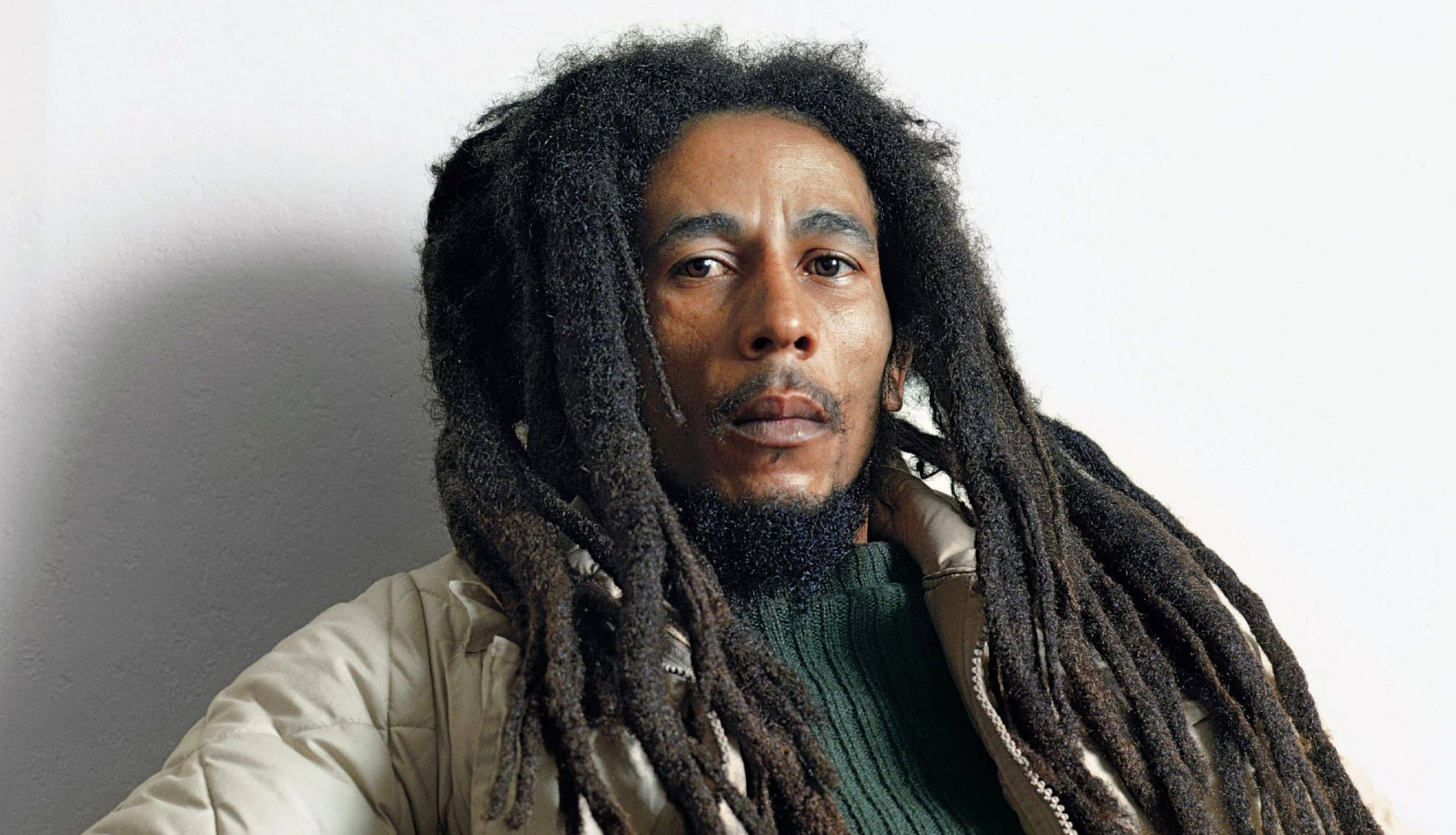
Few artists have left a legacy as powerful as Bob Marley. More than just a musician, he was a revolutionary voice for peace, love, and social change. His songs transcended borders, uniting people with messages of unity, resistance, and hope. With his signature reggae rhythms and soul-stirring lyrics, Marley transformed music forever, making reggae a global force that still resonates today.
From anthems of freedom like “Redemption Song” to feel-good classics like “Three Little Birds,” Marley’s music remains as relevant and inspiring as ever. Whether you’re a lifelong fan or just discovering his genius, these songs capture the very essence of his artistry. His ability to blend deep political messages with infectious melodies made him one of the most influential artists of all time.
In this list, we count down the top 10 most popular Bob Marley songs, celebrating the tracks that have defined generations. These are the songs that continue to fill the airwaves, inspire movements, and keep Marley’s spirit alive. So, turn up the volume, feel the rhythm, and let’s dive into the greatest hits of the reggae legend himself! One love, one heart—let’s get together and feel all right. 🎶🔥
1. “No Woman, No Cry” (1974)
One of Bob Marley’s most moving and heartfelt songs, No Woman, No Cry is a powerful anthem of resilience, hope, and comfort. Originally released on his 1974 album Natty Dread, the song paints a vivid picture of life in Trenchtown, the impoverished neighborhood in Kingston, Jamaica, where Marley grew up. Through its soothing melody and deeply emotional lyrics, the song reassures a struggling woman that better days are ahead. While the original studio recording is touching, it was the 1975 live version from Live!—recorded at London’s Lyceum Theatre—that truly immortalized the song. With its warm organ melodies and Marley’s raw, soulful delivery, it became one of reggae’s most cherished classics.
2. “One Love / People Get Ready” (1977)
A timeless anthem of peace and unity, One Love is perhaps Bob Marley’s most recognizable song. Originally recorded with The Wailers in 1965, the version that gained worldwide fame was released on Exodus in 1977. Infused with spiritual and political messages, the song incorporates elements from Curtis Mayfield’s People Get Ready, blending themes of love, hope, and togetherness. With its upbeat rhythm, infectious harmonies, and universally uplifting lyrics, One Love became an international symbol of social change and a rallying cry for world peace.
3. “Redemption Song” (1980)
Stripping away his signature reggae sound, Redemption Song is a deeply introspective acoustic ballad that stands as one of Marley’s most profound works. Released on Uprising in 1980, the song was written while Marley was battling cancer, giving its lyrics even greater weight. Inspired by a speech from activist Marcus Garvey, the song speaks of liberation from mental and physical oppression, urging listeners to “emancipate yourselves from mental slavery.” Its raw simplicity and poignant message resonate far beyond reggae, making it one of the most powerful protest songs in history.
4. “Three Little Birds” (1977)
Few songs radiate positivity quite like Three Little Birds. Featured on Exodus (1977), its cheerful melody and reassuring lyrics—”Don’t worry about a thing, ’cause every little thing is gonna be alright”—have comforted listeners for generations. Some believe the title refers to three actual birds Marley saw outside his window, while others speculate it represents his backup singers, The I Threes. Regardless of its inspiration, the song’s message of optimism and its lighthearted reggae groove continue to bring joy worldwide.
5. “Buffalo Soldier” (1983)
Released posthumously on Confrontation (1983), Buffalo Soldier tells the historical story of African American soldiers forced to serve in the U.S. Cavalry after the Civil War. Through Marley’s lyrics, the song highlights themes of oppression, survival, and resilience, making it both a history lesson and an anthem of empowerment. The song’s catchy chorus—”Woy yoy yoy”—and steady reggae beat make it one of Marley’s most recognizable tunes, resonating deeply with themes of black identity and resistance.
6. “Could You Be Loved” (1980)
A perfect fusion of reggae and disco, Could You Be Loved stands out as one of Marley’s most danceable tracks. Released on Uprising (1980), the song carries an uplifting message about staying true to oneself in the face of societal pressures. Its pulsing beat, infectious guitar riffs, and smooth harmonies gave it crossover appeal, making it a global hit. With its universal lyrics and irresistible groove, the song remains a favorite on dance floors and reggae playlists worldwide.
7. “Is This Love” (1978)
Featured on Kaya (1978), Is This Love is one of Marley’s most romantic songs. The smooth, mellow reggae rhythm pairs beautifully with heartfelt lyrics describing deep, unconditional love. Marley’s warm, soulful vocals make it feel like an intimate confession, while the song’s dreamy melody remains instantly recognizable. Its laid-back yet passionate vibe has made it a beloved favorite for couples and reggae lovers alike.
8. “Jamming” (1977)
A joyous celebration of music and togetherness, Jamming is one of Bob Marley’s most energetic tracks. Released on Exodus (1977), the song’s lively groove and carefree lyrics make it an anthem for good times. The catchy chorus—”We’re jamming, I hope you like jamming too”—embodies the essence of reggae and its power to bring people together. A staple of Marley’s live performances, the song remains a feel-good classic that continues to electrify audiences worldwide.
9. “Stir It Up” (1973)
Originally written by Marley in 1967 and recorded by Johnny Nash, Stir It Up became a global hit when The Wailers released their own version on Catch a Fire (1973). A sensual, romantic tune, the song’s smooth lyrics and relaxed rhythm create an irresistible groove. With Marley’s velvety vocals and The Wailers’ laid-back instrumentation, Stir It Up is one of reggae’s most enchanting love songs, evoking warmth and intimacy.
10. “I Shot the Sheriff” (1973)
One of Marley’s most famous songs, I Shot the Sheriff tells the gripping story of a man accused of murder. First appearing on Burnin’ (1973), the song’s lyrics reveal a man admitting to shooting a corrupt sheriff but denying the killing of a deputy. The track’s themes of injustice and resistance struck a chord with listeners. While Marley’s version was already a reggae hit, Eric Clapton’s 1974 cover introduced it to rock audiences, further cementing its legendary status.

Samuel Moore is a frequent contributor to Singers Room. Since 2005, Singersroom has been the voice of R&B around the world. Connect with us via social media below.