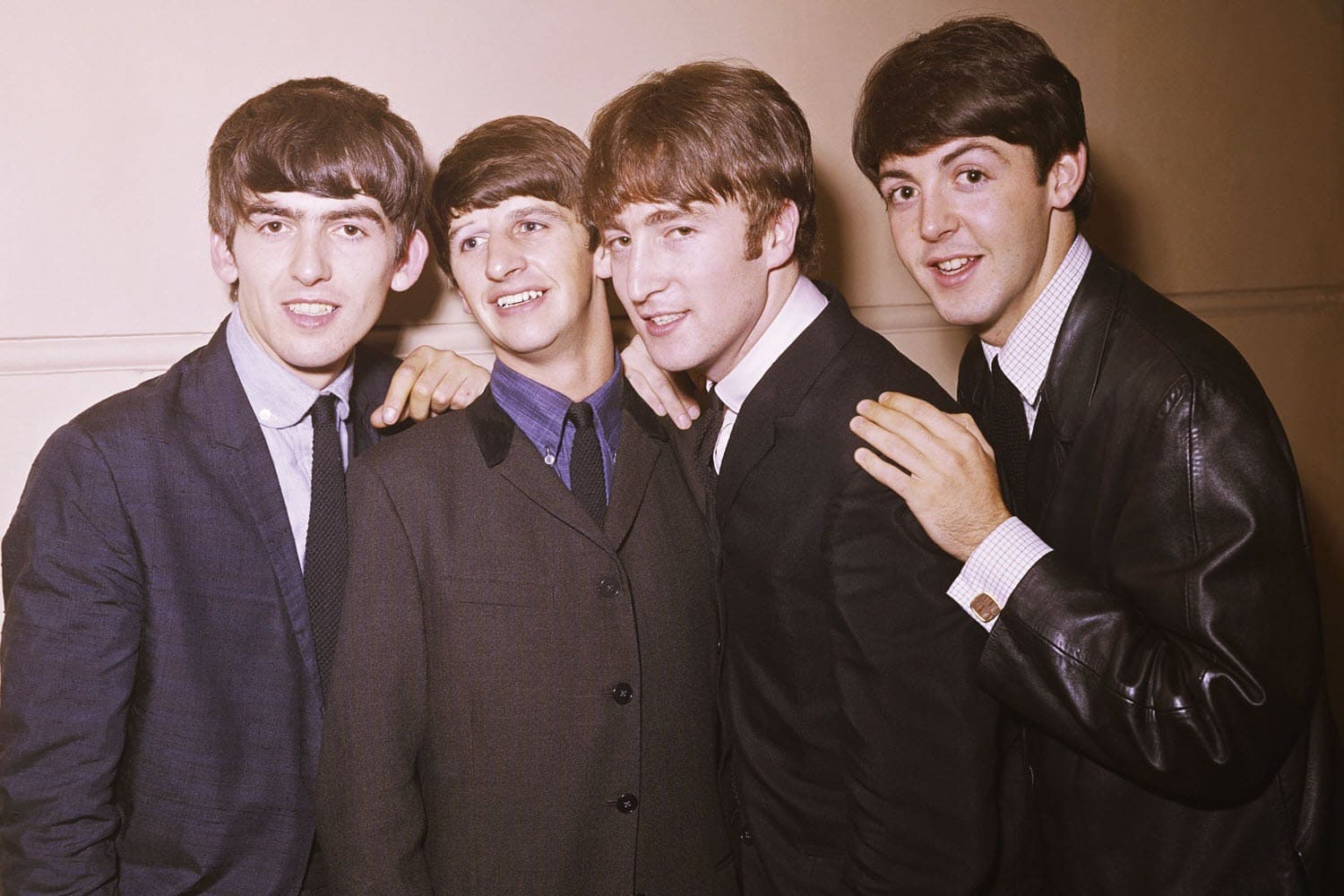
The Beatles—arguably the most iconic band in music history—have left an indelible mark on culture and the hearts of millions worldwide. From their early days of mop-top mania to their revolutionary experiments in sound, The Beatles redefined what it meant to be a global phenomenon. With a catalog spanning only a decade, their music remains timeless, crossing generations and genres, and inspiring endless admiration. But among their treasure trove of hits, which songs stand out as the most universally loved?
In this article, we dive into the top 10 most popular Beatles songs of all time—tracks that continue to dominate playlists, spark nostalgia, and serve as the ultimate soundtrack to love, rebellion, and self-discovery. Whether you’re a lifelong fan or a curious newcomer, these songs embody the magic of Lennon, McCartney, Harrison, and Starr at their finest. From the soulful melodies that pull at your heartstrings to the electrifying anthems that get your feet moving, each of these tracks is a masterpiece in its own right.
Get ready to sing along, reminisce, and rediscover why The Beatles remain the undisputed kings of pop and rock. Let’s celebrate the legacy of the Fab Four through the music that shaped the world!
1. Hey Jude (1968)
Released in 1968, “Hey Jude” quickly became a symbol of hope, comfort, and encouragement, earning its place as one of The Beatles’ most iconic songs. Written primarily by Paul McCartney, the inspiration for the track came from John Lennon’s son, Julian, who was going through a tough time during his parents’ divorce. McCartney crafted the song as a way to offer support to the young boy, urging him to overcome the sadness by telling him to “take a sad song and make it better.” The emotional power of the song lies in its universal appeal, as its message of optimism resonates with anyone facing difficult moments. The simple yet impactful piano chords, McCartney’s soulful vocals, and the song’s slow-building momentum create an uplifting atmosphere, culminating in a glorious, over-four-minute-long sing-along coda that invites listeners to join in and sing their hearts out. This part of the song, with its repeated refrain of “Na-na-na” and soaring harmonies, turned “Hey Jude” into an anthem of unity and communal healing. The song’s production, characterized by its sweeping arrangements and carefully crafted dynamics, contributed to its status as one of the greatest pop songs of all time. The powerful, collective energy that builds as the track progresses is a testament to McCartney’s songwriting genius. By the time the song fades out, it feels like a cathartic release, a hopeful embrace that speaks to the heart of humanity’s shared experiences. “Hey Jude” became a worldwide hit, topping the charts for several weeks and solidifying its place in rock history, forever etched in the hearts of generations who found solace and joy in its message.
2. Yesterday (1965)
“Yesterday”, released in 1965 on Help!, stands as one of the most timeless ballads in music history. Written by Paul McCartney, the song marks a departure from The Beatles’ earlier, more energetic sound, presenting a more reflective and melancholic tone. Unlike many of their other hits, “Yesterday” features McCartney’s vocals accompanied solely by a string quartet, creating a stripped-back, intimate atmosphere that resonates deeply with listeners. The lyrics, which reflect on the sorrow of a lost love, are simple yet profound. McCartney sings, “Yesterday, all my troubles seemed so far away / Now it looks as though they’re here to stay,” conveying a sense of longing and regret. The gentle orchestral arrangement enhances the sense of nostalgia, giving the song an elegant yet sorrowful quality that makes it feel both timeless and personal. “Yesterday” was groundbreaking for its time, proving that The Beatles were not only masters of energetic rock anthems but also capable of creating deeply emotional, introspective music. The song struck a chord with audiences around the world, becoming one of the most covered songs in history. Its quiet beauty and emotional depth have earned it a lasting place in popular music, further cementing McCartney’s reputation as one of the greatest songwriters of his generation. The simplicity of “Yesterday” is its strength—its ability to connect with listeners on a personal level through its universal themes of love, loss, and longing. Its impact is still felt today, as it continues to be a favorite among Beatles fans and an essential part of the band’s enduring legacy.
3. Let It Be (1970)
The title track from The Beatles’ final studio album, “Let It Be”, is a reflection of both the band’s farewell and the deep sense of peace that Paul McCartney found in the song’s message. Released in 1970, just before The Beatles officially disbanded, the song is a heartfelt ballad about acceptance and finding solace in difficult times. McCartney was inspired by a dream he had about his late mother, Mary, who passed away when he was fourteen. In the dream, she comforted him with the words, “Let it be,” which became the basis for the song’s lyrics. The song’s melody, with its gospel-inspired chords and McCartney’s soulful delivery, evokes a sense of calm amidst the chaos. The lyrics, “When I find myself in times of trouble / Mother Mary comes to me / Speaking words of wisdom, let it be,” encourage listeners to surrender to the inevitable ups and downs of life and find peace in acceptance. The song’s simple yet powerful arrangement, with its soaring piano chords and delicate orchestration, conveys a sense of hope and spiritual connection. “Let It Be” became an anthem of peace, offering a sense of closure not only to The Beatles’ tumultuous journey but also to the era in which it was created. The song’s message of letting go and trusting in the process of life resonated with a wide audience, and it continues to be a source of comfort for listeners around the world. “Let It Be” remains one of the most enduring and beloved songs in The Beatles’ catalog, a perfect farewell to both the band and the era that they helped define.
4. A Day in the Life (1967)
“A Day in the Life,” the closing track of Sgt. Pepper’s Lonely Hearts Club Band (1967), is one of The Beatles’ most ambitious and groundbreaking songs. A collaboration between John Lennon and Paul McCartney, the track is a stunning mix of surreal imagery, experimental production, and a unique blend of musical styles. The song opens with Lennon’s hauntingly introspective verses, inspired by a news story about a tragic accident. His vivid and disjointed imagery creates an unsettling atmosphere, capturing a sense of existential disconnection. In contrast, McCartney’s section brings a sense of levity, describing the mundane details of a typical day with playful lyrics and upbeat melodies. The dramatic shift in tone between the two sections mirrors the song’s overarching theme: the absurdity and unpredictability of life. The production of “A Day in the Life” is a work of art in itself, with its intricate layering of sounds, including a 40-piece orchestra, making it one of the most innovative pieces of its time. The song culminates in an epic orchestral crescendo that leads into the famous final chord, a sustained piano note that gradually fades into silence. This moment has become one of the most iconic in music history, leaving listeners with a sense of awe and finality. “A Day in the Life” is often hailed as a masterpiece not only for its innovative structure but also for its ability to convey a wide range of human experiences and emotions. The song’s experimental nature and emotional depth pushed the boundaries of what pop music could achieve, cementing its place as one of the greatest tracks ever recorded.
5. Come Together (1969)
“Come Together”, released in 1969 as part of Abbey Road, is one of The Beatles’ most enigmatic and funky tracks. Written by John Lennon, the song’s cryptic lyrics and catchy groove combine elements of blues, rock, and psychedelia. The track opens with a distinctive bassline, played by Paul McCartney, that drives the song forward with a laid-back, hypnotic rhythm. Lennon’s voice is both smooth and gritty as he delivers the song’s surreal, almost nonsensical lyrics: “Here come old flat-top / He come groovin’ up slowly”—a series of colorful and abstract descriptions that add to the mystery of the song. Despite its seemingly random phrases, “Come Together” creates a compelling mood, with the music reflecting its ambiguous nature. The hypnotic groove, marked by McCartney’s steady bass and Ringo Starr’s snappy drumbeat, invites listeners into a space where they can surrender to the rhythm. The song’s innovative use of space and minimalism further enhances its hypnotic vibe. Though Lennon’s lyrics remain somewhat elusive, their fragmented nature invites listeners to interpret them in their own way, adding to the song’s allure. “Come Together” became a hit, and its influence has only grown over time. Its mixture of styles, with a dash of mystery and funk, made it a standout track on Abbey Road, a record that was already filled with musical innovation. “Come Together” remains a quintessential Beatles song, a perfect example of the band’s ability to blend different genres while maintaining their unique sound.
6. Here Comes the Sun (1969)
“Here Comes the Sun” is a radiant and uplifting track written by George Harrison and featured on Abbey Road (1969). Often regarded as one of Harrison’s most enduring contributions to The Beatles’ catalog, the song was written during a period of personal and professional difficulty. Harrison was spending time away from the pressures of the band, seeking solace in the tranquility of Eric Clapton’s garden during a particularly bleak English winter. It was there, under the warmth of the sun, that he found inspiration for this hopeful and optimistic tune. The song begins with a gentle acoustic guitar riff that gradually builds into a lush and melodic arrangement. Harrison’s serene vocals provide a sense of calm, and his lyrics express a sense of renewal, with lines like, “Little darlin’, it’s been a long, cold, lonely winter / Little darlin’, it feels like years since it’s been here.” This sense of change is captured beautifully as the song moves through its progression, symbolizing the arrival of brighter days after a long, difficult period. The song’s upbeat tone and bright instrumentation are a perfect contrast to the darker mood of the time in which it was written, offering listeners a sense of hope and comfort. “Here Comes the Sun” quickly became one of Harrison’s signature songs and a fan favorite. Its message of rebirth and optimism resonates with listeners of all ages, and the song remains a timeless anthem of hope. The track’s joyful melody and uplifting spirit continue to make it one of the most cherished Beatles songs, a testament to Harrison’s exceptional songwriting and his ability to capture universal themes with grace and simplicity.
7. Something (1969)
“Something”, another classic from George Harrison and featured on Abbey Road (1969), is often considered one of the greatest love songs ever written. The song’s gentle, soulful melody and tender lyrics showcase Harrison’s deep emotional resonance and his growing mastery as a songwriter. Inspired by his own experiences with love, “Something” reflects a sense of yearning and admiration, capturing the complexity of romantic relationships. The opening line, “Something in the way she moves / Attracts me like no other lover,” immediately sets the tone for a song that is both personal and universal, as it speaks to the magnetic allure of a lover. The song’s arrangement is understated yet elegant, with a melodic guitar solo that perfectly complements Harrison’s heartfelt delivery. McCartney’s bassline and Starr’s delicate drumming provide a solid foundation, while Lennon’s harmonies add a touch of warmth to the track. The lyrics explore the beauty of love from a place of reverence, emphasizing the emotional power that a significant other can hold over someone’s heart. “Something” became a hit single and earned praise from listeners and critics alike. Frank Sinatra, a huge fan of the song, famously called it “the greatest love song of the past 50 years,” an endorsement that speaks to the song’s emotional depth and universal appeal. The track remains one of Harrison’s most beloved works and a high point of Abbey Road. It stands as a testament to Harrison’s ability to write songs that resonate with listeners on a deeply personal level, making “Something” one of The Beatles’ most enduring ballads.
8. I Want to Hold Your Hand (1963)
Released in 1963, “I Want to Hold Your Hand” marked a pivotal moment in The Beatles’ career and in the history of pop music. It was the song that propelled The Beatles into superstardom in the United States, igniting Beatlemania and paving the way for the British Invasion. With its infectious energy, catchy melody, and youthful exuberance, “I Want to Hold Your Hand” became The Beatles’ first No. 1 hit in the U.S. and set the stage for their dominance on the charts. The track opens with a burst of harmonized vocals and jangly guitars, immediately drawing listeners in with its upbeat and spirited sound. The song’s lyrics, simple yet heartfelt, express the excitement and joy of young love, with lines like “Oh, please, say to me / You’ll let me be your man.” The energy of the track is palpable, and the harmonies between Lennon and McCartney give it a sense of urgency and enthusiasm. The song’s structure is tight, with a driving rhythm and infectious chorus that makes it impossible not to sing along. At its core, “I Want to Hold Your Hand” embodies the thrill and innocence of youthful romance, capturing the heart of a generation eager for new sounds and experiences. The song’s success was a defining moment in the rise of The Beatles and marked the beginning of an era that would change the music landscape forever. The track remains one of The Beatles’ most enduring early hits, a perfect example of the band’s ability to create infectious pop music that resonated with millions around the world. “I Want to Hold Your Hand” is a timeless reminder of the joy and excitement that The Beatles brought to their fans, marking the beginning of their iconic journey in the music world.
9. Strawberry Fields Forever (1967)
“Strawberry Fields Forever”, released in 1967 as part of a double A-side with “Penny Lane,” is one of John Lennon’s most introspective and experimental works. The song is a reflection of Lennon’s own experiences growing up in Liverpool, specifically his memories of a Salvation Army children’s home near his childhood home, called Strawberry Field. The song blends surreal, dreamlike imagery with a sense of yearning for the past. The lyrics are both personal and abstract, with Lennon singing, “Let me take you down, ‘cause I’m going to Strawberry Fields / Nothing is real, and nothing to get hung about.” This combination of nostalgia, disillusionment, and surrealism captures the essence of the psychedelic era in which it was created. The song’s production is equally groundbreaking, utilizing innovative studio techniques such as tape loops and a wide range of instrumentation, including a mellotron, which gives the track its distinctive, ethereal quality. The lush orchestration and layered effects create a sense of depth and atmosphere, drawing the listener into the dreamlike world of “Strawberry Fields Forever.” The song is both haunting and beautiful, with its melancholy yet hopeful tone. “Strawberry Fields Forever” is often regarded as one of The Beatles’ most groundbreaking tracks, pushing the boundaries of what pop music could achieve. It marked a turning point in the band’s artistic development and was a key moment in the psychedelic movement. Its experimental nature, combined with Lennon’s emotional vulnerability, makes it one of The Beatles’ most enduring and influential songs. The track has continued to resonate with listeners for decades, cementing its place as one of the band’s most iconic works.
10. Lucy in the Sky with Diamonds (1967)
Released in 1967 on Sgt. Pepper’s Lonely Hearts Club Band, “Lucy in the Sky with Diamonds” is one of The Beatles’ most imaginative and psychedelic songs. Written by John Lennon and inspired by a drawing made by his son Julian, the title and lyrics are filled with fantastical imagery, conjuring up a kaleidoscopic world of vibrant colors and whimsical characters. The song’s opening line, “Picture yourself in a boat on a river / With tangerine trees and marmalade skies,” immediately sets the stage for a surreal journey, one that transports the listener into a vivid, dreamlike landscape. The song’s lyrics are open to interpretation, with many speculating about references to drugs, though Lennon denied any intentional connection to LSD. Regardless, “Lucy in the Sky with Diamonds” became a hallmark of the psychedelic movement, capturing the mind-expanding spirit of the era. The track’s production is equally adventurous, with its shimmering guitars, otherworldly effects, and haunting harmonies creating an atmosphere of mystery and wonder. The use of a Leslie speaker on Lennon’s vocals gives his voice a swirling, ethereal quality that perfectly complements the surreal nature of the song. The song’s innovative structure, with its unexpected changes in tempo and dynamics, further contributes to its sense of unpredictability and experimentation. “Lucy in the Sky with Diamonds” quickly became one of The Beatles’ most beloved and influential tracks, and its legacy has endured for generations. The song’s whimsical lyrics and captivating arrangement make it a perfect example of The Beatles’ ability to create groundbreaking music that pushed the boundaries of pop and rock.

Edward Tomlin is a frequent contributor to Singers Room. Since 2005, Singersroom has been the voice of R&B around the world. Connect with us via social media below.









