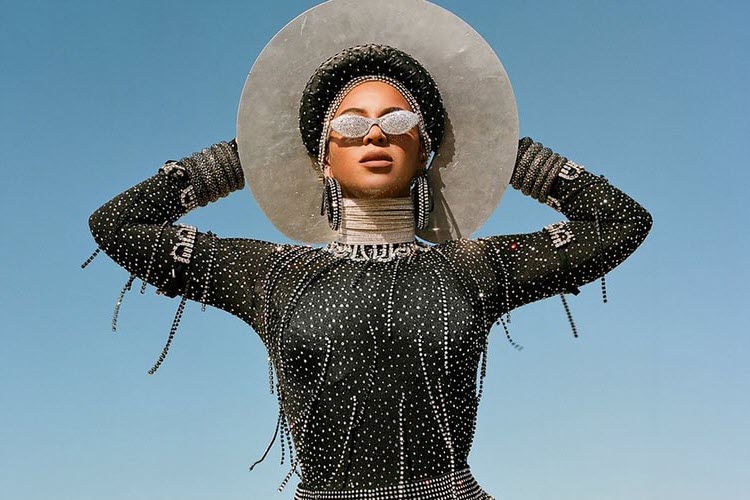
Erykah Badu—known as the Queen of Neo-Soul—has graced the music world with her ethereal voice, profound lyrics, and boundary-pushing artistry. With a career spanning over two decades, her music transcends genres, blending elements of soul, jazz, hip-hop, and R&B into a sound that’s uniquely hers. From her thought-provoking storytelling to her magnetic stage presence, Erykah has captivated hearts and minds across the globe.
This article dives into the top 10 most popular Erykah Badu songs of all time, celebrating the tracks that have solidified her legacy as one of the greatest artists of her generation. These songs are more than just music—they’re experiences. They capture moments of love, self-discovery, empowerment, and cultural reflection, resonating deeply with listeners from all walks of life.
Whether you’re a longtime fan or a newcomer to her artistry, this list will remind you why Erykah Badu’s music remains timeless. From her chart-topping hits to her underground gems, these songs have become anthems, soundtracks, and sources of inspiration for millions. So, light some incense, press play, and let’s explore the soulful world of Erykah Badu’s greatest hits!
1. On & On (1997)
Erykah Badu’s debut single, “On & On,” from her groundbreaking album Baduizm, introduced the world to a new sound that blended neo-soul, jazz, and spirituality in a way that was entirely fresh. Released in 1997, the song became an instant classic and earned Badu a Grammy, showcasing her deep, distinctive voice and her knack for philosophical lyricism. The track’s laid-back groove and hypnotic bassline set the stage for what was to become the neo-soul movement, with Badu at the forefront as its queen. “On & On” explores deep themes of reincarnation, self-discovery, and personal growth. In a smooth, soulful flow, Badu reflects on the cyclical nature of life, while urging listeners to stay grounded and resilient despite the hardships they face. The track’s lyrics are thought-provoking yet accessible, a perfect balance of wisdom and relatability. The music itself—built on a steady rhythm and subtle, but impactful instrumentation—allows Badu’s voice to shine without overshadowing the message. The song’s success was not only due to its captivating sound but also its powerful message. As Badu sings about moving forward despite the challenges of life, she became an emblem of strength and individuality. “On & On” is much more than a song; it’s an anthem for anyone navigating the twists and turns of their personal journey, with Badu providing the soundtrack for self-reflection and growth. The track’s success and cultural impact would help solidify Badu’s place in music history, and it remains a key influence for generations of artists across multiple genres.
2. Tyrone (Live) (1997)
Erykah Badu’s “Tyrone,” recorded live and released in 1997, became one of her most beloved tracks, thanks to its potent blend of soul, humor, and sharp social commentary. Captured on her Live album, this track shows Badu’s ability to connect with her audience on a personal level, blending sass and vulnerability effortlessly. The live version of “Tyrone” features Badu’s signature wit, as she delivers a biting commentary on a failing relationship. The lyrics—powerful and playful at once—are memorable for their directness. Badu calls out Tyrone, a man who has overstayed his welcome, asking him to leave while simultaneously asserting her own worth. It’s a moment of self-empowerment, where she sheds the romanticized notion of love and embraces the reality of self-preservation. But beyond the clever lyrics, the raw energy of the live performance elevates the track. The crowd’s palpable reaction to her delivery adds an undeniable charm, making the song feel like a shared experience between Badu and her audience. The deep grooves and tight rhythm section give the song its backbone, while Badu’s soulful vocals and ad-libbing make it feel like a spontaneous, intimate moment. The track became an anthem of independence, reminding listeners that it’s okay to set boundaries and take control of their own happiness. “Tyrone” remains one of Badu’s most iconic tracks, with its infectious chorus and unforgettable delivery making it a staple in her live performances ever since.
3. Bag Lady (2000)
“Bag Lady,” from Erykah Badu’s 2000 album Mama’s Gun, is a soulful exploration of emotional baggage and personal growth. The song resonates with listeners on a deep level, using the metaphor of carrying bags to represent the weight of past experiences, pain, and unhealed wounds. The lyrics offer a gentle but firm invitation to let go of the emotional burdens that hold us back from living fully and moving forward. With her smoky, emotive voice, Badu takes listeners on a journey of self-discovery, encouraging them to free themselves from the weight of their past so they can embrace a brighter future. The song’s production, which features a sample from Dr. Dre’s “Xxplosive,” pairs perfectly with Badu’s voice, offering a smooth, laid-back vibe that complements the song’s theme of introspection. The groove is hypnotic and steady, drawing the listener in as Badu’s voice floats over the top, effortlessly commanding attention. “Bag Lady” became an instant classic, not just for its sound but for its message, which resonated with anyone who had ever struggled with letting go of their past. It’s a therapeutic anthem for anyone who has ever felt burdened by emotional baggage, whether from old relationships, past mistakes, or unresolved trauma. Through her poetic lyrics, Badu reminds us that we have the power to heal, move on, and make space for new experiences. The track is a perfect example of Badu’s ability to blend soul, wisdom, and music into a piece that speaks to the heart and soul.
4. Window Seat (2010)
Released in 2010 as part of Erykah Badu’s New Amerykah Part Two (Return of the Ankh), “Window Seat” is a soulful, introspective track that blends Badu’s smooth vocals with jazzy, minimalist production. The song’s themes of vulnerability, self-reflection, and the desire for escape resonate deeply, as Badu reflects on her need to break free from the expectations and pressures placed upon her. The track opens with a smooth, flowing beat that provides a perfect backdrop for Badu’s haunting, almost ethereal voice. As she sings, “I need you to open up the window,” she’s calling for liberation—a desire to shed the weight of societal norms and return to a more authentic, free state of being. “Window Seat” captures the essence of longing and the need for solitude, making it both a personal reflection and a universal cry for freedom. The accompanying music video, which gained attention for its controversial concept, further deepened the song’s cultural impact. In the video, Badu strips down in a public space as she walks through the streets of Dallas, confronting the viewer with a visual metaphor for shedding layers of societal expectations and embracing individuality. The video’s message of freedom and self-expression sparked conversations about the boundaries of art and personal autonomy, making “Window Seat” not only a soulful anthem but a cultural statement. The song’s subtle groove and Badu’s powerful delivery continue to make “Window Seat” a standout track in her discography, symbolizing the emotional and spiritual journey toward self-liberation.
5. Next Lifetime (1997)
“Next Lifetime,” another gem from Baduizm, is a poignant and soulful ballad that explores the complexity of love and desire. Released in 1997, the song tells the story of unrequited love and the bittersweet emotions that come with it. Badu’s lush, velvety voice captures the melancholy and longing of a woman who falls for someone who is unavailable or unresponsive to her feelings. The track’s dreamlike instrumentation, paired with Badu’s emotive delivery, creates an atmosphere of yearning, making it a perfect exploration of love’s complicated emotions. The song’s lyrics, which contemplate the idea of love “next lifetime,” suggest a sense of hope and patience despite the heartbreak. It’s a reflection on the idea that sometimes love doesn’t manifest the way we want it to, but that doesn’t mean it’s lost forever. The lush strings and slow-moving rhythm in the track give it a timeless, almost cinematic quality, while Badu’s voice floats effortlessly over the music, making every word feel weighty and significant. The song’s delicate balance of vulnerability and hope made it an instant classic and a fan favorite. It’s a track that many can relate to, as it touches on the universal experience of loving someone at the wrong time or in the wrong circumstances. “Next Lifetime” remains one of Badu’s most iconic songs, with its combination of poetic lyrics and soulful delivery solidifying its place as one of the greatest ballads in her catalog.
6. Love of My Life (An Ode to Hip-Hop) (2002)
“Love of My Life (An Ode to Hip-Hop),” released in 2002 as part of the Brown Sugar soundtrack, is a beautiful tribute to hip-hop culture, capturing the essence of a deep and lasting relationship with music. In this soulful collaboration with Common, Erykah Badu explores the way hip-hop has shaped her identity and how it continues to influence her life. The track is both a love song and an anthem for the genre, with Badu and Common personifying hip-hop as a lover—one that has been a constant source of inspiration, pain, joy, and growth. The song’s smooth, jazzy production sets a nostalgic, warm tone that complements the heartfelt lyrics. Badu’s tender voice pairs perfectly with Common’s poetic verses, each one reflecting on the transformative power of hip-hop. From Badu’s melodic refrain of “hip-hop, you saved my life,” to Common’s verses about the evolution of the genre, the track celebrates hip-hop as more than just a musical style—it’s an ever-evolving force that has brought people together and sparked social change. The track’s nostalgic vibe brings to mind the golden era of hip-hop, and its message resonates with fans who have experienced the genre’s ability to reflect the struggles and triumphs of everyday life. The track’s laid-back yet impactful sound exemplifies the beauty of the genre’s storytelling and how deeply it connects with listeners on a personal level. “Love of My Life (An Ode to Hip-Hop)” serves as both an ode to the genre and a reminder of the power that music holds in shaping our lives. It’s a celebration of hip-hop’s cultural significance and its profound impact on Badu’s music and career.
7. Didn’t Cha Know (2000)
“Didn’t Cha Know,” from Badu’s Mama’s Gun album, is a mesmerizing track that draws listeners in with its introspective lyrics and hypnotic groove. Released in 2000, the song is a reflection on life’s uncertainties and the inevitable moments when we must let go and trust in the unknown. Badu’s ethereal vocals float over a soulful beat produced by J Dilla, creating a vibe that’s both laid-back and thought-provoking. The track is about realization—the moment when we come to terms with the fact that we’re not always in control of our lives and that sometimes things unfold in ways we least expect. The opening lines, “Didn’t cha know? / That I’ve been watching you,” express a sense of longing and curiosity, as Badu contemplates her place in the world and the choices that shape her destiny. As the song progresses, the chorus serves as a reminder that, despite the unpredictability of life, we must embrace the unknown and trust that we’re on the right path. The production on this track is a standout, with its lush instrumentation and smooth, jazzy beat providing the perfect backdrop for Badu’s reflective lyrics. The subtle layering of sounds, combined with Badu’s unique vocal delivery, creates an atmosphere that is both soothing and empowering. “Didn’t Cha Know” is a timeless song that explores the balance between acceptance and self-doubt, offering a gentle reminder that everything in life happens for a reason. It’s a beautiful exploration of growth and self-awareness, set to one of the most captivating beats in Badu’s catalog.
8. Apple Tree (1997)
“Apple Tree,” from Baduizm (1997), is an upbeat and empowering anthem that celebrates self-worth, individuality, and the power of personal choice. With its jazzy beat and catchy melody, the song quickly became a fan favorite, thanks to its infectious energy and Badu’s distinct vocal style. The track is a bold declaration of independence, as Badu sings about the importance of staying true to oneself and embracing authenticity. The metaphor of the apple tree—symbolizing the temptation to follow others or conform to societal expectations—is used throughout the song to encourage listeners to stand firm in their identity and not be swayed by outside influences. Badu’s lyrics are both playful and serious, combining wit and wisdom in a way that resonates with listeners across all walks of life. “Apple Tree” is not just about self-empowerment but also about owning one’s story and defining success on one’s own terms. The song’s upbeat, almost funky production features a combination of smooth basslines, playful percussion, and jazzy instrumental flourishes, creating a sound that’s both contemporary and timeless. Badu’s voice glides effortlessly over the track, giving the song a sense of fluidity and ease. “Apple Tree” captures the essence of Badu’s approach to life and music—embracing one’s uniqueness and refusing to be boxed in. With its infectious rhythm and empowering message, “Apple Tree” remains one of Badu’s signature songs, a bold and unforgettable expression of confidence and individuality.
9. Otherside of the Game (1997)
From Baduizm (1997), “Otherside of the Game” is a soulful, poignant ballad that tells the story of a woman caught in the complexities of love, loyalty, and struggle. The track’s narrative follows a woman who is deeply invested in a relationship, only to realize that her partner’s choices are leading them down a difficult and uncertain path. The song’s lyrics are full of raw emotion, capturing the internal conflict that comes with trying to support someone you love through challenging times, even when those challenges seem insurmountable. Badu’s voice is powerful and soulful, perfectly conveying the emotional weight of the song. The minimalist, haunting instrumental arrangement creates a sense of tension that mirrors the song’s subject matter—love laced with difficulty. The understated production allows Badu’s voice to take center stage, as she sings with deep conviction and vulnerability. As the song progresses, the woman reflects on her position in the relationship and the sacrifices she’s made, while also contemplating the future and the cost of staying in such a situation. “Otherside of the Game” is a track about the painful realities of love, offering a deep, emotional exploration of sacrifice, loyalty, and the struggle for personal fulfillment. It’s a deeply reflective song that resonates with anyone who has ever been caught between love and self-preservation. With its raw honesty and emotive delivery, “Otherside of the Game” is one of Badu’s most powerful ballads, showcasing her ability to explore complex emotional landscapes through her music.
10. Honey (2008)
“Honey,” the lead single from Erykah Badu’s New Amerykah Part One (4th World War), released in 2008, is an upbeat and funky track that showcases Badu’s playful side. With its infectious groove, funky beat, and clever lyrics, the song celebrates love and sweetness in a way that feels both fresh and nostalgic. The track’s lively energy and catchy melody make it impossible not to move along with the beat, while Badu’s confident and flirtatious delivery adds a layer of charm to the track. The song’s lyrics are a love letter to a romantic partner, with Badu comparing her affection to the sweetness of honey, using metaphor and playful imagery to convey her deep feelings. The song’s production, which incorporates elements of funk and soul, is both contemporary and reminiscent of the sounds of the past, making it a perfect reflection of Badu’s ability to blend old-school vibes with modern sensibilities. The music video for “Honey” was equally as memorable, as it paid homage to iconic album covers from the 1970s, adding a visual element to the song’s throwback vibe. The track became an instant fan favorite, with its playful energy and soulful sound making it one of Badu’s most fun and accessible songs. “Honey” is a celebration of love in all its sweetness and joy, offering a reminder that, sometimes, the simplest pleasures are the most profound. With its catchy chorus, funky beat, and irresistible charm, “Honey” stands as one of Badu’s most delightful and enduring tracks.

Edward Tomlin is a frequent contributor to Singers Room. Since 2005, Singersroom has been the voice of R&B around the world. Connect with us via social media below.









