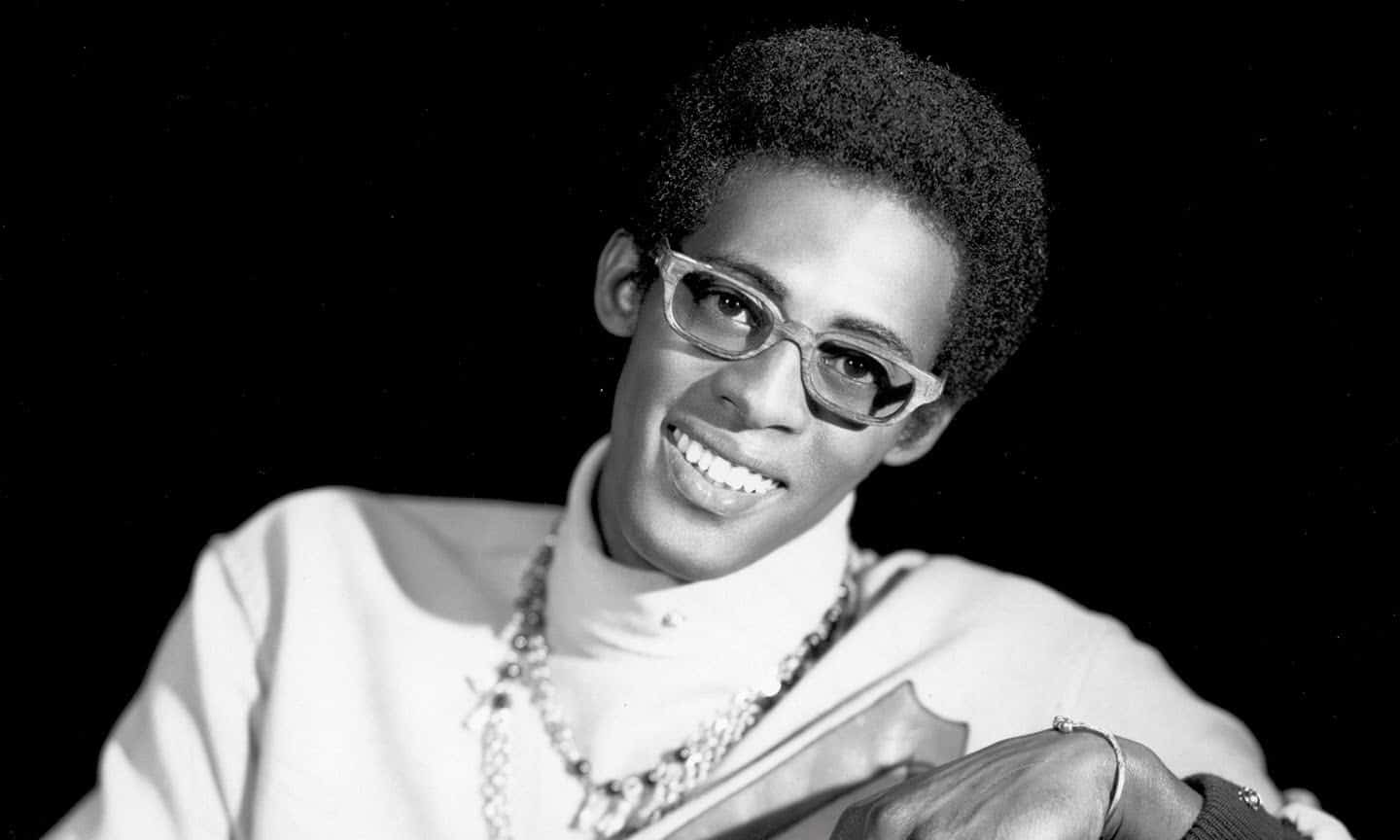
David Ruffin’s voice is the sound of pure soul—raw, emotional, and unforgettable. As the magnetic lead singer of The Temptations during their golden era and later a solo artist in his own right, Ruffin left an indelible mark on R&B history. His ability to convey heartbreak, passion, and joy through music has made him one of the most celebrated voices of all time. Whether he was delivering heartfelt ballads or commanding the stage with upbeat, danceable hits, Ruffin’s vocal power and emotional depth made every song a moment to remember.
This article celebrates the top 10 most popular David Ruffin songs of all time—a mix of his legendary work with The Temptations and his standout solo career. From the timeless Motown classics that defined a generation to his soulful solo hits that showcased his versatility, these songs highlight why Ruffin remains a beloved figure in music history. Each track tells a story, whether it’s the sweet innocence of young love, the pain of heartbreak, or the resilience of the human spirit. Join us as we explore the unforgettable melodies, powerful lyrics, and incredible moments that defined David Ruffin’s career and cemented his legacy as a soul music icon.
1. “My Girl” (1964)
Released in December 1964, “My Girl” became an instant classic and remains one of the most beloved songs in the history of soul music. The Temptations’ defining hit, it features David Ruffin’s velvety, powerful lead vocals over a lush Motown production that perfectly blends strings, horns, and harmonies. From the moment the unforgettable bassline kicks in, the track grabs your attention and takes you on a journey of romantic adoration. Ruffin’s smooth delivery of the heartfelt lyrics resonates with both personal and universal emotions, making “My Girl” feel timeless. Written by Smokey Robinson and Ronald White, the song became a massive commercial success, reaching No. 1 on the Billboard Hot 100 in early 1965. It cemented Ruffin’s place as one of soul music’s greatest voices and showcased Motown’s signature sound at its peak. “My Girl” is not just a song, but a cultural milestone, evoking memories of love and happiness for listeners across generations. It’s one of those tracks that’s impossible not to sing along to, and its enduring legacy is a testament to its undeniable magic.
2. “Ain’t Too Proud to Beg” (1966)
Released in May 1966, “Ain’t Too Proud to Beg” is a fiery, passionate plea for love that perfectly captures the soul and intensity of The Temptations’ music. Written by Norman Whitfield and Eddie Holland, the song’s driving rhythm, punchy horns, and energetic call-and-response harmonies create an irresistible sense of urgency. But it’s David Ruffin’s emotionally charged vocals that really bring the track to life. He delivers the heartfelt plea with a raspy intensity that conveys both desperation and vulnerability, making it clear that this is a man willing to do anything to keep his love. The track quickly became one of the group’s most celebrated hits, charting at No. 13 on the Billboard Hot 100 and becoming a staple of the Motown sound. Its upbeat tempo and catchy rhythm made it a favorite on dance floors, yet the emotional weight of the lyrics gave it depth that resonated with listeners. “Ain’t Too Proud to Beg” has remained a standout in the Motown catalog, capturing the powerful mix of emotion and energy that defined the era.
3. “I Wish It Would Rain” (1967)
“I Wish It Would Rain,” released in December 1967, stands as one of The Temptations’ most poignant and emotionally charged ballads. Written by Norman Whitfield, Barrett Strong, and Roger Penzabene, the song’s heart-wrenching lyrics reflect the pain of heartbreak and loss, with a tragic backstory that adds even more emotional weight. Penzabene, who penned the lyrics during a time of personal despair, tragically passed away shortly before the song’s release, lending an even deeper resonance to the track. David Ruffin’s vocal performance is raw and full of anguish, perfectly capturing the sorrow of unrequited love. The haunting sound of rain in the intro and a mournful piano set the somber mood, while Ruffin’s delivery heightens the emotional intensity. The song reached No. 4 on the Billboard R&B chart, striking a chord with listeners who understood the aching pain of love lost. “I Wish It Would Rain” has remained one of The Temptations’ most beloved tracks, a timeless anthem of sadness and longing, and a testament to Ruffin’s unmatched ability to convey deep emotion through his voice.
4. “Beauty Is Only Skin Deep” (1966)
“Beauty Is Only Skin Deep,” released in August 1966, is a fun, funky track with a serious message about looking beyond physical appearance to find true value. Written by Norman Whitfield and Eddie Holland, the song delivers an upbeat, danceable groove that instantly captures your attention, but it’s the depth of its lyrics that leaves a lasting impression. Ruffin’s charismatic lead vocals perfectly balance playfulness and soulful conviction, as he sings about the importance of inner beauty and self-worth. The song’s infectious rhythm, layered harmonies, and horn arrangements create a vibrant backdrop that complements Ruffin’s energetic performance. “Beauty Is Only Skin Deep” became one of The Temptations’ most successful songs, reaching No. 3 on the Billboard Hot 100 and No. 1 on the R&B charts. Its timeless message and irresistible energy make it a standout track in the Motown catalog. With its catchy hook and powerful sentiment, the song remains a classic, proving that The Temptations could deliver both socially conscious messages and lively, danceable tunes with equal finesse.
5. “I Could Never Love Another (After Loving You)” (1968)
Released in April 1968, “I Could Never Love Another (After Loving You)” is one of David Ruffin’s most emotional and powerful ballads with The Temptations. The song begins with a tender spoken-word introduction that sets the stage for a deeply heartfelt narrative about the despair of losing a once-in-a-lifetime love. Written by Norman Whitfield, Barrett Strong, and Roger Penzabene, the track captures the overwhelming feeling of hopelessness that comes with heartache. Ruffin’s voice, full of vulnerability and passion, takes listeners on an emotional journey, and his powerful delivery makes every word feel personal. The song’s lush orchestration of strings and horns perfectly complements Ruffin’s performance, giving the track a rich, soulful sound. “I Could Never Love Another (After Loving You)” became a major hit, reaching No. 1 on the R&B chart and No. 13 on the Billboard Hot 100. Its deep emotional resonance and Ruffin’s commanding performance cemented it as a defining moment in The Temptations’ catalog. The song remains a testament to Ruffin’s ability to convey complex emotions and connect with listeners on a profound level.
6. “My Whole World Ended (The Moment You Left Me)” (1969)
David Ruffin’s debut solo single, “My Whole World Ended (The Moment You Left Me),” announced his arrival as a solo artist with undeniable force. Released in January 1969, the song is a dramatic and soulful tale of heartbreak. Written by Harvey Fuqua and Johnny Bristol, the track features a lush orchestration of strings, horns, and backing vocals that perfectly complement Ruffin’s searing, emotional delivery. His voice rises and falls with the intensity of the lyrics, making the pain palpable. The song was an instant success, reaching No. 9 on the Billboard Hot 100 and No. 2 on the R&B chart, proving that Ruffin could shine just as brightly on his own.
7. “Walk Away from Love” (1975)
Released in November 1975, “Walk Away from Love” marked a stylistic shift for Ruffin as he embraced the disco-infused soul sound of the era. Written by Charles Kipps and produced by Van McCoy, the track features a smooth yet danceable groove that perfectly balances heartbreak with a sense of liberation. Ruffin’s voice soars over the lush arrangement, delivering lyrics about ending a relationship to preserve one’s own dignity. The song became a major hit, reaching No. 9 on the Billboard Hot 100 and No. 1 on the R&B chart, proving Ruffin’s ability to adapt to changing musical trends without losing his soulful essence.
8. “Common Man” (1973)
“Common Man,” released in 1973, is a poignant anthem that speaks to humility and staying grounded despite fame and fortune. Written by Bobby Miller, the song resonates deeply with Ruffin’s vocal sincerity. The lyrics celebrate the virtues of an ordinary life, delivered with Ruffin’s characteristic warmth and conviction. Backed by a soulful arrangement of strings and horns, Ruffin’s voice shines as he connects with listeners on a deeply personal level. Although not a major commercial hit, “Common Man” remains a favorite among fans for its heartfelt message and powerful delivery.
9. “Statue of a Fool” (1975)
Released in 1975, “Statue of a Fool” is a stirring ballad that captures the regret of losing a great love. Originally written by Jan Crutchfield, Ruffin’s version stands out for its emotional depth and vocal brilliance. His rich, expressive voice imbues the song with a sense of vulnerability that is both heartbreaking and relatable. The simple yet elegant arrangement allows Ruffin’s voice to take center stage, making every word resonate. While not one of his chart-toppers, the song is a testament to Ruffin’s ability to turn any track into a deeply moving experience.
10. “Heavy Love” (1976)
Released in 1976, “Heavy Love” is a soulful track that explores the complexities of love and relationships. The song features a groovy, mid-tempo rhythm and Ruffin’s commanding vocal presence. His ability to blend tenderness with power shines through as he navigates lyrics about the weight of passion and devotion. Produced with a rich, layered sound, “Heavy Love” captures the essence of 1970s soul while showcasing Ruffin’s enduring artistry. Though it didn’t achieve massive commercial success, the song remains a gem in Ruffin’s catalog, beloved by fans of his later solo work.

Samuel Moore is a frequent contributor to Singers Room. Since 2005, Singersroom has been the voice of R&B around the world. Connect with us via social media below.









