The trumpet has long been a defining voice in the world of music, bridging genres from jazz and classical to pop and funk. Its powerful, brassy sound has captivated audiences for centuries, thanks to a select group of virtuosos who have pushed the boundaries of what this instrument can achieve. In this article, we embark on a thrilling journey through time and styles to highlight the top 15 best trumpet players of all time.
From the smoky jazz clubs of New Orleans to the grand concert halls of Europe, these musicians have not only mastered their craft but have also transformed the landscape of music itself. Each player on our list brings a unique flair and a signature sound, showcasing the trumpet’s versatility and emotional depth. Whether it’s the innovative improvisations of jazz legends or the precise techniques of classical maestros, prepare to be inspired by the incredible talent and artistry of these trumpet icons. Join us as we celebrate their groundbreaking contributions and explore the rich legacy they’ve left behind, proving that the trumpet is not just an instrument, but a powerful voice that resonates through the ages.
1. Louis Armstrong
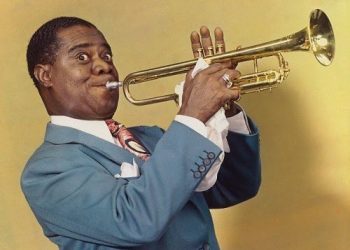
Louis Armstrong, affectionately known as “Satchmo,” is often regarded as the face of jazz. Born in 1901 in the heart of New Orleans, Armstrong forever changed the sound of American music with his extraordinary trumpet playing and uniquely gravelly voice. His technical prowess and groundbreaking improvisational skills brought jazz into the mainstream, elevating the genre into a global art form. Armstrong’s influence is immeasurable, with timeless classics such as “What a Wonderful World” and “West End Blues” showcasing his ability to convey emotion with every note. His virtuosity on the trumpet was matched by his charismatic stage presence, a joyful spirit that connected him with audiences worldwide. Armstrong’s impact transcends just his musical achievements; his groundbreaking approach to soloing, phrasing, and vocal delivery has inspired generations of musicians across all genres. He was one of the first to bring improvisation to the forefront of jazz, and his innovation paved the way for future artists to explore the limitless possibilities of the genre. Known for his infectious smile and playful spirit, Armstrong’s personality made him a beloved figure both on and off the stage. He was as much a cultural icon as he was a musician, spreading joy and uplifting the hearts of all who heard him. Even after more than half a century since his death, Armstrong’s music continues to resonate. His unmistakable sound has become synonymous with the soul of jazz itself, a legacy that endures in the world of music today. From his early days as a young cornet player in New Orleans to his later years as a global superstar, Louis Armstrong’s contributions to jazz, as well as his ability to connect with his audience through his raw emotion and technical brilliance, have left an indelible mark on the world of music.
2. Miles Davis
Miles Davis is one of the most influential musicians in jazz history, a master of reinvention who consistently pushed the boundaries of music. Born in 1926 in Illinois, Davis’s career spanned five decades and saw him shape the very direction of jazz, moving from one revolutionary style to the next. Davis was not only a brilliant trumpet player, but he was also an innovator whose albums changed the landscape of music forever. His landmark album *Kind of Blue* is widely considered one of the greatest recordings of all time, pioneering modal jazz and bringing a new level of sophistication to jazz composition and improvisation. With his cool, introspective tone and ability to blend emotion with technical precision, Davis created some of the most memorable music of the 20th century. His ability to transcend genre—incorporating elements of bebop, cool jazz, hard bop, and fusion—helped redefine what jazz could be. Davis’s collaborations with some of the most notable figures in jazz, including John Coltrane, Bill Evans, and Herbie Hancock, further solidified his position as a revolutionary figure. His 1959 album *Kind of Blue* remains a defining moment in the evolution of jazz, while his later work in the 1970s, such as *Bitches Brew*, explored the intersection of jazz with rock and funk, helping to lay the groundwork for the fusion genre. Beyond his technical mastery, Davis had a profound impact on the cultural significance of jazz, serving as a mentor to younger musicians and continually pushing his own limits as an artist. Throughout his career, Davis proved to be a master of adaptation, always evolving his style in ways that kept both his music and the genre itself alive and exciting. Davis’s legacy is one of constant reinvention, and his music continues to inspire countless jazz musicians and listeners to this day.
3. Dizzy Gillespie
Dizzy Gillespie was one of the most dynamic and influential figures in the history of jazz, known for both his virtuosic trumpet playing and his playful, larger-than-life personality. Born in 1917 in South Carolina, Gillespie was a key architect of the bebop movement, a revolution in jazz that emphasized fast tempos, complex harmonies, and intricate improvisation. Gillespie’s technical mastery of the trumpet was unmatched, and his ability to bend the instrument to his will created a sound that was uniquely his own. His bent trumpet, combined with his puffed cheeks and enthusiastic demeanor, became symbols of his unmistakable style. A true innovator, Gillespie was responsible for creating some of the most iconic compositions in jazz, including “A Night in Tunisia” and “Salt Peanuts,” both of which pushed the boundaries of rhythm and harmony. Gillespie’s music was bold, adventurous, and full of life, a perfect reflection of his personality. His ability to combine complexity with accessibility made bebop more approachable to listeners, ensuring its place as a major force in jazz. Beyond his musical genius, Gillespie was an outspoken advocate for jazz education, teaching and mentoring young musicians who would go on to shape the future of the genre. His collaborations with fellow jazz legends such as Charlie Parker, Thelonious Monk, and Max Roach helped to shape the sound of modern jazz, and his influence extended far beyond the jazz world. Gillespie’s contributions to both jazz performance and education solidified his place as a towering figure in the history of music. His infectious personality and sense of humor made him a beloved figure, and his role as a cultural ambassador for jazz helped bring the music to a wider global audience. His legacy is one of innovation, joy, and an unrelenting dedication to the art of jazz.
4. Chet Baker
Chet Baker was one of the most charismatic and captivating figures in jazz, known for his smooth, lyrical trumpet playing and the understated elegance with which he approached the instrument. Born in 1929 in Oklahoma, Baker rose to fame in the 1950s as a leading figure in the cool jazz and West Coast jazz movements, where his light, airy tone stood in stark contrast to the more intense, virtuosic styles of his contemporaries. Baker’s ability to convey deep emotion through his trumpet made him a unique voice in jazz, and his performances were often characterized by a sense of vulnerability and intimacy. His rendition of “My Funny Valentine” became one of his signature pieces, and his ability to express both the fragility and strength of the human experience through his music became a hallmark of his style. Baker’s appearance, with his youthful, almost boyish charm, added to his mystique, and he became something of a jazz icon, his cool, relaxed demeanor captivating both audiences and fellow musicians. Despite his struggles with personal demons, including drug addiction, Baker’s music continued to resonate deeply with listeners. His ability to make the trumpet sound effortlessly beautiful, paired with his emotionally resonant improvisations, cemented his place as one of jazz’s most important figures. Baker’s influence is still felt today, as his playing continues to inspire trumpet players and jazz musicians worldwide. His unique ability to combine technique with raw emotion, along with his distinct style, makes his work an essential part of jazz history. Whether playing in small combo settings or larger ensembles, Chet Baker’s approach to the trumpet was always subtle yet profound, and his legacy endures as one of the most iconic voices in jazz.
5. Clifford Brown
Clifford Brown was a trumpet prodigy whose life, though tragically short, left an indelible mark on jazz. Born in 1930 in Wilmington, Delaware, Brown’s virtuosity and innovative approach to improvisation set him apart from his contemporaries and established him as one of the greatest trumpet players in the history of jazz. Brown’s playing was characterized by a warm, rich tone and impeccable technical command, which allowed him to effortlessly execute complex passages and create deeply emotional melodies. His style was both virtuosic and lyrical, blending dazzling technical skill with a sensitivity that made his music incredibly expressive. Brown’s collaborations with drummer Max Roach in the 1950s produced some of the most enduring recordings of the era, such as *Study in Brown* and *Clifford Brown and Max Roach*, where his inventive solos and harmonic ideas were showcased to great effect. Tragically, Brown’s career was cut short when he died in a car accident in 1956 at the age of 25, just as he was beginning to reach the peak of his potential. Despite his brief life, Brown’s impact on jazz was profound. His approach to trumpet playing influenced generations of musicians, and his recordings continue to serve as a benchmark for trumpet players seeking to balance technical prowess with emotional expression. Brown’s contributions to jazz, particularly in the realm of bebop, helped to elevate the trumpet to new heights and solidified his place as one of the greats of the genre. His legacy lives on through his recordings, which remain a source of inspiration for trumpet players and jazz enthusiasts alike.
6. Freddie Hubbard
Freddie Hubbard was one of the most dynamic and innovative trumpet players in the history of jazz, known for his bold, powerful sound and his fearless approach to improvisation. Born in 1938 in Chicago, Hubbard’s career spanned several decades and saw him explore a wide range of jazz styles, from hard bop to avant-garde to fusion. His early years as a member of Art Blakey’s Jazz Messengers were instrumental in shaping his style, and his later work as a bandleader showcased his incredible versatility and creativity. Hubbard’s trumpet playing was characterized by a rich, warm tone and an impressive range, with the ability to effortlessly switch between complex, high-energy solos and smooth, lyrical phrases. His contributions to jazz albums such as *Red Clay* and *Open Sesame* cemented his reputation as one of the greatest trumpet players of his generation. Hubbard’s technical proficiency was unmatched, but it was his improvisational skill and emotional depth that set him apart. He had the ability to create moments of pure magic in his solos, using tension and release to evoke a wide range of emotions. His collaborations with other jazz luminaries, including Wayne Shorter, Herbie Hancock, and John Coltrane, showcased his ability to blend seamlessly with other musicians while maintaining his own distinct voice. Hubbard’s impact on jazz was far-reaching, and his influence continues to be felt in the work of trumpet players and jazz musicians today. His fearless exploration of new sounds and his ability to take risks both on and off the bandstand made him a true innovator in the world of jazz trumpet.
7. Wynton Marsalis
Wynton Marsalis is a towering figure in contemporary jazz, known for his impeccable technical skill, unwavering commitment to the tradition of jazz, and his influential role as both a performer and educator. Born in 1961 in New Orleans, Marsalis was raised in a family of musicians, and his natural talent was evident from an early age. A trumpet prodigy, Marsalis became the first artist to win Grammy Awards in both jazz and classical categories in the same year, showcasing his versatility and dedication to both genres. His trumpet playing is characterized by its precision, control, and ability to convey deep emotion. Marsalis’s work with his own ensembles, as well as his collaborations with jazz legends like Art Blakey and Herbie Hancock, have made him one of the most influential trumpet players of his generation. His album *Black Codes (From the Underground)* showcases his ability to blend complex compositions with heartfelt improvisation, while his other works highlight his commitment to preserving and advancing the jazz tradition. Beyond his playing, Marsalis is a passionate advocate for jazz education, founding the Jazz at Lincoln Center program in New York and working to ensure that future generations of musicians understand the rich history of the genre. Marsalis’s influence extends beyond jazz circles, as his advocacy for the preservation of American music and his contributions to music education have earned him numerous accolades. Through his recordings, performances, and educational initiatives, Wynton Marsalis has made an indelible mark on the world of jazz, and his dedication to the art form ensures that his legacy will endure for years to come.
8. Arturo Sandoval
Arturo Sandoval is a virtuoso trumpeter whose mastery of the instrument and passion for music have made him a global sensation. Born in 1949 in Cuba, Sandoval’s early years were spent immersed in the rich musical traditions of his homeland, but his technical brilliance and innovative spirit propelled him to international acclaim. A protege of jazz legend Dizzy Gillespie, Sandoval’s playing is marked by its fiery energy, breathtaking range, and ability to seamlessly blend jazz with Latin rhythms and classical music. His virtuosity on the trumpet is unrivaled, and his performances are often electrifying, showcasing his impeccable technique and dynamic stage presence. Sandoval’s career is a testament to his versatility, as he has made significant contributions to a variety of musical genres. His classical work with orchestras and his Latin jazz performances have earned him numerous Grammy Awards, and his collaborations with artists such as Arturo Toscanini, Chick Corea, and Herbie Hancock have further solidified his reputation as a world-class musician. Sandoval’s ability to navigate between the worlds of jazz and classical music has made him a true pioneer, and his influence on both genres is immense. His passion for music, combined with his technical prowess and commitment to pushing the boundaries of the trumpet, ensures that Sandoval’s legacy will continue to inspire musicians for years to come. Whether playing the fiery rhythms of Cuban music, the complexities of classical music, or the spontaneity of jazz, Arturo Sandoval is a true master of his craft and a beacon of musical excellence.
9. Doc Severinsen
Doc Severinsen is an iconic figure in the world of jazz trumpet, known for his vibrant personality, flamboyant style, and exceptional technical ability. Born in 1927 in Oregon, Severinsen rose to fame as the bandleader on *The Tonight Show Starring Johnny Carson*, where his energetic performances and distinctive fashion choices made him a household name. Severinsen’s trumpet playing is marked by his remarkable range, quick articulation, and the ability to produce a powerful sound that resonates with audiences. He has worked with some of the most legendary jazz musicians of his time, including Frank Sinatra, Mel Tormé, and Buddy Rich, showcasing his versatility and adaptability as a performer. His work with the *Tonight Show* band allowed him to develop a unique ability to blend jazz with popular music, bringing jazz to a wider audience and creating a bridge between the two worlds. Severinsen’s career has spanned several decades, and he remains a revered figure in both jazz and popular music. His influence is felt not only through his performances but also through his work as a mentor and educator. A consummate professional and showman, Severinsen’s impact on the trumpet world has been profound, and his continued passion for music ensures that his legacy will remain strong for generations to come. Whether performing on television or on the jazz stage, Doc Severinsen’s contributions to the art of trumpet playing have left an indelible mark on the music world.
10. Maynard Ferguson
Maynard Ferguson was one of the most powerful and innovative trumpet players in the history of jazz, known for his extraordinary range, high-energy performances, and distinctive sound. Born in 1928 in Canada, Ferguson developed a reputation as a virtuoso trumpet player who could effortlessly hit stratospheric high notes, earning him the nickname “The High Priest of Brass.” His playing was characterized by an aggressive, bold tone that was both thrilling and dynamic, and his technical skill was unmatched in the world of brass. Ferguson’s career spanned several decades, and he was a sought-after member of major big bands, including those led by Stan Kenton and Woody Herman, before forming his own groups. His ability to lead his own ensembles and craft exciting, high-octane performances earned him a dedicated following, and his recordings, such as *Conquistador* and *M.F. Horn*, remain classics in the jazz world. Ferguson’s trademark sound was one of sheer excitement, with his trumpet soaring above the rest of the band in dazzling, virtuosic solos. His impact on jazz trumpet is immense, and his influence can still be heard in the playing of contemporary trumpet players. Whether performing in large jazz ensembles or leading his own groups, Maynard Ferguson’s trumpet playing was always electrifying, and his legacy as one of the most daring and inventive brass players in jazz history continues to inspire musicians to this day.
11. Kenny Dorham
Kenny Dorham was a highly regarded trumpeter whose career spanned the golden age of bebop and beyond, and his unique voice in jazz helped shape the development of the genre. Born in 1924 in Texas, Dorham was an integral part of the jazz scene during the 1940s and 1950s, playing alongside jazz legends like John Coltrane, Art Blakey, and Max Roach. His playing was marked by a warm, lyrical tone and a deep sense of improvisational freedom that was a hallmark of the bebop era. Dorham was not only a skilled trumpet player but also an accomplished composer, with memorable works like “Blue Bossa” and “Windmill of Your Mind” showing his gift for melody and harmonic innovation. While his style was rooted in bebop, Dorham’s versatility allowed him to explore various aspects of jazz, including hard bop, Latin jazz, and modal jazz. He was also a key member of the legendary Jazz Messengers, led by Art Blakey, where he contributed to the development of the hard bop movement. Dorham’s sophisticated playing and compositional contributions were sometimes overshadowed by the more high-profile careers of his contemporaries, but he remains an influential figure in jazz history. His ability to blend technical skill with emotional depth made his music resonate deeply with listeners, and his recordings continue to be a vital part of the jazz canon. Kenny Dorham’s contributions to jazz were multifaceted, and his enduring influence is felt through the work of trumpet players and jazz musicians today.
12. Louis “Satchmo” Armstrong
Louis Armstrong, widely considered the most influential figure in jazz history, not only transformed trumpet playing but also revolutionized vocal delivery in jazz music. Born in New Orleans in 1901, Armstrong’s career spanned decades, and his impact on the genre is immeasurable. His virtuosity on the trumpet, with its distinctive gravelly sound, defined an entire era of jazz music. Armstrong’s charismatic stage presence, infectious personality, and groundbreaking improvisation created a sound that was both technical and deeply emotional. Known for songs like “What a Wonderful World” and “St. Louis Blues,” Armstrong became an international symbol of jazz, a genre that, under his influence, evolved into a more accessible, expressive, and mainstream form of music. His technical brilliance and improvisational innovation broke boundaries and reshaped the way musicians approached their instruments. Armstrong was one of the first to push the boundaries of improvisation in solo performances, making the soloist an integral part of jazz rather than merely a supporting figure. His innovation also extended to vocal jazz; his scat singing introduced a new way of thinking about the voice as an instrument. Armstrong’s contribution to the development of swing, his leadership in ensembles, and his joyful performances made him a beloved figure in both the jazz community and the world at large. His legacy is one of joy, creativity, and musical mastery, and his influence continues to reverberate through the world of music.
13. Roy Hargrove
Roy Hargrove was one of the most prominent trumpet players of his generation, known for his unique blend of jazz, R&B, and funk. Born in 1969 in Texas, Hargrove emerged as a prominent figure in the 1990s, quickly establishing himself as one of the most innovative trumpet players of the era. His approach to the trumpet combined technical mastery with a deep sense of groove and soul, making him a standout among his contemporaries. Hargrove’s ability to cross genres—from hard bop to contemporary jazz, from soul to Latin jazz—allowed him to reach a wide audience, earning critical acclaim and respect from musicians of all styles. His work with the band The RH Factor, which fused jazz with soul and funk, helped redefine the boundaries of jazz and brought him a new level of popularity. Hargrove was also known for his collaborations with jazz icons such as Herbie Hancock, Bobby Watson, and D’Angelo, showcasing his versatility as a musician. His improvisational prowess and emotive playing made him one of the most exciting trumpet players in modern jazz, and his recordings, including *Earfood* and *The Vibe*, are considered essential listening for fans of contemporary jazz. Tragically, Hargrove passed away in 2018 at the age of 49, but his musical legacy endures. Roy Hargrove’s contributions to the jazz world were profound, and his ability to infuse his trumpet playing with both technical excellence and deep emotion continues to inspire musicians worldwide.
14. Tim Hagans
Tim Hagans is one of the leading trumpet players in contemporary jazz, known for his distinctive sound and adventurous approach to improvisation. Born in 1954 in Michigan, Hagans emerged as a prominent figure in the jazz scene in the 1980s and has since become renowned for his ability to blend traditional jazz with modern influences, creating a sound that is uniquely his own. His playing is characterized by its intensity, lyricism, and the ability to navigate complex harmonic structures with ease. Hagans is also a skilled composer, and his albums often showcase his abilities both as a soloist and a bandleader. His work with his own ensembles, including the Tim Hagans Quintet, has earned him critical acclaim and a dedicated following. As a performer, Hagans is known for his ability to push the boundaries of jazz trumpet playing, incorporating elements of free jazz and post-bop into his work while maintaining a strong sense of melody and phrasing. His influence can be heard in the work of many contemporary trumpet players, and his recordings, including *The World Around Me* and *Misterioso*, remain a testament to his unique voice in the jazz world. Tim Hagans’s ability to seamlessly blend innovation with tradition ensures that his legacy will continue to shape the sound of modern jazz trumpet for years to come.
15. Arturo Sandoval
Arturo Sandoval, a virtuoso trumpet player, is widely regarded as one of the greatest brass musicians of all time. Born in Cuba in 1949, Sandoval’s playing style blends Latin rhythms with jazz, classical music, and contemporary genres, making him one of the most versatile trumpet players in the world. He is best known for his extraordinary technical skill, powerful tone, and his ability to perform complex improvisations. As a child prodigy, Sandoval studied music at the National School of Arts in Havana and later went on to study at the Moscow Conservatory. His early career was shaped by his work with the Cuban Institute of Cinematographic Art and the Cuban National Symphony Orchestra, but it was his exposure to jazz and his collaboration with jazz greats like Dizzy Gillespie that truly defined his career. Sandoval’s passion for music led him to become a fierce advocate for jazz, and he is known for his advocacy of Cuban music and culture, as well as for his remarkable performances on the world stage. He has won several Grammy Awards and remains one of the most celebrated trumpet players in the world. Through his decades-long career, Sandoval has performed with an impressive list of artists, including Chick Corea, Herbie Hancock, and Paquito D’Rivera. His influence extends far beyond jazz, as his trumpet playing has crossed genres, inspiring musicians in everything from classical to pop music. Sandoval’s technical prowess, his passion for music, and his ability to transcend genre have ensured that his legacy as one of the greatest trumpet players in history will continue for years to come.

Edward Tomlin is a frequent contributor to Singers Room. Since 2005, Singersroom has been the voice of R&B around the world. Connect with us via social media below.