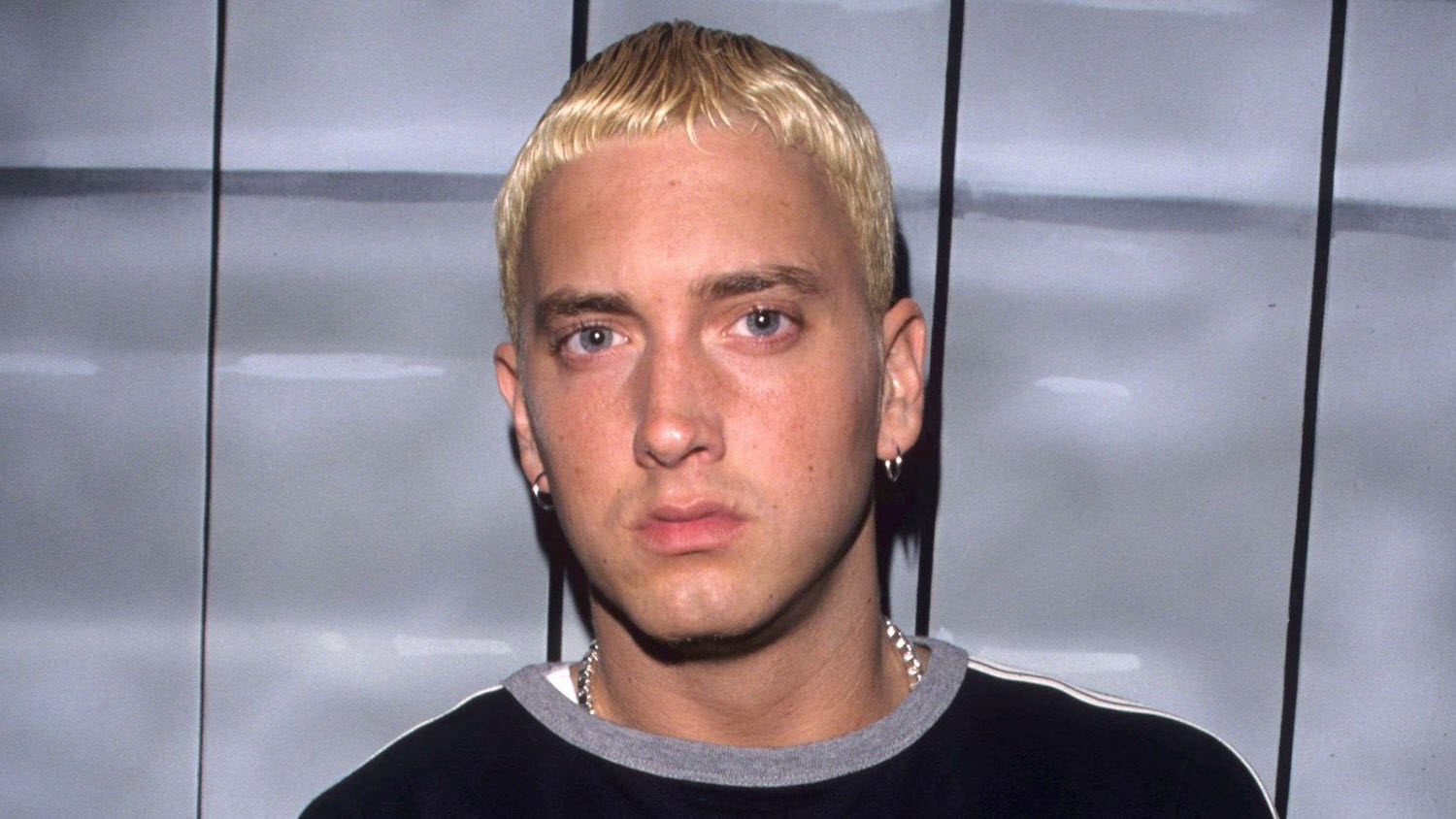
Eminem, the self-proclaimed “Rap God,” has taken the music world by storm since his debut in the late ’90s. With razor-sharp lyrics, a unique flow, and an ability to connect with listeners on a deeply personal level, he has crafted a legacy that few can rival. Over the years, Eminem has released a plethora of hits that not only topped charts but also resonated with fans across the globe. From his raw, confessional tracks to his playful, tongue-in-cheek anthems, his discography is a treasure trove of musical genius.
In this article, we delve into the top 10 most popular Eminem songs of all time, exploring the stories behind the tracks, the themes that define his artistry, and the cultural impact he has made. Whether you’re a die-hard fan or a casual listener, these songs showcase why Eminem remains one of the most influential figures in hip-hop history. Get ready to revisit the tracks that shaped a generation and continue to inspire new artists today. Buckle up as we take you on a lyrical journey through the highs and lows of Eminem’s illustrious career!
1. Lose Yourself (2002)
“Lose Yourself” is an unforgettable anthem that encapsulates the struggle, drive, and determination needed to seize life’s fleeting opportunities. Featured in the film 8 Mile, this song became the rallying cry for anyone chasing a dream, particularly those in the roughest of circumstances. The pulsating beat, combined with Eminem’s intense delivery, creates a sense of urgency that propels the listener forward, urging them to “lose yourself in the music.” His words resonate deeply as he details the inner conflict of an aspiring artist caught between self-doubt and the hunger for success. With lyrics like “Success is my only option, failure’s not,” Eminem taps into the universal struggle of perseverance and the consequences of hesitation. The raw, gritty energy in his voice further amplifies the song’s message of not letting chances slip away. Beyond the music’s driving force, “Lose Yourself” is an introspective journey through the highs and lows of ambition. It speaks to anyone who has ever fought for something bigger than themselves, whether in music, sports, or personal goals. The song’s cultural impact is undeniable, having become a staple in sports arenas, workout playlists, and motivational moments. In fact, its acclaim reached such heights that it earned Eminem the Academy Award for Best Original Song, making him the first hip-hop artist to win that honor. “Lose Yourself” is more than just a song—it’s a manifesto of seizing the moment and pushing through adversity. It solidified Eminem’s place in music history, showcasing his ability to craft an anthem that resonates with people across the globe.
2. Stan (2000)
Released in 2000, “Stan” is one of Eminem’s most haunting and compelling songs, marking a powerful exploration of obsession, fame, and mental health. The song tells the story of a fan named Stan, whose idolization of Eminem spirals into destructive behavior. Through a series of increasingly desperate letters, Stan’s mental state deteriorates as he becomes fixated on the idea that he and Eminem share a special connection. Eminem’s storytelling in “Stan” is masterful, as he paints a chilling portrait of a fan who feels abandoned and betrayed by the artist he admires. The song’s narrative is not only a commentary on the dangers of idolization but also explores the pressures of fame and the emotional toll it takes on both the artist and the fan. The memorable chorus, sung by Dido, complements the song’s dark themes, adding an ethereal layer to the sense of tragic obsession. “Stan” dives deep into the complexities of fame, the isolation it can cause, and the consequences of being unable to live up to fans’ unrealistic expectations. Eminem’s portrayal of the fan’s escalating despair and anger is raw and visceral, and the lyrics are filled with layers of emotion, from the excitement of receiving a letter from a fan to the eventual horror of realizing the fan’s actions. “Stan” doesn’t just engage with the public’s fascination with celebrity; it confronts the dark side of fame, offering a sobering look at the consequences of obsession. The song’s cultural impact was profound, and it remains a landmark moment in hip-hop, praised for its innovative storytelling and emotional depth.
3. Without Me (2002)
“Without Me” is an energetic, playful track that sees Eminem reclaiming his throne at the forefront of hip-hop with unmatched wit and confidence. Released in 2002, the song is a triumphant return after a brief hiatus, and it’s filled with Eminem’s signature humor, self-assuredness, and sharp social commentary. With its infectious beat and catchy hook, “Without Me” quickly became an anthem for anyone who was missing Eminem’s bold presence in the music industry. The track is a direct response to the critics and naysayers who doubted his impact, with Eminem humorously declaring that the rap game simply isn’t the same without him. His lyrics are packed with quick-fire wordplay and pop culture references, effortlessly shifting between lighthearted jokes and biting commentary. “Without Me” takes on the culture of celebrity and media attention, mocking the way the public and the press build up artists only to tear them down. The playful, almost cheeky nature of the track is in stark contrast to the deeper, more intense themes that run through many of Eminem’s other hits, showcasing his ability to blend humor with serious commentary. The song’s bouncy rhythm, energetic delivery, and memorable chorus make it an instant classic, but what truly stands out is Eminem’s skillful use of satire and self-awareness. He embraces the spotlight while also poking fun at the absurdity of fame, making “Without Me” a track that’s both fun and thought-provoking. The song was an immediate success, receiving critical acclaim for its creativity, and it remains a beloved favorite in Eminem’s extensive catalog.
4. Love the Way You Lie (2010)
“Love the Way You Lie” is a raw, emotional exploration of the complexities of abusive relationships, combining powerful vocals from Rihanna with Eminem’s hard-hitting verses. Released in 2010, the song struck a chord with listeners due to its honest portrayal of the toxic cycles of love and violence. Eminem’s verses offer a deeply personal look at the mindset of someone trapped in a destructive relationship, grappling with feelings of love, anger, and confusion. The song captures the internal conflict of both the abuser and the victim, showing how the lines between love and hate can become dangerously blurred. Rihanna’s haunting chorus, which echoes the contradictory emotions of the relationship, adds a layer of vulnerability and sadness to the song, emphasizing the emotional toll of such a dynamic. The stark contrast between Eminem’s intense, confessional delivery and Rihanna’s soulful refrain creates a powerful narrative that resonates with anyone who has experienced the chaos of a broken relationship. The song is more than just a love song; it’s a reflection on how sometimes love can be destructive, and how people often find themselves unable to break free from the emotional pull of toxic patterns. “Love the Way You Lie” sparked discussions about domestic violence and toxic relationships, shining a light on issues that are often difficult to talk about. The song’s massive success, both commercially and critically, proves that Eminem and Rihanna were able to tap into a universal theme, creating a track that resonated with listeners around the world. This collaboration highlighted Eminem’s ability to address serious issues through his music while still delivering a commercially successful and impactful hit.
5. The Real Slim Shady (2000)
Eminem’s “The Real Slim Shady” is a satirical, rebellious anthem that boldly challenges societal norms and the expectations placed on public figures. Released in 2000, the song solidified Eminem’s place as one of hip-hop’s most influential and controversial figures. The track is a playful yet biting critique of the music industry, pop culture, and the public’s obsession with celebrity. With its catchy hook and cheeky production, “The Real Slim Shady” presents Eminem as both a caricature of himself and a critic of the superficiality of fame. The song’s humor and satire are on full display as Eminem pokes fun at everything from his own public persona to the media’s obsession with controversy. The lyrics are filled with witty wordplay, absurd imagery, and clever references to pop culture, all of which highlight Eminem’s ability to blend comedy with serious commentary. But beyond the humor, “The Real Slim Shady” is a message of individuality and defiance. The chorus—“Will the real Slim Shady please stand up?”—calls for authenticity in a world full of copycats, urging listeners to embrace who they are rather than conform to societal expectations. The track’s upbeat, funky production makes it a party favorite, while its lyrics continue to challenge the status quo and encourage listeners to think critically about fame, identity, and the media. “The Real Slim Shady” stands as a landmark moment in Eminem’s career, highlighting his ability to push boundaries and make a statement while still delivering a commercially successful and endlessly quotable song.
6. Not Afraid (2010)
“Not Afraid” is a pivotal moment in Eminem’s career, serving as a declaration of strength, resilience, and personal triumph. Released in 2010, the song marks Eminem’s comeback after a period of personal struggle and professional setbacks. The lyrics are a powerful testament to his determination to rise above adversity, confronting his demons head-on and reclaiming control of his life. “I’m not afraid to take a stand,” Eminem boldly declares, channeling the struggles he’s faced with addiction, mental health, and public scrutiny. The song’s anthemic chorus is both empowering and cathartic, rallying listeners to find their own courage in the face of hardship. Eminem’s raw vulnerability is on full display, as he opens up about his battles with addiction and self-doubt, while also encouraging his fans to fight their own battles. This song resonates with anyone who has faced personal struggles, offering a message of hope and the strength to overcome life’s challenges. The production is energetic, with a stirring instrumental backdrop that amplifies the song’s uplifting message. “Not Afraid” is more than just a personal anthem for Eminem; it’s a universal call to action for anyone who has ever felt defeated. Its impact was immediate, reaching audiences worldwide and earning Eminem a Grammy for Best Rap Solo Performance. With its defiant tone and empowering message, “Not Afraid” became a rallying cry for those in search of motivation and strength, solidifying its place as one of Eminem’s most important songs.
7. Mockingbird (2004)
“Mockingbird” is an emotional and intimate track that offers a glimpse into Eminem’s personal life, specifically his relationship with his daughter, Hailie. Released in 2004, the song is a heartfelt letter to Hailie, expressing his love and devotion to her despite the difficulties they’ve faced. The song’s poignant lyrics reflect Eminem’s desire to protect his daughter from the tumultuous world he navigates as a celebrity, while also acknowledging the pain and struggles they’ve endured as a family. “Mockingbird” is a rare, vulnerable moment in Eminem’s catalog, showcasing his capacity for tenderness and fatherly love. The lyrics convey a sense of guilt and regret, as Eminem reflects on the brokenness of his relationship with his ex-wife, Kim, and the impact it had on their daughter. Yet, the song also serves as a promise to Hailie that no matter the hardships, he will always be there for her. The production is simple and emotive, featuring a soft piano melody that complements the heartfelt tone of the song. Eminem’s delivery is deeply personal, with each word laced with genuine emotion. “Mockingbird” stands out in Eminem’s discography not just for its emotional depth, but for its vulnerability and raw honesty. It offers a powerful message about the importance of family and the lengths a parent will go to protect their child. For fans who have followed Eminem’s journey, “Mockingbird” is a touching reminder of his humanity and love for his daughter, making it one of his most beloved tracks.
8. When I’m Gone (2005)
“When I’m Gone” is a deeply introspective song where Eminem grapples with the emotional weight of his career and the toll it takes on his family life. Released in 2005, the track delves into the conflict between his professional ambitions and his responsibilities as a father. The song’s lyrics express Eminem’s guilt over his absence from his daughter Hailie’s life due to his demanding career, and his fear that his fame might ultimately alienate those he loves most. “When I’m Gone” is a reflection on the sacrifices of stardom and the emotional strain that comes with juggling family life and a public persona. The haunting melody and somber tone of the track perfectly complement the feelings of regret and longing expressed in the lyrics. Eminem’s delivery is raw and vulnerable, making it one of his most emotional tracks. He paints a vivid picture of the pain he feels when thinking about his daughter growing up without him by her side, and the fears of being remembered more for his celebrity than for being a father. The song’s reflective nature makes it relatable for anyone who has struggled with the balance between personal aspirations and the desire to be present for their loved ones. “When I’m Gone” is a testament to Eminem’s ability to explore complex emotions and tackle deep, personal issues with honesty. It remains one of his most relatable tracks, resonating with listeners who understand the difficulty of balancing work and family commitments.
9. Cleanin’ Out My Closet (2002)
“Cleanin’ Out My Closet” is a cathartic and intense track that sees Eminem confronting the painful, unresolved issues of his past. Released in 2002, the song is a raw, unfiltered expression of the anger and frustration he feels toward his mother, Debbie Mathers, with whom he has a tumultuous relationship. The song’s lyrics are an emotional purging, as Eminem opens up about the deep-seated resentment he holds for his mother’s actions and the way she raised him. “I’m sorry, Mama, I never meant to hurt you,” he says, but the rest of the song paints a much darker picture, with Eminem accusing her of neglect and manipulation. The track is an unflinching look at the struggles of growing up in a dysfunctional household, and it’s filled with the pain of betrayal and broken trust. The production is hard-hitting, with a somber piano riff that enhances the gravity of the lyrics. Eminem’s delivery is full of passion and aggression, as he channels years of unresolved anger into each verse. “Cleanin’ Out My Closet” is one of Eminem’s most personal and controversial songs, offering an honest look at the impact of family dysfunction and the emotional scars it leaves. The song is also a reflection of Eminem’s complex relationship with fame, as he takes aim at the media’s portrayal of his family struggles and his need to speak his truth. Despite its intense and often painful content, “Cleanin’ Out My Closet” remains a powerful and important track in Eminem’s catalog, showcasing his ability to turn personal trauma into art.
10. Rap God (2013)
“Rap God” is an astonishing display of Eminem’s technical prowess and lyrical mastery. Released in 2013, the song is a high-speed barrage of verses that demonstrate his unparalleled ability to rhyme and deliver intricate wordplay at lightning speed. The track is a celebration of Eminem’s place in the rap game, asserting his dominance as one of the greatest lyricists of all time. With rapid-fire verses that cover everything from his rise to fame to his impact on the hip-hop industry, “Rap God” is a self-assured, confident track that showcases Eminem’s technical skill and unmatched flow. The song’s production is fast-paced and energetic, perfectly complementing the intensity of the lyrics. Eminem’s ability to maintain clarity and precision while rapping at such high speeds is nothing short of mind-blowing, and the song became an instant sensation for hip-hop fans. “Rap God” also serves as a commentary on the evolution of hip-hop, as Eminem references the genre’s history and his role in shaping its modern sound. The track’s ambitious scope and complex rhyme schemes highlight Eminem’s status as a true master of the craft, capable of pushing the boundaries of what’s possible in rap. The song also became a cultural moment, with fans and critics alike marveling at Eminem’s talent and speed. “Rap God” is not just a song; it’s a testament to Eminem’s enduring legacy in the world of hip-hop and his ability to continually evolve and impress. With its mind-blowing technicality and undeniable confidence, “Rap God” is a track that will be remembered as one of Eminem’s defining moments in music.

Edward Tomlin is a frequent contributor to Singers Room. Since 2005, Singersroom has been the voice of R&B around the world. Connect with us via social media below.