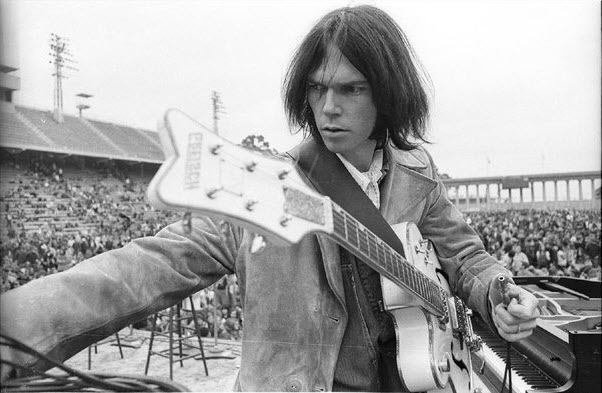
Neil Young is a living legend—a masterful storyteller and prolific artist whose music has shaped generations. With a career spanning over five decades, he’s become one of the most influential voices in rock, folk, and grunge. Known for his raw, emotional vocals, poetic lyrics, and unmistakable guitar work, Young’s catalog is as vast as it is timeless. From tender acoustic ballads to fiery rock anthems, his songs capture the human experience in all its beauty, pain, and complexity. Whether he’s reflecting on love, railing against social injustice, or exploring his own vulnerabilities, Neil Young’s music resonates deeply with listeners across the globe.
In this article, we’ll dive into the top 10 most popular Neil Young songs of all time—tracks that have defined his career and cemented his place as a music icon. These aren’t just songs; they’re cultural touchstones, moments of brilliance that showcase Young’s unmatched ability to connect with audiences on a profound level. Whether you’re a lifelong fan or discovering his music for the first time, this list is a journey through some of the most powerful and enduring songs ever written. So, grab your headphones and prepare to immerse yourself in the genius of Neil Young. Let’s rock!
1. Heart of Gold (1972)
Released as part of Harvest, Neil Young’s most commercially successful album, “Heart of Gold” is a timeless folk-rock anthem that captures the essence of searching for truth and purity in a world full of confusion. With Young’s plaintive vocals, the song is defined by its haunting harmonica, soothing acoustic guitar, and rich emotional depth. This song became Young’s only single to hit No. 1 on the Billboard Hot 100, marking a major milestone in his career. The track features backing vocals from James Taylor and Linda Ronstadt, adding layers of warmth and harmony that perfectly complement the song’s reflective lyrics. “Heart of Gold” delves into universal themes of longing for something genuine and meaningful, offering a glimpse of vulnerability and introspection. It’s a song that resonates on a deeply emotional level, standing as a defining moment in Young’s storied career. Even decades after its release, “Heart of Gold” continues to be a beloved classic, showcasing Neil Young’s ability to create music that touches the heart and stands the test of time.
2. Old Man (1972)
“Old Man” is another poignant gem from Harvest, and it showcases Neil Young’s knack for creating intimate, reflective ballads. Inspired by Young’s relationship with a caretaker at his Broken Arrow Ranch, this song beautifully captures the passage of time and the common threads that connect generations. The lyrics juxtapose Young’s youthful spirit with the wisdom and solitude of an older man, creating an emotional bridge between the two. With its gentle instrumentation, including delicate banjo, soft percussion, and backing vocals from James Taylor and Linda Ronstadt, the song evokes feelings of nostalgia and empathy. “Old Man” is a subtle yet powerful meditation on aging, offering a tender exploration of the similarities and differences between the young and the old. The melody, while simple, is hauntingly effective, and Young’s voice carries the weight of the song’s themes with tenderness and grace. It remains one of Young’s most enduring songs, a piece that resonates with listeners across generations, offering a timeless reflection on life’s inevitable journey.
3. Rockin’ in the Free World (1989)
“Rockin’ in the Free World,” featured on Freedom, is an electrifying anthem that captures Neil Young’s frustration with the political and social climate of the late 1980s. With its fiery guitar riff, the song exudes raw energy and rebellious spirit, making it one of Young’s most powerful rock tracks. Lyrically, the song critiques global inequality, environmental neglect, and homelessness, touching on the darker side of Western capitalism. Its recurring chorus serves both as a defiant rallying cry and a bitterly ironic refrain, capturing the sense of disillusionment that was prevalent at the time. Despite being over three decades old, “Rockin’ in the Free World” remains incredibly relevant, with its themes of societal struggles and inequality still resonating with listeners today. The song’s bold, unapologetic tone solidified Neil Young’s reputation as an artist unafraid to speak out on important issues. It stands as a defining anthem of protest, capturing the spirit of activism and the fight for social justice in a rapidly changing world.
4. Harvest Moon (1992)
“Harvest Moon,” released nearly two decades after Young’s seminal Harvest album, is a gentle, nostalgic love song that evokes the beauty and tranquility of autumn. With its shimmering acoustic guitar, soft percussion, and tender lyrics, the song creates an almost magical atmosphere, one that captures the essence of enduring love and growing older gracefully. The track has a soothing, serene quality that feels like a reflection on the passage of time and the memories that come with it. Young’s voice, imbued with warmth and a sense of comfort, brings a sense of peace to the listener, offering a contrast to the more youthful energy of his earlier work. Often regarded as a spiritual successor to Harvest, “Harvest Moon” embodies the same kind of intimate, heartfelt music that made the earlier album such a defining moment in Young’s career. It’s a song that speaks to the soul, resonating with listeners of all ages and offering a comforting reminder of love, nature, and the enduring beauty of life.
5. Cinnamon Girl (1969)
One of the standout tracks from Neil Young’s groundbreaking Everybody Knows This Is Nowhere album, “Cinnamon Girl” introduced the world to his iconic partnership with Crazy Horse. This gritty, riff-heavy rock song is fueled by an infectious groove and raw energy, becoming an anthem for late ’60s rock fans. The song’s driving guitar riffs and straightforward, enigmatic lyrics give it an almost primal feel, capturing the essence of youthful desire and restless energy. With Crazy Horse’s raw, untamed sound backing Young’s emotive vocals, “Cinnamon Girl” is a perfect example of the synergy between the two. The song remains a fan favorite and a staple of Young’s live performances, with its unforgettable melody and infectious rhythm. Its simple yet evocative lyrics, coupled with the unforgettable guitar work, make it one of Young’s most enduring tracks. “Cinnamon Girl” is a timeless rock classic, and its influence on rock music can still be felt today, as it epitomizes the unfiltered, rebellious spirit of the late ’60s and early ’70s rock scene.
6. Southern Man (1970)
“Southern Man” from After the Gold Rush is a searing, politically charged protest song that tackles issues of racial inequality and injustice in the American South. With its fiery guitar solos and impassioned lyrics, the song is a bold call for change. Neil Young confronts the painful history of the South’s racism head-on, demanding accountability for its continued legacy of discrimination. The intensity of the song’s message, coupled with its raw, emotionally charged performance, made “Southern Man” one of Young’s most controversial songs, sparking both praise and criticism. One of the most notable responses came from Lynyrd Skynyrd, who famously penned “Sweet Home Alabama” as a rebuttal to “Southern Man,” adding a layer of cultural tension to the song’s legacy. Despite the controversy, “Southern Man” is a courageous and uncompromising statement that solidified Young’s commitment to using his music as a platform for social justice. The song’s directness and power make it a timeless anthem for those fighting against racism and inequality, standing as a testament to Neil Young’s fearless artistic vision.
7. The Needle and the Damage Done (1972)
One of Neil Young’s most haunting and powerful songs, “The Needle and the Damage Done” is a stark and emotional commentary on the devastating impact of drug addiction. Written during a time when Young witnessed firsthand the struggles of friends and fellow musicians succumbing to heroin addiction, the song reflects the tragic consequences of substance abuse. With only Young’s voice and acoustic guitar, the song is stripped down to its rawest form, emphasizing its emotional weight. The simplicity of the arrangement heightens the song’s impact, allowing Young’s voice to carry the full force of the lyrics. “The Needle and the Damage Done” is a heartbreaking reflection on the fragility of life and the destructive power of addiction. It serves as both a lament and a warning, offering a poignant reminder of the pain and loss caused by drugs. This song remains one of Young’s most moving and enduring pieces, its quiet intensity making it a standout in his catalog.
8. Like a Hurricane (1977)
“Like a Hurricane” is a sprawling, epic rock anthem that showcases Neil Young’s mastery of the electric guitar. From American Stars ‘n Bars, this song delivers a whirlwind of sonic energy, with soaring guitar solos and an emotionally charged performance. The song captures the intensity of love and desire, with Young’s powerful vocals and Crazy Horse’s driving rhythm section creating a storm of sound that pulls listeners in. “Like a Hurricane” is one of Young’s most passionate and forceful songs, demonstrating his ability to channel raw emotion into music that feels like an overwhelming force. The track’s explosive energy and fiery guitar work have made it a fan favorite, and it remains a standout in Young’s extensive catalog. It’s a perfect example of his unique ability to combine musical virtuosity with emotional depth, creating a track that is both technically impressive and emotionally resonant.
9. Hey Hey, My My (Into the Black) (1979)
From Rust Never Sleeps, “Hey Hey, My My (Into the Black)” is an anthemic rock song that encapsulates Neil Young’s philosophy on the fleeting nature of fame and the power of rock ’n’ roll. With its famous line, “It’s better to burn out than to fade away,” the song became a rallying cry for a generation of musicians and fans. The track’s heavy guitar riffs and gritty vocals capture the defiance and spirit of rock music, while its reflection on the inevitability of change adds a layer of depth. “Hey Hey, My My” stands as a testament to Young’s influence on the grunge movement, prefiguring the raw, unpolished sound that would dominate the genre in the years to come. The song’s unflinching attitude and bold statement make it one of Young’s most iconic works, and its legacy continues to inspire musicians to embrace the power of music as a vehicle for personal expression.
10. Ohio (1970)
Released as a single with Crosby, Stills, Nash & Young, “Ohio” is a raw and immediate response to the Kent State shootings, where four students were killed by the National Guard during a protest against the Vietnam War. Written and recorded in a matter of days, the song’s urgent lyrics and somber tone captured the outrage and grief of a nation. Its chilling refrain, “Four dead in Ohio,” serves as a haunting reminder of the cost of political unrest. “Ohio” is a powerful example of music as a vehicle for protest and remains a defining moment in Young’s career.

Samuel Moore is a frequent contributor to Singers Room. Since 2005, Singersroom has been the voice of R&B around the world. Connect with us via social media below.









