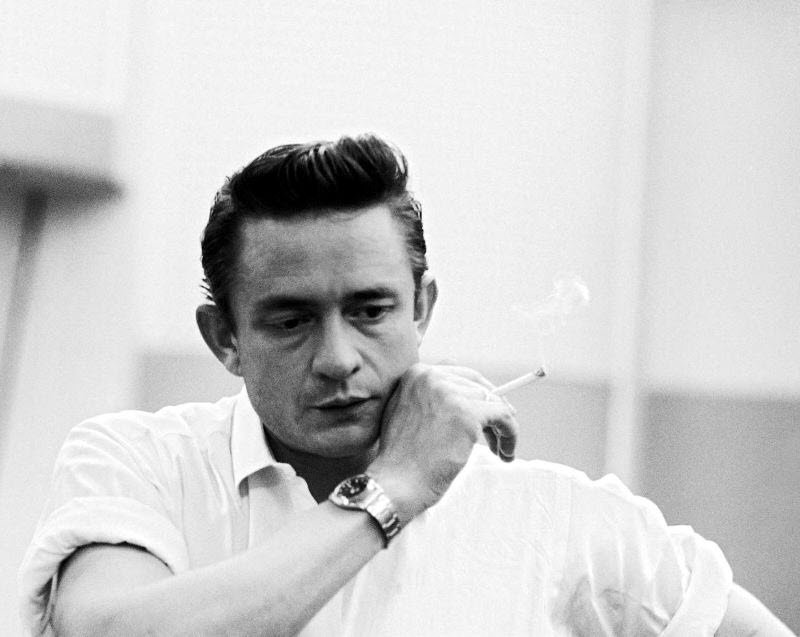
Few artists in music history have ever captured the raw emotion, timeless storytelling, and rebel spirit quite like Johnny Cash. Known as “The Man in Black,” Cash’s deep, resonant voice and unflinching honesty allowed him to transcend genres, touching hearts and breaking boundaries in country, rock, folk, and gospel. Over a career that spanned nearly five decades, he gave the world countless unforgettable songs—each one a window into his soul and a testament to the struggles, triumphs, and redemption that defined his life. From prison ballads to heartfelt love songs, from playful duets to haunting reflections on mortality, Johnny Cash’s music resonates just as powerfully today as it did when it first hit the airwaves.
In this article, we’ll take a journey through the ten most iconic Johnny Cash songs of all time—tracks that showcase his unparalleled talent for storytelling and his ability to connect with listeners on a deeply personal level. These aren’t just songs; they’re pieces of history, each one carrying the weight of Cash’s legacy and the universality of human experience. Whether you’re a lifelong fan or just discovering his genius, this list will remind you why Johnny Cash remains one of the most influential artists of all time.
1. I Walk the Line (1956)
“I Walk the Line” stands as one of Johnny Cash’s most iconic songs, a track that not only launched his career into stardom but also redefined country music. Released in 1956, this timeless classic is both simple and profound, featuring Cash’s signature “boom-chicka-boom” guitar rhythm that builds a sense of tension and resolve. The song’s unique structure, with key changes between verses, adds to its hypnotic quality, and Cash’s humming before each verse—a technique to keep himself on pitch—was groundbreaking at the time. Lyrically, “I Walk the Line” is a heartfelt pledge of loyalty and love to his then-wife Vivian, resonating with audiences for its raw honesty. Its innovative approach and emotional depth turned it into an instant classic, cementing Johnny Cash as a trailblazer in the country music scene.
2. Ring of Fire (1963)
Few songs capture the intensity of love quite like “Ring of Fire.” Released in 1963, this fiery anthem was co-written by June Carter and Merle Kilgore, and its bold mariachi-inspired arrangement—complete with triumphant horns—set it apart from other country songs of the time. The lyrics liken the consuming power of love to a “burning ring of fire,” a metaphor that struck a chord with listeners. Despite initial skepticism from others, Cash insisted on the brass section, a gamble that paid off spectacularly. The song soared to the top of the country charts and crossed over into mainstream pop success, becoming one of Cash’s most enduring hits. A passionate ode to love and desire, “Ring of Fire” remains synonymous with Cash’s larger-than-life persona and his deep connection to June Carter.
3. Folsom Prison Blues (1955)
“Folsom Prison Blues,” released in 1955, remains one of Johnny Cash’s most gripping songs. Inspired by a documentary about life in prison, the song tells the story of an inmate reflecting on his crime and lost freedom. The chilling line, “I shot a man in Reno, just to watch him die,” captures Cash’s knack for vivid storytelling and gives the song a haunting edge. Musically, it blends blues and country to create a sound that mirrors the remorse and grit of its narrator. While it was a hit upon release, the song achieved legendary status after Cash’s live performance at Folsom Prison in 1968. That performance, filled with raw energy and palpable emotion, immortalized the track as a cornerstone of Cash’s career and a defining moment in country music history.
4. Man in Black (1971)
“Man in Black,” released in 1971, is more than just a song; it’s a mission statement. In this powerful track, Johnny Cash explains the reasoning behind his iconic black wardrobe, symbolizing mourning for the poor, the forgotten, and the oppressed. The lyrics are straightforward yet deeply impactful, reflecting Cash’s evolving social conscience and his commitment to speaking out against injustice, poverty, and war. The somber tone of the song underscores its poignant message, offering listeners a glimpse into Cash’s heart and his empathy for those struggling in society. “Man in Black” isn’t just a song—it’s a declaration of purpose, showing Cash’s unwavering dedication to using his platform for greater good and cementing his reputation as a champion for the underdog.
5. Hurt (2002)
When Johnny Cash covered Nine Inch Nails’ “Hurt” in 2002, he transformed it into a devastatingly raw and personal farewell. Stripping the song down to its emotional core, Cash’s weathered voice and the sparse arrangement turned the lyrics into a heart-wrenching meditation on regret, mortality, and redemption. The accompanying music video, featuring poignant footage of Cash’s life and career, elevated the song to cultural phenomenon status. Trent Reznor, the original songwriter, famously admitted that Cash’s rendition made it feel like “it’s not mine anymore.” “Hurt” became one of Cash’s final triumphs, introducing him to a new generation of fans while solidifying his legacy as a masterful storyteller capable of infusing profound emotion into every note.
6. A Boy Named Sue (1969)
Johnny Cash’s “A Boy Named Sue” is a standout in his discography, blending humor, wit, and storytelling into an unforgettable hit. Written by Shel Silverstein and released in 1969, the song tells the tale of a man who grew up tough because of the ridicule he endured from being named “Sue.” The story takes a comedic turn when he confronts his absentee father, leading to a hilariously heartfelt resolution. Performed live at San Quentin Prison, the song’s humorous lyrics and Cash’s playful delivery had the crowd erupting in laughter and applause. The track became an instant hit, earning Cash a Grammy and proving his versatility as an artist. “A Boy Named Sue” remains a fan favorite for its clever narrative and Cash’s charismatic performance.
7. Sunday Morning Coming Down (1970)
“Sunday Morning Coming Down,” written by Kris Kristofferson and released by Johnny Cash in 1970, captures the profound emptiness of a hungover Sunday morning. With vivid imagery and heartfelt lyrics, the song paints a picture of a man wrestling with loneliness and existential despair. Cash’s deep, weary voice adds authenticity to the track, making every word resonate with the listener. The slow, reflective tempo mirrors the lethargy of a morning spent in quiet contemplation. The song struck a universal chord, earning widespread acclaim and the CMA Song of the Year award. Its unflinching honesty and relatable themes make “Sunday Morning Coming Down” one of Cash’s most emotionally powerful performances.
8. Jackson (1967)
“Jackson,” released in 1967, is a spirited duet that showcases the undeniable chemistry between Johnny Cash and June Carter. The song follows a couple whose once-passionate relationship has grown stale, leading them to seek excitement in the titular town of Jackson. The playful banter between Cash and Carter, delivered with humor and sass, makes the song irresistible. Its upbeat tempo and catchy melody amplify its charm, while the lyrics celebrate the complexities of love and marriage. “Jackson” became a signature duet for the pair, earning them a Grammy for Best Country & Western Performance and solidifying their status as country music’s golden couple.
9. Get Rhythm (1956)
“Get Rhythm,” released in 1956 as the B-side to “I Walk the Line,” is a joyous celebration of optimism. The song tells the story of a shoeshine boy who uses rhythm and music to find happiness, even in tough circumstances. Its infectious energy, quick tempo, and Cash’s lively delivery make it a toe-tapping anthem of positivity. Though it was initially overshadowed by its A-side, “Get Rhythm” became a fan favorite, showcasing Cash’s rockabilly roots and his ability to turn simple stories into timeless tracks. Its enduring appeal is a testament to the universal power of music and rhythm to uplift the spirit.
10. Cry! Cry! Cry! (1955)
“Cry! Cry! Cry!” marked the beginning of Johnny Cash’s legendary career. Released in 1955, it became his first major hit, introducing audiences to his signature blend of country and rockabilly. The song tells the story of a man warning an unfaithful lover of the heartbreak she’ll eventually face, resonating with listeners for its relatable theme. With its catchy melody and Cash’s heartfelt vocal delivery, “Cry! Cry! Cry!” laid the foundation for his future successes. This early track showcases Cash’s storytelling talent and emotional depth, setting the stage for a career that would redefine country music.

Samuel Moore is a frequent contributor to Singers Room. Since 2005, Singersroom has been the voice of R&B around the world. Connect with us via social media below.









