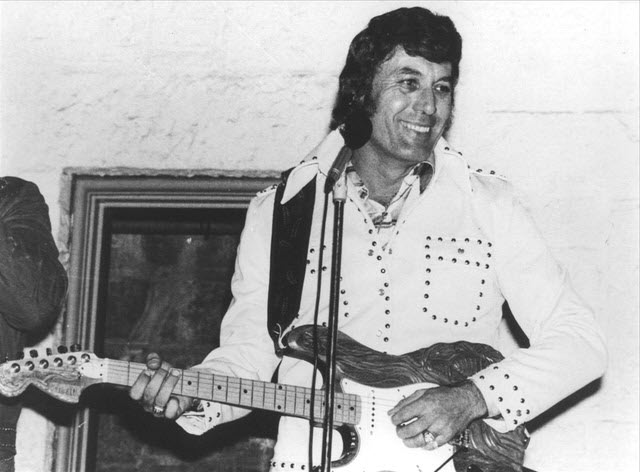
Carl Perkins, the pioneer of rockabilly, forever changed the landscape of American music with his infectious melodies and electrifying rhythms. Born in 1932, Perkins blended country and rhythm and blues to create a sound that not only defined a genre but also influenced countless artists across generations. His groundbreaking single, “Blue Suede Shoes,” became a cultural phenomenon, solidifying his place in music history. But Perkins’ genius didn’t stop there; his discography is filled with gems that showcase his songwriting prowess and distinctive guitar style.
In this article, we delve into the top 10 most popular Carl Perkins songs of all time, celebrating the tracks that captured the hearts of fans and inspired fellow musicians. From heartfelt ballads to toe-tapping hits, each song tells a story of love, heartache, and the spirit of rock ‘n’ roll. Whether you’re a long-time fan or new to Perkins’ music, prepare to be dazzled by the timeless appeal of his work. Join us as we explore the enduring legacy of a true musical legend whose influence can still be felt today. Let the countdown begin!
1. Blue Suede Shoes
“Blue Suede Shoes” is arguably Carl Perkins’ most iconic track, and it played a key role in shaping the sound of rockabilly music. Released in 1956, this fast-paced anthem captures the rebellious spirit of youth with its catchy rhythm and infectious energy. The song’s narrative centers around a man who fiercely defends his prized possession—his blue suede shoes—symbolizing both self-expression and individuality in a world that often tries to conform people. The rebellious message of the song, paired with the driving rhythm and bold guitar riffs, instantly resonated with listeners. It not only found success on the rock charts but also crossed over to country audiences, highlighting Perkins’ ability to bridge different musical worlds.
The track’s widespread appeal was solidified when Elvis Presley, one of the most influential figures in rock and roll history, covered it shortly after its release. Presley’s version introduced “Blue Suede Shoes” to an even larger audience, cementing its place as one of the most beloved rock and roll songs of all time. Carl Perkins’ raw, passionate delivery, combined with his innovative use of guitar, made “Blue Suede Shoes” a timeless classic that would influence countless musicians in the years to come. It’s a song that remains an anthem for individuality, self-respect, and the joyful chaos of youth, its energy and optimism as relevant today as it was in the 1950s. The unique combination of rock, country, and rhythm and blues elements in “Blue Suede Shoes” makes it a genre-defining track, capturing the spirit of the era and Perkins’ enduring legacy in the world of music.
2. Honey Don’t (1956)
Released in 1956, “Honey Don’t” showcases Carl Perkins’ ability to blend upbeat rockabilly rhythms with heartfelt emotion. The song tells the story of a man who’s feeling the sting of a love slipping away, and it’s brimming with Perkins’ signature twangy guitar riffs and lively tempo. While the song’s lyrics are playful, they also strike a chord with anyone who’s ever experienced the ups and downs of romance. The cheeky tone of the song, with its charming narrative of a love that’s losing its spark, is delivered with infectious energy that makes it an irresistible hit.
What makes “Honey Don’t” stand out is the way Perkins uses his guitar to complement the emotional ups and downs of the song. His guitar work is sharp, almost playful, and it’s paired perfectly with his light-hearted vocal delivery, which adds an extra layer of fun to the track. The chorus is catchy, creating an immediate sing-along atmosphere, while Perkins’ performance adds a layer of sincerity that makes the song resonate with listeners on a deeper level. The interplay between the lively tempo and the tongue-in-cheek lyrics offers a snapshot of the era’s musical innovation, blending heartfelt emotion with playful humor.
This track continues to be one of Perkins’ most loved songs, as it captures the joy of rockabilly music while still tapping into the universal themes of love, longing, and the bittersweet side of relationships. “Honey Don’t” was more than just a catchy tune—it was an exploration of the complexities of romance, encapsulated in a fun, energetic package. It’s a classic example of Perkins’ ability to weave together musical styles and emotional depth, creating a song that continues to resonate decades after its release.
3. Boppin’ the Blues (1956)
“Boppin’ the Blues” is a spirited track that fuses rockabilly with rhythm and blues, giving it an infectious energy that’s hard to resist. Released in 1956, this song finds Carl Perkins at his best, showing off his incredible guitar skills while delivering a fun, upbeat narrative about the joy of music and movement. The track perfectly captures the celebratory vibe of the 1950s music scene, where rock and roll, blues, and rhythm and blues were beginning to intersect and influence one another in exciting new ways.
The song’s quick tempo and lively beat are complemented by Perkins’ energetic vocal delivery, making it a natural choice for dancing. The lyrics themselves are all about the pure joy of bopping to the blues, with Perkins expressing his enthusiasm for the rhythm that makes people move. The guitar solos are sharp and playful, showcasing Perkins’ skill and his ability to use his instrument to elevate the mood of the song. “Boppin’ the Blues” captures the essence of the 1950s rock scene, where the lines between genres were often blurred, creating a sound that was both innovative and universally appealing.
This track is a testament to Perkins’ incredible stage presence and musical talents, as it reflects the high-energy atmosphere of the era’s live shows. It’s easy to imagine the crowds swaying and dancing along to the infectious beat, and even today, “Boppin’ the Blues” remains a favorite at live performances. Its upbeat tempo, catchy melody, and dynamic rhythm make it one of the standout songs in Perkins’ repertoire, and its enduring popularity speaks to the timeless appeal of the rock and roll genre.
4. Matchbox (1957)
Released in 1957, “Matchbox” is a classic Carl Perkins track that showcases his talent for crafting songs with memorable melodies and clever lyrics. The song tells the story of a man whose heart is broken after losing the love of his life, and it highlights Perkins’ ability to blend emotion with catchy, upbeat rhythms. With its bluesy rockabilly style, “Matchbox” stands as a powerful example of Perkins’ songwriting prowess, and it quickly became one of his most enduring hits.
The song’s narrative is simple yet poignant, detailing the ache of unrequited love. Perkins sings about the loneliness that comes with a broken heart, but his delivery is far from somber. The catchy rhythm and upbeat tempo inject the song with energy, making it a perfect example of how rockabilly could convey deep emotion while still keeping a lively spirit. Perkins’ vocal performance is expressive, adding layers of emotion to the story, while his guitar work drives the track forward, giving it a signature rockabilly flavor that made it a fan favorite.
“Matchbox” stands out because of its ability to mix the personal with the universal. The song’s relatable theme of heartbreak and longing speaks to listeners of all ages and backgrounds, while its upbeat rhythm and playful melody keep it from becoming too heavy. This balance of emotion and energy is part of what makes “Matchbox” such an enduring classic. Over the years, the song has been covered by numerous artists, each bringing their own style to it, but Perkins’ original version remains the definitive take, showcasing his exceptional talent and his knack for creating music that resonates on both an emotional and energetic level.
5. Dixie Bop (1956)
“Dixie Bop” is a lively and energetic track that exemplifies Carl Perkins’ signature rockabilly style, and it’s a perfect representation of the carefree, celebratory spirit of the 1950s. Released in 1956, the song’s upbeat tempo and infectious melodies draw listeners in and invite them to dance. “Dixie Bop” is the kind of song that gets people moving, and it showcases Perkins’ ability to create music that reflects the joy of the era. The lyrics are light-hearted and fun, celebrating the pleasures of dancing and having a good time with friends.
Perkins’ guitar work shines on “Dixie Bop,” with crisp, twangy riffs that define the song’s energetic vibe. The driving rhythm and playful melody create an atmosphere that’s both lively and inviting, making it the kind of track that’s perfect for a night out or a party. The lyrics themselves are full of joy and celebration, capturing the essence of rockabilly’s ability to bring people together and make them feel free. Whether it’s the catchy chorus or the exuberant instrumental breaks, “Dixie Bop” captures the spirit of an era where music was all about having fun and letting loose.
As a quintessential example of rockabilly, “Dixie Bop” offers a glimpse into the vibrant culture of the 1950s music scene, where the fusion of country, rhythm and blues, and rock and roll created an energetic new sound. The song is a timeless reminder of how music can bring joy and a sense of freedom to people’s lives, and it remains one of Carl Perkins’ most beloved tracks. With its upbeat tempo, catchy melody, and infectious energy, “Dixie Bop” continues to be a fan favorite, evoking the carefree spirit of a bygone era while still being able to get listeners moving.
6. Everybody’s Trying to Be My Baby (1956)
“Everybody’s Trying to Be My Baby” is one of Carl Perkins’ most lively and fun tracks, released in 1956. This rockabilly gem showcases his playful side and ability to craft songs with infectious energy and catchy rhythms. The song’s theme revolves around the attention the singer receives from admirers, and the lively, flirtatious lyrics reflect the playful attitude of youth. Perkins delivers the song with his signature twangy guitar and a carefree vocal style, which perfectly complements the cheeky nature of the track.
The upbeat tempo and rhythmic drive make “Everybody’s Trying to Be My Baby” the perfect tune for dancing, with its lively guitar solos and bouncy bass lines inviting listeners to get up and move. Perkins’ vocal delivery is as charming as it is energetic, adding to the lighthearted fun of the song. The chorus, with its repeated refrain of “Everybody’s trying to be my baby,” becomes a catchy anthem for anyone who’s ever been the object of attention, whether for their looks or their charm.
What stands out about “Everybody’s Trying to Be My Baby” is its playful tone, which balances well with the upbeat tempo and infectious rhythm. The track is a great example of how rockabilly could combine simple, catchy lyrics with a high-energy performance that feels effortless yet exciting. It is a quintessential song of the 1950s rockabilly movement, a time when music was all about fun, freedom, and expression. This song remains a fan favorite, not only for its catchy rhythm but also for its energetic and whimsical spirit that invites listeners to embrace the carefree joy of youth.
Despite being released in the mid-1950s, “Everybody’s Trying to Be My Baby” still resonates with listeners today, capturing the essence of rockabilly’s fun-loving attitude. It’s a track that encourages everyone to dance, laugh, and enjoy the moment—a timeless reminder of the carefree days of youth.
7. Your True Love (1957)
Released in 1957, “Your True Love” is a heartfelt ballad that reveals a more tender side of Carl Perkins. Unlike many of his other upbeat rockabilly tracks, this song leans into a slower, more soulful melody while still retaining the infectious energy that characterized his music. The lyrics are deeply emotional, expressing longing, devotion, and the desire to find true love. Perkins’ soulful vocal delivery, combined with his intricate guitar work, brings these emotions to life, giving the song a depth that sets it apart from some of his more playful tunes.
The song’s gentle tempo and smooth rhythm create a tender atmosphere, and Perkins’ voice is filled with sincerity and vulnerability as he sings about the pain of unrequited love and the hope of finding someone who truly understands. The beauty of “Your True Love” lies in its simplicity—there’s no elaborate storytelling or complex arrangements, just a man pouring his heart out through his music. The delicate guitar riffs and gentle drumming complement Perkins’ emotional delivery, making the track feel like an intimate confession.
“Your True Love” highlights Perkins’ versatility as an artist, proving that he wasn’t just a master of rockabilly but also capable of creating deeply emotional music that connects with listeners on a personal level. The song stands as a testament to his ability to blend rockabilly’s lively energy with moments of heartfelt vulnerability. It remains one of his most powerful and enduring tracks, touching listeners with its genuine emotional depth and timeless message of love and devotion.
As one of Perkins’ more reflective songs, “Your True Love” continues to resonate with audiences, showing that love, in all its complexity, can be beautifully expressed through music. Its timeless appeal makes it a standout track in Perkins’ catalog, showcasing a side of him that transcended the typical rockabilly genre.
8. Let the Sun Shine In (1958)
Released in 1958, “Let the Sun Shine In” is a song that radiates positivity and joy, marking a shift toward a more upbeat and optimistic sound for Carl Perkins. The track invites listeners to embrace the beauty and simplicity of life, encouraging them to find happiness in the small things and let go of the negativity that often clouds their lives. The melody is catchy and uplifting, with lively instrumentation that perfectly mirrors the song’s message of hope and renewal.
The rhythm of “Let the Sun Shine In” is infectious, with Perkins’ vocal performance full of energy and enthusiasm, inviting listeners to join in the fun. The bright, cheerful tone of the song captures the carefree spirit of the era, and it’s easy to imagine this track being played at a lively gathering or celebration. The lyrics, with their straightforward message of letting the sunshine into your life, are simple yet effective, and they reflect the universal desire for happiness and optimism.
“Let the Sun Shine In” is a perfect example of how music can lift the spirits and spread joy. Perkins’ energetic delivery, combined with the lively instrumentation and catchy rhythm, makes the song an irresistible anthem for anyone looking to brighten their day. The track’s joyful vibe also reflects the changing musical landscape of the late 1950s, as rockabilly and pop began to merge into new sounds that embraced more diverse influences.
This song stands as a testament to Perkins’ ability to create music that wasn’t just about youthful rebellion, but also about positivity, joy, and the desire to live life to its fullest. It’s a track that continues to bring a smile to the faces of listeners, offering a moment of sunshine in a sometimes challenging world. “Let the Sun Shine In” remains a classic that speaks to the enduring power of optimism and the uplifting nature of music.
9. Too Much (1956)
“Too Much,” released in 1956, is a fast-paced, energetic track that captures the intensity of young love. The song embodies the excitement and thrill of infatuation, with a sense of urgency that perfectly matches the lyrics. The upbeat rhythm and catchy melody draw listeners in, and Perkins’ dynamic vocal delivery and lively guitar work add to the sense of excitement and youthful exuberance that permeates the track.
The lyrics of “Too Much” reflect the chaos and confusion that can come with falling head over heels for someone, as the singer describes being overwhelmed by the emotions of love. The energetic tempo mirrors the whirlwind of feelings that often accompany a new romance, with Perkins’ voice conveying the intensity of these emotions. The chorus, with its repeated refrain of “Too much, too much, too much,” captures the overwhelming nature of infatuation, making it an anthem for anyone who’s ever felt consumed by love.
What makes “Too Much” stand out is its combination of high-energy rockabilly with the relatable theme of young love. The song’s fast tempo and catchy rhythm give it an undeniable sense of urgency, while the lyrics speak to the universal experience of falling for someone so hard it feels like “too much.” This track perfectly encapsulates the heady, chaotic feelings of youth, making it a timeless classic in Perkins’ catalog.
“Too Much” remains a favorite for fans of rockabilly and early rock and roll, capturing the essence of the genre with its energetic rhythm and relatable lyrics. It’s a song that resonates with anyone who’s ever experienced the thrilling highs and overwhelming emotions of young love, making it an enduring anthem of the rockabilly movement.
10. Right String Baby, but the Wrong Yo-Yo (1956)
“Right String Baby, but the Wrong Yo-Yo” is a fun and witty track that showcases Carl Perkins’ knack for clever lyrics and playful storytelling. Released in 1956, the song tells the story of a man who’s been tangled up in a frustrating love affair, and the title perfectly captures the humor and heartbreak in the lyrics. The catchy melody and upbeat tempo make it a lively track, while Perkins’ witty vocal delivery brings the humorous narrative to life.
The song’s lyrics are full of playful wordplay, with Perkins comparing his romantic situation to being caught in a tug-of-war with a yo-yo. The imagery of the “right string” but the “wrong yo-yo” is a clever metaphor for a relationship that’s not quite right, despite the effort and emotions invested. The track is filled with humor and light-heartedness, yet it still carries an underlying sense of longing and frustration, reflecting the complexities of love in a fun and relatable way.
Musically, “Right String Baby, but the Wrong Yo-Yo” is a lively rockabilly tune with upbeat guitar riffs and a fast tempo that mirror the song’s playful tone. Perkins’ energetic performance adds to the charm of the track, making it an enjoyable listen for anyone who loves rockabilly’s signature blend of humor, heartache, and high-energy performance. The song’s upbeat rhythm and clever lyrics make it a fan favorite, and its playful take on the ups and downs of romance adds a fun twist to the genre.
“Right String Baby, but the Wrong Yo-Yo” remains a standout track in Perkins’ catalog, showcasing his ability to blend humor and emotion in a way that resonates with listeners. It’s a song that invites everyone to laugh at the absurdities of love, while still capturing the bittersweet side of romance.

Edward Tomlin is a frequent contributor to Singers Room. Since 2005, Singersroom has been the voice of R&B around the world. Connect with us via social media below.









