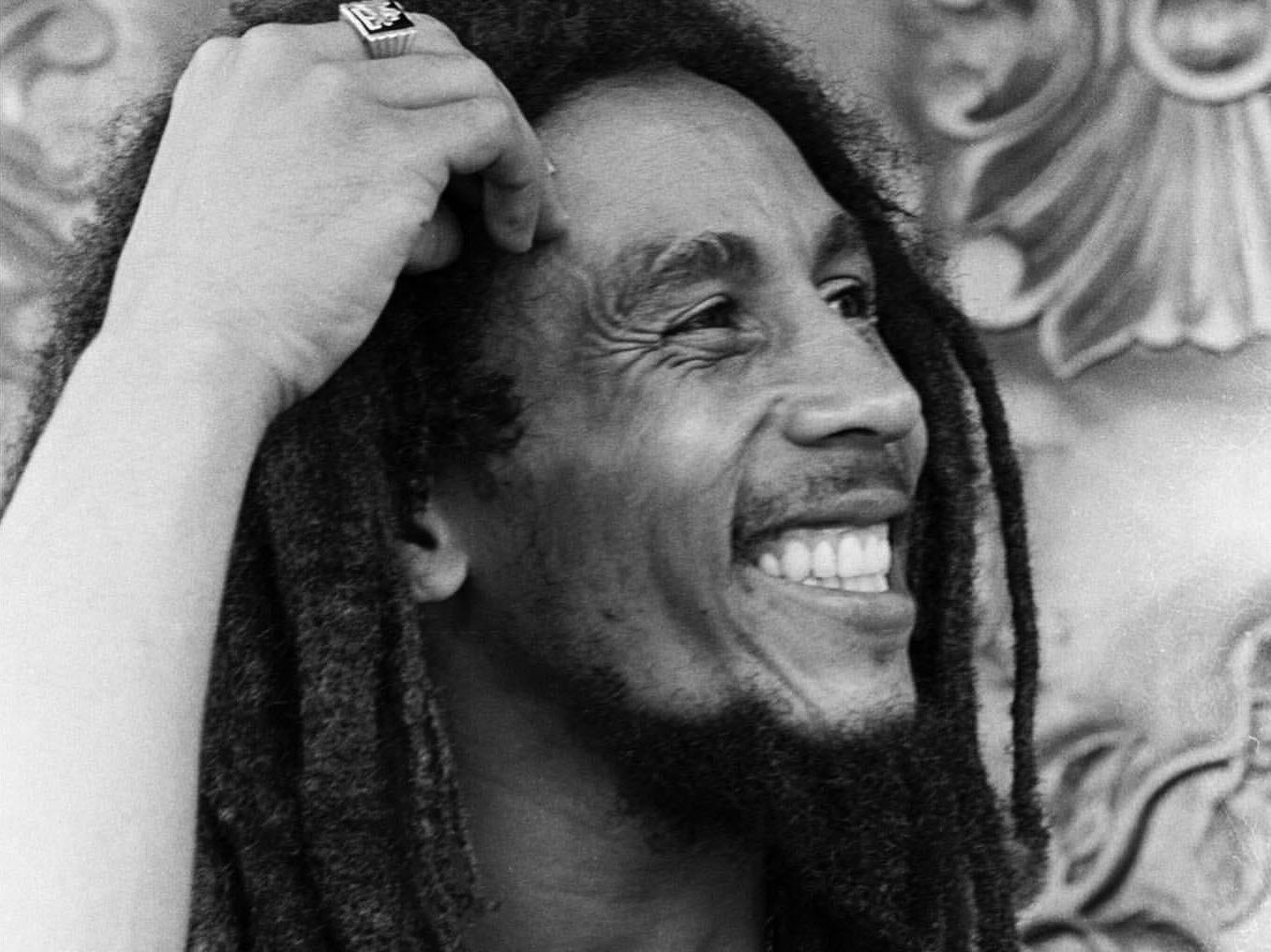
Bob Marley is more than just a musician—he’s a cultural icon, a revolutionary voice, and the undisputed king of reggae. His timeless music transcends borders and generations, delivering powerful messages of love, unity, and resistance. From the streets of Trench Town, Jamaica, to the farthest corners of the globe, Marley’s songs have inspired millions with their infectious rhythms, heartfelt lyrics, and spiritual depth. Whether he was singing about personal empowerment, political struggle, or universal love, Marley’s music carried a vibration that still resonates today.
In this article, we’ll explore the top 10 most popular Bob Marley songs of all time, a collection of iconic tracks that capture the essence of his genius. These songs are not just hits—they’re anthems that define reggae music and its enduring influence on global culture. From uplifting melodies like “Three Little Birds” to the thought-provoking “Redemption Song”, each track tells a story, evokes emotion, and showcases Marley’s unparalleled artistry. Whether you’re a longtime fan or discovering his music for the first time, this list will take you on a journey through the life and legacy of a legend. So turn up the volume, feel the rhythm, and let’s celebrate the music of Bob Marley!
1. “No Woman, No Cry” (1974)
“No Woman, No Cry” is a poignant anthem that resonates deeply with listeners, capturing the spirit of resilience and hope. Released in 1974 on the Natty Dread album, the song reflects Bob Marley’s early life in Trench Town, Jamaica, offering a nostalgic and heartfelt tribute to his roots. The song’s lyrics reassure a woman, urging her not to cry despite life’s hardships. Marley’s soulful delivery and the song’s soothing melody make it an enduring classic. The live version, recorded in 1975 at London’s Lyceum Theatre, is especially iconic, thanks to the raw emotion and the powerful connection between Marley and his audience. This track stands as a testament to Marley’s gift for blending deeply personal experiences with universal messages of perseverance and hope, cementing its place as one of his most beloved songs.
2. “One Love / People Get Ready” (1965)
Originally recorded in 1965 with The Wailers, “One Love / People Get Ready” showcases Bob Marley’s extraordinary ability to unite people through music. Inspired by Curtis Mayfield’s “People Get Ready,” the song blends reggae rhythms with a timeless message of peace, love, and unity. With its infectious chorus and uplifting vibe, it quickly became a global anthem for togetherness. The re-recording in 1977 on Exodus only amplified its impact, reinforcing its status as one of reggae’s most enduring songs. Marley’s ability to convey a message of harmony in such an accessible way has made “One Love” not just a song, but a rallying cry for generations of listeners around the world, urging everyone to come together despite their differences.
3. “Three Little Birds” (1977)
Few songs radiate joy like Bob Marley’s “Three Little Birds.” Released in 1977 as part of the Exodus album, this upbeat anthem has become synonymous with positivity and hope. Its iconic chorus—“Don’t worry about a thing, ‘cause every little thing is gonna be alright”—has become a comforting mantra for people everywhere. Inspired by the birds that frequently visited his window, Marley crafted a song that embodies carefree optimism and the simplicity of finding peace in life’s everyday moments. The lighthearted melody, paired with the song’s uplifting message, makes it a timeless anthem of reassurance, reminding listeners to embrace life’s challenges with a positive outlook.
4. “Redemption Song” (1980)
“Redemption Song” stands as one of Bob Marley’s most introspective and powerful pieces. Released on Uprising in 1980, the song features just Marley’s voice and an acoustic guitar, creating an intimate and haunting performance. Drawing inspiration from a speech by Marcus Garvey, the song’s lyrics implore listeners to “emancipate yourself from mental slavery,” urging them to break free from the chains of oppression. This deeply personal track is distinct in Marley’s catalog, showcasing his ability to blend activism with music in a poetic and moving way. “Redemption Song” continues to be a call for freedom and liberation, resonating with anyone who believes in the power of personal and collective empowerment.
5. “Buffalo Soldier” (1983)
Released posthumously in 1983 on the Confrontation album, “Buffalo Soldier” is a remarkable blend of historical reflection and musical vitality. The song tells the story of African-American soldiers, known as “Buffalo Soldiers,” who fought in the U.S. Army during the 19th century, and uses their struggle as a metaphor for the ongoing fight against oppression. With its infectious rhythm and catchy refrain, the song balances its serious subject matter with an upbeat, almost celebratory vibe. Marley’s exploration of the African diaspora’s enduring resilience makes “Buffalo Soldier” not only an important historical lesson but also a celebration of strength, endurance, and the quest for justice, ensuring its place as one of his most memorable songs.
6. “Jamming” (1977)
“Jamming” from the 1977 Exodus album is a joyful celebration of music, unity, and the power of coming together. The song’s vibrant rhythm and repetitive chorus make it one of Bob Marley’s most danceable and feel-good tracks. Lyrically, it speaks to the joy of sharing good vibes and the sense of community that comes with music. With its upbeat tempo and irresistible groove, “Jamming” embodies the spirit of reggae culture, inviting listeners to let go of their worries and join in the celebration. As one of Marley’s most enduring party tracks, it continues to be a crowd favorite, representing the universal appeal of music as a unifying force.
7. “Stir It Up” (1967)
“Stir It Up” is one of Bob Marley’s sultriest and most romantic tracks, showcasing a different side of his musical versatility. Originally recorded in 1967, it became a hit upon its 1973 re-release on the Catch a Fire album. The song’s smooth rhythm, sensual lyrics, and Marley’s understated delivery make it an irresistible ode to love and intimacy. “Stir It Up” beautifully blends reggae’s laid-back groove with the timeless emotions of love and desire, proving Marley’s ability to craft songs that resonate on both a personal and universal level. Its enduring popularity speaks to its appeal as one of Marley’s classic love songs.
8. “I Shot the Sheriff” (1973)
“I Shot the Sheriff,” from the 1973 Burnin’ album, is one of Bob Marley’s most provocative and narratively complex songs. The protagonist confesses to shooting a sheriff, but denies having killed a deputy, leaving the listener to interpret the story’s deeper meaning. Many view it as a metaphor for resisting authority and oppression, with Marley using the narrative to challenge social and political systems. The song’s infectious rhythm and compelling storyline helped it gain worldwide popularity, especially after Eric Clapton’s 1974 cover brought it to mainstream audiences. “I Shot the Sheriff” remains a classic for its blend of storytelling, social commentary, and undeniable reggae groove.
9. “Could You Be Loved” (1980)
“Could You Be Loved” from the 1980 Uprising album stands as one of Bob Marley’s most vibrant and funky tracks. The song explores themes of self-love, resilience, and acceptance, with an upbeat tempo that blends reggae with a disco-inspired groove. Its catchy hook and infectious beat made it a favorite not just among reggae fans, but also within mainstream music. The song encourages listeners to stay true to themselves, even in the face of adversity or judgment. Its universal message of self-empowerment, combined with its unforgettable rhythm, has ensured that “Could You Be Loved” remains a beloved anthem across the globe.
10. “Get Up, Stand Up” (1973)
“Get Up, Stand Up” is one of Bob Marley’s most politically charged songs, calling for action and justice. Released on Burnin’ in 1973, the song was co-written with Peter Tosh and draws from their shared experiences of poverty and inequality. Its defiant lyrics urge listeners to stand up for their rights and refuse to accept oppression. The track’s powerful message, combined with its infectious rhythm, made it a rallying cry for social movements worldwide. “Get Up, Stand Up” remains a timeless anthem for empowerment, urging individuals to speak out and fight for their rights.

Samuel Moore is a frequent contributor to Singers Room. Since 2005, Singersroom has been the voice of R&B around the world. Connect with us via social media below.









