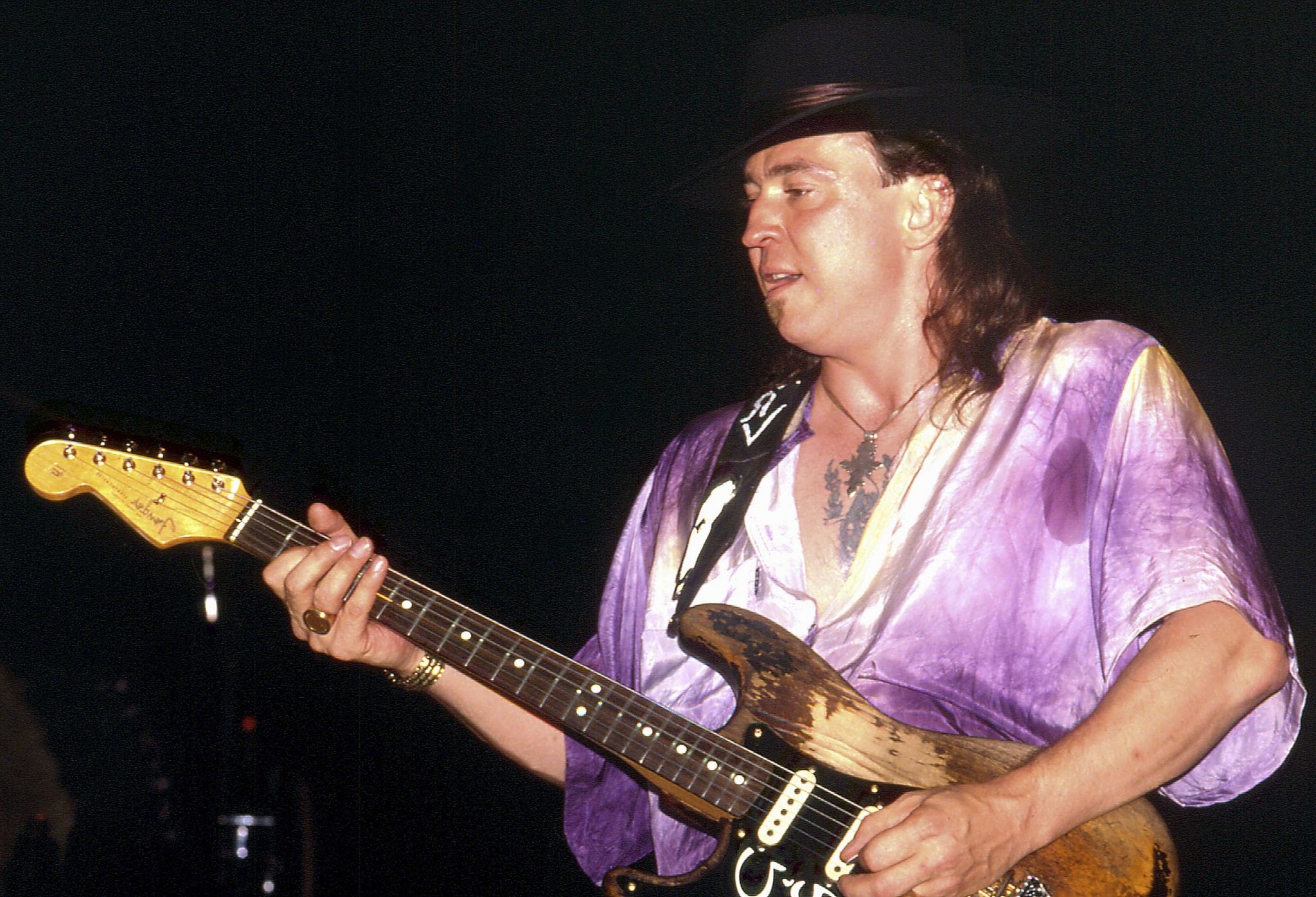
Few guitarists have left a mark on the blues quite like Stevie Ray Vaughan. With his raw talent, electrifying performances, and unparalleled emotion, Vaughan transformed the landscape of modern blues-rock and inspired generations to pick up a guitar. His blistering solos, soulful vocals, and the sheer intensity of his playing still resonate with listeners decades after his untimely passing. From scorching instrumentals that showcase his virtuosity to heart-wrenching ballads where every note tells a story, Stevie Ray Vaughan’s catalog runs deep with timeless classics.
In this article, we’re counting down the top 10 most popular Stevie Ray Vaughan songs of all time—tracks that not only defined his career but also solidified his place among the legends of music. Whether you’re a longtime fan or a newcomer ready to dive into his world, these songs are essential listening. From the fiery licks of “Texas Flood” to the iconic groove of “Pride and Joy,” each track is a testament to Vaughan’s immense talent and enduring legacy. So grab your Stratocaster, turn up the volume, and get ready to explore the unforgettable sound of one of the greatest guitar heroes in history.
1. Pride and Joy (1983)
“Pride and Joy” is often regarded as Stevie Ray Vaughan’s signature song, embodying the very essence of Texas blues blended with a rock edge. Released in 1983 as part of his groundbreaking debut album Texas Flood, this track instantly became a favorite among fans and cemented Vaughan’s place in the music world. The song has a vibrant, upbeat tempo that pairs perfectly with Vaughan’s spirited vocals as he sings about a love so powerful it overflows with pride. The lyrics, brimming with affection, describe a lover who lights up his life, which Vaughan delivers with charisma and sincerity. His guitar work on this track is gritty and filled with raw energy, featuring his iconic Stratocaster riffs that slice through the rhythm with incredible precision and strength. “Pride and Joy” is not just a love song; it’s a showcase of Vaughan’s phenomenal skill and his innovative take on traditional blues. This track played a significant role in establishing Vaughan as a powerful force in blues and rock music, resonating with listeners who were captivated by his unique sound. His dynamic guitar riffs, combined with the song’s passionate lyrics and infectious rhythm, have helped “Pride and Joy” remain a timeless classic in the decades since its release, representing Vaughan’s enduring impact on modern blues.
2. Texas Flood (1983)
The title track of Stevie Ray Vaughan’s debut album, “Texas Flood” is a remarkable showcase of his ability to infuse traditional blues with his unique style and intensity. Released in 1983, this song is a modern reimagining of an old blues standard originally performed by Larry Davis. However, Vaughan’s rendition transforms the piece into something wholly his own, full of soul and heartbreak. The song is structured around the classic 12-bar blues form but is distinguished by Vaughan’s powerful, emotional guitar solos and vocals. In “Texas Flood,” Vaughan’s voice and guitar weep in unison, echoing the deep sorrow and despair of the lyrics. His performance is raw and visceral, with every note ringing out a palpable sense of loss. The track’s slow tempo allows Vaughan to stretch out each guitar lick, turning the song into a sprawling, soulful lament. This deeply moving performance captivated audiences and critics alike, redefining the modern blues landscape. “Texas Flood” was a revelation, an introduction to a fresh yet timeless take on the genre. It catapulted Vaughan into stardom, marking him as a groundbreaking artist who could bridge the gap between blues legends of the past and a new generation of listeners.
3. Love Struck Baby (1983)
“Love Struck Baby,” another standout track from Texas Flood, showcases Stevie Ray Vaughan’s ability to craft catchy, radio-friendly blues tunes without losing his roots in the genre. Released in 1983, this song is a high-energy, rock-infused blues number with a rapid tempo and infectious rhythm. The lyrics are simple yet charming, telling the story of a man deeply enamored with his lover, feeling the excitement and thrill of a new romance. Vaughan’s fast-paced guitar work and passionate delivery bring this tale of young love to life. His guitar licks are sharp and rapid-fire, capturing the joy and intensity of a fresh romance. The song’s short length and driving beat make it an exhilarating experience, one that became a staple of Vaughan’s live performances due to its crowd-pleasing energy. “Love Struck Baby” is a prime example of Vaughan’s dynamic stage presence and technical skill, which drew in fans of both rock and blues. The track set the stage for Vaughan’s reputation as a versatile artist who could blend genres seamlessly, proving that his blues roots could appeal to wider audiences while staying true to his soulful, electrifying style.
4. Cold Shot (1984)
“Cold Shot,” released in 1984 on Stevie Ray Vaughan’s second album Couldn’t Stand the Weather, is a mid-tempo blues groove with a relaxed, shuffling rhythm that sets it apart from his usual intense guitar work. The song’s laid-back feel contrasts nicely with Vaughan’s fiery solos in other tracks, showing his versatility as a guitarist and storyteller. The lyrics narrate a story of love turned cold, with Vaughan delivering each line with a mix of humor and heartbreak. His understated guitar solo, which is both restrained and powerful, adds a layer of depth and emotion to the song without overshadowing its lyrical content. “Cold Shot” quickly became a radio hit and a fan favorite, earning a special place in Vaughan’s catalog for its unique, infectious rhythm and relatable storyline. The groovy, playful beat allows listeners to connect with the narrative of romantic disillusionment, making it one of Vaughan’s most beloved tracks. The song’s success demonstrates Vaughan’s ability to balance technical skill with storytelling, resonating with audiences on multiple levels and showcasing the breadth of his artistry in the blues genre.
5. The Sky Is Crying (1991)
Stevie Ray Vaughan’s rendition of “The Sky Is Crying” is a slow blues masterpiece that was released posthumously in 1991. Originally a classic by Elmore James, Vaughan’s version adds a fresh yet hauntingly beautiful depth to the song. This track, recorded during the In Step sessions but held back until after his untimely death, showcases Vaughan’s extraordinary talent for conveying deep emotion through his guitar. His slide guitar work on this song is breathtaking, each note resonating with sorrow and a sense of yearning that feels incredibly personal. Vaughan’s version of “The Sky Is Crying” has a mournful, reflective tone, as if he is pouring his own heartbreak into each chord and riff. The song’s slow, deliberate tempo allows Vaughan to fully explore the blues’ emotional landscape, turning it into a cathartic expression of pain and loss. His performance on this track became one of the most poignant reminders of his immense talent, leaving listeners with a sense of the soul and passion he brought to the genre. “The Sky Is Crying” remains a fitting tribute to Vaughan’s legacy and a powerful testament to his ability to breathe new life into classic blues songs.
6. Crossfire (1989)
“Crossfire,” released in 1989 on the album In Step, is one of Stevie Ray Vaughan’s most rhythmically driven and lyrically impactful songs. This track showcases Vaughan’s skill in blending blues with modern rock, producing a sound that’s both intense and accessible. The song opens with a memorable bassline and a driving rhythm that immediately sets the tone for the powerful message that follows. Lyrically, “Crossfire” tackles the pressures and struggles of life, capturing a sense of urgency that reflects the challenges Vaughan himself faced in his career and personal life. The song’s infectious groove and upbeat tempo made it a crossover hit on both the rock and blues charts, resonating with listeners who connected with its themes of resilience and determination. Vaughan’s guitar work in “Crossfire” is precise and energetic, with each solo adding to the song’s momentum. This track exemplifies Vaughan’s versatility as a musician and songwriter, highlighting his ability to infuse blues with a contemporary edge. “Crossfire” became a defining hit of his career, showcasing his mastery over both musical technique and emotional storytelling.
7. Couldn’t Stand the Weather (1984)
The title track from Stevie Ray Vaughan’s 1984 album, “Couldn’t Stand the Weather” is a dynamic blues-rock song that brilliantly captures the emotional instability of a turbulent relationship. With intricate rhythms and blistering guitar solos, this track blends traditional blues elements with a modern rock flair, creating a sound that’s both classic and innovative. The lyrics explore the unpredictability of love, with Vaughan’s passionate guitar work mirroring the emotional highs and lows of the song’s storyline. The instrumental section of “Couldn’t Stand the Weather” is a highlight, featuring some of Vaughan’s most intricate and expressive playing, as he moves effortlessly between different tempos and moods. This track is a testament to Vaughan’s innovative spirit and his ability to push the boundaries of blues music. “Couldn’t Stand the Weather” remains one of the defining songs of his career, embodying his unique style and his commitment to evolving the blues genre.
8. Lenny (1983)
“Lenny,” an instrumental track from Stevie Ray Vaughan’s debut album Texas Flood, offers a softer, more introspective side of his musical range. Named after his wife, Lenora, the song is a tender jazz-influenced piece that exudes love and admiration. Released in 1983, “Lenny” is marked by its dreamy, clean guitar tones, which stand in stark contrast to Vaughan’s typically fiery, gritty style. The slow, delicate phrasing and complex chord work showcase Vaughan’s ability to convey deep emotions without words. “Lenny” is imbued with an ethereal quality, each note resonating with a sense of intimacy and warmth. This song has become one of Vaughan’s most cherished pieces, beloved by fans who appreciate its gentle beauty. The song reflects a different side of Vaughan’s genius, revealing his versatility as a musician capable of expressing a wide range of emotions. “Lenny” remains one of his most treasured compositions, a beautiful tribute that continues to move listeners.
9. Life Without You (1985)
Released on Vaughan’s 1985 album Soul to Soul, “Life Without You” is one of his most emotionally charged tracks. The song opens with a hauntingly beautiful, slow guitar intro, setting the stage for a powerful blues ballad that’s a heartfelt tribute to a lost friend. Vaughan’s vocals are filled with a deep sense of grief and loss, but there’s also a message of hope and resilience woven throughout. The song builds into an intense, extended solo that showcases Vaughan’s emotional range and technical skill, every note resonating with feeling. This final solo is one of Vaughan’s most profound performances, turning “Life Without You” into a deeply personal and moving composition. The track quickly became a staple in Vaughan’s live shows, where he would often extend the solo, pouring himself into every note. “Life Without You” is remembered as one of Vaughan’s most introspective works, a song that allows listeners to connect with his own experiences of love, loss, and perseverance.
10. Little Wing (1991)
Stevie Ray Vaughan’s rendition of Jimi Hendrix’s “Little Wing” is often hailed as one of the most extraordinary covers in rock history. Released posthumously in 1991, Vaughan’s version of this instrumental classic pays homage to Hendrix while also showcasing his own genius as a guitarist. Vaughan’s take on “Little Wing” transforms the song into a blues-rock masterpiece, marked by his expressive guitar work and deep emotional resonance. Each bend and slide in Vaughan’s performance seems to tell a story, turning the track into a tribute both to Hendrix’s influence and to Vaughan’s own skill and artistry. His rendition of “Little Wing” drips with soul, capturing the song’s essence while adding a unique, personal touch. Vaughan’s version is a powerful statement of his mastery over the guitar, breathing new life into a classic. It remains one of his most revered performances, celebrated by fans and critics alike as a definitive expression of his talent and a lasting tribute to his musical hero.

Edward Tomlin is a frequent contributor to Singers Room. Since 2005, Singersroom has been the voice of R&B around the world. Connect with us via social media below.









