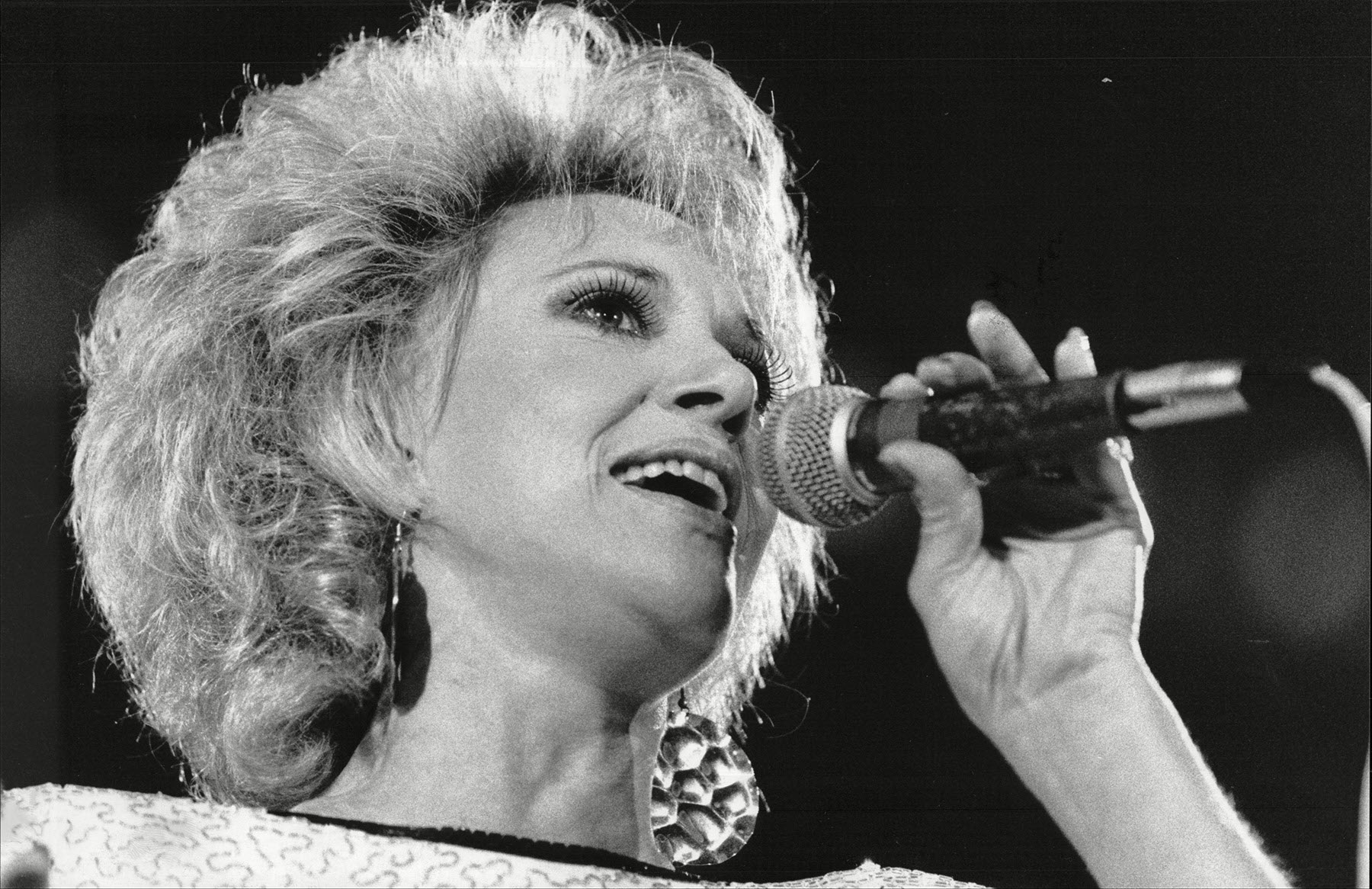
Tammy Wynette, the “First Lady of Country Music,” left an indelible mark on the world of music with her powerful voice, relatable lyrics, and heartfelt performances. Known for her iconic ballads about love, heartbreak, and resilience, Wynette became one of country music’s most beloved and influential figures. Whether she was singing about the complexities of relationships or the strength needed to overcome life’s struggles, her songs struck a chord with millions—both inside and outside the world of country. With a catalog of hits that spans decades, narrowing down her top tracks is no easy feat. From tear-jerking tales of divorce to empowering anthems of love and loyalty, Tammy Wynette’s music has stood the test of time, and her legacy continues to inspire generations of artists and fans alike. In this list, we’ll explore the top 10 most popular Tammy Wynette songs of all time, celebrating the timeless classics that made her a household name. Whether you’re a longtime fan or a newcomer to her music, these songs capture the essence of Wynette’s artistry and the emotional depth that made her a country music legend. Get ready to dive into the unforgettable hits that defined an era!
1. “Stand by Your Man” (1968)
Released in September 1968, “Stand by Your Man” stands as Tammy Wynette’s most iconic song and a defining moment in country music history. Co-written by Wynette and producer Billy Sherrill, the song quickly became a cultural touchstone, renowned for its heartfelt delivery and powerful message. The lyrics urge women to remain loyal to their partners, even during tough times, which sparked both admiration and controversy upon its release. Critics debated the song’s implications, but Wynette’s passionate performance resonated with many, solidifying her status as a country superstar. The track soared to the top of the Billboard country charts and crossed over into pop territory, showcasing Wynette’s widespread appeal. Its enduring legacy is evident, as “Stand by Your Man” remains one of the most covered and referenced songs in the genre. The song not only reflects Wynette’s personal artistry but also captures a pivotal moment in the cultural conversation around love and loyalty. Decades later, its emotional weight continues to resonate, making it an anthem for those who believe in standing by their loved ones, regardless of the challenges they may face. Wynette’s signature blend of vulnerability and strength in this song set the stage for her remarkable career.
2. “D-I-V-O-R-C-E” (1968)
Released in May 1968, “D-I-V-O-R-C-E” is a poignant ballad that showcases Tammy Wynette’s extraordinary ability to convey raw emotional depth through her music. The song narrates the heart-wrenching story of a mother spelling out the word “divorce” to protect her child from the pain of her failing marriage. With Wynette’s tearful vocals and poignant lyrics, the song struck a chord with listeners, quickly climbing to the top of the country charts. In an era when divorce was often stigmatized and swept under the rug, this track bravely addressed the difficult realities many faced. Wynette’s vulnerability in sharing such a personal struggle made her an emblematic figure for women grappling with similar circumstances. The song’s unflinching honesty and relatable narrative made it a breakthrough hit, further establishing Wynette as a voice for those navigating life’s most challenging moments. Its success highlighted the often-overlooked emotional turmoil surrounding family dynamics, earning Wynette a special place in the hearts of many. Even today, “D-I-V-O-R-C-E” serves as a reminder of the complexities of love and loss, resonating with anyone who has experienced the pain of separation.
3. “Your Good Girl’s Gonna Go Bad” (1967)
Released in February 1967, “Your Good Girl’s Gonna Go Bad” marked Tammy Wynette’s bold entry into the country music scene. This breakthrough hit tells the story of a woman who, weary of playing the “good girl,” is ready to embrace her rebellious side to reclaim her partner’s attention. With its catchy melody and upbeat tempo, the song captures a spirit of defiance and independence, signaling Wynette’s emergence as a significant voice in the genre. Reaching No. 3 on the country charts, this track established Wynette as an artist unafraid to explore the complexities of womanhood, often blending vulnerability with strength. The song’s catchy chorus and relatable narrative struck a chord with listeners, especially women who felt constrained by societal expectations. Wynette’s powerful delivery and the song’s playful, yet assertive message allowed it to resonate across generations. It embodies the struggle for self-identity while navigating romantic relationships, making it timeless. “Your Good Girl’s Gonna Go Bad” not only showcases Wynette’s vocal prowess but also highlights her role as a pioneer in country music, encouraging listeners to embrace their true selves and challenge conventions.
4. “Take Me to Your World” (1967)
In December 1967, “Take Me to Your World” further solidified Tammy Wynette’s status as a country music superstar. This tender ballad, which became her second No. 1 hit on the country charts, is a heartfelt plea for love and acceptance. Wynette’s signature vocal delivery shines through the understated arrangement, capturing the longing of a woman who yearns to be fully embraced by her partner. The simplicity of the lyrics belies their emotional depth, expressing a profound desire to be included in every facet of her lover’s life. As the song unfolds, Wynette’s voice conveys both vulnerability and hope, inviting listeners into her world of yearning. Its success not only reinforced Wynette’s talent as a storyteller but also showcased her ability to make deeply personal feelings universally relatable. The song resonates with anyone who has experienced the complexities of love and intimacy, allowing them to connect with its emotional core. “Take Me to Your World” remains a fan favorite, exemplifying Wynette’s artistry and her knack for transforming individual experiences into songs that speak to the collective heart.
5. “I Don’t Wanna Play House” (1967)
Released in July 1967, “I Don’t Wanna Play House” marked a significant milestone as Tammy Wynette’s first No. 1 hit, and its impact is readily apparent. The song poignantly narrates the heartbreaking story of a child who, witnessing the disintegration of her parents’ relationship, no longer wishes to engage in the innocent game of “playing house.” Wynette’s tender voice captures the essence of emotional turmoil, making the song an instant classic. The poignant lyrics reflect the confusion and pain of a young girl caught in the chaos of adult relationships, resonating deeply with listeners who have faced similar heartbreak. At a time when divorce was often taboo, Wynette’s bold exploration of this theme set her apart, allowing her to connect with audiences on a personal level. The heartfelt delivery and relatable message made “I Don’t Wanna Play House” not just a chart-topping hit, but a powerful commentary on the impact of familial strife. This song remains a beloved part of Wynette’s legacy, illustrating her remarkable ability to articulate the complexities of human emotions through her music.
6. “Til I Can Make It on My Own” (1976)
Released in January 1976, “Til I Can Make It on My Own” is often hailed as one of Tammy Wynette’s most personal songs. Co-written by Wynette, the track strikes a delicate balance between vulnerability and empowerment, telling the story of a woman grappling with the emotional aftermath of a breakup. The lyrics reflect a profound sense of growth as the protagonist acknowledges her dependence on her former partner while simultaneously striving for self-sufficiency. Wynette’s vocal performance is masterful, overflowing with emotion and longing, which resonates with listeners who have faced similar struggles. As the song climbed the country charts to become another No. 1 hit, it reaffirmed Wynette’s ability to connect with her audience on a deeply emotional level. The themes of resilience and personal growth in “Til I Can Make It on My Own” continue to inspire listeners today, reminding them of the strength that can emerge from heartache. Through this powerful anthem, Wynette solidified her place not just as a country music icon, but as a voice for anyone navigating the complexities of love and independence.
7. “He Loves Me All the Way” (1970)
Released in June 1970, “He Loves Me All the Way” is a joyous celebration of unconditional love. In this No. 1 hit, Wynette’s enchanting vocals convey the warmth and security found in a relationship that embraces both strengths and imperfections. The song’s upbeat melody contrasts beautifully with some of her more somber offerings, highlighting her versatility as an artist. With a catchy chorus and heartfelt message, “He Loves Me All the Way” resonated deeply with listeners, reinforcing Wynette’s reputation as a master storyteller. The track captures the joy and comfort of being loved without reservation, allowing fans to revel in the simplicity of genuine affection. Wynette’s ability to convey complex emotions through her music has always set her apart, and this song is no exception. It’s a delightful reminder that love can thrive even in a world filled with challenges. As it climbed the charts, “He Loves Me All the Way” showcased Wynette’s unique gift for transforming personal experiences into universally relatable anthems that continue to speak to audiences of all ages.
8. “Apartment No. 9” (1966)
In December 1966, “Apartment No. 9” introduced listeners to Tammy Wynette’s distinctive voice and set the stage for her remarkable career. This melancholic song, which served as her first single, tells a poignant tale of loneliness and heartbreak, as the protagonist waits in a rundown apartment for a lover who never returns. The slow, mournful pace perfectly complements Wynette’s sorrowful delivery, establishing her as a fresh voice in country music. While it may not have been an immediate chart-topper, “Apartment No. 9” laid the groundwork for Wynette’s future success by showcasing her ability to convey deep emotion through song. The haunting lyrics and Wynette’s heartfelt performance resonate with anyone who has experienced loss, making the track a fan favorite. It remains a testament to her beginnings in the industry, capturing the complexities of love and longing. Over the years, “Apartment No. 9” has garnered appreciation for its authenticity, further solidifying Wynette’s legacy as one of country music’s most impactful artists. This song reflects not just her talent, but the enduring power of storytelling in music.
9. “I Still Believe in Fairy Tales” (1975)
Released in July 1975, “I Still Believe in Fairy Tales” is a nostalgic anthem filled with hope and resilience. In this heartfelt song, Wynette sings about clinging to dreams of love and happiness despite the harsh realities life can impose. The gentle melody and Wynette’s soothing vocals create a comforting atmosphere, making it a perfect listen for anyone who has faced disappointment yet still yearns for a brighter future. The lyrics reflect a deep longing for the fairy tales of childhood, capturing the essence of innocence and the desire for joy. As the track climbed to No. 13 on the country charts, it showcased Wynette’s remarkable ability to make sentimental themes relatable and heartfelt. The song’s optimism serves as a reminder that, even in the face of adversity, maintaining hope is essential. Wynette’s sincere delivery resonates with listeners, inspiring them to hold on to their dreams. “I Still Believe in Fairy Tales” continues to be a cherished part of Wynette’s discography, reflecting her talent for transforming personal experiences into universal messages of love and perseverance.
10. “Woman to Woman” (1974)
Released in November 1974, “Woman to Woman” stands out as a fiery confrontation between two women vying for the same lover. With its direct and no-nonsense lyrics, Wynette’s impassioned delivery makes this song a powerful anthem of empowerment. This track marks a departure from her more demure offerings, as it focuses on taking control of a complicated situation rather than succumbing to heartbreak. The song’s bold themes resonated with listeners, reaching No. 4 on the country charts and further proving Wynette’s versatility as an artist. “Woman to Woman” showcases her ability to tackle a wide range of emotions, from vulnerability to strength, making it a standout in her catalog. The raw honesty and assertive narrative not only engage the audience but also encourage them to confront their own experiences with love and rivalry. This song continues to resonate with listeners today, serving as a powerful reminder of the complexities of relationships. Wynette’s fearless approach to this theme solidifies her legacy as a pioneering voice in country music, inspiring generations of women to assert their own identities and desires.

Samuel Moore is a frequent contributor to Singers Room. Since 2005, Singersroom has been the voice of R&B around the world. Connect with us via social media below.









