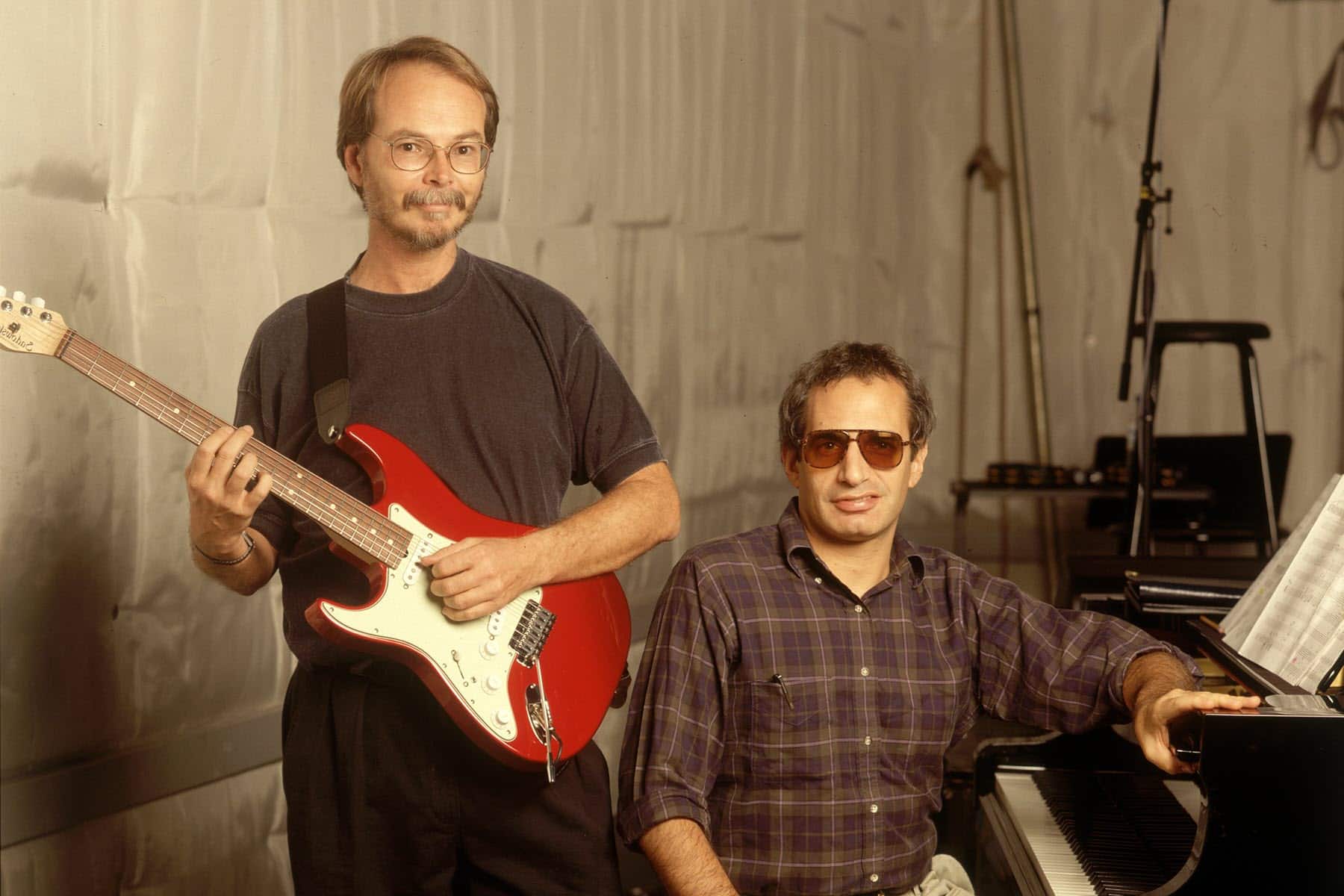
Donald Fagen, the co-founder of Steely Dan and a pioneer of jazz-rock fusion, has carved out an extraordinary solo career that’s as intricate and distinctive as the music he created with his legendary band. With a sound that blends sharp lyrics, smooth jazz arrangements, and an unmistakable sense of cool, Fagen’s solo work has captivated listeners for decades. From his debut album The Nightfly to later releases like Kamakiriad and Morph the Cat, Fagen’s music explores themes of nostalgia, futuristic dreams, and existential musings, all while maintaining a groove that’s impossible to resist.
In this article, we’re counting down the top 10 most popular Donald Fagen songs of all time. Whether you’re new to Fagen’s music or a lifelong fan of his unique sound, these tracks represent the best of his solo catalog—songs that have left a lasting impact on both critics and fans alike. From the smooth, sci-fi-inspired rhythms of “I.G.Y.” to the moody reflections of “Morph the Cat,” Fagen’s songs are intricate, thought-provoking, and endlessly replayable. So sit back, turn up the volume, and let’s dive into the world of one of modern music’s most iconic solo artists.
1. I.G.Y. (What a Beautiful World) — 1982
“I.G.Y. (What a Beautiful World)” opens The Nightfly with a shimmering blend of optimism and irony. Released in 1982, this track takes listeners back to the late 1950s, a period of technological optimism during the International Geophysical Year (1957-1958). Fagen crafts a vivid, almost utopian vision of the future, with promises of space travel, underwater cities, and endless technological advancements. Yet, his smooth delivery, paired with the lush, jazz-infused instrumentation, hints at a deeper sense of disillusionment. The song’s dreamy synths and upbeat rhythm invoke a world that never truly materialized. Fagen’s ability to juxtapose hope with subtle critique makes “I.G.Y.” an enduring classic, beloved for its catchy melody and layered lyrical content. It’s a perfect introduction to Fagen’s unique ability to blend nostalgia with a sharp awareness of the flaws in the idealized visions of the past.
2. New Frontier — 1982
“New Frontier” is a standout track from The Nightfly, released in 1982, and is a perfect blend of youthful optimism and Cold War-era anxiety. The song tells the story of a young man trying to impress a girl at a fallout shelter party, a curious mix of romance and nuclear fear. With its infectious bassline and upbeat tempo, “New Frontier” captures the essence of early 1960s American suburban life, where the future seemed simultaneously bright and terrifying. Fagen’s lyrics paint a vivid picture of a sheltered adolescence looking to break free, all while the world outside teeters on the brink of destruction. The song’s breezy production, filled with jazzy elements and Fagen’s cool, detached vocals, juxtaposes the dark subject matter with a sense of hopeful rebellion. It’s a track that resonates both musically and thematically, making it one of Fagen’s most beloved solo works.
3. The Nightfly — 1982
As the title track of The Nightfly (1982), “The Nightfly” immerses listeners in the world of a late-night radio DJ, a character Fagen imbues with a sense of melancholy and isolation. The song’s smooth, laid-back jazz arrangement perfectly complements the DJ’s musings, as he plays records for an unseen audience during those quiet, introspective hours when the rest of the world sleeps. Fagen’s impeccable attention to detail shines through in the song’s atmospheric production, with subtle jazz guitar riffs and saxophone flourishes that evoke the feeling of a smoke-filled lounge. Lyrically, Fagen captures the DJ’s longing for connection and escape, juxtaposing his solitude with the dreamy promise of far-off places. “The Nightfly” is not just a song but a mood—a late-night reverie that transports listeners to another time and place.
4. Walk Between Raindrops — 1982
“Walk Between Raindrops” closes The Nightfly with a burst of energy and optimism. Released in 1982, this track stands out for its infectious rhythm and bright, jazzy piano work. Fagen’s lyrics tell the story of a couple walking through Miami during a rainstorm, seemingly unfazed by the downpour. It’s a metaphor for navigating life’s challenges with a sense of invincibility and grace. Musically, the song is upbeat and playful, featuring a lively horn section and syncopated rhythms that give it a swinging, almost big-band feel. At just over two minutes long, it’s one of Fagen’s shorter tracks, but it leaves a lasting impression with its feel-good energy and catchy hooks. “Walk Between Raindrops” is a delightful, carefree closer to an album filled with introspection, offering a final moment of joy and spontaneity.
5. Green Flower Street — 1982
“Green Flower Street” evokes a sense of mystery and longing, enveloped in a smooth, jazz-rock arrangement that is quintessentially Fagen. Released in 1982 on The Nightfly, the song tells the story of a man returning to a place from his past, only to find it changed and somewhat foreign. The titular street, with its evocative name, becomes a symbol of nostalgia for a time and place that no longer exist as the protagonist remembers. The track’s fusion of jazz and rock, with its tight rhythm section and soaring saxophone, creates a laid-back yet captivating atmosphere. Fagen’s trademark wit and storytelling shine through in the lyrics, while the music draws listeners in with its infectious groove. “Green Flower Street” is a perfect embodiment of Fagen’s ability to blend intricate musicianship with evocative, cinematic storytelling, making it a fan favorite.
6. Tomorrow’s Girls — 1993
“Tomorrow’s Girls,” released in 1993 on the album Kamakiriad, is a quirky, futuristic track that blends funk, rock, and sci-fi storytelling in a way that only Donald Fagen can pull off. The song describes an invasion of “tomorrow’s girls” — mysterious, otherworldly beings who wreak havoc on Earth, leaving men powerless in their wake. Fagen’s lyrics are filled with humorous, surreal imagery, delivered with his characteristic deadpan wit. Musically, the track is driven by a funky bassline and shimmering synths that give it a space-age feel, while the infectious chorus keeps the listener hooked. “Tomorrow’s Girls” is both a playful commentary on gender dynamics and a celebration of Fagen’s love for science fiction. It’s a unique track that stands out for its fun narrative and groove-heavy sound, making it one of the highlights of Kamakiriad.
7. Snowbound — 1993
“Snowbound,” from Fagen’s 1993 album Kamakiriad, is a smooth, atmospheric track that conjures images of a cold, isolated world. The song’s protagonist finds themselves trapped in a snowstorm, both literally and metaphorically, as the lyrics explore themes of isolation, reflection, and survival. Musically, “Snowbound” is a masterclass in mood-setting, with its laid-back groove, lush harmonies, and Fagen’s understated vocals creating a sense of calm amidst the storm. The track’s jazz-infused arrangement, with its silky saxophone lines and shimmering keyboards, gives it a warm, enveloping feel despite its cold, wintry subject matter. “Snowbound” is a perfect example of Fagen’s ability to create a rich, immersive sonic landscape that complements his evocative storytelling.
8. Trans-Island Skyway — 1993
“Trans-Island Skyway” kicks off Kamakiriad (1993) with a funky, futuristic soundscape that perfectly sets the tone for the concept album’s journey. The song describes a high-tech road trip through a utopian, science fiction-inspired world where highways float above the islands. Fagen’s detailed lyrics paint a vivid picture of this imagined future, filled with automated cars and gleaming cities. The track’s driving bassline and funky guitar riffs give it a propulsive energy, while the smooth saxophone and shimmering synths add a layer of sophistication. “Trans-Island Skyway” is a celebration of the possibilities of the future, but with Fagen’s typical ironic edge, suggesting that even in a perfect world, there are still complexities and contradictions. It’s a thrilling start to an album that explores the intersection of technology, fantasy, and human experience.
9. Morph the Cat — 2006
“Morph the Cat,” the title track of Fagen’s 2006 album, is a moody, atmospheric song that explores themes of mortality, fear, and comfort. The song imagines a large, feline-like entity — Morph — descending over the city, bringing with it a sense of calm and protection. Fagen’s lyrics are cryptic and darkly humorous, suggesting that Morph could represent death, a peaceful force that embraces those ready to escape the chaos of life. Musically, the track is smooth and slow, with a deep groove, jazzy chords, and Fagen’s laid-back, almost detached vocal delivery. The track’s lush production, filled with warm brass and subtle harmonies, creates a soothing yet eerie vibe. “Morph the Cat” is a perfect example of Fagen’s ability to tackle heavy, existential themes with a light touch, making it both thought-provoking and easy to listen to.
10. H Gang — 2006
“H Gang,” one of the standout tracks from Morph the Cat (2006), is a high-energy, groove-driven song that tells a somewhat cryptic story about a group of musicians or perhaps misfits who have a profound impact on the protagonist’s life. The song’s funky bassline, tight rhythm section, and jazzy horns give it an infectious, upbeat feel, while Fagen’s lyrics are filled with his usual wit and obscure references. “H Gang” feels like a throwback to the Steely Dan sound, with its intricate arrangement and slick production, but it also stands on its own as a powerful showcase of Fagen’s solo artistry. The track’s blend of rock, jazz, and funk, along with its mysterious narrative, make it one of the highlights of Morph the Cat, offering a perfect balance of musical complexity and accessibility.

Samuel Moore is a frequent contributor to Singers Room. Since 2005, Singersroom has been the voice of R&B around the world. Connect with us via social media below.









