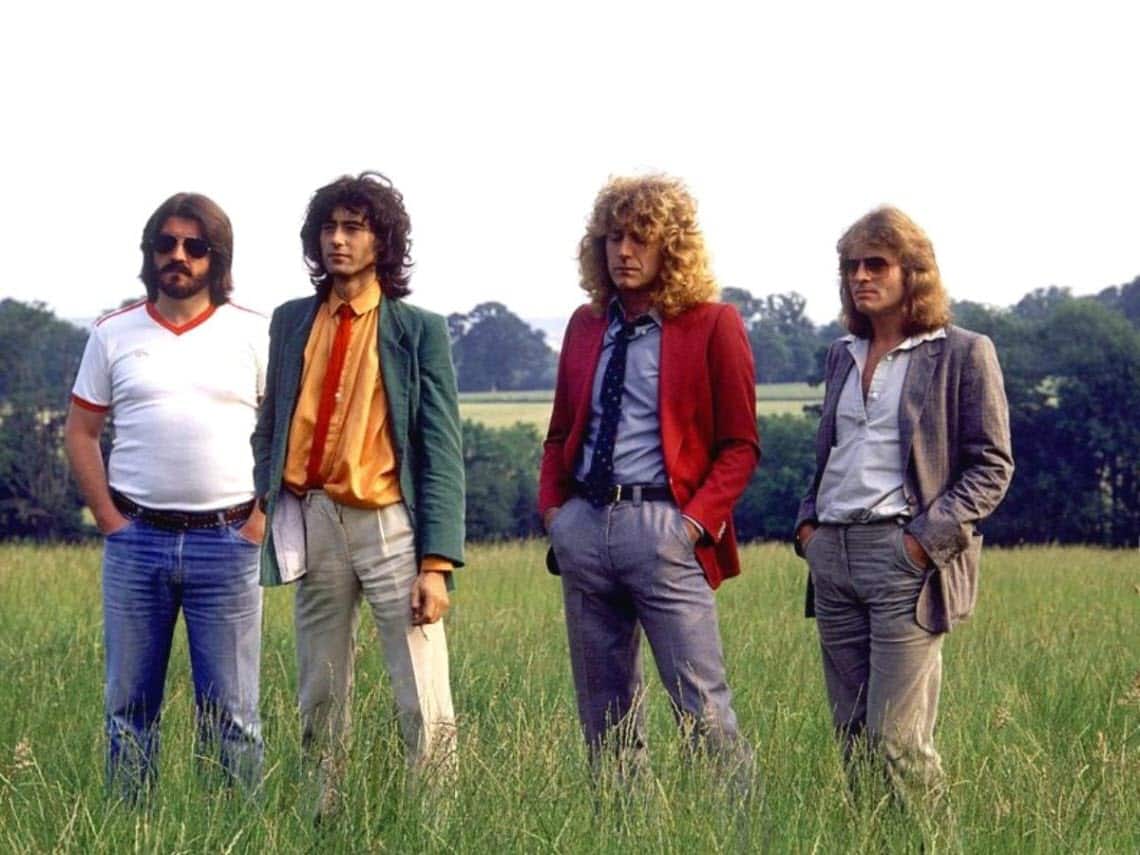
Few bands in the history of rock music have achieved the legendary status of Led Zeppelin. With a sound that transcended genres, blending hard rock with blues, folk, and even Eastern influences, the band redefined what rock music could be. Their powerful riffs, soaring vocals, and groundbreaking compositions have left an indelible mark on the music world, influencing countless artists across generations. From stadium anthems to mystical epics, Led Zeppelin’s catalog is a treasure trove of iconic tracks that have stood the test of time. But which songs truly stand out as the best of the best? In this article, we dive into the top 10 most popular Led Zeppelin songs of all time—each one a masterpiece in its own right. Whether you’re a lifelong fan or just beginning your journey into the world of Zeppelin, these tracks are essential listening, capturing the essence of a band that continues to inspire and captivate audiences around the globe. So turn up the volume, let the music wash over you, and prepare to be taken on a sonic journey through the very best of Led Zeppelin.
1. Stairway to Heaven (1971)
“Stairway to Heaven” is perhaps the most iconic song in Led Zeppelin’s catalog and one of the most celebrated rock tracks of all time. Released on November 8, 1971, as part of their untitled fourth album (often referred to as Led Zeppelin IV), this epic anthem stands as a masterpiece of progressive rock. The song begins with a delicate acoustic guitar melody that slowly builds into a powerful crescendo of electric guitar riffs, culminating in one of the most famous solos in rock history. Robert Plant’s enigmatic lyrics, filled with mysticism and allegory, have sparked endless debates among fans and critics alike. “Stairway to Heaven” is not just a song; it’s a journey through sound, emotion, and imagination, capturing the essence of Led Zeppelin’s genius.
2. Whole Lotta Love (1969)
Released on October 22, 1969, “Whole Lotta Love” is the opening track of Led Zeppelin II and a defining moment in the evolution of hard rock and heavy metal. The song’s thunderous riff, driven by Jimmy Page’s fuzzed-out guitar, is instantly recognizable and has influenced countless musicians. John Bonham’s pounding drums and John Paul Jones’s deep bass groove create a hypnotic rhythm, while Robert Plant’s raw, sensual vocals add an intense layer of energy. The song’s middle section, featuring experimental soundscapes and psychedelic effects, showcases the band’s innovative spirit. “Whole Lotta Love” was a commercial success and cemented Led Zeppelin’s reputation as a force to be reckoned with in the rock world.
3. Kashmir (1975)
“Kashmir,” released on February 24, 1975, as part of the double album Physical Graffiti, is a sprawling, majestic composition that stands as one of Led Zeppelin’s most ambitious works. The song is built around a hypnotic, Eastern-inspired riff that Jimmy Page crafted, complemented by John Bonham’s powerful drumming and John Paul Jones’s orchestral string arrangements. Robert Plant’s lyrics evoke a sense of wonder and adventure, inspired by his travels in Morocco and the vast, mysterious landscapes he encountered. “Kashmir” transcends the boundaries of rock music, blending elements of classical, world music, and heavy rock into a sonic journey that is both epic and otherworldly. It’s a testament to Led Zeppelin’s ability to push the limits of their creativity and craft timeless music.
4. Black Dog (1971)
“Black Dog,” released on November 8, 1971, as the opening track of Led Zeppelin IV, is a hard rock classic that showcases the band’s ability to blend complex rhythms with irresistible grooves. The song’s call-and-response structure, with Robert Plant’s powerful vocals leading the charge, is punctuated by Jimmy Page’s intricate guitar riff, which is as challenging as it is catchy. John Paul Jones, who came up with the initial riff, and John Bonham’s dynamic drumming add to the song’s rhythmic complexity, making “Black Dog” a challenging yet rewarding listen. The song’s title, inspired by a nameless black Labrador that wandered around the studio during recording sessions, belies its ferocity and intensity. “Black Dog” remains a staple of classic rock radio and a fan favorite at Led Zeppelin concerts.
5. Rock and Roll (1971)
“Rock and Roll,” also featured on Led Zeppelin IV and released on November 8, 1971, is a high-energy tribute to the early days of rock music. The song was born out of an impromptu jam session when the band was struggling with another track. John Bonham began playing a rhythm inspired by Little Richard’s “Keep A-Knockin’,” and within minutes, the band had crafted what would become one of their most enduring anthems. Jimmy Page’s blistering guitar riff, Robert Plant’s wailing vocals, and the driving rhythm section create a song that is both a nod to rock’s roots and a powerful statement of Led Zeppelin’s place in its future. “Rock and Roll” is pure adrenaline, a celebration of the genre that defined a generation.
6. Immigrant Song (1970)
“Immigrant Song,” released on October 5, 1970, as the lead track on Led Zeppelin III, is an explosive two-and-a-half-minute burst of energy that captures the band’s fascination with Norse mythology and Viking conquests. The song’s driving beat, propelled by John Bonham’s relentless drumming and Jimmy Page’s urgent guitar riff, sets the stage for Robert Plant’s soaring vocals, which invoke imagery of “the land of the ice and snow” and “hammer of the gods.” This track is a perfect example of how Led Zeppelin could blend hard rock with lyrical themes that were both epic and evocative. “Immigrant Song” has become one of the band’s most recognizable tracks, often used in popular culture to signify power and intensity.
7. Ramble On (1969)
“Ramble On,” released on October 22, 1969, as part of Led Zeppelin II, is a perfect blend of folk and rock, showcasing the band’s ability to craft songs that are both introspective and powerful. The song begins with a gentle acoustic guitar and a softly sung verse, before building into a full-blown rock anthem. Robert Plant’s lyrics, inspired by J.R.R. Tolkien’s The Lord of the Rings, tell a story of adventure, love, and longing, with references to “Mordor” and “Gollum.” Jimmy Page’s guitar work is both subtle and explosive, while John Paul Jones’s bass line and John Bonham’s drumming provide a steady, driving rhythm. “Ramble On” is a testament to Led Zeppelin’s ability to blend genres and create music that is both timeless and innovative.
8. Dazed and Confused (1969)
“Dazed and Confused” is one of Led Zeppelin’s earliest masterpieces, released on January 12, 1969, as part of their debut album Led Zeppelin. Originally written and recorded by American folk singer Jake Holmes, the song was reworked by Jimmy Page into a dark, heavy blues-rock epic. Page’s haunting guitar riff, played with a bow during live performances, creates an eerie atmosphere that perfectly complements Robert Plant’s anguished vocals. The song’s structure allows for extended improvisation, making it a centerpiece of Led Zeppelin’s live shows. John Bonham’s thunderous drumming and John Paul Jones’s brooding bass line add to the song’s intensity. “Dazed and Confused” is a perfect example of Led Zeppelin’s ability to take a simple idea and turn it into something monumental.
9. Heartbreaker (1969)
“Heartbreaker,” released on October 22, 1969, as part of Led Zeppelin II, is a hard-hitting rock track that features one of Jimmy Page’s most famous guitar solos. The song’s main riff, which is both heavy and infectious, sets the tone for a track that is full of raw energy and attitude. Robert Plant’s vocals are powerful and commanding, delivering lyrics that speak of love and heartbreak with a sense of urgency. The song’s most memorable moment comes in the middle, where Page delivers an unaccompanied guitar solo that is both technically impressive and emotionally charged. “Heartbreaker” is a showcase of Led Zeppelin’s ability to combine blues influences with hard rock power, making it a fan favorite and a staple of the band’s live performances.
10. Good Times Bad Times (1969)
“Good Times Bad Times,” the opening track of Led Zeppelin’s debut album, released on January 12, 1969, is a perfect introduction to the band’s groundbreaking sound. The song features a tight, punchy riff from Jimmy Page, supported by John Paul Jones’s innovative bass playing and John Bonham’s explosive drumming. Bonham’s use of triplets on the bass drum in this track was particularly groundbreaking and showcased his incredible skill as a drummer. Robert Plant’s vocals are confident and full of swagger, delivering lyrics that reflect the ups and downs of life. “Good Times Bad Times” is a concise, powerful statement of intent from Led Zeppelin, signaling the arrival of a band that would soon take the rock world by storm.

Samuel Moore is a frequent contributor to Singers Room. Since 2005, Singersroom has been the voice of R&B around the world. Connect with us via social media below.









