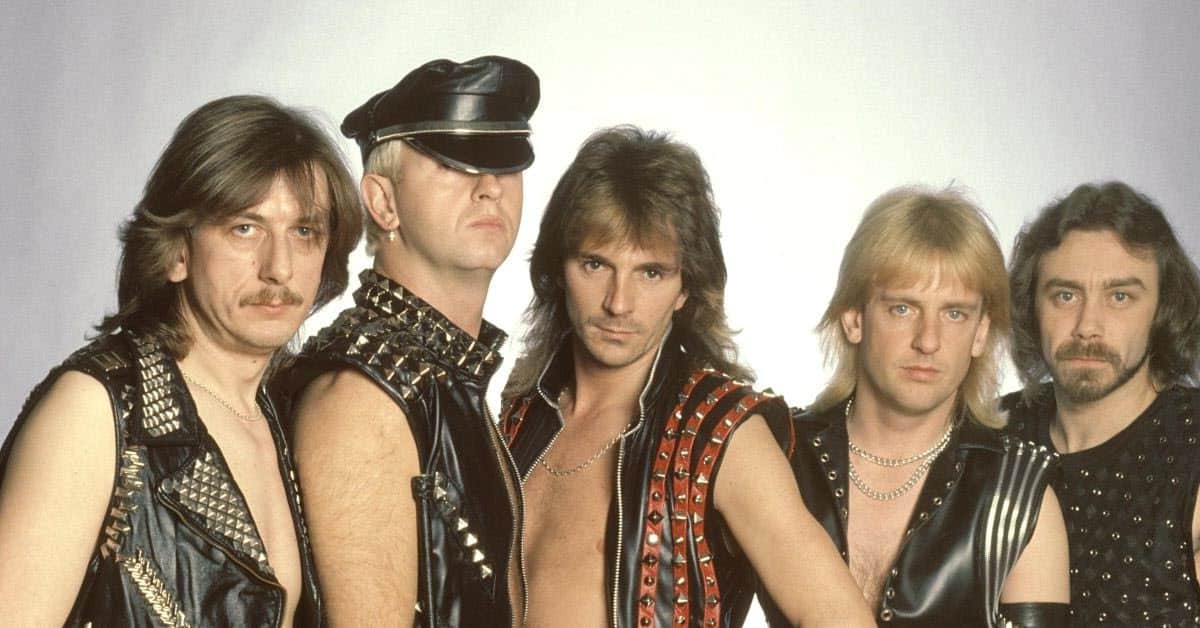
Few bands have shaped the landscape of heavy metal like Judas Priest. With their leather-clad image, screaming guitars, and the iconic voice of Rob Halford, Judas Priest has not only defined a genre but has also influenced countless bands that followed. For over five decades, they’ve delivered anthems that have become the bedrock of metal music, each song a rallying cry for rebellion, freedom, and pure, unadulterated power. Whether you’re a lifelong fan or a newcomer eager to dive into the legendary catalog, this list of the top 10 most popular Judas Priest songs will take you on a wild ride through the band’s most electrifying moments. From the anthemic cries of “Breaking the Law” to the relentless fury of “Painkiller,” these tracks capture the essence of what makes Judas Priest immortal in the hearts of metalheads everywhere. Prepare to crank up the volume, feel the surge of adrenaline, and experience the raw energy that has cemented Judas Priest’s place as one of the greatest metal bands of all time. Let’s count down the tracks that have not only defined Judas Priest but have also become timeless classics in the world of heavy metal.
1. Breaking the Law (1980)
“Breaking the Law” is a thunderous anthem that epitomizes the rebellious spirit of heavy metal. Released in 1980 as part of the British Steel album, this track became a rallying cry for those who felt oppressed or marginalized. With its unforgettable riff and Rob Halford’s gritty vocals, the song quickly became one of Judas Priest’s signature tracks. Its raw energy, combined with lyrics that speak to defiance and frustration, resonated deeply with fans around the world. The music video, featuring the band staging a heist, added to its legendary status. Even decades later, “Breaking the Law” remains a powerful symbol of resistance and freedom in rock music.
2. You’ve Got Another Thing Comin’ (1982)
Released in 1982 on the Screaming for Vengeance album, “You’ve Got Another Thing Comin’” is a powerhouse of determination and resilience. The track’s driving rhythm and iconic guitar work by Glenn Tipton and K.K. Downing, coupled with Halford’s emphatic delivery, make it an undeniable classic. The lyrics speak to the tenacity required to overcome obstacles and the refusal to back down in the face of adversity. It became a commercial success and a mainstay in Judas Priest’s live performances. The track’s infectious energy and defiant message have made it an enduring favorite among metal fans.
3. Painkiller (1990)
“Painkiller” is a blistering assault on the senses, released in 1990 as the title track of Judas Priest’s Painkiller album. Marking a return to their heavier roots, the song is a showcase of technical mastery, with Scott Travis’s double bass drumming and the twin guitar attack of Tipton and Downing creating a relentless sonic experience. Rob Halford’s vocals reach new heights, delivering the apocalyptic lyrics with unparalleled intensity. The song tells the story of a messianic figure, the Painkiller, who rescues humanity from destruction. It’s a track that redefined Judas Priest’s sound and cemented their status as heavy metal legends.
4. Living After Midnight (1980)
“Living After Midnight,” released in 1980 on the British Steel album, is a celebration of rock ‘n’ roll excess. With its catchy riff and infectious chorus, the song became a massive hit, crossing over from metal into the mainstream. It’s a feel-good anthem about partying and living life on your own terms, perfectly capturing the carefree spirit of the era. The simplicity of its structure, combined with the band’s tight performance, makes it one of the most accessible songs in Judas Priest’s catalog. “Living After Midnight” is a timeless reminder of the joy and release that music can bring.
5. Electric Eye (1982)
“Electric Eye,” from the 1982 album Screaming for Vengeance, is a futuristic metal masterpiece that delves into themes of surveillance and control. The song’s ominous intro, “The Hellion,” sets the stage for a relentless barrage of riffs and piercing vocals. Halford’s delivery is sharp and commanding, warning of a world where privacy is an illusion, overseen by the all-seeing Electric Eye. The track’s technical prowess and dystopian lyrics struck a chord with listeners, making it a standout in the band’s repertoire. “Electric Eye” remains a potent commentary on technology’s growing influence and a staple in Judas Priest’s live shows.
6. Hell Bent for Leather (1978)
“Hells Bent for Leather,” released in 1978 on the Killing Machine album (renamed Hell Bent for Leather in the U.S.), is a high-octane track that captures the essence of Judas Priest’s biker metal image. The song is a fast-paced, adrenaline-fueled ride, driven by aggressive guitar riffs and Halford’s commanding vocals. It’s a celebration of freedom and rebellion, themes that would become central to the heavy metal ethos. The song’s title and lyrics helped solidify the band’s association with leather and motorcycles, which became iconic symbols within the metal community. “Hell Bent for Leather” remains a fan favorite, often accompanied by Halford’s dramatic entrance on a motorcycle during live performances.
7. The Hellion (1982)
“The Hellion” is an instrumental opener that perfectly sets the tone for its companion track, “Electric Eye.” Released in 1982 on Screaming for Vengeance, this short but powerful piece features soaring guitar harmonies that evoke both grandeur and menace. Though only about a minute long, “The Hellion” has become one of the most iconic intros in heavy metal, often used to introduce live shows with a sense of impending power. Its seamless transition into “Electric Eye” creates a dynamic duo that has left a lasting impact on the genre. “The Hellion” exemplifies Judas Priest’s ability to craft memorable and atmospheric music.
8. Turbo Lover (1986)
“Turbo Lover,” from the 1986 Turbo album, represents Judas Priest’s foray into synthesizer-driven soundscapes, blending traditional metal with a modern, almost futuristic vibe. The song’s pulsing electronic elements, combined with the band’s signature guitar work, create a hypnotic and driving rhythm that is both seductive and powerful. Halford’s vocals deliver the lyrics with a mix of passion and aggression, exploring themes of love and power in a technological age. Although it initially divided fans with its departure from the band’s heavier sound, “Turbo Lover” has since become a cult favorite, showcasing Judas Priest’s versatility and willingness to experiment.
9. Victim of Changes (1976)
“Victim of Changes,” a cornerstone of Judas Priest’s early work, was released on their 1976 album Sad Wings of Destiny. This epic track is a showcase of the band’s musical prowess and Halford’s extraordinary vocal range. Combining elements of hard rock and progressive metal, “Victim of Changes” tells a tale of love lost and emotional turmoil. The song’s dynamic structure, shifting from slow, bluesy passages to explosive, riff-driven sections, keeps listeners on edge. It’s a powerful and emotional journey that has become a defining moment in Judas Priest’s catalog. “Victim of Changes” is often cited as one of the greatest heavy metal songs of all time, and it continues to be a fan favorite in live performances.
10. A Touch of Evil (1990)
“A Touch of Evil,” from the 1990 Painkiller album, is a dark and brooding track that explores themes of temptation and sin. The song’s haunting atmosphere is created by a combination of eerie keyboard melodies and menacing guitar riffs, perfectly complementing Halford’s intense vocal delivery. The lyrics delve into the seductive and destructive nature of evil, making it one of the band’s more lyrically complex songs. “A Touch of Evil” stands out on the Painkiller album for its slower, more atmospheric approach, offering a contrast to the relentless speed and aggression of the other tracks. It has since become a fan favorite, showcasing Judas Priest’s ability to blend melody with metal’s darker themes.

Samuel Moore is a frequent contributor to Singers Room. Since 2005, Singersroom has been the voice of R&B around the world. Connect with us via social media below.









