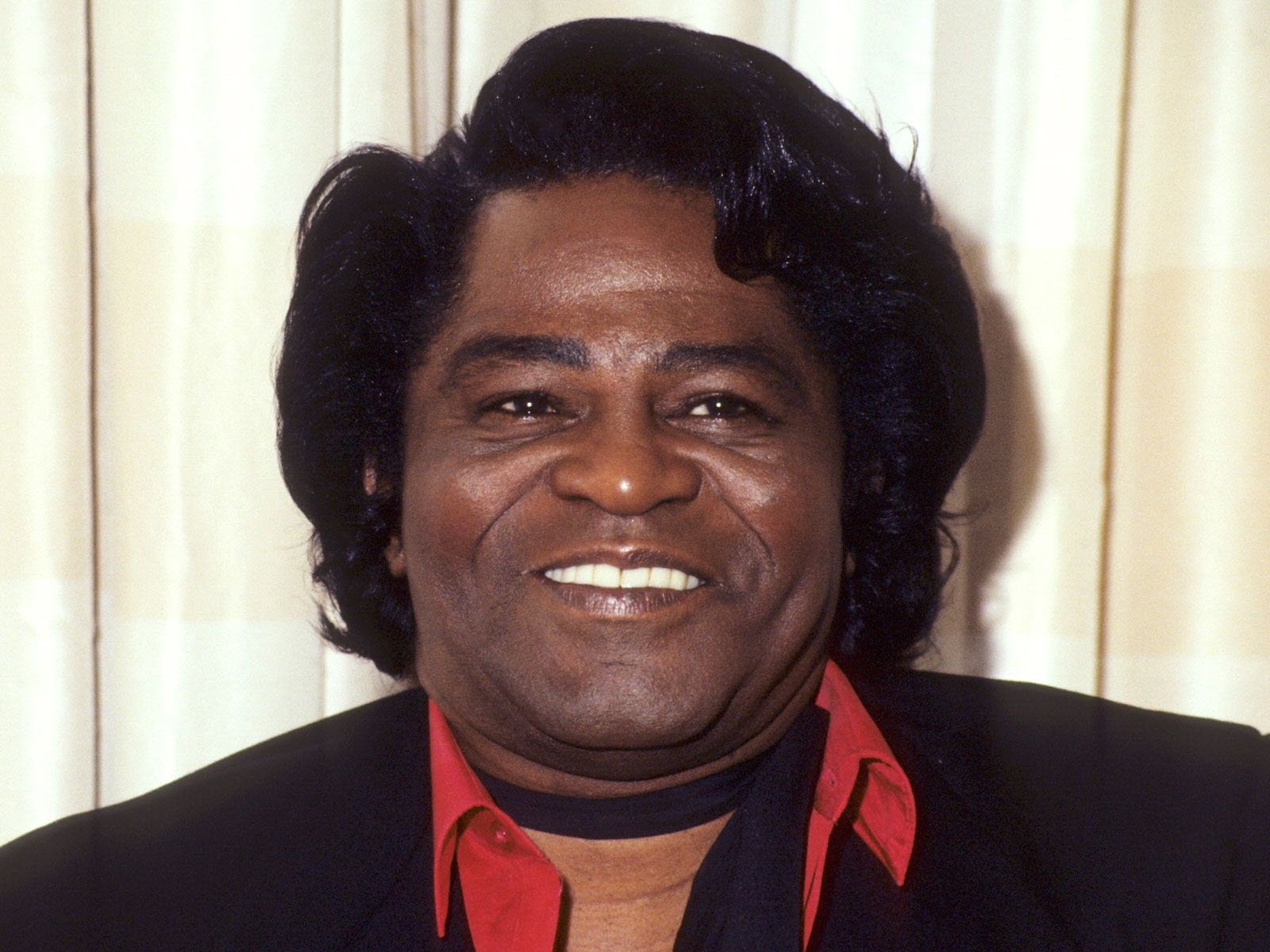
James Brown, the Godfather of Soul, was not just a man but a musical revolution. With a career spanning over five decades, Brown’s electrifying performances, revolutionary rhythms, and raw, unapologetic energy carved out the blueprint for funk, soul, and dance music that continues to echo through the corridors of time. His influence can be felt in every corner of modern music, from hip-hop to rock, and his legacy is one of relentless creativity, innovation, and passion.
In this article, we’re diving deep into the heart and soul of James Brown’s extraordinary discography to bring you the top 10 most popular songs that have defined generations. Each track on this list is a testament to Brown’s unmatched genius, capturing the essence of his explosive stage presence, his pioneering approach to rhythm, and his ability to connect with audiences on a primal level. Whether you’re a lifelong fan or a newcomer to the world of funk, these songs are sure to get your feet moving and your spirit soaring. So, get ready to groove as we count down the ultimate James Brown anthems that have stood the test of time and continue to inspire music lovers around the globe.
1. “Papa’s Got a Brand New Bag” (1965)
Released in 1965, “Papa’s Got a Brand New Bag” was a groundbreaking track that marked a seismic shift in the landscape of popular music. This song is where James Brown introduced the world to the “funk” genre as we know it. With its tight, syncopated rhythms, punchy brass, and infectious groove, “Papa’s Got a Brand New Bag” broke away from traditional R&B patterns and laid down the foundation for funk music. The song’s innovative use of rhythm and its emphasis on “the one” (the first beat of each measure) became a defining characteristic of Brown’s future work and of funk music as a whole. The energy in this track is palpable, as Brown’s exuberant vocals ride atop a relentless beat, making it nearly impossible to sit still while listening. This song not only became an instant hit, securing Brown his first Grammy Award, but also cemented his status as a musical pioneer.
2. “I Got You (I Feel Good)” (1965)
Few songs can match the sheer exuberance of “I Got You (I Feel Good),” one of James Brown’s most iconic tracks. Released in 1965, the song became an instant anthem of joy and celebration. Its infectious rhythm, driven by a tight horn section and a relentless groove, complements Brown’s explosive vocal delivery. The famous “wow, I feel good” scream became a cultural touchstone, instantly recognizable and endlessly quotable. “I Got You (I Feel Good)” was not just a chart-topping hit; it was a statement of pure, unfiltered emotion. The song’s infectious energy has made it a timeless classic, still capable of filling dance floors and lifting spirits decades after its release. It remains one of the quintessential tracks in Brown’s catalog, embodying the very essence of his musical genius and his unparalleled ability to connect with audiences across the globe.
3. “It’s a Man’s Man’s Man’s World” (1966)
“It’s a Man’s Man’s Man’s World,” released in 1966, stands as one of James Brown’s most emotive and powerful songs. A soulful ballad with orchestral backing, the track explores the complexities of male dominance and the indispensable role of women in the world. Brown’s raw, impassioned vocals, combined with the haunting strings and moody brass, create a profound sense of urgency and longing. The song’s lyrics, which reflect on how men have built and shaped the world, acknowledge that it would be nothing “without a woman or a girl.” This track is a departure from Brown’s usual up-tempo funk style, showcasing his ability to convey deep emotion and vulnerability. “It’s a Man’s Man’s Man’s World” became a staple of Brown’s live performances, often serving as a powerful moment of reflection amidst his more energetic numbers. It remains a poignant and timeless piece in his repertoire.
4. “Get Up (I Feel Like Being a) Sex Machine” (1970)
“Get Up (I Feel Like Being a) Sex Machine,” released in 1970, is one of James Brown’s most influential songs, epitomizing the essence of funk. The track features a relentless groove driven by the iconic rhythm section of Bootsy Collins on bass and his brother Catfish Collins on guitar. The song’s minimalistic yet powerful arrangement allows Brown’s dynamic vocals to shine, as he commands listeners to “get up” and move. The call-and-response pattern in the lyrics, combined with the infectious rhythm, creates an unstoppable energy that has made “Sex Machine” a timeless dance anthem. The song’s raw, stripped-down sound was revolutionary at the time, emphasizing rhythm and groove over melody, a hallmark of the funk genre. “Get Up (I Feel Like Being a) Sex Machine” not only became one of Brown’s biggest hits but also a defining moment in the evolution of modern music.
5. “Say It Loud – I’m Black and I’m Proud” (1968)
Released in 1968, “Say It Loud – I’m Black and I’m Proud” is one of James Brown’s most socially significant songs. At the height of the Civil Rights Movement, Brown used his platform to deliver a powerful message of empowerment and pride. The song’s lyrics, which boldly proclaim “I’m Black and I’m proud,” resonated deeply with African Americans and became an anthem for the Black Power movement. Musically, the track is driven by a tight, funky groove, with a call-and-response chorus that invites participation from the listener. The song’s infectious rhythm and Brown’s impassioned delivery make it a compelling piece of music, but it’s the social and political impact of the track that truly sets it apart. “Say It Loud – I’m Black and I’m Proud” was more than just a hit; it was a rallying cry for change and a declaration of dignity that continues to inspire generations.
6. “Cold Sweat” (1967)
“Cold Sweat,” released in 1967, is often hailed as one of the earliest examples of funk music. The song’s innovative structure, with its emphasis on rhythm and groove over melody, was a radical departure from the norms of the time. James Brown’s vocals are raw and intense, perfectly complementing the song’s driving beat and syncopated horns. The track’s famous drum break, performed by Clyde Stubblefield, has been sampled countless times in hip-hop and other genres, cementing “Cold Sweat” as a cornerstone in the history of popular music. The song’s relentless energy and minimalist arrangement create a sense of urgency and excitement that is impossible to resist. “Cold Sweat” was not just a hit for Brown; it was a game-changer, influencing countless artists and helping to define the sound of funk. Its impact can still be felt in music today, making it one of Brown’s most enduring and influential tracks.
7. “The Payback” (1973)
“The Payback,” released in 1973, is one of James Brown’s most potent and enduring tracks. This song, with its deep, menacing groove and powerful lyrics, showcases Brown at his funkiest. The track was originally intended for the soundtrack of the movie Hell Up in Harlem, but when it was rejected, Brown released it as part of his next album instead. “The Payback” became an instant classic, with its infectious bassline and Brown’s commanding vocal performance. The song’s themes of revenge and empowerment resonated with listeners, and its groove-driven sound became a blueprint for future funk and hip-hop artists. “The Payback” is a masterpiece of funk, with its tight rhythm section, intricate horn arrangements, and Brown’s charismatic delivery. The track’s influence extends far beyond its initial release, as it has been widely sampled in hip-hop and remains a staple in Brown’s catalog. “The Payback” is a testament to Brown’s genius and his ability to create music that is both deeply personal and universally relatable.
8. “Please, Please, Please” (1956)
“Please, Please, Please,” released in 1956, was James Brown’s first major hit and the song that launched his career. This raw, emotional ballad showcases Brown’s early vocal style, with its powerful, pleading delivery. The song’s simple yet heartfelt lyrics, combined with Brown’s intense performance, struck a chord with audiences and helped establish him as a force to be reckoned with in the world of R&B. “Please, Please, Please” became a staple of Brown’s live performances, often serving as a dramatic closing number where he would collapse to the floor, only to be “revived” by his band members. The song’s success marked the beginning of a long and illustrious career for Brown, setting the stage for his future as the Godfather of Soul. “Please, Please, Please” remains a timeless classic, a testament to Brown’s early brilliance and his ability to connect with listeners on a deeply emotional level.
9. “Super Bad” (1970)
“Super Bad,” released in 1970, is another quintessential James Brown track that perfectly captures the essence of funk. The song’s driving bassline, syncopated horns, and Brown’s commanding vocal performance combine to create a track that is brimming with energy and attitude. The lyrics, in which Brown declares himself “super bad,” are a celebration of confidence and self-assurance. The track’s extended instrumental sections showcase the talents of Brown’s band, the J.B.’s, with tight grooves and intricate interplay between the musicians. “Super Bad” was a hit on the R&B charts and became one of Brown’s signature songs. Its raw energy and infectious groove make it a standout track in Brown’s catalog, and its influence can be heard in countless funk and hip-hop tracks that followed. “Super Bad” is a testament to Brown’s ability to create music that is both powerful and irresistibly danceable.
10. “Living in America” (1985)
“Living in America,” released in 1985, marked a major comeback for James Brown. The song, featured in the movie Rocky IV, became one of Brown’s biggest hits, reaching the top 10 on the Billboard Hot 100. “Living in America” is a patriotic anthem with a funky beat and a big, bold sound that perfectly captures the energy and spirit of the 1980s. The song’s infectious chorus and upbeat rhythm made it an instant hit, and it earned Brown a Grammy Award for Best Male R&B Vocal Performance. “Living in America” was a departure from Brown’s earlier work, with its polished production and pop-oriented sound, but it still retains the essence of what made Brown a legend: his commanding vocal presence and his ability to create music that moves people. The song remains one of Brown’s most recognizable tracks and a highlight of his later career.

Edward Tomlin is a frequent contributor to Singers Room. Since 2005, Singersroom has been the voice of R&B around the world. Connect with us via social media below.









