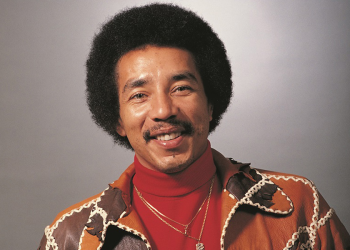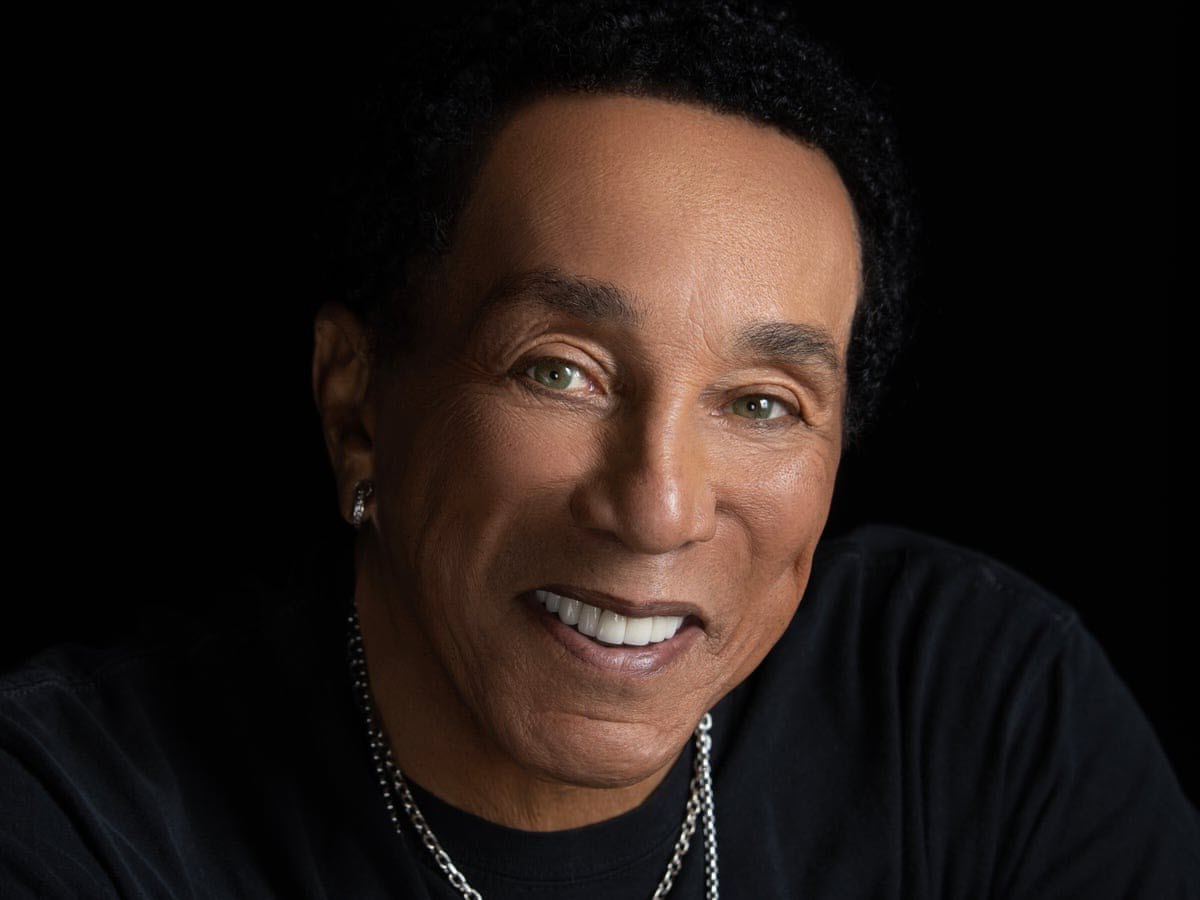
Smokey Robinson, the legendary Motown singer-songwriter, has left an indelible mark on the music world with his timeless contributions to soul and R&B. As the frontman of The Miracles and a prolific solo artist, Robinson’s career spans decades, characterized by his smooth vocals, heartfelt lyrics, and innovative production. His songs, brimming with emotion and sophistication, have not only defined an era but also influenced countless artists across genres. In this article, we delve into the top 10 best Smokey Robinson songs of all time, showcasing his extraordinary talent and enduring appeal. From the passionate ballads of his early days with The Miracles to his impactful solo hits, Robinson’s music captures the essence of love, heartbreak, and hope. These tracks represent the pinnacle of his career, reflecting both his lyrical genius and his ability to connect with audiences on a deeply personal level. Join us as we explore the standout moments of Smokey Robinson’s illustrious discography, celebrating the songs that have cemented his status as one of the greatest voices in music history.
1. Shop Around
“Shop Around” is a standout track in Smokey Robinson’s illustrious career, epitomizing the Motown sound that defined the 1960s. Released by The Miracles in 1960, it was one of the group’s earliest hits and remains one of their most iconic songs. Written by Robinson and fellow Miracle Berry Gordy, the song’s catchy melody and upbeat rhythm helped it become a major crossover hit, reaching No. 1 on the R&B charts and No. 2 on the Billboard Hot 100.
The song’s lyrical content, which advises a potential lover to “shop around” before settling down, resonated with audiences for its relatable message and clever wordplay. The track features Robinson’s smooth, emotive vocals, which are complemented by the lush instrumentation and harmonious backing vocals of The Miracles.
“Shop Around” not only solidified Smokey Robinson’s reputation as a leading figure in the Motown era but also set the stage for his future success. It remains a beloved classic, celebrated for its infectious charm and Robinson’s undeniable talent as a songwriter and performer.
2. Get Ready
“Get Ready” is another gem in Smokey Robinson’s impressive catalog, showcasing his remarkable ability to blend soulful melodies with infectious rhythms. Released in 1966 by The Temptations, this upbeat track stands as one of the defining hits of the Motown era. Written by Smokey Robinson, Bobby Rogers, and Eddie Kendricks, “Get Ready” was a significant departure from the group’s earlier, more laid-back style, embracing a lively and energetic sound.
The song’s driving beat, coupled with Robinson’s masterful songwriting, created an irresistible groove that propelled it to No. 1 on the R&B charts and No. 29 on the Billboard Hot 100. The track features a blend of upbeat instrumentation, including a distinctive bass line and dynamic brass section, which perfectly complements the powerful vocal delivery of The Temptations.
“Get Ready” became a staple of the Motown sound, exemplifying Robinson’s talent for crafting songs that are both emotionally resonant and rhythmically compelling. Its enduring appeal is evident in its continued popularity and its influence on later generations of artists.
3. More Love
“More Love” is a quintessential Smokey Robinson track that exemplifies his skillful blend of heartfelt lyrics and soulful melodies. Released in 1967 as part of The Miracles’ album “Make It Happen”, the song showcases Robinson’s exceptional talent for crafting deeply emotional and relatable songs.
Written by Robinson, “More Love” stands out with its smooth, melodic lines and its message of unconditional love and affection. The track’s lyrical simplicity and sincerity reflect Robinson’s knack for expressing profound feelings in a relatable way. The song features a gentle, yet captivating arrangement, with Robinson’s signature smooth vocals taking center stage, accompanied by lush strings and harmonies that highlight the emotional depth of the lyrics.
“More Love” achieved significant success, reaching No. 10 on the Billboard Hot 100 and No. 2 on the R&B charts. Its timeless appeal is a testament to Robinson’s enduring influence in soul and R&B music. The song remains a beloved classic, celebrated for its beautiful melody and poignant message, continuing to resonate with listeners across generations.
4. Tears of a Clown
“Tears of a Clown” is one of Smokey Robinson’s most iconic and enduring songs, blending emotional depth with a catchy, upbeat melody. Released in 1967, this track by The Miracles became an instant classic, showcasing Robinson’s exceptional songwriting and vocal prowess.
Written by Robinson, Stevie Wonder, and Hank Crosby, “Tears of a Clown” is notable for its unique fusion of pop and Motown sensibilities. The song features a cheerful, jaunty melody underscored by a poignant lyrical theme about hiding sorrow behind a facade of laughter. The use of a prominent, whimsical circus-like melody on the track’s intro and chorus contrasts with the song’s deeper, more reflective lyrics, creating a compelling emotional dynamic.
“Tears of a Clown” was a major hit, reaching No. 1 on the Billboard Hot 100 and R&B charts. Its success solidified Smokey Robinson’s place as a leading figure in the Motown era. The song’s ability to convey complex emotions through its innovative arrangement and heartfelt performance has ensured its lasting appeal and influence in the world of soul and pop music.
5. I Second That Emotion
“I Second That Emotion” is a standout track from Smokey Robinson & The Miracles, demonstrating Robinson’s knack for blending soulful lyrics with catchy melodies. Released in 1967, the song quickly became a classic, celebrated for its emotional resonance and infectious rhythm.
Written by Smokey Robinson and fellow Miracle Al Cleveland, “I Second That Emotion” is notable for its vibrant, upbeat tempo and its sophisticated blend of Motown sound with elements of pop and soul. The song’s lyrics, which express a deep and heartfelt affirmation of love, are delivered with Robinson’s characteristic smooth vocal style, backed by The Miracles’ harmonious backing vocals and a lively instrumental arrangement.
The track achieved significant commercial success, reaching No. 4 on the Billboard Hot 100 and No. 1 on the R&B charts. Its memorable chorus and upbeat tempo made it a favorite among fans and a staple of the Motown sound. “I Second That Emotion” continues to be celebrated for its joyous energy and its ability to capture the essence of Robinson’s songwriting genius and The Miracles’ infectious charm.
6. Cruisin’
“Cruisin'” is one of Smokey Robinson’s most celebrated solo hits, showcasing his ability to create smooth, romantic ballads with a timeless appeal. Released in 1979 as the lead single from his album of the same name, the song marked a notable point in Robinson’s career, highlighting his evolution from The Miracles to a successful solo artist.
Written by Robinson himself, “Cruisin'” features a mellow, laid-back groove and a soulful melody that perfectly complements his velvety vocals. The song’s lyrics evoke a sense of intimacy and nostalgia, capturing the essence of a romantic evening spent driving with a loved one. The instrumental arrangement includes lush strings and a smooth rhythm, enhancing the song’s soothing and romantic atmosphere.
“Cruisin'” was a commercial success, reaching No. 4 on the Billboard Hot 100 and No. 1 on the R&B charts. Its enduring popularity is a testament to Robinson’s exceptional talent for crafting heartfelt and memorable music. The song remains a classic, celebrated for its smooth sound and its ability to convey deep emotion through Robinson’s masterful performance and songwriting.
7. The Tracks of My Tears
“The Tracks of My Tears” is one of Smokey Robinson’s most enduring and emotionally powerful songs, embodying the depth and sophistication of Motown’s golden era. Released in 1965 by The Miracles, this track has since become a classic, renowned for its poignant lyrics and soulful melody.
Written by Smokey Robinson, Warren “Pete” Moore, and Marv Tarplin, the song is a masterclass in lyrical storytelling. It narrates the emotional journey of someone masking their heartbreak behind a facade of happiness. The song’s title poignantly reflects the marks left by tears on the protagonist’s face, despite their outward composure.
Musically, “The Tracks of My Tears” features a rich, orchestral arrangement with a memorable blend of strings and a lush backing chorus. Robinson’s smooth, emotive vocals deliver the song’s heartache with an authentic and relatable touch. The track achieved critical acclaim and commercial success, reaching No. 16 on the Billboard Hot 100 and No. 2 on the R&B charts.
Its influence extends beyond its initial release, as the song has been covered by numerous artists and remains a staple in soul and Motown music, celebrated for its emotional depth and Robinson’s exemplary artistry.
8. Going to a Go-Go
“Going to a Go-Go” is a quintessential track from Smokey Robinson & The Miracles, capturing the vibrant energy and infectious rhythm of the Motown era. Released in 1965 as the title track of their album, the song reflects the lively spirit and dynamic sound of the 1960s dance scene.
Written by Smokey Robinson and fellow Miracle Pete Moore, “Going to a Go-Go” is characterized by its upbeat tempo, catchy chorus, and lively instrumental arrangement. The song celebrates the excitement and fun of going out dancing, with lyrics that convey a sense of youthful exuberance and enjoyment. The track features Robinson’s smooth, charismatic vocals, complemented by a swinging rhythm section and a vibrant brass arrangement that drives the song’s energetic groove.
Commercially successful, “Going to a Go-Go” reached No. 11 on the Billboard Hot 100 and No. 1 on the R&B charts, solidifying its place as a classic of the Motown sound. Its upbeat and danceable nature, combined with Robinson’s signature style, has made it a beloved hit that continues to evoke the joyous spirit of the 1960s dance craze.
9. Ooo Baby Baby
“Ooo Baby Baby” is a classic track from Smokey Robinson & The Miracles, renowned for its emotional depth and smooth, soulful sound. Released in 1965, the song exemplifies Robinson’s talent for crafting heartfelt ballads that resonate with listeners.
Written by Smokey Robinson and fellow Miracles Warren “Pete” Moore and Marv Tarplin, “Ooo Baby Baby” features Robinson’s velvety vocals delivering a poignant story of regret and longing. The song’s lyrics express the pain of realizing too late the impact of lost love, conveyed through Robinson’s expressive and nuanced performance.
The track is distinguished by its gentle, yet evocative melody, with lush orchestration and harmonious backing vocals that enhance its emotional impact. The combination of Robinson’s soulful voice and the song’s rich arrangement creates a deeply moving listening experience.
“Ooo Baby Baby” achieved significant success, reaching No. 16 on the Billboard Hot 100 and No. 4 on the R&B charts. Its enduring appeal lies in its ability to capture the essence of heartache and longing, making it a timeless favorite in the Motown catalog and a testament to Robinson’s exceptional songwriting and vocal abilities.
10. The Love I Saw in You Was Just a Mirage
“The Love I Saw in You Was Just a Mirage” is a standout track from Smokey Robinson & The Miracles, showcasing the group’s ability to blend emotional storytelling with the signature Motown sound. Released in 1965 as a single from their album “The Miracles Doin’ Mickey’s Monkey”, the song is a poignant reflection on disillusionment and lost love.
Written by Smokey Robinson, Warren “Pete” Moore, and Marv Tarplin, the track delves into the heartache of realizing that a once-promised love was an illusion. Robinson’s smooth, emotive vocals capture the sense of betrayal and sadness that comes with this revelation. The song’s lyrics are both introspective and relatable, conveying a deep sense of emotional vulnerability.
Musically, “The Love I Saw in You Was Just a Mirage” features a sophisticated arrangement, with lush strings and a rich backing chorus that enhances the song’s melancholic tone. The upbeat tempo contrasts with the reflective nature of the lyrics, creating a compelling dynamic.
The track achieved success, reaching No. 10 on the Billboard Hot 100 and No. 2 on the R&B charts. Its enduring appeal is a testament to Robinson’s skill as a songwriter and the timeless quality of The Miracles’ Motown sound.

Samuel Moore is a frequent contributor to Singers Room. Since 2005, Singersroom has been the voice of R&B around the world. Connect with us via social media below.