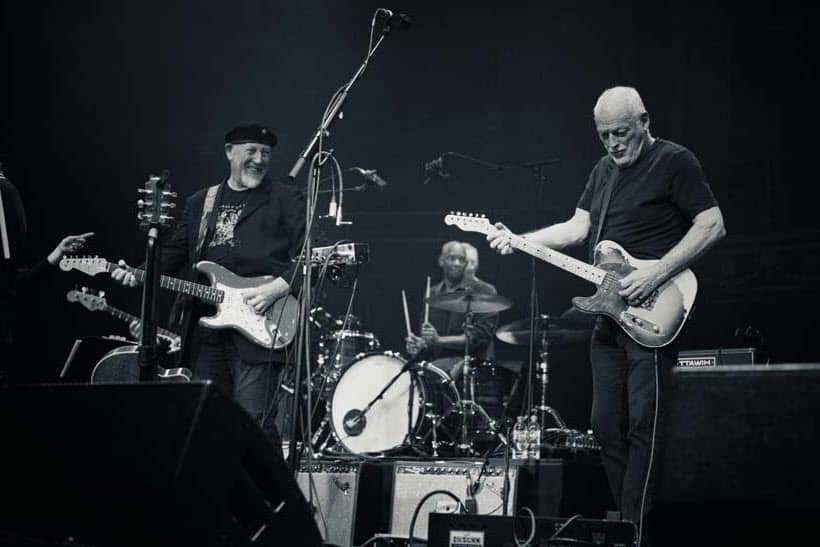
Pink Floyd, formed in 1965, is a British rock band renowned for pioneering psychedelic and progressive rock. Led by Roger Waters, David Gilmour, Nick Mason, and Richard Wright, their music explores themes of existentialism, society, and human experience. From iconic albums like *The Dark Side of the Moon* and *The Wall* to groundbreaking live performances, Pink Floyd’s legacy is defined by intricate compositions, atmospheric soundscapes, and innovative use of studio techniques. They remain icons of musical experimentation, influencing generations with their profound lyrics, evocative instrumentals, and lasting impact on the evolution of rock and concept albums.
1. Wish You Were Here
“Wish You Were Here” is a song by Pink Floyd, released in 1975 as the title track of their ninth studio album. It was written by band members Roger Waters and David Gilmour and is one of Pink Floyd’s most beloved and enduring songs.
Lyrically, “Wish You Were Here” reflects on absence, longing, and the feeling of disconnect in the music industry and society at large. The lyrics express a sense of yearning for someone who is no longer present, with themes of nostalgia and reflection on lost innocence.
Musically, “Wish You Were Here” features David Gilmour’s emotive vocals and acoustic guitar work, accompanied by Roger Waters’ bass and backing vocals. The song’s gentle and melodic instrumentation creates a poignant atmosphere, evoking a mood of melancholy and introspection.
The song’s iconic guitar solo, played by Gilmour, is particularly memorable for its emotional depth and technical prowess. It has become one of the most recognizable guitar solos in rock music history, capturing the song’s themes of longing and emotional resonance.
“Wish You Were Here” has remained a staple of Pink Floyd’s live performances and is celebrated for its lyrical depth, musical craftsmanship, and evocative storytelling. It continues to resonate with listeners as a timeless classic and a testament to Pink Floyd’s enduring influence on rock music.
2. Echoes
“Echoes” is a monumental song by Pink Floyd, released in 1971 on their album *Meddle*. It is one of the band’s most ambitious and influential compositions, spanning over 23 minutes in length and showcasing their progressive rock style.
“Echoes” is divided into several distinct parts, featuring ethereal vocals, intricate guitar solos, and atmospheric soundscapes. The song explores themes of introspection, evolution, and the interconnectedness of humanity and nature. The lyrics, written by Roger Waters and David Gilmour, are sparse but poetic, evoking a sense of cosmic wonder and existential contemplation.
Musically, “Echoes” is characterized by its innovative use of studio effects, including echo and reverb, which create a dreamlike and immersive listening experience. David Gilmour’s guitar work, Richard Wright’s keyboard textures, and Nick Mason’s dynamic drumming contribute to the song’s epic scope and emotional depth.
“Echoes” has been hailed as a masterpiece of progressive rock, praised for its ambitious structure, sonic experimentation, and thematic depth. It remains a cornerstone of Pink Floyd’s discography and a favorite among fans and critics alike, representing the band’s artistic peak during the early 1970s.
3. Shine On You Crazy Diamond
“Shine On You Crazy Diamond” is a multi-part epic song by Pink Floyd, appearing on their 1975 album *Wish You Were Here*. It is one of the band’s most iconic and beloved compositions, written as a tribute to their former bandmate Syd Barrett.
The song is divided into nine parts, spread across two sides of the album. It begins with a melancholic and atmospheric introduction, featuring David Gilmour’s emotive guitar melodies and Richard Wright’s ethereal keyboards. The lyrics, penned by Roger Waters and David Gilmour, reflect on Barrett’s descent into mental illness and his impact on the band.
“Shine On You Crazy Diamond” is renowned for its musical sophistication, blending progressive rock, jazz, and ambient elements. It features extended instrumental passages, including Gilmour’s legendary guitar solos and intricate musical arrangements that showcase Pink Floyd’s virtuosity and studio craftsmanship.
The song’s emotional resonance and thematic depth have made it a timeless classic in rock music. “Shine On You Crazy Diamond” remains a poignant tribute to Syd Barrett’s legacy, capturing the essence of Pink Floyd’s artistic vision and their ability to create music that resonates on both a personal and universal level.
4. Dogs
“Dogs” is a song by Pink Floyd, featured on their 1977 album *Animals*. It is a multi-part progressive rock epic that spans over 17 minutes in length, showcasing the band’s complex musical arrangements and thematic depth.
The lyrics of “Dogs” explore themes of social and political disillusionment, drawing parallels between human behavior and the traits of dogs. The song is divided into three distinct parts: “Gotta Sleep,” “Gotta Go to Work,” and “Dragged Down by the Stone,” each reflecting different aspects of modern society and its impact on individuals.
Musically, “Dogs” features intricate guitar work by David Gilmour, atmospheric keyboards by Richard Wright, and dynamic drumming by Nick Mason. Roger Waters’s lyrics are introspective and critical, offering a commentary on greed, ambition, and the loss of humanity in a capitalist society.
“Dogs” is known for its ambitious structure, blending progressive rock, blues, and elements of jazz. The song’s extended instrumental sections and thematic depth make it a standout track on *Animals* and a favorite among Pink Floyd fans for its complexity and thought-provoking lyrics.
5. Hey You
“Hey You” is a song by Pink Floyd, featured on their 1979 album *The Wall*. It is a poignant and introspective track that reflects the album’s overarching themes of isolation, alienation, and personal introspection.
The lyrics of “Hey You” are introspective and melancholic, expressing feelings of loneliness and longing for connection. Written by Roger Waters, the song’s protagonist yearns to break free from emotional barriers and reach out to others, echoing the album’s narrative of building metaphorical walls to protect oneself from pain.
Musically, “Hey You” features David Gilmour’s soulful vocals and emotive guitar work, creating a haunting and atmospheric ambiance. The song builds in intensity, with lush orchestration and harmonies adding to its emotional depth and complexity.
“Hey You” has become one of Pink Floyd’s most enduring and beloved songs, celebrated for its heartfelt lyrics, evocative melody, and powerful delivery. It resonates with listeners for its universal themes of longing and the human desire for connection, making it a standout track on *The Wall* and a staple in Pink Floyd’s live performances.
6. Comfortably Numb
“Comfortably Numb” is a song by Pink Floyd, released in 1979 as a part of their rock opera album *The Wall*. It’s widely regarded as one of the band’s greatest compositions and a standout track in their discography.
Lyrically, “Comfortably Numb” explores themes of alienation, detachment, and emotional numbness. The song is divided into two parts, with verses sung by Roger Waters depicting the protagonist’s sense of disconnection and disillusionment. The chorus, sung by David Gilmour, portrays the protagonist’s experience of being numbed by medication during a traumatic experience.
Musically, “Comfortably Numb” is characterized by its atmospheric and haunting guitar solos, particularly the iconic dual guitar solos performed by David Gilmour. His emotive guitar work, combined with Richard Wright’s ethereal keyboard textures and Nick Mason’s steady drumming, creates a dramatic and evocative sound landscape.
The song’s gradual build-up and climax, culminating in Gilmour’s powerful guitar solos, evoke a sense of intensity and emotional release. “Comfortably Numb” is celebrated for its musical complexity, lyrical depth, and the band’s masterful execution, making it a favorite among fans and critics alike.
Over the years, “Comfortably Numb” has become a classic rock anthem and remains one of Pink Floyd’s most enduring and influential songs, demonstrating their ability to blend progressive rock with poignant storytelling and powerful musical expression.
7. Time
“Time” is a song by Pink Floyd, featured on their iconic 1973 album *The Dark Side of the Moon*. It is one of the album’s centerpieces, exploring themes of time, mortality, and the passage of life.
Lyrically, “Time” addresses the fleeting nature of time and the ways in which people often waste or fail to appreciate it. Written by Roger Waters and sung by David Gilmour, the song’s lyrics reflect on the inevitability of aging and the realization that time slips away despite our efforts to control or manage it.
Musically, “Time” is characterized by its complex arrangements, including a distinctive clock ticking sound that runs throughout the song. The track features David Gilmour’s emotive vocals and guitar solos, along with Richard Wright’s atmospheric keyboards and Nick Mason’s dynamic drumming. The song builds in intensity, culminating in a powerful and memorable crescendo.
“Time” is celebrated for its philosophical lyrics, innovative use of sound effects, and its place as a central piece in the thematic exploration of *The Dark Side of the Moon*. It remains one of Pink Floyd’s most enduring and influential songs, recognized for its deep introspection and profound commentary on the human experience.
8. Money
“Money” is a song by Pink Floyd, featured on their 1973 album *The Dark Side of the Moon*. It’s one of their most recognizable and commercially successful tracks, known for its distinctive bassline and thematic exploration of wealth and consumerism.
Lyrically, “Money” critiques the materialistic aspects of society, with lyrics that highlight the allure and pitfalls of money. Roger Waters’ lyrics reflect on the impact of money on individuals and society, touching on themes of greed, corruption, and the pursuit of wealth.
Musically, “Money” is characterized by its unconventional time signature (7/4 and 4/4 alternating), catchy bassline played by Roger Waters, and David Gilmour’s bluesy guitar riffs. The song’s rhythmic groove and energetic instrumentation, including Nick Mason’s dynamic drumming and Richard Wright’s keyboards, contribute to its infectious and memorable sound.
One of the most iconic elements of “Money” is the use of cash registers and coins as percussion instruments, which punctuate the song and add to its thematic depth. The song’s experimental sound and innovative production techniques, such as tape loops and sound effects, reflect Pink Floyd’s pioneering approach to studio recording.
“Money” became a commercial success, reaching the top 20 on the charts in several countries. Its critical acclaim and enduring popularity have cemented its status as one of Pink Floyd’s signature songs, celebrated for its social commentary, musical innovation, and lasting impact on rock music.
9. Another Brick In The Wall (Part 2)
“Another Brick in the Wall (Part 2)” is a song by Pink Floyd, released in 1979 as a single and included on their album *The Wall*. It is one of the band’s most famous and commercially successful tracks, addressing themes of oppression, conformity, and the dehumanizing aspects of education.
The song is divided into three parts across the album, with “Part 2” being the most recognizable. The lyrics, written by Roger Waters, express frustration with the rigid and authoritarian education system that suppresses individuality and creativity. The chorus features the chant “We don’t need no education,” which became an anthem for rebellious youth and a critique of institutionalized learning.
Musically, “Another Brick in the Wall (Part 2)” features a distinctive disco-inspired rhythm and melody, combined with David Gilmour’s melodic guitar solos and the children’s choir vocals. The song’s production includes sound effects such as classroom noises and chanting, enhancing its thematic impact.
The song’s success propelled *The Wall* to become one of Pink Floyd’s most successful albums, solidifying their status as pioneers of progressive rock and conceptual storytelling in music. “Another Brick in the Wall (Part 2)” remains a cultural touchstone, remembered for its powerful social commentary and memorable musical arrangements.
10. Us And Them
“Us and Them” is a song by Pink Floyd, featured on their 1973 album *The Dark Side of the Moon*. It is known for its atmospheric and contemplative style, exploring themes of conflict, division, and the human condition.
Lyrically, “Us and Them” examines the contrasts and tensions between different groups of people, whether political, social, or cultural. The song’s lyrics, written by Roger Waters and sung by Richard Wright, reflect on the absurdity and tragedy of human conflict, emphasizing the universal experiences and emotions that connect individuals despite their differences.
Musically, “Us and Them” is characterized by its slow tempo, lush instrumentation, and emotive saxophone solos performed by Dick Parry. Richard Wright’s gentle piano chords and David Gilmour’s melodic guitar contribute to the song’s melancholic and introspective atmosphere. The track features complex arrangements and dynamic shifts in tone, creating a sense of emotional depth and contemplation.
“Us and Them” has been praised for its lyrical poignancy, musical sophistication, and thematic resonance. It remains one of Pink Floyd’s most beloved and enduring songs, celebrated for its exploration of universal themes and its contribution to the iconic sound of *The Dark Side of the Moon*.

Edward Tomlin is a frequent contributor to Singers Room. Since 2005, Singersroom has been the voice of R&B around the world. Connect with us via social media below.









