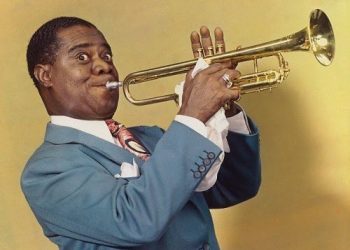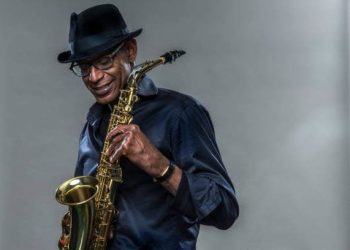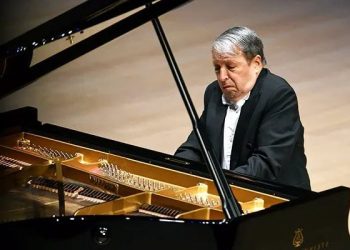
Jazz artists are musicians who specialize in playing jazz music, a genre known for its improvisational nature, complex rhythms, and expressive melodies. Jazz artists typically play instruments such as the trumpet, saxophone, piano, bass, and drums, but the genre encompasses a wide range of instruments and styles. Jazz artists often collaborate with other musicians in small ensembles or big bands, and they use their instruments to create unique and innovative sounds. Jazz artists are known for their technical skill, creativity, and ability to communicate emotion through their music, making them some of the most respected and admired musicians in the world.
1. Louis Armstrong
Louis Armstrong, born in 1901 in New Orleans, Louisiana, was a pioneering jazz trumpeter, vocalist, and cultural icon whose influence on the genre and popular music as a whole cannot be overstated. Known affectionately as “Satchmo” or “Pops,” Armstrong’s innovative trumpet playing, gravelly voice, and charismatic stage presence made him one of the most beloved and influential musicians of the 20th century.
Emerging in the early 1920s, Armstrong quickly rose to prominence with his groundbreaking recordings with the Hot Five and Hot Seven bands. Tracks like “West End Blues,” “Potato Head Blues,” and “Stardust” showcased his virtuosic trumpet skills, innovative improvisation, and soulful singing, helping to define the emerging jazz genre and establish Armstrong as its foremost ambassador.
Armstrong’s influence extended far beyond his instrumental prowess. His warm, gravelly voice and distinctive vocal style brought a new level of expressiveness to jazz singing, while his joyful stage presence and infectious personality endeared him to audiences around the world.
In addition to his musical contributions, Armstrong was also a trailblazer for civil rights and racial equality. His success as a black musician in a predominantly white industry paved the way for future generations of African American artists, while his outspokenness on social issues helped to challenge racial stereotypes and promote greater understanding and acceptance.
Throughout his long and illustrious career, Armstrong received numerous awards and accolades, including induction into the Grammy Hall of Fame and the Rock and Roll Hall of Fame. His recordings, such as “What a Wonderful World,” “Hello, Dolly!” and “When the Saints Go Marching In,” remain timeless classics that continue to inspire and uplift audiences of all ages.
Louis Armstrong’s enduring legacy as a musician, entertainer, and humanitarian ensures that his influence will be felt for generations to come. His joyful spirit, infectious music, and unwavering commitment to spreading love and positivity continue to resonate with people around the world, making him one of the most beloved and celebrated figures in the history of music.
2. Duke Ellington
Duke Ellington, born in 1899 in Washington, D.C., was a pioneering composer, pianist, and bandleader who played a central role in shaping the sound and direction of jazz music throughout the 20th century. Revered as one of the greatest American composers of all time, Ellington’s innovative compositions, sophisticated arrangements, and charismatic stage presence made him a towering figure in the world of music.
Emerging in the 1920s, Ellington’s orchestra, The Duke Ellington Orchestra, became one of the most celebrated and enduring ensembles in jazz history. Known for its virtuosic musicianship, imaginative orchestrations, and dynamic performances, the orchestra set new standards for excellence in jazz and helped elevate the genre to a new level of artistic sophistication.
Ellington’s musical style was characterized by its versatility, blending elements of jazz, blues, classical music, and popular song into a seamless and distinctive sound. His compositions, such as “Mood Indigo,” “Take the ‘A’ Train,” and “Sophisticated Lady,” are celebrated for their rich melodies, lush harmonies, and inventive use of instrumentation.
In addition to his achievements as a composer and bandleader, Ellington was also a groundbreaking pianist known for his unique playing style, characterized by its elegance, rhythmic drive, and harmonic sophistication. His innovative approach to the piano helped redefine the role of the instrument in jazz and influenced generations of pianists to come.
Throughout his long and illustrious career, Ellington received numerous awards and honors, including multiple Grammy Awards and the Presidential Medal of Freedom. His contributions to jazz and American music as a whole have left an indelible mark on the cultural landscape, and his legacy continues to be celebrated by musicians and audiences around the world.
Duke Ellington’s enduring influence as a composer, bandleader, and pianist ensures that his music will be cherished and admired for generations to come. His pioneering spirit, boundless creativity, and unwavering dedication to artistic excellence make him one of the most important and influential figures in the history of music.
3. Miles Davis
Miles Davis was an American jazz trumpeter, bandleader, and composer. Born in 1926 in Alton, Illinois, Davis emerged as one of the most influential and innovative figures in jazz history.
Davis’ career spanned over five decades, during which he played a major role in the development of several jazz styles, including bebop, cool jazz, hard bop, modal jazz, and jazz fusion. He was known for his distinctive trumpet sound, muted trumpet technique, and innovative approach to improvisation.
Davis’ recordings, such as “Kind of Blue,” “Bitches Brew,” and “Miles Ahead,” are considered classics of jazz and have had a lasting impact on the genre. He was also known for his collaborations with other jazz greats, including John Coltrane, Herbie Hancock, and Wayne Shorter.
In addition to his musical achievements, Davis was also known for his fashion sense, charisma, and controversial personality. He was a pioneer in the use of electric instruments in jazz and was at the forefront of the jazz fusion movement in the 1970s.
Miles Davis’ legacy as one of the greatest musicians in jazz history is secure, and his influence on the genre continues to be felt to this day. He passed away in 1991, but his music remains a testament to his talent, creativity, and innovation.
4. John Coltrane
John Coltrane was an American jazz saxophonist and composer known for his groundbreaking contributions to the genre. Born in 1926 in Hamlet, North Carolina, Coltrane emerged as a leading figure in jazz during the 1950s and 1960s.
Coltrane’s playing was characterized by its technical proficiency, harmonic complexity, and emotional intensity. He was known for his innovative approach to improvisation, incorporating elements of modal jazz, free jazz, and world music into his playing.
Coltrane’s recordings, such as “A Love Supreme,” “Giant Steps,” and “Blue Train,” are considered classics of jazz and have influenced generations of musicians. He was also known for his collaborations with other jazz greats, including Miles Davis, Thelonious Monk, and McCoy Tyner.
In addition to his musical achievements, Coltrane was also known for his spiritual journey and his quest for musical and personal enlightenment. He passed away in 1967, but his music remains a testament to his talent, creativity, and influence on the genre of jazz.
5. Ella Fitzgerald
Ella Fitzgerald, born in 1917 in Newport News, Virginia, was a pioneering jazz vocalist often referred to as the “First Lady of Song” or the “Queen of Jazz.” Renowned for her incredible vocal range, flawless technique, and improvisational skill, Fitzgerald’s influence on jazz and popular music is immeasurable.
Emerging in the 1930s, Fitzgerald rose to prominence as a member of the Chick Webb Orchestra, where her vocal talents quickly garnered attention. Her clear, pure tone and remarkable ability to scat sing made her a standout performer, and she soon embarked on a solo career that would catapult her to international stardom.
Fitzgerald’s recordings, such as her iconic “Songbook” series, where she interpreted the works of composers like Cole Porter, George Gershwin, and Duke Ellington, remain landmarks in the history of jazz and popular music. Her interpretations of classic American standards are celebrated for their elegance, sophistication, and emotional depth, earning her numerous awards and accolades throughout her career.
In addition to her technical mastery, Fitzgerald was also known for her warm, engaging stage presence and her ability to connect with audiences on a deeply emotional level. Her performances were marked by their joy, exuberance, and sheer musicality, making her one of the most beloved and respected performers of her time.
Beyond her contributions as a performer, Fitzgerald was also a trailblazer for civil rights and racial equality. As one of the first African American women to achieve widespread success in the music industry, she broke down barriers and paved the way for future generations of artists.
Ella Fitzgerald’s enduring legacy as a vocalist and interpreter of song ensures that her music will continue to inspire and delight audiences for generations to come. Her unparalleled talent, grace, and generosity of spirit make her one of the most beloved and revered figures in the history of jazz and popular music.
6. Thelonious Monk
Thelonious Monk was an American jazz pianist and composer known for his unique improvisational style and distinctive compositions. Born in 1917 in Rocky Mount, North Carolina, Monk emerged as one of the most original and influential figures in jazz during the 1940s and 1950s.
Monk’s playing was characterized by its angular melodies, dissonant harmonies, and rhythmic complexity. He was known for his unorthodox approach to the piano, using percussive attacks and unexpected pauses to create tension and surprise in his music.
Monk’s compositions, such as “Round Midnight,” “Blue Monk,” and “Straight, No Chaser,” are considered classics of jazz and have been recorded by countless musicians. He was also known for his idiosyncratic stage presence, often dancing and swaying while playing the piano.
In addition to his musical achievements, Monk was also a respected bandleader, leading several groups throughout his career and collaborating with some of the greatest jazz musicians of his time.
Thelonious Monk’s legacy as one of the greatest pianists and composers in jazz history is secure, and his influence on the genre continues to be felt to this day. He passed away in 1982, but his music remains a testament to his talent, creativity, and unique vision.
7. Charlie Parker
Charlie Parker, born in 1920 in Kansas City, Kansas, was a pioneering jazz saxophonist and composer whose innovative approach to music revolutionized the genre and laid the foundation for modern jazz. Revered as one of the greatest and most influential musicians in the history of jazz, Parker’s virtuosic playing, harmonic innovations, and improvisational genius earned him the nickname “Bird” and made him a towering figure in the world of music.
Emerging in the 1940s, Parker rose to prominence as a leading figure in the bebop movement, alongside musicians like Dizzy Gillespie and Thelonious Monk. His recordings with the Charlie Parker Quintet, such as “Koko,” “Now’s the Time,” and “Ornithology,” showcased his unparalleled skill as a saxophonist and his revolutionary approach to improvisation.
Parker’s playing was characterized by its blistering speed, technical precision, and melodic invention. His innovative use of harmony, rhythmic phrasing, and chromaticism pushed the boundaries of jazz and paved the way for the development of modern jazz styles such as cool jazz, hard bop, and modal jazz.
In addition to his contributions as a performer, Parker was also a gifted composer, penning numerous jazz standards that have become essential repertoire for musicians around the world. His compositions, such as “Yardbird Suite,” “Anthropology,” and “Confirmation,” are celebrated for their harmonic complexity, melodic richness, and rhythmic vitality.
Tragically, Parker’s life and career were marked by personal struggles with drug addiction and health issues, and he passed away in 1955 at the age of 34. However, his legacy as a musician and innovator continues to be celebrated by fans and musicians around the world. Charlie Parker’s groundbreaking contributions to jazz and his enduring influence on the cultural landscape ensure that his music will be cherished and admired for generations to come.
8. Billie Holiday
Billie Holiday, born Eleanora Fagan in 1915 in Philadelphia, Pennsylvania, was one of the most influential and iconic jazz vocalists of all time. Revered for her deeply emotional singing style, distinctive voice, and ability to convey profound emotion through her music, Holiday left an indelible mark on the world of jazz and popular music.
Emerging in the 1930s, Holiday rose to prominence as a jazz singer during the era of swing and big band music. Her recordings with bandleaders like Count Basie and Teddy Wilson, as well as her collaborations with musicians like Lester Young, quickly established her as a leading voice in jazz.
Holiday’s singing was characterized by its unique phrasing, soulful delivery, and ability to interpret a song with depth and authenticity. Her renditions of classic standards like “Strange Fruit,” “God Bless the Child,” and “Good Morning Heartache” are celebrated for their emotional intensity and timeless beauty.
In addition to her technical skill as a vocalist, Holiday was also a gifted interpreter of lyrics, able to infuse each word with personal meaning and nuance. Her ability to convey the pain, longing, and resilience of the human experience through her music resonated deeply with audiences around the world and earned her a devoted following.
Despite facing personal struggles and adversity throughout her life, including racism, poverty, and substance abuse, Holiday’s talent and resilience shone through in her music. Her recordings continue to inspire and influence singers across genres, and her impact on the cultural landscape remains profound.
Billie Holiday’s enduring legacy as a jazz vocalist and cultural icon ensures that her music will continue to be celebrated and cherished for generations to come. Her ability to capture the complexities of the human experience with honesty, grace, and vulnerability makes her one of the most beloved and influential figures in the history of music.
9. Art Blakey
Art Blakey was an American jazz drummer and bandleader known for his powerful, polyrhythmic drumming style and his influential leadership of the Jazz Messengers. Born in 1919 in Pittsburgh, Pennsylvania, Blakey emerged as a prominent figure in jazz during the 1940s and 1950s.
Blakey’s drumming was characterized by its explosive energy, creative use of accents and dynamics, and relentless drive. He was known for his ability to create a strong, swinging groove and his skillful coordination of the drums, cymbals, and other percussion instruments.
Blakey’s leadership of the Jazz Messengers, which began in the 1950s and continued until his death in 1990, helped to launch the careers of many young jazz musicians and solidify the hard bop style. The Jazz Messengers became known for their tight, cohesive sound and their innovative approach to jazz improvisation.
In addition to his work with the Jazz Messengers, Blakey recorded numerous albums as a leader and collaborated with many other jazz greats, including Thelonious Monk, Lee Morgan, and Wayne Shorter. He was also known for his mentoring of young musicians and his dedication to preserving and promoting the jazz tradition.
Art Blakey’s legacy as one of the greatest drummers and bandleaders in jazz history is secure, and his influence on the genre continues to be felt to this day. His music remains a testament to his talent, creativity, and passion for jazz.
10. Count Basie
Count Basie, born William James Basie in 1904 in Red Bank, New Jersey, was a pioneering jazz pianist, bandleader, and composer whose influential career spanned over five decades. Renowned for his distinctive piano style, innovative arrangements, and iconic swing feel, Basie played a central role in shaping the sound of jazz and big band music.
Emerging in the 1930s, Basie rose to prominence as the leader of the Count Basie Orchestra, one of the most celebrated and enduring big bands in jazz history. Known for its tight ensemble playing, infectious rhythms, and stellar soloists, the Basie Orchestra became synonymous with the swing era and helped define the sound of jazz during the 1930s and 1940s.
Basie’s piano playing was characterized by its understated elegance, rhythmic precision, and economical phrasing. His sparse, blues-inflected style was a perfect complement to the driving rhythms of the Basie Orchestra, and his skill as an accompanist and soloist made him one of the most in-demand pianists in jazz.
In addition to his talents as a pianist, Basie was also a gifted bandleader and arranger. His innovative arrangements, such as “One O’Clock Jump,” “Jumpin’ at the Woodside,” and “April in Paris,” are celebrated for their infectious grooves, memorable melodies, and tight ensemble playing.
Throughout his career, Basie received numerous awards and accolades, including multiple Grammy Awards and induction into the DownBeat Jazz Hall of Fame. His influence on jazz and popular music is immeasurable, and his recordings continue to be cherished by audiences around the world.
Count Basie’s enduring legacy as a pianist, bandleader, and composer ensures that his contributions to the world of music will be celebrated and admired for generations to come. His innovative spirit, infectious swing feel, and timeless recordings make him one of the most beloved figures in the history of jazz.
11. Dizzy Gillespie
Dizzy Gillespie, born John Birks Gillespie in 1917 in Cheraw, South Carolina, was a pioneering jazz trumpeter, bandleader, composer, and educator whose innovative approach to music helped shape the course of jazz history. Renowned for his virtuosic trumpet playing, innovative use of harmony, and charismatic stage presence, Gillespie left an indelible mark on the world of jazz and popular music.
Emerging in the 1940s, Gillespie rose to prominence as one of the leading figures of the bebop movement, alongside musicians like Charlie Parker and Thelonious Monk. His recordings with Parker, including “Salt Peanuts” and “Shaw ‘Nuff,” are celebrated for their harmonic complexity, rhythmic intensity, and improvisational brilliance.
Gillespie’s trumpet playing was characterized by its blazing speed, dazzling technique, and expressive tone. He was known for his mastery of the instrument’s upper register, as well as his innovative use of bent notes, growls, and other extended techniques that pushed the boundaries of traditional jazz trumpet playing.
In addition to his talents as a performer, Gillespie was also a gifted composer and bandleader. His compositions, such as “A Night in Tunisia,” “Manteca,” and “Groovin’ High,” are celebrated as jazz classics and have become essential repertoire for musicians around the world.
Throughout his career, Gillespie was a tireless innovator, constantly pushing the boundaries of jazz and exploring new musical territories. His collaborations with musicians from diverse backgrounds, including Latin jazz pioneers like Chano Pozo, helped to expand the scope of jazz and introduce new rhythms and influences to the genre.
In addition to his musical contributions, Gillespie was also a passionate advocate for jazz education and cultural exchange. He played a key role in promoting jazz as an art form around the world and was instrumental in bringing international attention to the music.
Dizzy Gillespie’s enduring legacy as a musician, composer, and ambassador of jazz ensures that his contributions to the world of music will be celebrated and admired for generations to come. His innovative spirit, boundless creativity, and unwavering commitment to artistic excellence make him one of the most beloved and influential figures in the history of jazz.
12. Sarah Vaughan
Sarah Vaughan, also known as “Sassy” and “The Divine One,” was an American jazz singer known for her stunning vocal range, control, and improvisational skill. Born in 1924 in Newark, New Jersey, Vaughan emerged as one of the leading female jazz vocalists of the 20th century.
Vaughan’s singing was characterized by its rich, velvety tone, incredible range, and emotional depth. She was known for her ability to effortlessly transition between octaves, her impeccable phrasing, and her mastery of the art of scat singing.
Vaughan’s recordings, such as “Misty,” “Lullaby of Birdland,” and “Summertime,” are considered classics of jazz and have influenced generations of musicians. She was also known for her collaborations with other jazz greats, including Charlie Parker, Dizzy Gillespie, and Billy Eckstine.
In addition to her musical achievements, Vaughan was also known for her glamorous stage presence, her charismatic personality, and her lifelong dedication to her craft. She received multiple Grammy Awards throughout her career and was inducted into the Jazz Hall of Fame in 1985.
Sarah Vaughan’s legacy as one of the greatest jazz singers of all time is secure, and her influence on the genre continues to be felt to this day. She passed away in 1990, but her music remains a testament to her talent, artistry, and enduring impact on jazz music.
13. Herbie Hancock
Herbie Hancock, born in 1940 in Chicago, Illinois, is a legendary jazz pianist, composer, and bandleader whose innovative approach to music has made him one of the most influential figures in jazz and popular music. Renowned for his virtuosic playing, groundbreaking compositions, and fearless experimentation, Hancock has continually pushed the boundaries of jazz and embraced a wide range of musical styles throughout his illustrious career.
Emerging in the 1960s as a member of the Miles Davis Quintet, Hancock quickly gained recognition for his inventive piano playing and his contributions to the development of modal jazz and jazz fusion. His recordings with Davis, including the landmark album “Kind of Blue,” are celebrated as some of the greatest achievements in jazz history.
Hancock’s solo career took off in the 1970s, with albums like “Head Hunters” and “Thrust” cementing his reputation as a pioneer of jazz fusion. His use of synthesizers, electronic effects, and funk rhythms helped define the sound of jazz fusion and influenced countless musicians across genres.
In addition to his achievements as a performer, Hancock is also a prolific composer and bandleader. His compositions, such as “Watermelon Man,” “Cantaloupe Island,” and “Chameleon,” are considered jazz standards and have been covered by artists in a wide range of genres.
Throughout his career, Hancock has received numerous awards and accolades, including multiple Grammy Awards and an Academy Award for his film score to “Round Midnight.” He continues to perform and record actively, collaborating with artists from diverse musical backgrounds and exploring new avenues of artistic expression.
In addition to his musical accomplishments, Hancock is also a dedicated humanitarian and advocate for education and technology. His work with organizations like UNESCO and the Thelonious Monk Institute of Jazz has helped to promote jazz as an art form and support young musicians around the world.
Herbie Hancock’s enduring legacy as a musician, composer, and cultural ambassador ensures that his contributions to the world of music will be celebrated and admired for generations to come. His innovative spirit, boundless creativity, and commitment to artistic excellence make him one of the most important and influential figures in the history of jazz.
14. Oscar Peterson
Oscar Peterson was a Canadian jazz pianist and composer known for his dazzling technique, virtuosic improvisations, and expressive style. Born in 1925 in Montreal, Quebec, Peterson emerged as one of the leading pianists in jazz during the 1950s and 1960s.
Peterson’s playing was characterized by its speed, agility, and harmonic sophistication. He was known for his ability to play with incredible speed and precision, effortlessly navigating complex chord changes and intricate melodic lines.
Peterson’s recordings, such as “Night Train,” “C Jam Blues,” and “Hymn to Freedom,” are considered classics of jazz and have influenced generations of musicians. He was also known for his collaborations with other jazz greats, including Ella Fitzgerald, Count Basie, and Dizzy Gillespie.
In addition to his musical achievements, Peterson was also a respected educator and mentor, teaching at several universities and passing on his knowledge and expertise to a new generation of pianists.
Oscar Peterson’s legacy as one of the greatest pianists in jazz history is secure, and his influence on the genre continues to be felt to this day. He passed away in 2007, but his music remains a testament to his talent, creativity, and enduring impact on jazz music.
15. Charles Mingus
Charles Mingus, born in 1922 in Nogales, Arizona, was a pioneering jazz bassist, composer, bandleader, and civil rights activist whose profound influence on the genre continues to resonate today. Renowned for his virtuosic bass playing, innovative compositions, and uncompromising artistic vision, Mingus left an indelible mark on the world of jazz and beyond.
Emerging in the 1940s and 1950s, Mingus quickly gained recognition for his distinctive style as a bassist, characterized by its powerful tone, rhythmic agility, and expressive improvisation. His contributions as a sideman with artists like Charlie Parker and Lionel Hampton showcased his exceptional talent and versatility, while his compositions began to garner attention for their originality and complexity.
As a bandleader, Mingus was known for his dynamic and adventurous approach to music, blending elements of bebop, blues, gospel, and classical music to create a unique and deeply personal sound. His compositions, such as “Goodbye Pork Pie Hat,” “Fables of Faubus,” and “Haitian Fight Song,” are celebrated for their emotional depth, structural innovation, and social commentary.
In addition to his musical achievements, Mingus was also a passionate advocate for civil rights and social justice. His outspokenness on issues of race and inequality, as well as his involvement in the civil rights movement, reflected his deep commitment to using his music as a tool for change.
Throughout his career, Mingus received numerous awards and accolades, including multiple Grammy nominations and induction into the DownBeat Jazz Hall of Fame. His recordings continue to be studied and admired by musicians and scholars alike, and his influence can be heard in the work of countless artists across genres.
Charles Mingus’s enduring legacy as a musician, composer, and activist ensures that his contributions to the world of music and social justice will be celebrated and remembered for generations to come. His fearless creativity, uncompromising integrity, and profound humanity make him one of the most important and influential figures in the history of jazz.

Edward Tomlin is a frequent contributor to Singers Room. Since 2005, Singersroom has been the voice of R&B around the world. Connect with us via social media below.