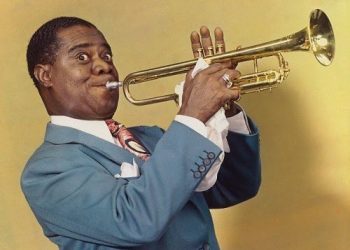
Trumpet players are integral to various music genres, especially jazz, classical, and popular music. Known for their distinctive brass sound, they excel in creating powerful, expressive tones. In jazz, legends like Louis Armstrong, Dizzy Gillespie, and Miles Davis revolutionized the genre with their innovative techniques and improvisational skills. Classical trumpet players, such as Maurice André and Wynton Marsalis, have showcased the instrument’s versatility and technical challenges. Whether leading a band or contributing to an orchestra, trumpet players bring energy and dynamism to performances, captivating audiences with their artistry and skill. Their contributions have profoundly shaped the musical landscape across generations.
1. Louis Armstrong
Louis Armstrong, affectionately known as “Satchmo” or “Pops,” was a groundbreaking American jazz trumpeter, vocalist, and influential cultural icon. Born in 1901 in New Orleans, Louisiana, Armstrong’s pioneering contributions to jazz music revolutionized the genre and propelled him to international fame. Renowned for his virtuosic trumpet playing, distinctive gravelly voice, and charismatic stage presence, Armstrong’s recordings, such as “West End Blues” and “What a Wonderful World,” are celebrated as timeless classics. His improvisational genius and innovative use of scat singing influenced generations of musicians and helped define the language of jazz. Beyond his musical achievements, Armstrong’s warmth, humor, and advocacy for civil rights endeared him to audiences worldwide, leaving an enduring legacy as one of the greatest and most beloved figures in the history of American music.
2. Miles Davis
Miles Davis, the iconic American jazz trumpeter, bandleader, and composer, was a visionary artist whose restless creativity and innovative spirit reshaped the landscape of jazz multiple times over. Born in 1926 in Alton, Illinois, Davis emerged as a central figure in the bebop and cool jazz movements of the 1940s and ’50s before leading the charge into modal jazz, hard bop, and jazz fusion in subsequent decades. His landmark recordings, such as “Kind of Blue” and “Bitches Brew,” are hailed as masterpieces that continue to inspire musicians across genres. Davis’ enigmatic persona, bold experimentation, and commitment to artistic evolution made him an enduring icon of 20th-century music, and his influence extends far beyond jazz into the realms of rock, hip-hop, and beyond.
3. Dizzy Gillespie
Dizzy Gillespie, the pioneering American jazz trumpeter, bandleader, and composer, was a central figure in the development of bebop and modern jazz. Born in 1917 in Cheraw, South Carolina, Gillespie’s virtuosic trumpet playing and irrepressible charisma made him one of the most influential musicians of the 20th century. Renowned for his innovative approach to harmony, rhythm, and improvisation, Gillespie’s compositions, such as “A Night in Tunisia” and “Salt Peanuts,” are celebrated for their complexity and vitality. His collaboration with Charlie Parker helped define the bebop movement, while his infectious personality and trademark bent trumpet made him a beloved ambassador for jazz worldwide. Gillespie’s legacy as a trailblazer, educator, and cultural ambassador endures, inspiring generations of musicians and transcending boundaries of genre and geography.
4. Chet Baker
Chet Baker, the American jazz trumpeter and vocalist, captivated audiences with his cool, understated style and hauntingly intimate sound. Born in 1929 in Yale, Oklahoma, Baker rose to fame in the 1950s as part of the West Coast jazz scene, earning acclaim for his lyrical trumpet playing and distinctive, vulnerable singing voice. His recordings, such as “My Funny Valentine” and “Let’s Get Lost,” epitomize the essence of jazz noir, blending melancholy lyricism with a sense of romantic longing. Despite battling personal demons throughout his life, Baker’s artistry and charisma left an indelible mark on jazz, influencing countless musicians and earning him a devoted following. His tragic yet iconic life story, coupled with his timeless music, cements his status as a legendary figure in jazz history.
5. Freddie Hubbard
Freddie Hubbard, the American jazz trumpeter, was a virtuoso known for his breathtaking technical prowess, soulful expressiveness, and innovative spirit. Born in 1938 in Indianapolis, Indiana, Hubbard emerged as a leading figure in the hard bop and post-bop movements of the 1960s and ’70s. Renowned for his brilliant improvisation, Hubbard’s fiery trumpet solos electrified audiences and inspired generations of musicians. His recordings, such as “Red Clay” and “Straight Life,” showcase his dynamic range and versatility, effortlessly navigating between bebop, modal jazz, and fusion styles. Hubbard’s contributions to jazz, both as a performer and composer, helped shape the evolution of the genre and solidify his legacy as one of its most influential and enduring figures.
6. Wynton Marsalis
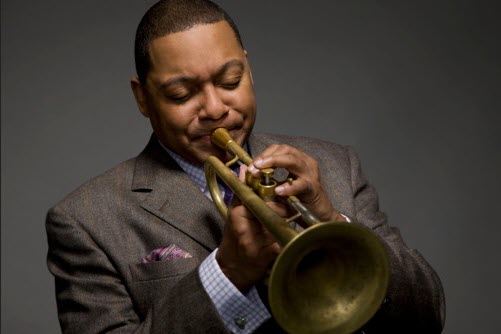
Wynton Marsalis, the American trumpeter, composer, and bandleader, is a towering figure in contemporary jazz and classical music. Born in 1961 in New Orleans, Louisiana, Marsalis emerged as a prodigious talent in his youth, becoming the first musician to win Grammy Awards in both jazz and classical categories in the same year. Renowned for his virtuosic trumpet playing, Marsalis’ music embodies the rich traditions of jazz while pushing the boundaries of innovation and creativity. As the artistic director of Jazz at Lincoln Center, he has championed the preservation and celebration of jazz as a vital American art form. Marsalis’ recordings, such as “Black Codes (From the Underground)” and “Marsalis Standard Time, Vol. 1,” showcase his impeccable technique, profound musicality, and unwavering commitment to excellence. His influence extends beyond the stage, as a prominent educator, advocate for the arts, and cultural ambassador. Marsalis’ enduring impact on the world of music cements his status as one of the most significant and influential figures in contemporary jazz.
7. Clifford Brown
Clifford Brown, the legendary American jazz trumpeter, left an indelible mark on the world of jazz with his dazzling technique, lyrical style, and profound musicality. Born in 1930 in Wilmington, Delaware, Brown’s career was tragically cut short when he died in a car accident at the age of 25, but his impact on the genre continues to resonate. Renowned for his warm tone, fluid improvisation, and impeccable phrasing, Brown’s recordings, such as “Joy Spring” and “Daahoud,” are celebrated as masterpieces of hard bop. His influence on subsequent generations of trumpeters is immeasurable, and his legacy as one of the greatest jazz musicians of all time is secure. Brown’s life may have been brief, but his music endures as a testament to his extraordinary talent and enduring spirit.
8. Lee Morgan
Lee Morgan, the American jazz trumpeter, was a prodigious talent whose fiery playing and soulful compositions helped define the hard bop era of the 1960s. Born in 1938 in Philadelphia, Pennsylvania, Morgan gained prominence as a teenager, joining Dizzy Gillespie’s big band before embarking on a successful solo career. Renowned for his muscular tone, virtuosic technique, and charismatic stage presence, Morgan’s recordings, such as “The Sidewinder” and “Cornbread,” became iconic staples of the jazz repertoire. Despite his tragic death at the age of 33, Morgan’s impact on the world of jazz endures, and his music continues to inspire and captivate audiences with its passion, energy, and enduring creativity.
9. Maynard Ferguson
Maynard Ferguson was a renowned Canadian jazz trumpeter and bandleader, celebrated for his virtuosic high-register trumpet playing. Born on May 4, 1928, in Verdun, Quebec, Ferguson gained prominence in the 1950s with Stan Kenton’s orchestra. He later formed his own big band, blending jazz with rock, funk, and classical elements. Known for hits like “Gonna Fly Now,” the theme from *Rocky*, Ferguson’s energetic performances and innovative arrangements captivated audiences worldwide. His career spanned over six decades, earning him a legacy as one of jazz’s most influential trumpeters. Ferguson passed away on August 23, 2006, leaving an indelible mark on the music world.
10. Arturo Sandoval
Arturo Sandoval, the Cuban-American jazz trumpeter, pianist, and composer, is a living legend known for his extraordinary virtuosity, versatility, and musical innovation. Born in 1949 in Artemisa, Cuba, Sandoval rose to prominence as a member of the iconic Cuban jazz ensemble Irakere before defecting to the United States in 1990. Renowned for his breathtaking trumpet technique, Sandoval’s performances showcase a dazzling array of styles, from bebop and Latin jazz to classical and beyond. His recordings, such as “A Time for Love” and “Dear Diz (Every Day I Think of You),” highlight his unparalleled musicianship and deep emotional expressiveness. Beyond his accomplishments as a performer, Sandoval is also a prolific composer and educator, dedicated to preserving and advancing the rich tradition of jazz music. His influence on the world of jazz and beyond is immeasurable, and his legacy as one of the greatest trumpeters of all time is assured.
11. Roy Hargrove
Roy Hargrove was an influential American jazz trumpeter, known for his versatility and ability to seamlessly blend different genres. Born on October 16, 1969, in Waco, Texas, Hargrove emerged in the 1980s as a prodigious talent, mentored by jazz luminaries like Wynton Marsalis. He led the Roy Hargrove Quintet and the genre-blending RH Factor, showcasing his prowess in both straight-ahead jazz and funk-infused styles. Hargrove’s collaborations spanned across jazz, R&B, hip-hop, and soul, working with artists such as Herbie Hancock, D’Angelo, and Erykah Badu. He passed away on November 2, 2018, leaving a rich legacy of innovation and excellence in jazz.
12. Donald Byrd
Donald Byrd, the influential American jazz trumpeter, composer, and educator, was a central figure in the development of hard bop and jazz fusion. Born in 1932 in Detroit, Michigan, Byrd’s career spanned several decades, during which he recorded prolifically as a leader and sideman, collaborating with some of the most notable figures in jazz. Renowned for his smooth tone, inventive improvisation, and impeccable technique, Byrd’s recordings, such as “A New Perspective” and “Ethiopian Knights,” exemplify his innovative approach to blending jazz with elements of soul, funk, and R&B. Beyond his contributions as a musician, Byrd was also a dedicated educator, serving as a professor at Howard University and mentoring numerous aspiring musicians. His impact on the world of jazz and beyond is enduring, and his legacy as a trailblazer in jazz fusion and jazz education is firmly established.
13. Fats Navarro
Fats Navarro was a pioneering American jazz trumpeter, renowned for his powerful, virtuosic playing and significant contributions to the bebop movement. Born Theodore Navarro on September 24, 1923, in Key West, Florida, he quickly gained recognition in the 1940s, performing with prominent big bands led by Andy Kirk, Billy Eckstine, and Benny Goodman. Navarro’s innovative style and technical mastery influenced future jazz trumpeters, including Clifford Brown. His notable recordings include work with the Tadd Dameron Quintet and the influential “Nostalgia.” Despite his brief career, cut short by tuberculosis and heroin addiction, Navarro left an enduring impact on jazz before his death on July 7, 1950.
14. Woody Shaw
Woody Shaw, the pioneering American jazz trumpeter and composer, was a virtuoso known for his inventive improvisation, innovative compositions, and bold musical vision. Born in 1944 in Laurinburg, North Carolina, Shaw rose to prominence in the 1960s and ’70s, establishing himself as a leading figure in the post-bop and avant-garde jazz movements. Renowned for his muscular tone, dazzling technique, and harmonic sophistication, Shaw’s recordings, such as “Rosewood” and “The Moontrane,” are celebrated for their depth and complexity. Despite facing personal struggles, Shaw’s unwavering commitment to artistic excellence and musical exploration left an indelible mark on the jazz world. His influence on subsequent generations of trumpeters and composers is profound, and his legacy as one of the most innovative and influential figures in jazz is firmly established.
15. Clark Terry
Clark Terry was an influential American jazz trumpeter and flugelhornist, celebrated for his lyrical playing and signature sound. Born on December 14, 1920, in St. Louis, Missouri, Terry’s career spanned over seventy years, making significant contributions to the swing and bebop eras. He played with the orchestras of Count Basie and Duke Ellington, and later became a prominent member of the Tonight Show Band. Known for his technical prowess, warm tone, and innovative “mumbling” scat singing, Terry was also a dedicated educator, mentoring numerous young musicians. He received numerous accolades, including a Grammy Lifetime Achievement Award. Clark Terry passed away on February 21, 2015, leaving a lasting legacy in jazz history.

Edward Tomlin is a frequent contributor to Singers Room. Since 2005, Singersroom has been the voice of R&B around the world. Connect with us via social media below.