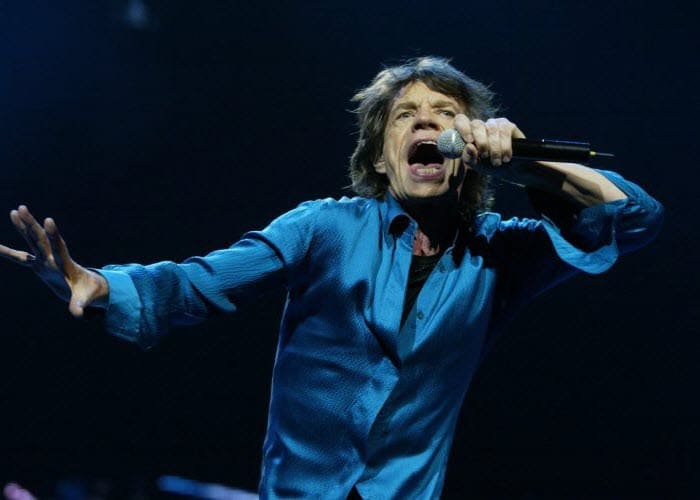
Mick Jagger is a legendary British musician, singer, songwriter, and actor, best known as the lead vocalist and one of the founding members of the Rolling Stones. Born Michael Philip Jagger on July 26, 1943, in Dartford, Kent, England, he rose to prominence in the 1960s as a central figure in the British Invasion alongside his bandmates Keith Richards, Brian Jones, Charlie Watts, and Bill Wyman.
Jagger’s dynamic stage presence, charismatic persona, and distinctive voice have made him one of the most iconic figures in rock ‘n’ roll history. With the Rolling Stones, he has released numerous hit albums and singles, including timeless classics like “(I Can’t Get No) Satisfaction,” “Paint It Black,” “Sympathy for the Devil,” and “Start Me Up.”
Beyond his musical career, Jagger has also ventured into acting, appearing in films such as “Performance,” “Ned Kelly,” and “The Man from Elysian Fields.” He has received numerous awards and honors throughout his career, including induction into the Rock and Roll Hall of Fame as a member of the Rolling Stones.
Mick Jagger’s influence on popular culture, both as a musician and as a cultural icon, is immeasurable. His boundary-pushing creativity, enduring talent, and unparalleled stage presence have solidified his status as one of the greatest rock frontmen of all time.
1. Old Habits Die Hard
2. Wired All Night
“Wired All Night” is a song by Mick Jagger, featured on his second solo album, “Wandering Spirit,” released in 1993. The track is characterized by its bluesy rock sound and Jagger’s distinctive vocals.
“Wired All Night” explores themes of passion, desire, and the thrill of the night. The lyrics depict a sense of urgency and longing, with Jagger’s vocals conveying a raw intensity and energy.
Musically, the song features gritty guitar riffs, driving rhythms, and a dynamic arrangement that builds to a powerful climax. Jagger’s charismatic performance and emotive delivery make “Wired All Night” a standout track on the album.
The song showcases Jagger’s ability to craft compelling rock anthems outside of his work with the Rolling Stones, further establishing him as a formidable solo artist in his own right.
3. Lucky In Love
“Lucky in Love” is a track by Mick Jagger, included on his debut solo album “She’s the Boss,” released in 1985. The song embodies a blend of pop and rock with elements of dance and synth-pop prevalent in the 1980s.
“Lucky in Love” explores themes of romantic optimism and the joy of newfound love. Mick Jagger’s vocals exude a playful charm as he sings about the excitement and exhilaration of being fortunate in matters of the heart.
The song features catchy melodies, upbeat rhythms, and infectious hooks that make it a standout track on the album. With its polished production and catchy chorus, “Lucky in Love” captures the essence of 1980s pop-rock sensibilities.
While “She’s the Boss” received mixed reviews upon its release, “Lucky in Love” remains a favorite among fans of Mick Jagger’s solo work, showcasing his ability to adapt to contemporary musical trends while retaining his distinctive style and charisma.
4. Sweet Thing
“Sweet Thing” is a soulful ballad by Mick Jagger, featured on his third solo album, “Wandering Spirit,” released in 1993. The song showcases Jagger’s emotive vocals and heartfelt delivery.
“Sweet Thing” explores themes of love, longing, and desire. Mick Jagger’s lyrics convey a sense of yearning and devotion as he sings about the object of his affection.
Musically, the song is characterized by its bluesy instrumentation, including soulful guitar riffs and melodic piano lines. The arrangement builds gradually, creating a lush and atmospheric backdrop for Jagger’s vocals to shine.
With its heartfelt lyrics and soulful melody, “Sweet Thing” is a standout track on “Wandering Spirit,” demonstrating Mick Jagger’s versatility as a singer and songwriter beyond his work with the Rolling Stones.
5. Party Doll
“Party Doll” is a song written by Mick Jagger and Keith Richards, released as a solo single by Jagger in 1987. The track was included on Jagger’s debut solo album “She’s the Boss,” released in 1985.
“Party Doll” is characterized by its catchy pop-rock sound and upbeat rhythm. Lyrically, the song is about living life to the fullest and enjoying the thrill of the party scene. Jagger’s charismatic vocals and energetic delivery capture the excitement and hedonism of nightlife.
With its infectious hooks and lively instrumentation, “Party Doll” became a hit on the charts, showcasing Mick Jagger’s ability to craft memorable pop songs outside of his work with the Rolling Stones. The song remains a favorite among fans of Jagger’s solo discography, embodying the spirit of fun and celebration.
6. Lonely At The Top
“Lonely at the Top” is a song by Mick Jagger, released on his second solo album, “Primitive Cool,” in 1987. The track explores themes of fame, success, and the emptiness that can accompany it.
In “Lonely at the Top,” Mick Jagger reflects on the challenges and pressures of life in the spotlight. The lyrics delve into the complexities of celebrity and the sense of isolation that can come with it, despite outward appearances of glamour and success.
Musically, the song features a bluesy rock sound, with Jagger’s distinctive vocals conveying a sense of vulnerability and introspection. The arrangement includes soulful guitar riffs and a driving rhythm section, adding depth and intensity to the song’s emotional resonance.
“Lonely at the Top” showcases Mick Jagger’s talent for crafting introspective and thought-provoking songs that explore the human condition. It remains a standout track on “Primitive Cool,” resonating with listeners who can relate to the challenges of fame and the pursuit of success.
7. God Gave Me Everything
“God Gave Me Everything” is a song by Mick Jagger, featuring Lenny Kravitz, released in 2001 as a single from Jagger’s third solo album, “Goddess in the Doorway.” The track is a high-energy rock song with elements of funk and electronic music.
“God Gave Me Everything” is characterized by its driving rhythm, catchy guitar riffs, and infectious groove. Lyrically, the song expresses gratitude for life’s blessings and the recognition of one’s own power and potential. The chorus emphasizes the idea that everything one needs to succeed is already within oneself.
Mick Jagger’s dynamic vocals are complemented by Lenny Kravitz’s guitar work and backing vocals, adding depth and texture to the song’s sound. The track’s upbeat tempo and anthemic quality make it a standout on the album and a favorite among fans of Jagger’s solo work.
“God Gave Me Everything” received positive reviews from critics and achieved moderate commercial success, further solidifying Mick Jagger’s reputation as a versatile and enduring rock artist.
8. Don’t Tear Me Up
“Don’t Tear Me Up” is a soulful ballad by Mick Jagger, released on his third solo album, “Wandering Spirit,” in 1993. The song showcases Jagger’s emotive vocals and introspective songwriting.
“Don’t Tear Me Up” explores themes of vulnerability, heartache, and the fear of being emotionally wounded. Mick Jagger’s lyrics convey a sense of pleading and desperation as he sings about the pain of a failing relationship and the desire to protect oneself from further harm.
Musically, the song is characterized by its bluesy instrumentation, including soulful guitar licks and a haunting piano melody. The arrangement builds gradually, creating a melancholic and atmospheric backdrop for Jagger’s heartfelt vocals.
With its poignant lyrics and soulful melody, “Don’t Tear Me Up” is a standout track on “Wandering Spirit,” demonstrating Mick Jagger’s ability to convey raw emotion and vulnerability through his music.
9. Dancing In The Streets
“Dancing in the Street” is a classic song originally recorded by Martha and the Vandellas in 1964. However, it became widely popular when covered by David Bowie and Mick Jagger in 1985.
Bowie and Jagger’s version of “Dancing in the Street” was recorded as part of the Live Aid charity event and released as a single to raise funds for the cause. The song features a lively and upbeat arrangement, with Bowie and Jagger’s vocals complementing each other as they trade verses and harmonize on the chorus.
“Dancing in the Street” is a celebration of music, dance, and unity, with its infectious groove and catchy melody inspiring listeners to join in the festivities. The song’s energetic performance and iconic music video, featuring Bowie and Jagger dancing through the streets of London, have made it a beloved classic and a symbol of collaboration and camaraderie in the world of music.
10. Just Another Night
“Just Another Night” is a song by Mick Jagger, released as the lead single from his debut solo album, “She’s the Boss,” in 1985. The track is characterized by its catchy pop-rock sound and upbeat rhythm.
“Just Another Night” explores themes of love, longing, and the thrill of romance. Mick Jagger’s vocals exude a sense of passion and excitement as he sings about the highs and lows of relationships.
The song features infectious hooks, lively instrumentation, and a memorable chorus that make it a standout track on the album. With its polished production and catchy melody, “Just Another Night” was a commercial success, reaching high chart positions around the world.
The song remains a favorite among fans of Mick Jagger’s solo work, embodying the spirit of 1980s pop-rock and showcasing his ability to craft memorable and accessible pop songs outside of his work with the Rolling Stones.

Edward Tomlin is a frequent contributor to Singers Room. Since 2005, Singersroom has been the voice of R&B around the world. Connect with us via social media below.









