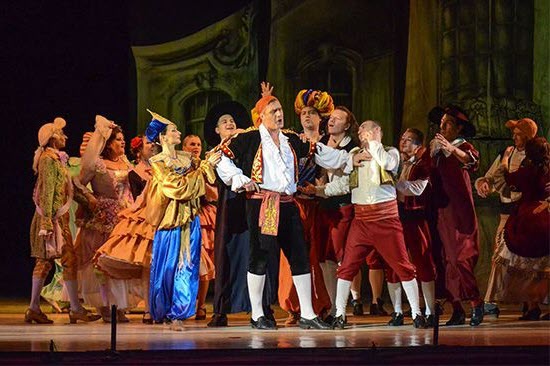
Opera, the grandest of all musical art forms, has enthralled audiences for centuries with its soaring melodies, intricate compositions, and powerful storytelling. Within this rich tapestry of operatic masterpieces, certain songs stand out as timeless classics that have captivated generations of listeners. In this article, we embark on a journey through the hallowed halls of opera houses around the world to uncover the Top 15 Best Opera Songs of All Time. From the majestic arias of Verdi and Puccini to the haunting melodies of Mozart and Wagner, each selection on this list represents the pinnacle of vocal virtuosity and emotional depth. Whether you’re a seasoned opera aficionado or a newcomer eager to explore this exquisite art form, these iconic songs are sure to leave a lasting impression. Prepare to be swept away by the passion, drama, and sheer beauty of these extraordinary compositions as we celebrate the enduring legacy of opera’s greatest hits. So, dim the lights, raise the curtain, and let the music transport you to a world of unbridled emotion and unparalleled artistry.
1. Nessun dorma by Giacomo Puccini
“Nessun Dorma” is not just an opera song; it’s a masterpiece that transcends time and genre, earning its place as one of the most iconic and beloved pieces in the history of music. Composed by the legendary Italian composer Giacomo Puccini for his opera “Turandot,” this aria has captured the hearts and souls of listeners worldwide.
Translated to “None Shall Sleep,” “Nessun Dorma” is a powerful tenor aria that encapsulates the emotional depth and intensity of the human experience. Its soaring melody, accompanied by a lush orchestral arrangement, conveys a range of emotions from longing and hope to despair and determination.
The aria’s climactic moment, with its triumphant cry of “Vincerò!” (“I will win!”), has become an anthem of courage and resilience, inspiring countless listeners with its message of triumph over adversity.
From its debut in 1926 to its frequent appearances in popular culture, including in sports events and film soundtracks, “Nessun Dorma” continues to captivate audiences with its timeless beauty and universal themes. Its enduring popularity solidifies its place as one of the topmost beloved opera songs of all time, a testament to Puccini’s genius and the enduring power of music to touch the soul.
2. La donna e mobile by Giuseppe Verdi
“La donna è mobile” is a sparkling gem within the crown of Italian opera, composed by the illustrious Giuseppe Verdi for his opera “Rigoletto.” This aria embodies the essence of the fickle nature of love, encapsulating both its charm and its transience.
Verdi’s masterful composition sets the stage for the Duke of Mantua’s character, a charismatic womanizer whose smooth and beguiling demeanor masks his lack of genuine affection. The aria’s jaunty melody, accompanied by lively orchestration, captures the Duke’s carefree attitude towards romance as he sings of the unpredictable nature of women.
With its catchy refrain and playful rhythm, “La donna è mobile” has become one of the most recognizable and enduringly popular opera songs of all time. Its infectious melody has found its way into popular culture, gracing everything from advertisements to film soundtracks, ensuring its place in the hearts of listeners far beyond the opera house.
As a testament to Verdi’s genius, “La donna è mobile” continues to delight and enchant audiences with its irresistible charm and timeless appeal, solidifying its position as one of the topmost beloved opera songs in history.
3. O mio babbino caro by Giacomo Puccini
“O mio babbino caro,” an aria from Giacomo Puccini’s opera “Gianni Schicchi,” emerges as a timeless treasure in the world of opera. Translated to “O my dear father,” this aria is a poignant and heartfelt plea sung by the character Lauretta, who begs her father for permission to marry the man she loves.
Puccini’s composition weaves together a tender melody with delicate orchestration, evoking a sense of longing and desperation. Lauretta’s impassioned vocals express her deep love and desire to be with her beloved, despite the obstacles in her path.
With its exquisite beauty and emotional depth, “O mio babbino caro” has captivated audiences since its debut in 1918. Its haunting melody and universal theme of love and sacrifice resonate with listeners across generations, making it one of the most beloved and enduring opera songs of all time.
Beyond the opera stage, “O mio babbino caro” has found its way into popular culture, featured in films, television shows, and commercials, further cementing its place in the collective consciousness. Its timeless appeal and poignant message ensure that it will continue to enchant audiences for years to come, solidifying its status as one of the topmost popular and cherished opera songs in history.
4. Der Hölle Rache kocht in meinem Herzen by Wolfgang Amadeus Mozart
“Der Hölle Rache kocht in meinem Herzen” is a dramatic aria from Wolfgang Amadeus Mozart’s opera “Die Zauberflöte” (The Magic Flute). This aria, also known as the “Queen of the Night Aria,” is a tour de force of vocal agility and intensity.
In this aria, the character Queen of the Night reveals her vengeful intentions and urges her daughter, Pamina, to kill Sarastro, the high priest. The aria’s fiery coloratura passages and soaring high notes showcase the Queen’s wrath and determination.
Mozart’s composition is both musically intricate and emotionally charged, reflecting the Queen’s tumultuous emotions. The rapid-fire vocal runs and dazzling ornamentation make it a thrilling showcase for sopranos with exceptional vocal range and agility.
“Der Hölle Rache kocht in meinem Herzen” has earned a place as one of the most iconic and challenging arias in the operatic repertoire. Its electrifying intensity and virtuosic demands continue to captivate audiences and challenge singers, ensuring its enduring popularity and status as one of the topmost beloved opera songs of all time.
5. Libiamo ne’ lieti calici by Giuseppe Verdi
“Libiamo ne’ lieti calici,” translated as “Let’s drink from the joyful cups,” is a vibrant and celebratory drinking song from Giuseppe Verdi’s opera “La traviata.” Set against the backdrop of a lavish party, this lively duet captures the exuberance and hedonism of the characters as they revel in the pleasures of life.
Verdi’s composition brims with infectious energy, featuring a catchy melody accompanied by sparkling orchestration. The lyrics, sung by the characters Alfredo and Violetta, exhort the guests to embrace the moment and indulge in the pleasures of love and wine.
As glasses clink and laughter fills the air, “Libiamo ne’ lieti calici” becomes a joyful expression of camaraderie and joie de vivre. Its upbeat tempo and memorable melody have made it a favorite among audiences, often performed as a standalone piece in concerts and recitals.
Beyond its musical appeal, the duet’s themes of love, freedom, and living life to the fullest resonate with listeners of all ages. Its enduring popularity and universal message have solidified its place as one of the topmost beloved opera songs of all time, a timeless ode to the joys of friendship, love, and celebration.
6. Largo al factotum by Gioachino Rossini
“Largo al factotum” is an iconic aria from Gioachino Rossini’s opera “Il Barbiere di Siviglia” (The Barber of Seville). It introduces the character Figaro, the charismatic and quick-witted barber of Seville, who boasts about his skills and popularity.
Rossini’s composition is characterized by its lively tempo and playful melody, perfectly capturing Figaro’s confident and larger-than-life personality. The aria’s famous patter section, where Figaro lists his various duties and skills, requires exceptional vocal agility and comedic timing from the baritone performer.
“Largo al factotum” is a tour de force of vocal virtuosity and theatrical flair, making it a favorite among audiences and performers alike. Its catchy tune and humorous lyrics have made it a staple of the operatic repertoire, often performed in concert halls and opera houses around the world.
Beyond its musical brilliance, the aria serves as a vibrant character introduction, setting the stage for the comedic hijinks and romantic entanglements that unfold throughout the opera. Its enduring popularity and infectious charm solidify its place as one of the topmost beloved opera songs of all time, a timeless showcase of Rossini’s genius and Figaro’s irresistible charm.
7. Vissi d’arte by Giacomo Puccini
“Vissi d’arte” is a poignant aria from Giacomo Puccini’s opera “Tosca,” expressing the inner turmoil and anguish of the character Floria Tosca. As she faces a moment of crisis, Tosca reflects on her life as an artist and questions why she, who has lived for art and love, must endure such suffering.
Puccini’s composition is hauntingly beautiful, with a melody that soars with Tosca’s emotional turmoil and aching vulnerability. The aria’s introspective lyrics delve deep into the character’s psyche, exploring themes of sacrifice, despair, and the search for meaning in a world filled with injustice.
“Vissi d’arte” showcases Puccini’s gift for blending music and drama, drawing listeners into the inner world of his characters with breathtaking emotional intensity. Through Tosca’s anguished plea, the aria becomes a universal expression of the human experience, resonating with anyone who has grappled with adversity and questioned the fairness of life.
With its heartbreaking beauty and raw emotional power, “Vissi d’arte” has captivated audiences for generations, earning its place as one of the most beloved and revered opera songs of all time. Its timeless message of resilience and the enduring power of art continues to inspire and move listeners around the world.
8. Un bel di vedremo by Giacomo Puccini
“Un bel dì vedremo” is a mesmerizing aria from Giacomo Puccini’s opera “Madama Butterfly.” Sung by the protagonist, Cio-Cio San (Butterfly), the aria expresses her unwavering hope and belief that one day, her beloved Lieutenant Pinkerton will return to her.
Puccini’s composition is hauntingly beautiful, with a melody that unfolds like a delicate flower, conveying both Cio-Cio San’s longing and her determination to wait for Pinkerton’s return. The aria’s emotional depth and poignancy capture the essence of unrequited love and the bittersweet nature of hope.
As Cio-Cio San imagines the day of Pinkerton’s return, “Un bel dì vedremo” becomes a poignant meditation on love, loss, and the passage of time. Its evocative melody and heartfelt lyrics have touched the hearts of audiences around the world, making it one of the most beloved and iconic opera songs of all time.
Beyond its musical brilliance, the aria serves as a powerful character moment, revealing the depth of Cio-Cio San’s emotions and her unwavering faith in love. Its enduring popularity and universal themes ensure that “Un bel dì vedremo” will continue to resonate with listeners for generations to come, a timeless testament to Puccini’s genius and the power of opera to move the soul.
9. Si, mi chiamano Mimi by Giacomo Puccini
“Si, mi chiamano Mimi” is a captivating aria from Giacomo Puccini’s opera “La Bohème.” Sung by the character Mimì, the aria introduces her to the audience and reveals her gentle and romantic nature.
Puccini’s composition is tender and intimate, with a melody that reflects Mimì’s innocence and vulnerability. The aria’s lyrical beauty and emotional depth draw listeners into Mimì’s world as she describes her simple life and dreams of love.
As Mimì confides in the audience, “Si, mi chiamano Mimi” becomes a poignant exploration of love, longing, and the fleeting nature of happiness. Its heartfelt lyrics and expressive melody have resonated with audiences for generations, making it one of the most beloved and iconic opera songs of all time.
Beyond its musical brilliance, the aria serves as a powerful character moment, revealing Mimì’s hopes, fears, and desires. Its enduring popularity and universal themes ensure that “Si, mi chiamano Mimi” will continue to touch the hearts of listeners around the world, a timeless testament to Puccini’s genius and the enduring power of opera to move the soul.
10. E lucevan le stelle by Giacomo Puccini
“E lucevan le stelle” is a hauntingly beautiful aria from Giacomo Puccini’s opera “Tosca.” Sung by the character Mario Cavaradossi, it serves as a poignant reflection on love, loss, and impending doom.
Puccini’s composition is achingly melodic, with a tender yet melancholic melody that perfectly captures Cavaradossi’s inner turmoil. As he awaits his execution, he reminisces about his love for Tosca and the beauty of life that he is soon to leave behind.
The aria’s title, meaning “And the stars were shining,” sets the scene of a serene evening, contrasting sharply with the impending tragedy. Cavaradossi’s soulful vocals express a mixture of resignation, longing, and acceptance as he faces his fate with both courage and despair.
“E lucevan le stelle” is revered for its emotional depth and lyrical beauty, resonating with audiences on a profound level. Its timeless themes of love, fate, and mortality continue to captivate listeners, cementing its status as one of the most beloved and iconic opera songs of all time.
Through its exquisite melody and poignant lyrics, “E lucevan le stelle” stands as a testament to Puccini’s mastery as a composer and his ability to evoke the deepest emotions of the human spirit.
11. Voi, che sapete by Wolfgang Amadeus Mozart
“Voi, che sapete” is a delightful aria from Wolfgang Amadeus Mozart’s opera “Le Nozze di Figaro” (The Marriage of Figaro). Sung by the character Cherubino, a young pageboy, the aria is a charming expression of adolescent curiosity and infatuation.
Mozart’s composition is characterized by its playful and lilting melody, perfectly capturing Cherubino’s youthful exuberance and innocence. The aria’s light-hearted lyrics express Cherubino’s confusion and wonderment as he navigates the complexities of love and desire.
“Voi, che sapete” has become one of Mozart’s most beloved and frequently performed arias, cherished for its infectious charm and lyrical beauty. Its catchy tune and endearing lyrics have endeared it to audiences of all ages, making it a favorite among both opera enthusiasts and newcomers alike.
Beyond its musical brilliance, the aria serves as a delightful character moment, offering insight into Cherubino’s endearing personality and romantic aspirations. Its enduring popularity and universal appeal ensure that “Voi, che sapete” will continue to captivate listeners for generations to come, a timeless gem in the repertoire of Mozart’s masterpieces.
12. Che gelida manina by Giacomo Puccini
12. Che gelida manina by Giacomo Puccini
“Che gelida manina” is a breathtaking aria from Giacomo Puccini’s opera “La Bohème.” Sung by the character Rodolfo, a struggling poet, the aria serves as a passionate declaration of love to Mimi, the seamstress he has just met.
Puccini’s composition is filled with tender longing and romantic fervor, with a melody that soars with emotion. The aria’s title, meaning “What a cold little hand,” refers to the moment when Rodolfo takes Mimi’s cold hand in his, igniting a spark of love and desire.
As Rodolfo pours out his heart to Mimi, “Che gelida manina” becomes a poignant expression of the ecstasy and vulnerability of falling in love. Its sweeping melody and heartfelt lyrics have resonated with audiences for generations, making it one of the most beloved and iconic opera songs of all time.
Beyond its musical brilliance, the aria serves as a powerful character moment, revealing Rodolfo’s tender and passionate nature. Its enduring popularity and universal themes ensure that “Che gelida manina” will continue to touch the hearts of listeners around the world, capturing the timeless magic of Puccini’s masterpiece, “La Bohème.”
13. The Toreador Song by Georges Bizet
“The Toreador Song” is a rousing aria from Georges Bizet’s opera “Carmen.” Sung by the character Escamillo, a dashing bullfighter, the aria celebrates the bravery and allure of the bullfighter’s profession.
Bizet’s composition is vibrant and energetic, with a stirring melody that reflects the swagger and confidence of Escamillo. The aria’s catchy refrain and bold orchestration evoke the excitement and spectacle of the bullring, capturing the imaginations of audiences with its thrilling rhythms and dynamic vocal lines.
“The Toreador Song” has become one of the most recognizable and beloved opera arias of all time, celebrated for its infectious charm and bravado. Its triumphant melody and spirited lyrics have made it a favorite among opera singers and audiences alike, often performed as a standalone piece in concerts and recitals.
Beyond its musical brilliance, the aria serves as a vibrant character introduction, revealing Escamillo’s charisma and magnetism. Its enduring popularity and universal appeal ensure that “The Toreador Song” will continue to captivate listeners for generations to come, a timeless testament to Bizet’s genius and the enduring allure of “Carmen.”
14. Una furtiva lagrima by Gaetano Donizetti
“Una furtiva lagrima” is a spellbinding aria from Gaetano Donizetti’s opera “L’elisir d’amore” (The Elixir of Love). Sung by the character Nemorino, a young peasant in love, the aria is a tender and heartfelt expression of his newfound emotions.
Donizetti’s composition is infused with delicate beauty and emotional depth, with a melody that unfolds like a gentle sigh. The aria’s title, meaning “A furtive tear,” refers to the moment when Nemorino sees a tear in the eye of his beloved, Adina, and interprets it as a sign of her love for him.
As Nemorino reflects on this moment, “Una furtiva lagrima” becomes a poignant meditation on the transformative power of love. Its heartfelt lyrics and exquisite melody have touched the hearts of audiences for generations, making it one of the most beloved and iconic opera songs of all time.
Beyond its musical brilliance, the aria serves as a powerful character moment, revealing Nemorino’s vulnerability and sincerity. Its enduring popularity and universal appeal ensure that “Una furtiva lagrima” will continue to enchant listeners for years to come, a timeless testament to Donizetti’s genius and the enduring power of love in all its forms.
15. Va, pensiero by Giuseppe Verdi
“Va, pensiero” is a stirring chorus from Giuseppe Verdi’s opera “Nabucco.” Often referred to as the “Chorus of the Hebrew Slaves,” it has become an anthem of longing for freedom and homeland.
Verdi’s composition is both powerful and deeply emotional, with a melody that resonates with longing and sorrow. The chorus’s lyrics express the anguish of the Israelites as they yearn for their lost homeland and freedom from oppression.
“Va, pensiero” has transcended its operatic origins to become a symbol of national identity and resilience. Its soaring melody and poignant lyrics have struck a chord with audiences around the world, making it one of the most beloved and iconic choral pieces in the classical repertoire.
Beyond its musical brilliance, the chorus serves as a powerful reminder of the human spirit’s capacity for hope and resilience in the face of adversity. Its enduring popularity and universal appeal ensure that “Va, pensiero” will continue to inspire and move listeners for generations to come, a timeless testament to Verdi’s genius and the enduring power of music to unite and uplift the soul.

Samuel Moore is a frequent contributor to Singers Room. Since 2005, Singersroom has been the voice of R&B around the world. Connect with us via social media below.









