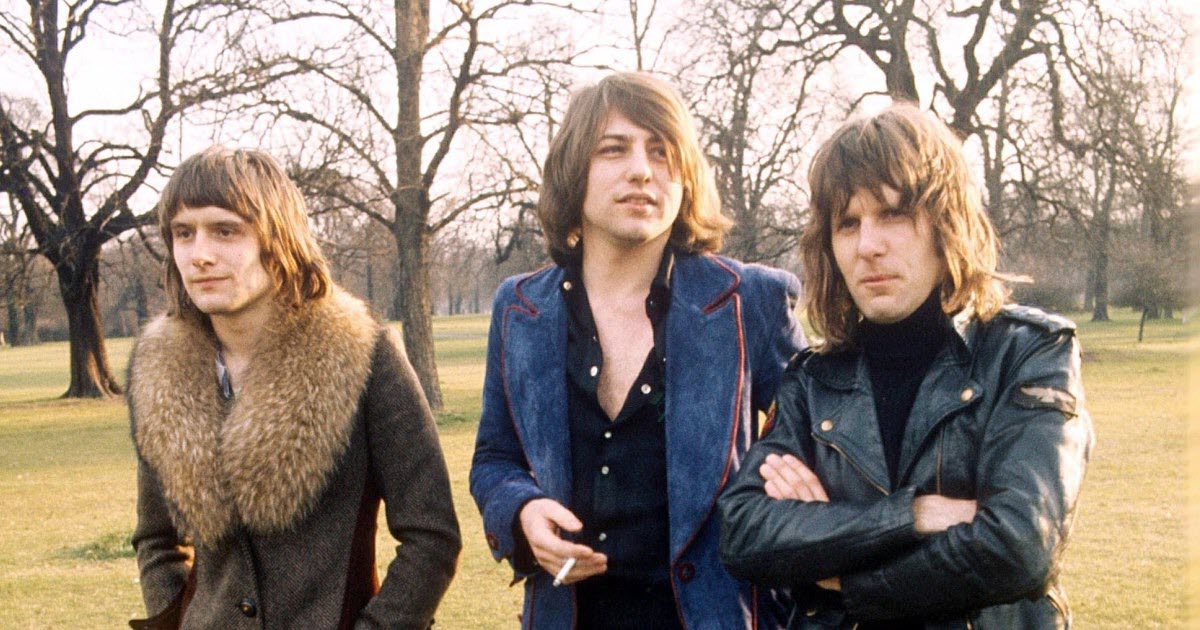
Emerson, Lake & Palmer, the legendary progressive rock supergroup, have left an indelible mark on the music world with their virtuosic musicianship, innovative compositions, and unparalleled live performances. Formed in 1970, the trio, consisting of keyboardist Keith Emerson, bassist/vocalist Greg Lake, and drummer Carl Palmer, created a unique blend of rock, classical, and jazz influences that pushed the boundaries of what was possible in rock music. Their complex arrangements, technical prowess, and ambitious concepts have inspired generations of musicians and continue to captivate audiences decades after their formation. In this article, we’ll explore the top 10 most popular Emerson, Lake & Palmer songs, each one a testament to the band’s enduring legacy and unparalleled artistry.
1. Lucky Man
“Lucky Man” is a hauntingly beautiful ballad that showcases Greg Lake’s emotive vocals and poetic lyrics, as well as Keith Emerson’s groundbreaking use of the Moog synthesizer. The song’s simple, acoustic guitar-driven arrangement gradually builds to a stunning crescendo, featuring one of the earliest recorded Moog solos in rock history. Lake’s heartfelt vocals and introspective lyrics tell the story of a man reflecting on his life and the twists of fate that have brought him to where he is. The song’s powerful ending, with Emerson’s soaring synthesizer solo, has become an iconic moment in progressive rock history, showcasing the band’s innovative spirit and fearless experimentation. “Lucky Man” has endured as a classic of the genre, a testament to Emerson, Lake & Palmer’s ability to create music that is both emotionally resonant and technically groundbreaking. The song’s enduring popularity and its place in the canon of progressive rock have solidified its status as a true masterpiece, a shining example of the band’s unparalleled artistry and musical vision.
2. From the Beginning
“From the Beginning” is a gentle, introspective ballad that highlights Greg Lake’s soulful vocals and acoustic guitar work, as well as the band’s ability to create emotionally resonant and melodically rich compositions. The song’s mellow, laid-back arrangement, featuring Lake’s fingerpicked guitar and Keith Emerson’s subtle keyboard textures, creates an atmosphere of intimacy and reflection. Lake’s lyrics, which speak of love, loss, and the passage of time, are delivered with a sense of sincerity and vulnerability that draws the listener in and creates a deep emotional connection. The song’s memorable chorus, with its lush harmonies and soaring vocal lines, has become a beloved moment in Emerson, Lake & Palmer’s discography, showcasing the band’s ability to craft timeless melodies that stick with the listener long after the song has ended. “From the Beginning” stands as a testament to the band’s versatility and their ability to create music that is both technically impressive and emotionally powerful, solidifying its place as one of their most enduring and popular tracks.
3. Karn Evil 9
“Karn Evil 9” is an epic, multi-part suite that exemplifies Emerson, Lake & Palmer’s ambitious approach to songwriting and their mastery of progressive rock’s extended form. Clocking in at nearly 30 minutes, the song is divided into three impressions, each one exploring different musical and thematic territory. The first impression, featuring the famous “Welcome back, my friends, to the show that never ends” introduction, sets the stage for a wild, carnival-like journey through the band’s musical imagination. Keith Emerson’s dazzling keyboard work, Greg Lake’s powerful vocals and bass lines, and Carl Palmer’s explosive drumming all come together to create a dizzying, virtuosic display of musical prowess. The second impression, with its funky, jam-like feel and satirical lyrics, showcases the band’s ability to incorporate humor and social commentary into their music. The third impression brings the suite to a stunning conclusion, with Emerson’s grand, classically-inspired piano work and Lake’s soaring vocals building to a triumphant, anthemic finale. “Karn Evil 9” stands as a towering achievement in progressive rock, a testament to Emerson, Lake & Palmer’s unparalleled musicianship and their fearless exploration of the genre’s possibilities.
4. Fanfare for the Common Man
“Fanfare for the Common Man” is a powerful, instrumental rendition of Aaron Copland’s classic composition, showcasing Emerson, Lake & Palmer’s ability to reinterpret classical works and bring them into the realm of rock music. The song’s majestic, soaring arrangement, featuring Keith Emerson’s grand, sweeping keyboard work and Carl Palmer’s thunderous drumming, captures the spirit of Copland’s original while infusing it with the energy and intensity of progressive rock. Emerson’s virtuosic performance, with his dizzying runs and intricate flourishes, is a testament to his skill as a keyboardist and his deep understanding of classical music. Palmer’s drumming, with its complex rhythms and explosive fills, provides a driving, forceful backbone to the piece, propelling it forward with a sense of urgency and power. The song’s cinematic scope and grandeur have made it a favorite among fans and a staple of the band’s live performances, showcasing their ability to create music that is both technically impressive and emotionally stirring. “Fanfare for the Common Man” stands as a shining example of Emerson, Lake & Palmer’s innovative approach to progressive rock and their enduring influence on the genre.
5. Tarkus
“Tarkus” is a sprawling, epic suite that showcases Emerson, Lake & Palmer’s mastery of progressive rock’s extended form and their ability to weave together disparate musical elements into a cohesive whole. The song’s complex, multi-part structure, featuring a series of distinct movements that range from hard-driving rock to intricate, classically-inspired passages, is a testament to the band’s compositional skills and their fearless exploration of musical boundaries. Keith Emerson’s keyboard work, with its dizzying runs, intricate counterpoint, and innovative use of synthesizers, is a tour de force of technical prowess and musical imagination. Greg Lake’s vocals and bass work provide a powerful, emotive anchor to the piece, while Carl Palmer’s drumming, with its complex rhythms and explosive fills, drives the music forward with a sense of urgency and intensity. The song’s science-fiction-inspired lyrics and artwork, which tell the story of a half-tank, half-armadillo creature, add to its epic, otherworldly feel and have helped to cement its place in progressive rock lore. “Tarkus” stands as a towering achievement in the genre, a testament to Emerson, Lake & Palmer’s unparalleled musicianship and their enduring influence on generations of musicians.
6. Trilogy
“Trilogy” is a beautifully crafted, emotionally resonant song that showcases Emerson, Lake & Palmer’s ability to create music that is both technically impressive and deeply moving. The song’s lush, expansive arrangement, featuring Keith Emerson’s soaring keyboard work, Greg Lake’s emotive vocals and acoustic guitar, and Carl Palmer’s sensitive, understated drumming, creates an atmosphere of introspection and reflection. Lake’s lyrics, which speak of love, loss, and the search for meaning in a changing world, are delivered with a sense of sincerity and vulnerability that draws the listener in and creates a deep emotional connection. Emerson’s keyboard work, with its rich, orchestral textures and delicate, intricate melodies, perfectly complements Lake’s vocals and adds to the song’s sense of depth and sophistication. Palmer’s drumming, with its subtle, nuanced rhythms and gentle brushwork, provides a supportive, understated foundation for the piece. “Trilogy” stands as a testament to Emerson, Lake & Palmer’s versatility and their ability to create music that is both technically impressive and emotionally powerful, solidifying its place as one of their most enduring and beloved tracks.
7. Hoedown
“Hoedown” is a high-energy, virtuosic instrumental that showcases Emerson, Lake & Palmer’s ability to reinterpret classical works and infuse them with the spirit of rock and roll. Based on the fourth movement of Aaron Copland’s “Rodeo,” the song’s fast-paced, frenetic arrangement, featuring Keith Emerson’s dazzling keyboard work and Carl Palmer’s explosive drumming, captures the excitement and energy of a traditional American hoedown while pushing the boundaries of what is possible in rock instrumentation. Emerson’s performance, with his lightning-fast runs, intricate counterpoint, and innovative use of synthesizers, is a testament to his skill as a keyboardist and his deep understanding of classical music. Palmer’s drumming, with its complex rhythms, rapid-fire fills, and powerful, driving beat, propels the music forward with a sense of urgency and intensity. The song’s infectious, toe-tapping melody and its joyous, celebratory feel have made it a favorite among fans and a staple of the band’s live performances, showcasing their ability to create music that is both technically impressive and wildly entertaining. “Hoedown” stands as a shining example of Emerson, Lake & Palmer’s innovative approach to progressive rock and their enduring influence on the genre.
8. Take a Pebble
“Take a Pebble” is a mesmerizing, multi-part composition that showcases Emerson, Lake & Palmer’s ability to create music that is both deeply atmospheric and technically complex. The song’s expansive, dreamlike arrangement, featuring Greg Lake’s delicate acoustic guitar work, Keith Emerson’s shimmering keyboard textures, and Carl Palmer’s subtle, nuanced drumming, creates an atmosphere of introspection and contemplation. Lake’s vocals, with their gentle, soothing delivery and introspective lyrics, add to the song’s sense of depth and emotional resonance. As the piece progresses, it moves through a series of distinct sections, each one exploring different musical and emotional territory. Emerson’s keyboard work, with its lush, orchestral textures and intricate, jazz-influenced improvisations, is a testament to his skill as a composer and his deep understanding of musical form. Palmer’s drumming, with its subtle, understated rhythms and delicate brushwork, provides a supportive, atmospheric foundation for the piece. “Take a Pebble” stands as a testament to Emerson, Lake & Palmer’s versatility and their ability to create music that is both technically impressive and emotionally evocative, solidifying its place as one of their most enduring and beloved tracks.
9. The Barbarian
“The Barbarian” is a powerful, explosive instrumental that showcases Emerson, Lake & Palmer’s virtuosic musicianship and their ability to create music that is both technically complex and viscerally thrilling. Based on Béla Bartók’s “Allegro Barbaro,” the song’s frenetic, driving arrangement, featuring Keith Emerson’s pounding, percussive keyboard work and Carl Palmer’s thunderous drumming, captures the primal, savage energy of Bartók’s original while infusing it with the raw power and intensity of rock music. Emerson’s performance, with his savage, stabbing chords and rapid-fire runs, is a testament to his skill as a keyboardist and his deep understanding of classical music. Palmer’s drumming, with its complex, polyrhythmic patterns and explosive fills, drives the music forward with a sense of relentless, unstoppable momentum. The song’s dark, menacing atmosphere and its sense of barely-controlled chaos have made it a favorite among fans and a staple of the band’s live performances, showcasing their ability to create music that is both technically impressive and emotionally powerful. “The Barbarian” stands as a shining example of Emerson, Lake & Palmer’s innovative approach to progressive rock and their enduring influence on the genre.
10. Jerusalem
“Jerusalem” is a majestic, awe-inspiring rendition of the classic English hymn, showcasing Emerson, Lake & Palmer’s ability to reinterpret traditional works and bring them into the realm of progressive rock. The song’s grand, sweeping arrangement, featuring Keith Emerson’s soaring, church-like organ work, Greg Lake’s powerful, emotive vocals, and Carl Palmer’s thunderous, orchestral drumming, captures the hymn’s sense of reverence and spiritual grandeur while infusing it with the energy and intensity of rock music. Emerson’s keyboard work, with its lush, celestial textures and intricate, baroque-influenced flourishes, is a testament to his skill as a composer and his deep understanding of classical and sacred music. Lake’s vocals, with their deep, resonant delivery and heartfelt, sincere expression, convey the lyrics’ sense of awe and wonder at the beauty and majesty of creation. Palmer’s drumming, with its complex, multi-layered rhythms and powerful, driving beat, provides a solid, unwavering foundation for the piece. “Jerusalem” stands as a testament to Emerson, Lake & Palmer’s versatility and their ability to create music that is both technically impressive and emotionally stirring, solidifying its place as one of their most enduring and beloved tracks.

Samuel Moore is a frequent contributor to Singers Room. Since 2005, Singersroom has been the voice of R&B around the world. Connect with us via social media below.









