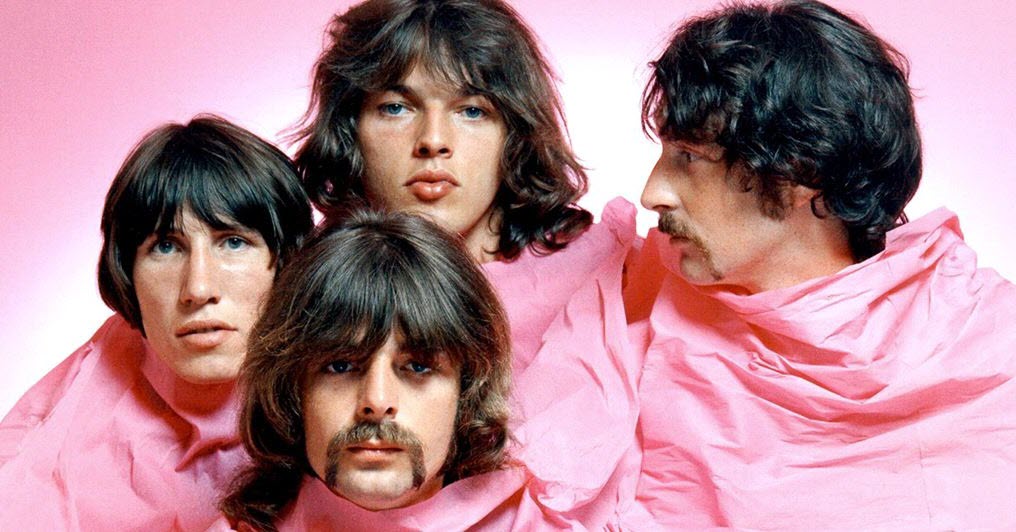
Pink Floyd, one of the most influential and iconic rock bands of all time, has left an indelible mark on the music world with their groundbreaking compositions, thought-provoking lyrics, and innovative studio techniques. Throughout their career, Pink Floyd created a body of work that has transcended generations and continues to inspire musicians and fans alike. In this article, we will explore the top 10 most popular Pink Floyd songs of all time, delving into the stories behind these timeless classics and the impact they have had on rock music and popular culture.
1. Comfortably Numb
“Comfortably Numb” is a hauntingly beautiful and emotionally powerful track that showcases Pink Floyd’s ability to create music that is both deeply personal and universally resonant. The song, which appears on the band’s 1979 concept album “The Wall,” explores themes of isolation, despair, and the numbing effects of pain and addiction. David Gilmour’s soaring guitar solos, which rank among the greatest in rock history, perfectly capture the song’s sense of emotional catharsis and release. Roger Waters’ lyrics, which are both poetic and deeply introspective, touch on the idea of being disconnected from one’s own emotions and the world around them. The song’s structure, with its build-up from a quiet, atmospheric beginning to an explosive and cathartic finale, is a testament to Pink Floyd’s mastery of dynamics and their ability to create a powerful emotional journey for the listener. “Comfortably Numb” has become one of Pink Floyd’s most beloved and enduring tracks, and its enduring popularity is a testament to its timeless musical and lyrical depth, and its ability to connect with listeners on a deeply emotional and personal level.
2. Wish You Were Here
“Wish You Were Here” is a melancholic and introspective track that showcases Pink Floyd’s ability to create music that is both deeply personal and universally resonant. The song, which appears on the band’s 1975 album of the same name, was written as a tribute to former band member Syd Barrett, who had left the group due to mental health issues. David Gilmour’s acoustic guitar work is a standout, providing a gentle and melancholic foundation for the song’s introspective atmosphere. Roger Waters’ lyrics, which are both poetic and deeply emotional, touch on themes of loss, longing, and the enduring power of memory. The song’s chorus, with its simple yet profound message of “wish you were here,” is a powerful statement of the enduring bonds of friendship and the pain of separation. The song’s final section, with its soaring guitar solo and emotional vocal performance, is a testament to Pink Floyd’s ability to create music that is both technically impressive and emotionally powerful. “Wish You Were Here” has become one of Pink Floyd’s most beloved and enduring tracks, and its enduring popularity is a testament to its timeless musical and lyrical depth.
3. Another Brick in the Wall (Part 2)
“Another Brick in the Wall (Part 2)” is a powerful and iconic track that showcases Pink Floyd’s ability to create music that is both musically innovative and socially provocative. The song, which appears on the band’s 1979 concept album “The Wall,” explores themes of conformity, oppression, and the dangers of authoritarian control. The song’s opening guitar riff, played by David Gilmour, is instantly recognizable and sets the stage for the song’s driving and rebellious energy. Roger Waters’ lyrics, which are both biting and satirical, touch on the idea of education as a form of social control and the importance of individual freedom and expression. The song’s chorus, with its chanting of “we don’t need no education,” has become a rallying cry for generations of disaffected youth and a powerful statement of resistance against oppressive authority. The song’s use of a children’s choir, which adds an eerie and unsettling element to the track, is a testament to Pink Floyd’s innovative studio techniques and their ability to create a powerful emotional impact through unconventional means. “Another Brick in the Wall (Part 2)” has become one of Pink Floyd’s most iconic and enduring tracks, and its enduring popularity is a testament to its timeless musical and lyrical power.
4. Money
“Money” is a satirical and funk-infused track that showcases Pink Floyd’s ability to create music that is both musically innovative and socially provocative. The song, which appears on the band’s 1973 album “The Dark Side of the Moon,” explores themes of greed, materialism, and the corrupting influence of money. The song’s opening sound effects, which include the sound of cash registers and coin tosses, set the stage for the song’s biting and satirical tone. David Gilmour’s guitar work, which includes a memorable solo and funky rhythm playing, is a standout and perfectly complements Roger Waters’ sardonic lyrics. The song’s use of unusual time signatures and its incorporation of jazz and funk elements is a testament to Pink Floyd’s musical experimentation and their ability to push the boundaries of rock music. The chorus, with its ironic celebration of wealth and excess, has become a cultural touchstone and a powerful statement on the perils of unchecked capitalism. “Money” has become one of Pink Floyd’s most iconic and enduring tracks, and its enduring popularity is a testament to its timeless musical and lyrical power, as well as its ability to provoke thought and discussion about important social issues.
5. Time
“Time” is a haunting and introspective track that showcases Pink Floyd’s ability to create music that is both musically innovative and emotionally powerful. The song, which appears on the band’s 1973 album “The Dark Side of the Moon,” explores themes of mortality, the passage of time, and the fleeting nature of human existence. The song’s opening sound effects, which include the ticking of clocks and the ringing of alarm bells, set the stage for the song’s meditative and existential tone. David Gilmour’s guitar work, which includes a soaring and emotionally charged solo, is a standout and perfectly captures the song’s sense of urgency and despair. Roger Waters’ lyrics, which are both poetic and deeply philosophical, touch on the idea of the inevitability of death and the importance of living life to the fullest. The song’s use of unconventional song structures and its incorporation of progressive rock elements is a testament to Pink Floyd’s musical experimentation and their ability to create a powerful emotional journey for the listener. “Time” has become one of Pink Floyd’s most beloved and enduring tracks, and its enduring popularity is a testament to its timeless musical and lyrical depth, as well as its ability to provoke deep reflection on the nature of life and death.
6. Shine On You Crazy Diamond
“Shine On You Crazy Diamond” is an epic and emotionally powerful track that showcases Pink Floyd’s ability to create music that is both musically ambitious and deeply personal. The song, which bookends the band’s 1975 album “Wish You Were Here,” was written as a tribute to former band member Syd Barrett, who had left the group due to mental health issues. The song’s opening section, with its haunting synthesizer and guitar textures, sets the stage for the song’s introspective and melancholic atmosphere. David Gilmour’s guitar work, which includes several soaring and emotionally charged solos, is a standout and perfectly captures the song’s sense of loss and longing. Roger Waters’ lyrics, which are both poetic and deeply heartfelt, touch on themes of creativity, madness, and the enduring power of artistic vision. The song’s use of extended instrumental passages and its incorporation of jazz and progressive rock elements is a testament to Pink Floyd’s musical ambition and their willingness to push the boundaries of rock music. “Shine On You Crazy Diamond” has become one of Pink Floyd’s most beloved and enduring tracks, and its enduring popularity is a testament to its timeless musical and lyrical depth, as well as its ability to pay tribute to a fallen comrade and celebrate the enduring power of the creative spirit.
7. Have a Cigar
“Have a Cigar” is a biting and satirical track that showcases Pink Floyd’s ability to create music that is both musically innovative and socially provocative. The song, which appears on the band’s 1975 album “Wish You Were Here,” explores themes of the music industry, fame, and the commodification of art. The song’s opening guitar riff, played by David Gilmour, is instantly recognizable and sets the stage for the song’s funky and irreverent tone. Roy Harper’s lead vocals, which were recorded as a favor to the band, are a standout and perfectly capture the song’s sense of cynicism and disillusionment. Roger Waters’ lyrics, which are both biting and satirical, touch on the idea of the music industry as a soulless machine that exploits artists for profit. The song’s use of unconventional song structures and its incorporation of funk and blues elements is a testament to Pink Floyd’s musical experimentation and their ability to create a powerful social commentary through their music. “Have a Cigar” has become one of Pink Floyd’s most iconic and enduring tracks, and its enduring popularity is a testament to its timeless musical and lyrical power, as well as its ability to provoke thought and discussion about the nature of the music industry and the role of the artist in society.
8. Brain Damage
“Brain Damage” is a haunting and introspective track that showcases Pink Floyd’s ability to create music that is both musically atmospheric and emotionally powerful. The song, which appears on the band’s 1973 album “The Dark Side of the Moon,” explores themes of mental illness, isolation, and the fragility of the human mind. The song’s opening sound effects, which include the distant laughter of children and the ticking of a clock, set the stage for the song’s eerie and unsettling atmosphere. David Gilmour’s guitar work, which includes a simple yet effective chord progression, perfectly complements Roger Waters’ introspective lyrics. The song’s use of unconventional song structures and its incorporation of progressive rock elements is a testament to Pink Floyd’s musical experimentation and their ability to create a powerful emotional journey for the listener. The song’s final section, which features the memorable line “there’s someone in my head, but it’s not me,” has become a cultural touchstone and a powerful statement on the nature of mental illness and the struggle for self-identity. “Brain Damage” has become one of Pink Floyd’s most beloved and enduring tracks, and its enduring popularity is a testament to its timeless musical and lyrical depth, as well as its ability to provoke deep reflection on the nature of the human mind and the challenges of mental health.
9. Us and Them
“Us and Them” is a haunting and politically charged track that showcases Pink Floyd’s ability to create music that is both musically ambitious and socially conscious. The song, which appears on the band’s 1973 album “The Dark Side of the Moon,” explores themes of conflict, division, and the futility of war. The song’s opening sound effects, which include the distant sound of explosions and the chatter of radio communications, set the stage for the song’s somber and reflective atmosphere. Richard Wright’s keyboard work, which includes a memorable piano riff and atmospheric synthesizer textures, perfectly complements David Gilmour’s emotive guitar playing and Roger Waters’ poetic lyrics. The song’s use of unconventional song structures and its incorporation of jazz and progressive rock elements is a testament to Pink Floyd’s musical experimentation and their ability to create a powerful emotional and political statement through their music. The song’s chorus, with its repeated refrain of “us and them,” has become a cultural touchstone and a powerful commentary on the divisions that exist within society and the need for greater understanding and compassion. “Us and Them” has become one of Pink Floyd’s most beloved and enduring tracks, and its enduring popularity is a testament to its timeless musical and lyrical depth, as well as its ability to provoke thought and discussion about important social and political issues.
10. Eclipse
“Eclipse” is a powerful and emotionally resonant track that serves as the grand finale to Pink Floyd’s iconic 1973 album “The Dark Side of the Moon.” The song, which features a simple yet effective chord progression and a lush orchestral arrangement, perfectly encapsulates the album’s central themes of life, death, and the human condition. Roger Waters’ lyrics, which are both poetic and deeply philosophical, touch on the idea of the interconnectedness of all things and the cyclical nature of existence. The song’s use of spoken word samples and sound effects, which include heartbeats and the ticking of clocks, adds to its atmospheric and cinematic quality. David Gilmour’s guitar work, which includes a soaring and emotionally charged solo, is a standout and perfectly captures the song’s sense of catharsis and release. The song’s final moments, which feature the memorable line “everything under the sun is in tune, but the sun is eclipsed by the moon,” has become a cultural touchstone and a powerful statement on the nature of the universe and our place within it. “Eclipse” is a stunning and emotionally powerful track that serves as a fitting conclusion to one of the greatest albums in the history of rock music, and its enduring popularity is a testament to its timeless musical and lyrical depth.

Samuel Moore is a frequent contributor to Singers Room. Since 2005, Singersroom has been the voice of R&B around the world. Connect with us via social media below.









