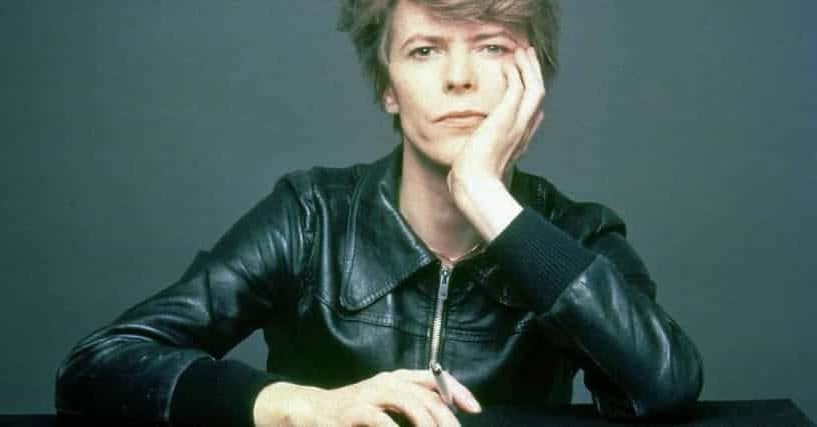
David Bowie, born David Robert Jones on January 8, 1947, in London, England, was a groundbreaking musician, songwriter, actor, and cultural icon. He was one of the most influential and innovative artists of the 20th century, known for his constantly evolving persona, musical experimentation, and artistic creativity.
Bowie’s career spanned over five decades, during which he released numerous acclaimed albums and singles that explored a wide range of musical styles, including rock, pop, glam rock, electronic, and avant-garde. Some of his most iconic albums include “The Rise and Fall of Ziggy Stardust and the Spiders from Mars” (1972), “Heroes” (1977), and “Scary Monsters (And Super Creeps)” (1980).
Throughout his career, Bowie reinvented himself multiple times, adopting various alter egos and personas such as Ziggy Stardust, Aladdin Sane, and the Thin White Duke. His willingness to challenge conventions and push boundaries made him a pioneer of artistic expression and a symbol of individuality and self-expression.
In addition to his music career, Bowie was also a talented actor, appearing in films such as “The Man Who Fell to Earth” (1976), “Labyrinth” (1986), and “The Prestige” (2006). His charismatic presence and unique style made him a beloved figure both on stage and screen.
Bowie’s influence extended far beyond music and film; he was a cultural icon whose impact resonated across generations. His contributions to popular culture, fashion, and art continue to inspire artists and audiences worldwide.
David Bowie passed away on January 10, 2016, but his legacy lives on through his timeless music, iconic performances, and lasting influence on popular culture. He remains one of the most beloved and celebrated figures in the history of music and entertainment.
1. “Space Oddity”
“Space Oddity” is a song by David Bowie, released as a single in 1969 and later included on his self-titled album “David Bowie” (also known as “Space Oddity”). The song was written by Bowie and produced by Gus Dudgeon.
“Space Oddity” tells the story of Major Tom, an astronaut who is launched into space but encounters problems during his mission. The song’s lyrics capture the sense of isolation and existential dread experienced by Major Tom as he floats in space, with ground control unable to help him. The song’s atmospheric sound and haunting melody contribute to its evocative portrayal of space travel.
Upon its release, “Space Oddity” was a commercial success, reaching the top five in the UK Singles Chart. It became one of David Bowie’s signature songs and established him as a major talent in the music industry. The song’s success was further cemented by Bowie’s captivating live performances and the iconic music video directed by Mick Rock.
“Space Oddity” has since become one of Bowie’s most enduring and beloved songs, praised for its innovative production, thought-provoking lyrics, and timeless appeal. It has been covered by numerous artists and featured in various films, television shows, and commercials. Its legacy as a seminal work in the realm of space-themed music and popular culture continues to resonate with audiences around the world.
2. “Changes”
“Changes” is a song by the English musician David Bowie, released in 1971 as a single from his fourth studio album, “Hunky Dory.”
“Changes” is one of Bowie’s most iconic songs, known for its catchy melody, memorable lyrics, and innovative musical style. The song features a prominent piano riff and a driving rhythm, with Bowie’s distinctive vocals delivering the lyrics.
Lyrically, “Changes” explores themes of identity, reinvention, and the passage of time. The song’s chorus, with its famous refrain “Ch-ch-ch-changes,” has become synonymous with Bowie’s artistic evolution and has been interpreted as a reflection on the ever-changing nature of life and self-expression.
“Changes” was a commercial success, reaching the top 50 on the UK Singles Chart. It has since become one of Bowie’s most beloved and enduring songs, earning critical acclaim and remaining a staple of classic rock radio playlists.
The song’s impact extends beyond its initial release, influencing generations of musicians and cementing Bowie’s status as one of the most innovative and influential artists in popular music history.
3. “Ziggy Stardust”
“Ziggy Stardust” is a song by David Bowie, released in 1972 as the opening track of his concept album “The Rise and Fall of Ziggy Stardust and the Spiders from Mars.”
“Ziggy Stardust” is one of Bowie’s most iconic and enduring songs, and it serves as the introduction to the album’s central character, Ziggy Stardust, an androgynous rock star and alien messiah. The song’s lyrics tell the story of Ziggy’s rise to fame and eventual downfall, exploring themes of fame, identity, and the blurred lines between reality and performance.
Musically, “Ziggy Stardust” features a driving rock beat, catchy guitar riffs, and Bowie’s distinctive vocals. The song’s infectious energy and rebellious spirit helped to solidify Bowie’s status as a pioneering figure in the glam rock movement of the 1970s.
“Ziggy Stardust” has since become one of Bowie’s most beloved and influential songs, earning critical acclaim and remaining a staple of his live performances throughout his career. Its impact extends beyond the realm of music, influencing fashion, culture, and the broader landscape of popular culture.
4. “Starman”
“Starman” is a song by David Bowie, released in 1972 as a single from his fifth studio album, “The Rise and Fall of Ziggy Stardust and the Spiders from Mars.” The song was written by Bowie himself and produced by Ken Scott.
“Starman” is one of Bowie’s most iconic and beloved songs, and it played a crucial role in catapulting him to stardom. The song tells the story of Ziggy Stardust, an androgynous rock star who acts as a messenger for extraterrestrial beings. The lyrics convey a message of hope and salvation, with Ziggy offering guidance and inspiration to his fans.
Musically, “Starman” is characterized by its catchy melody, upbeat rhythm, and infectious chorus. The song’s memorable guitar riff, performed by Mick Ronson, and Bowie’s dynamic vocals contribute to its enduring appeal.
Upon its release, “Starman” was a commercial success, reaching the top ten in the UK Singles Chart. It became a defining moment in Bowie’s career and solidified his reputation as a visionary artist. The song’s impact was further heightened by Bowie’s electrifying performance of “Starman” on the BBC television program “Top of the Pops,” where he draped his arm around guitarist Mick Ronson’s shoulder in a gesture of defiance against societal norms.
“Starman” remains one of David Bowie’s most celebrated and influential songs, praised for its innovative sound, thought-provoking lyrics, and enduring legacy. It has been covered by numerous artists and continues to inspire fans around the world with its message of cosmic wonder and transcendence.
5. “Heroes”
“Heroes” is a song by David Bowie, released in 1977 as the title track of his album “Heroes.”
“Heroes” is one of Bowie’s most famous and iconic songs, known for its anthemic melody, powerful lyrics, and innovative production. The song was co-written by Bowie and Brian Eno and was recorded in Berlin during Bowie’s “Berlin Trilogy” period.
Lyrically, “Heroes” tells the story of two lovers who meet at the Berlin Wall, with the wall serving as a metaphor for the divisions and obstacles that exist in the world. Despite the challenges they face, the lovers defiantly declare their love and resilience, proclaiming themselves as “heroes” who can overcome anything together.
Musically, “Heroes” features a driving rhythm, soaring guitar lines, and Bowie’s impassioned vocals. The song’s iconic guitar riff, played by Robert Fripp, is instantly recognizable and contributes to the song’s anthemic quality.
“Heroes” received critical acclaim upon its release and has since become one of Bowie’s signature songs. It has been covered by numerous artists and has been featured in various films, TV shows, and commercials. The song’s themes of love, perseverance, and hope have resonated with audiences around the world, making it a timeless classic in Bowie’s discography.
6. “Let’s Dance”
“Let’s Dance” is a song by David Bowie, released in 1983 as the title track of his fifteenth studio album. The song was written by Bowie and produced by Nile Rodgers.
“Let’s Dance” is a vibrant and infectious dance-pop track that features elements of rock, funk, and R&B. The song’s upbeat tempo, catchy guitar riff, and rhythmic groove make it an instant party anthem. Lyrically, “Let’s Dance” is an invitation to let loose and enjoy the moment, with Bowie urging listeners to dance and have a good time.
Upon its release, “Let’s Dance” was a commercial and critical success, topping the charts in multiple countries, including the United States and the United Kingdom. The song’s accompanying music video, directed by David Mallet, features Bowie performing against a backdrop of vivid colors and striking imagery, further enhancing its appeal.
“Let’s Dance” remains one of David Bowie’s most popular and enduring songs, beloved for its infectious energy and timeless appeal. It has been covered by various artists and featured in films, television shows, and commercials, solidifying its status as a classic of 1980s pop music.
7. “Rebel Rebel”
“Rebel Rebel” is a song by David Bowie, released in 1974 as a single from his album “Diamond Dogs.”
“Rebel Rebel” is one of Bowie’s most recognizable and enduring songs, known for its catchy guitar riff, energetic rhythm, and rebellious lyrics. The song’s lyrics celebrate individuality and nonconformity, with Bowie adopting the persona of a “rebel” who defies societal norms and expectations.
Musically, “Rebel Rebel” is characterized by its glam rock sound, featuring crunchy guitar chords, a driving beat, and Bowie’s distinctive vocals. The song’s infectious energy and rebellious spirit helped to solidify Bowie’s status as a pioneering figure in the glam rock movement of the 1970s.
“Rebel Rebel” was a commercial success, reaching the top 5 in the UK Singles Chart and becoming one of Bowie’s most popular songs. It has since become a staple of his live performances and remains a favorite among fans of his music.
“Rebel Rebel” has been covered by numerous artists and has been featured in various films, TV shows, and commercials. Its anthemic chorus and defiant lyrics continue to resonate with audiences, making it a timeless classic in Bowie’s discography.
8. “Life on Mars?”
“Life on Mars?” is a song by David Bowie, released in 1971 as part of his album “Hunky Dory.” The song was written by Bowie himself and produced by Ken Scott.
“Life on Mars?” is a poignant and surreal ballad that showcases Bowie’s lyrical and musical prowess. The song’s lyrics are known for their cryptic and enigmatic imagery, which has led to various interpretations over the years. Some interpret the song as a commentary on society and media, while others see it as a reflection on existential themes such as alienation and identity.
Musically, “Life on Mars?” features lush orchestration, including strings and piano, which complement Bowie’s emotive vocals. The song’s melody is both haunting and beautiful, creating a sense of melancholy and wonder.
Upon its release, “Life on Mars?” was not initially a commercial success but has since become one of Bowie’s most acclaimed and beloved songs. It has been praised by critics for its innovative songwriting and emotional depth and has been covered by numerous artists across different genres.
“Life on Mars?” has also had a lasting impact on popular culture, being featured in films, television shows, and advertisements. Its timeless appeal and thought-provoking lyrics continue to resonate with listeners, cementing its status as one of David Bowie’s most iconic and enduring songs.
9. “Under Pressure” (with Queen)
“Under Pressure” is a song by Queen and David Bowie, released in 1981. It was included on Queen’s album “Hot Space.”
“Under Pressure” is one of the most famous collaborations in music history, bringing together two iconic artists, Freddie Mercury of Queen and David Bowie. The song features a memorable bassline, performed by Queen’s bassist John Deacon, and powerful vocals from both Mercury and Bowie.
Lyrically, “Under Pressure” addresses themes of social pressure, alienation, and the struggles of everyday life. The song’s chorus, with its famous refrain “Pressure pushing down on me, pressing down on you,” captures the feeling of being overwhelmed by external forces.
“Under Pressure” was a commercial success, reaching the top of the charts in several countries, including the UK. It has since become one of Queen’s most beloved and enduring songs, as well as one of Bowie’s most iconic collaborations.
The song’s powerful message, memorable melody, and stellar performances from both Mercury and Bowie have cemented its status as a classic of rock music. “Under Pressure” continues to be celebrated by fans and critics alike, and it remains a staple of classic rock radio playlists and live performances.
10. “Fame”
“Fame” is a song by David Bowie, released in 1975 as the lead single from his album “Young Americans.” The song was co-written by Bowie, John Lennon, and Carlos Alomar, and it marked a departure from Bowie’s previous glam rock sound, incorporating elements of funk and soul.
“Fame” is characterized by its funky groove, catchy guitar riff, and distinctive vocal delivery. The song’s lyrics explore the theme of celebrity and the trappings of fame, with Bowie reflecting on the fleeting nature of success and the pressure to maintain an image in the public eye.
Upon its release, “Fame” was a commercial and critical success, becoming Bowie’s first number-one hit in the United States. It also reached the top ten in several other countries and helped to solidify Bowie’s status as a major international artist.
In addition to its commercial success, “Fame” has been praised for its innovative production and its collaboration with John Lennon, who contributed backing vocals and co-wrote the song. The song’s funky sound and socially relevant lyrics have also contributed to its enduring popularity.
” Fame” has since become one of David Bowie’s signature songs and a staple of his live performances. It has been covered by numerous artists and has been featured in films, television shows, and commercials, cementing its status as a classic of 1970s music and a testament to Bowie’s enduring legacy.

Edward Tomlin is a frequent contributor to Singers Room. Since 2005, Singersroom has been the voice of R&B around the world. Connect with us via social media below.









