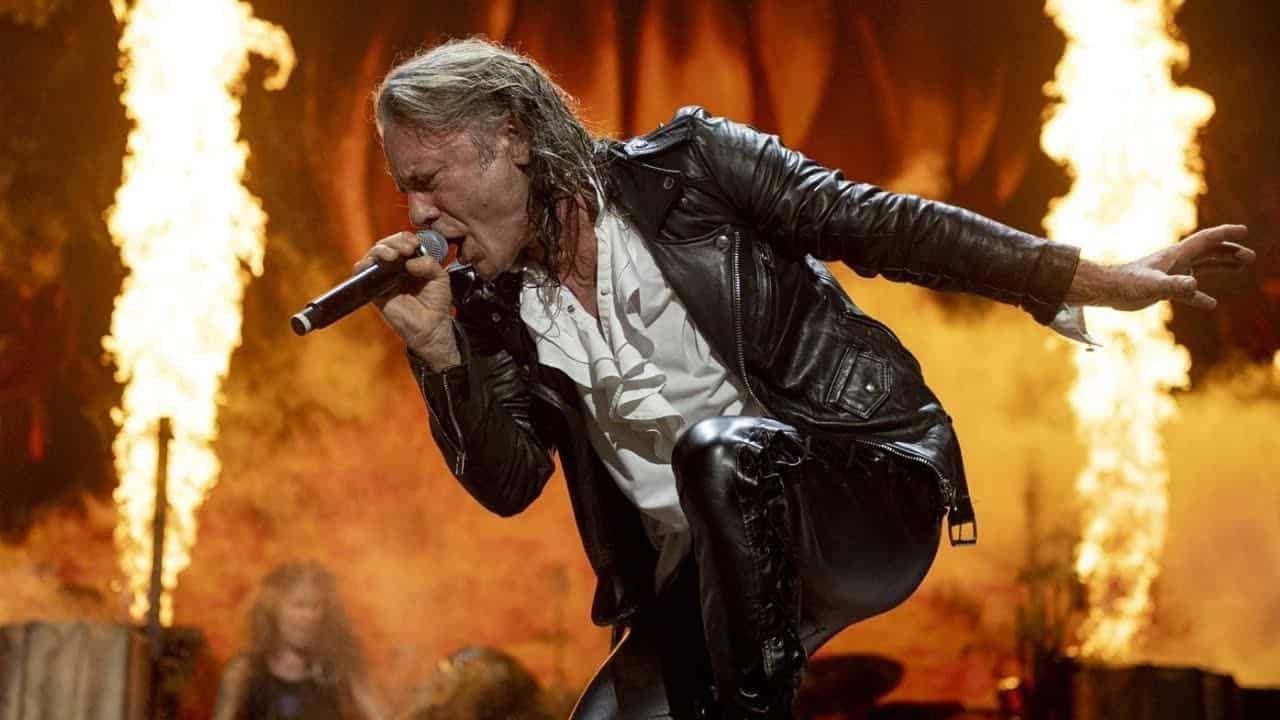
Iron Maiden is a British heavy metal band renowned for their electrifying performances, intricate musical compositions, and iconic mascot, Eddie. Formed in 1975 by bassist and primary songwriter Steve Harris, Iron Maiden quickly rose to prominence in the heavy metal scene, becoming one of the most influential and enduring bands in the genre’s history.
Known for their powerful and operatic vocals, complex guitar harmonies, and galloping bass lines, Iron Maiden’s music is characterized by its epic storytelling and themes ranging from history and literature to mythology and the occult. Their albums often feature elaborate concept art and cover designs, further enhancing the immersive experience for fans.
Iron Maiden’s live performances are legendary for their energy, spectacle, and theatricality, with frontman Bruce Dickinson captivating audiences with his soaring vocals and dynamic stage presence. The band’s elaborate stage sets and elaborate production values have set the standard for live metal performances.
With a discography spanning over four decades and including iconic albums such as “The Number of the Beast,” “Powerslave,” and “Seventh Son of a Seventh Son,” Iron Maiden has left an indelible mark on the world of heavy metal. Their dedicated fanbase, known as the “Iron Maiden family,” spans generations and continues to grow with each new release and tour, solidifying their status as one of the greatest and most enduring bands in rock history.
1. The Trooper
“The Trooper” is a legendary heavy metal anthem by Iron Maiden, released in 1983 as a single and later featured on their album “Piece of Mind.” Written by the band’s bassist and primary songwriter Steve Harris, the song is inspired by the Charge of the Light Brigade during the Crimean War.
With its galloping rhythm, thunderous guitar riffs, and Bruce Dickinson’s powerful vocals, “The Trooper” embodies the essence of Iron Maiden’s signature sound. The song’s iconic guitar harmonies, performed by Dave Murray and Adrian Smith, have become instantly recognizable to fans of the band and the genre alike.
Lyrically, “The Trooper” recounts the bravery and valor of the soldiers who rode into battle, facing overwhelming odds and certain death. The song’s chorus, “The Trooper,” serves as a rallying cry, celebrating the indomitable spirit and sacrifice of those who fight for their beliefs.
“The Trooper” is widely regarded as one of Iron Maiden’s greatest songs and has become a staple of their live performances. Its electrifying energy and anthemic chorus make it a favorite among fans and a defining moment in the band’s illustrious career.
As a timeless classic of heavy metal music, “The Trooper” continues to inspire and captivate audiences with its epic storytelling, masterful musicianship, and unrelenting power, solidifying its place as one of the greatest songs in the genre’s history.
2. Run to the Hills
“Run to the Hills” is a song by the British heavy metal band Iron Maiden. It was released in 1982 as the lead single from their third studio album, “The Number of the Beast.”
The lyrics of “Run to the Hills” explore themes of conflict and colonialism, specifically focusing on the historical mistreatment of Native Americans by European settlers. The song condemns the violence and injustice perpetrated against indigenous peoples, highlighting the brutal realities of conquest and colonization.
Musically, “Run to the Hills” is characterized by its fast-paced tempo, driving rhythm, and powerful guitar riffs. The song features dynamic shifts in intensity, with explosive choruses and memorable vocal melodies. Lead singer Bruce Dickinson’s soaring vocals add to the song’s anthemic quality, while the twin guitar harmonies by Dave Murray and Adrian Smith contribute to its distinctive sound.
“Run to the Hills” became one of Iron Maiden’s most popular and enduring songs, receiving widespread acclaim from fans and critics alike. It remains a staple of the band’s live performances and is often regarded as one of the greatest heavy metal songs of all time, known for its epic scale, fierce energy, and thought-provoking lyrics.
3. Fear of the Dark
“Fear of the Dark” is a song by the British heavy metal band Iron Maiden. It was released in 1992 as the title track and lead single from their ninth studio album, “Fear of the Dark.”
The lyrics of “Fear of the Dark” explore the feeling of apprehension and unease that comes with being alone in the dark. The narrator describes the sensation of being watched and the fear of the unknown, capturing the primal instinct that many people experience when confronted with darkness.
Musically, “Fear of the Dark” is characterized by its haunting atmosphere, melodic guitar lines, and powerful vocals. The song features a dynamic arrangement, with soft verses building up to an explosive chorus. Guitarists Dave Murray and Janick Gers deliver memorable solos, while Bruce Dickinson’s vocal performance adds depth and emotion to the song.
“Fear of the Dark” has become one of Iron Maiden’s most popular and enduring songs, often cited as a fan favorite. It remains a highlight of their live performances, with audiences around the world singing along to its anthemic chorus. The song’s evocative lyrics and powerful melody have cemented its status as a classic in the heavy metal genre.
4. Hallowed Be Thy Name
“Hallowed Be Thy Name” is a monumental masterpiece by Iron Maiden, released on their iconic 1982 album “The Number of the Beast.” Written by the band’s bassist and primary songwriter, Steve Harris, the song is widely considered one of the greatest heavy metal compositions of all time.
With its haunting melodies, intricate guitar work, and soaring vocals by Bruce Dickinson, “Hallowed Be Thy Name” showcases Iron Maiden at the peak of their creative powers. The song’s epic structure and dynamic shifts in tempo create a sense of drama and intensity that captivates listeners from start to finish.
Lyrically, “Hallowed Be Thy Name” explores themes of mortality, spirituality, and existential reflection. The protagonist finds himself facing his own mortality, contemplating his life and the inevitability of death. As he awaits his fate, he grapples with fear, regret, and the uncertainty of what lies beyond.
The chorus, with its powerful refrain of “Hallowed be thy name,” serves as a poignant meditation on the divine and the mysteries of existence. Against a backdrop of thunderous drums and soaring guitars, Dickinson’s vocals convey a sense of urgency and conviction, making the song a truly transcendent experience.
“Hallowed Be Thy Name” is not only a highlight of Iron Maiden’s extensive catalog but also a defining moment in the history of heavy metal music. Its enduring popularity and influence have cemented its status as a classic and a testament to the band’s unparalleled talent and artistic vision.
5. Number of the Beast
“The Number of the Beast” is a song by the British heavy metal band Iron Maiden. It was released in 1982 as the title track and lead single from their third studio album, “The Number of the Beast.”
The lyrics of “The Number of the Beast” were written by the band’s bassist and primary songwriter, Steve Harris, and they explore themes of fear, horror, and the occult. The song’s protagonist recounts a nightmarish encounter with a satanic figure, evoking a sense of dread and impending doom. The chorus features the iconic refrain “Six, six, six, the number of the beast,” referencing the biblical Number of the Beast from the Book of Revelation.
Musically, “The Number of the Beast” is characterized by its galloping rhythm, driving bass lines, and intricate guitar work. The song features dynamic shifts in tempo and intensity, with powerful vocals by lead singer Bruce Dickinson adding to its dramatic impact. Guitarists Dave Murray, Adrian Smith, and Janick Gers deliver blistering solos, while drummer Clive Burr provides relentless energy and precision.
“The Number of the Beast” has become one of Iron Maiden’s most iconic and enduring songs, often considered a cornerstone of the heavy metal genre. Despite controversy surrounding its lyrics and imagery, the song has achieved widespread acclaim from fans and critics alike, and it remains a staple of the band’s live performances. Its influence on the metal scene and popular culture has cemented its status as a classic in the annals of rock music.
6. 2 Minutes to Midnight
“2 Minutes to Midnight” is a powerful and politically charged anthem by Iron Maiden, released in 1984 as the lead single from their album “Powerslave.” Written by the band’s bassist and primary songwriter, Steve Harris, and lead vocalist Bruce Dickinson, the song addresses themes of nuclear warfare, global conflict, and the looming specter of the Doomsday Clock.
With its galloping rhythm, electrifying guitar solos, and memorable chorus, “2 Minutes to Midnight” exemplifies Iron Maiden’s signature sound and dynamic songwriting. The track’s urgent tempo and aggressive energy capture the sense of impending doom and urgency conveyed in its lyrics.
Lyrically, “2 Minutes to Midnight” serves as a chilling commentary on the dangers of nuclear proliferation and the brinkmanship of the Cold War era. The song’s title refers to the symbolic setting of the Doomsday Clock, a metaphorical representation of how close humanity is to global catastrophe, with midnight representing the apocalypse.
Bruce Dickinson’s impassioned vocals convey a sense of urgency and desperation, urging listeners to confront the existential threat posed by nuclear weapons and the arms race. The song’s evocative imagery and thought-provoking lyrics make it a powerful and enduring statement against war and violence.
“2 Minutes to Midnight” became one of Iron Maiden’s most successful singles, reaching the top ten on the charts in several countries and solidifying their reputation as one of heavy metal’s most socially conscious and politically engaged bands. Its message remains as relevant today as it was upon its release, serving as a stark reminder of the perils of unchecked aggression and the importance of working towards global peace and disarmament.
7. Aces High
“Aces High” is a song by the British heavy metal band Iron Maiden. It was released in 1984 as the lead single from their fifth studio album, “Powerslave.”
The lyrics of “Aces High” were written by the band’s lead vocalist Bruce Dickinson and explore themes of aerial combat and heroism. The song is inspired by the Battle of Britain during World War II and pays tribute to the bravery and sacrifice of the Royal Air Force pilots who fought against the German Luftwaffe.
Musically, “Aces High” is characterized by its fast-paced tempo, galloping rhythm, and energetic guitar riffs. The song features a powerful vocal performance by Dickinson, who delivers soaring melodies and anthemic choruses. Guitarists Dave Murray, Adrian Smith, and bassist Steve Harris provide blistering solos and tight harmonies, while drummer Nicko McBrain drives the song forward with his dynamic percussion.
“Aces High” has become one of Iron Maiden’s most beloved and enduring songs, often considered a fan favorite and a highlight of their live performances. Its exhilarating energy, memorable melodies, and epic subject matter have cemented its status as a classic in the heavy metal genre, and it remains a staple of the band’s repertoire to this day.
8. The Wicker Man
“The Wicker Man” is a thunderous and anthemic track by Iron Maiden, released as the lead single from their 2000 album “Brave New World.” The song marks a triumphant return for the band, featuring their classic lineup reunited with vocalist Bruce Dickinson and guitarist Adrian Smith.
With its driving rhythm, blistering guitar riffs, and soaring vocals, “The Wicker Man” showcases Iron Maiden’s trademark sound and energy. Written by bassist Steve Harris, guitarist Adrian Smith, and Dickinson, the song is a powerful and dynamic anthem that captures the band’s enduring spirit and musical prowess.
Lyrically, “The Wicker Man” explores themes of redemption, resilience, and the triumph of the human spirit in the face of adversity. The protagonist defiantly declares his determination to rise above the challenges and obstacles in his path, invoking the imagery of the ancient Celtic ritual of the wicker man as a symbol of rebirth and renewal.
Bruce Dickinson’s impassioned vocals and Adrian Smith’s blistering guitar solos drive the song forward with relentless energy and intensity, making it a standout track in Iron Maiden’s extensive catalog. “The Wicker Man” became a fan favorite and a staple of the band’s live performances, earning critical acclaim and commercial success upon its release.
As one of Iron Maiden’s most beloved songs, “The Wicker Man” continues to captivate audiences with its infectious energy, powerful melodies, and timeless message of resilience and redemption. It stands as a testament to the band’s enduring legacy and their ability to inspire and uplift listeners around the world.
9. Wasted Years
“Wasted Years” is a song by the British heavy metal band Iron Maiden. It was released in 1986 as the lead single from their sixth studio album, “Somewhere in Time.”
The lyrics of “Wasted Years” were written by the band’s guitarist and primary songwriter, Adrian Smith, and they explore themes of reflection, regret, and the passage of time. The song reflects on the choices and sacrifices made throughout life’s journey, acknowledging moments of doubt and uncertainty while ultimately embracing the resilience to keep moving forward.
Musically, “Wasted Years” features a melodic guitar riff and a memorable chorus, characterized by its anthemic sing-along quality. The song showcases the dual guitar harmonies of Adrian Smith and Dave Murray, with their trademark solos adding depth and emotion to the track. Bruce Dickinson’s powerful vocals convey the song’s introspective lyrics with conviction and passion, while the rhythm section of Steve Harris on bass and Nicko McBrain on drums provides a solid foundation.
“Wasted Years” has become one of Iron Maiden’s most beloved and enduring songs, often cited as a fan favorite. Its introspective lyrics, catchy melody, and dynamic instrumentation have made it a staple of the band’s live performances and a classic in the heavy metal genre.
10. Can I Play with Madness
“Can I Play with Madness” is a dynamic and haunting track by Iron Maiden, released as the lead single from their 1988 album “Seventh Son of a Seventh Son.” The song stands out for its melodic hooks, intricate guitar work, and thought-provoking lyrics, all of which are hallmarks of the band’s distinctive sound.
Written by Iron Maiden’s bassist and primary songwriter, Steve Harris, along with vocalist Bruce Dickinson and guitarist Adrian Smith, “Can I Play with Madness” explores themes of curiosity, temptation, and the consequences of meddling with forces beyond one’s control. The song’s protagonist grapples with the allure of forbidden knowledge and the dangers of delving into the unknown.
Musically, “Can I Play with Madness” features a memorable melody, driven by Adrian Smith’s infectious guitar riff and Bruce Dickinson’s powerful vocals. The song’s chorus is particularly anthemic, with Dickinson’s soaring vocals and the band’s harmonized backing vocals creating a sense of urgency and drama.
The accompanying music video, directed by Julian Doyle, features a narrative storyline involving a young man seeking guidance from a mysterious figure known as the “clairvoyant.” The video’s surreal imagery and fantastical elements complement the song’s themes and add an extra layer of intrigue to the overall experience.
“Can I Play with Madness” was a commercial success for Iron Maiden, reaching the top 10 on the UK Singles Chart and solidifying their status as one of the leading bands in the heavy metal genre. Its enduring popularity and impact have made it a fan favorite and a staple of the band’s live performances, further cementing its place in Iron Maiden’s illustrious discography.

Edward Tomlin is a frequent contributor to Singers Room. Since 2005, Singersroom has been the voice of R&B around the world. Connect with us via social media below.









