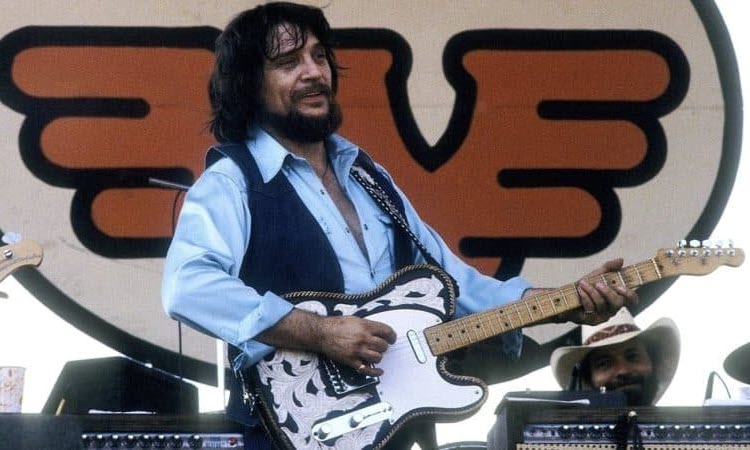
Waylon Jennings, born in 1937 in Littlefield, Texas, emerged as one of the most influential figures in the history of country music. Known for his distinctive baritone voice, outlaw image, and rebellious attitude, Jennings left an indelible mark on the genre.
Jennings’ career began in the late 1950s, initially as a bassist for Buddy Holly. However, it was his solo career that propelled him to stardom. In the 1970s, he became one of the leaders of the outlaw country movement, which rebelled against the polished, Nashville sound in favor of a rawer, more authentic style.
Throughout his career, Jennings released a string of iconic albums and singles, including “Honky Tonk Heroes” and “Dreaming My Dreams.” Hits like “Good Hearted Woman,” “Luckenbach, Texas (Back to the Basics of Love),” and “Mammas Don’t Let Your Babies Grow Up to Be Cowboys,” recorded with Willie Nelson, solidified his status as a country music legend.
Beyond his music, Jennings was known for his outlaw persona, characterized by his signature beard, sunglasses, and leather vest. He lived life on his own terms, both on and off stage, and his authenticity resonated with audiences worldwide.
Jennings’ influence extends far beyond his own recordings; he paved the way for a new generation of country artists who followed in his footsteps. His impact on the genre continues to be felt today, cementing his legacy as one of the all-time greats of country music.
1. I’m a Ramblin’ Man
“I’m a Ramblin’ Man” is a classic country song performed by American singer-songwriter Waylon Jennings. Released in 1974 as the lead single from his album of the same name, the song became one of Jennings’ signature tunes and a staple of his live performances.
Written by Ray Pennington, “I’m a Ramblin’ Man” embodies the spirit of the outlaw country genre with its rebellious lyrics and driving honky-tonk rhythm. The song follows the narrator’s declaration of his restless nature and love for life on the road, as he embraces a lifestyle of freedom and adventure.
Jennings’ gravelly voice and charismatic delivery bring the song to life, infusing it with authenticity and attitude. With its catchy melody and relatable lyrics, “I’m a Ramblin’ Man” resonated with audiences and became one of Jennings’ most successful singles, reaching the top of the Billboard Hot Country Singles chart.
The song’s enduring popularity has cemented its status as a country music classic, earning it a place in the pantheon of timeless tunes that continue to be celebrated by fans of traditional country music.
2. Waymore’s Blues
“Waymore’s Blues” is a classic country song written and performed by American country music legend Waylon Jennings. It was released in 1975 as part of his album “Dreaming My Dreams.” The song showcases Jennings’ distinctive blend of outlaw country and traditional honky-tonk styles.
With its laid-back groove, twangy guitar licks, and Jennings’ signature rugged vocals, “Waymore’s Blues” paints a picture of a weary traveler reflecting on his life experiences. The lyrics, penned by Jennings himself, convey a sense of world-weariness and resignation, yet also a hint of defiance and independence.
Throughout the song, Jennings’ storytelling prowess shines as he weaves a tale of love, loss, and the struggles of life on the road. The song’s raw honesty and emotional depth resonate with listeners, capturing the essence of classic country music.
“Waymore’s Blues” has become a beloved classic in Jennings’ repertoire, celebrated for its timeless sound and relatable themes. It remains a favorite among fans of traditional country music and a testament to Jennings’ enduring influence on the genre.
3. Mammas Don’t Let Your Babies Grow Up to Be Cowboys
“Mammas, Don’t Let Your Babies Grow Up to Be Cowboys” is a country music song written by Ed Bruce and Patsy Bruce. Originally recorded by Ed Bruce, it gained widespread popularity when it was covered by Willie Nelson and Waylon Jennings for their duet album “Waylon & Willie” in 1978.
The song is characterized by its catchy melody, simple chord progression, and relatable lyrics. It offers advice to mothers, cautioning them against letting their children pursue the rough and often difficult life of a cowboy. The song’s lyrics highlight the hardships and challenges faced by cowboys, such as long hours, dangerous work, and loneliness, while also acknowledging the allure and romance associated with the cowboy lifestyle.
Upon its release, “Mammas, Don’t Let Your Babies Grow Up to Be Cowboys” became a major hit, reaching the top of the Billboard Hot Country Songs chart and earning critical acclaim. Its success helped solidify Willie Nelson and Waylon Jennings’ status as icons of outlaw country music and remains one of their most beloved duets.
The song’s enduring popularity has led to numerous covers and appearances in various media, cementing its place as a classic of the country music genre and a favorite among fans of traditional and outlaw country music alike.
4. I Ain’t Living Long Like This
“I Ain’t Living Long Like This” is a country song written by Rodney Crowell. It was originally recorded by Crowell for his 1978 album “Ain’t Living Long Like This.” The song gained further popularity when it was covered by Waylon Jennings for his album of the same name, released in 1979.
The song is characterized by its gritty lyrics, driving rhythm, and raw vocal delivery. It tells the story of a person living a reckless and dangerous lifestyle, facing the consequences of their actions and acknowledging that they won’t be able to sustain it for long. The lyrics reflect themes of rebellion, defiance, and the inevitability of facing the repercussions of one’s choices.
Waylon Jennings’ version of “I Ain’t Living Long Like This” became a major hit, reaching the top of the Billboard Hot Country Songs chart and earning critical acclaim. It helped solidify Jennings’ reputation as a leading figure in outlaw country music and remains one of his most iconic recordings.
The song’s popularity has led to several covers by other artists across various genres, further cementing its status as a classic of the country music genre. Its gritty realism and infectious energy continue to resonate with audiences, making it a favorite among fans of traditional and outlaw country music.
5. Are You Sure Hank Done It This Way
“Are You Sure Hank Done It This Way” is a country song written and performed by American country music artist Waylon Jennings. It was released in 1975 as the lead single from his album “Dreaming My Dreams”.
The song is characterized by its distinctive guitar riff, driving rhythm, and Jennings’ raw vocal delivery. Lyrically, it reflects on the changing landscape of country music and questions whether the genre has lost its authenticity and rebellious spirit. Jennings references Hank Williams, one of country music’s pioneers, suggesting that the traditional sound and attitude he embodied may have been lost in the evolution of the genre.
“Are You Sure Hank Done It This Way” became one of Waylon Jennings’ signature songs and a rallying cry for the outlaw country movement. It reached the top ten on the Billboard Hot Country Songs chart and has since become a classic of the genre. The song’s candid lyrics and defiant attitude resonated with audiences, making it a favorite among fans of traditional and outlaw country music alike.
Over the years, “Are You Sure Hank Done It This Way” has been covered by various artists and remains a staple of country music playlists. Its enduring popularity and timeless message have solidified its status as one of Waylon Jennings’ most iconic recordings.
6. Bob Wills Is Still the King
“Bob Wills Is Still the King” is a country song written and performed by American country music artist Waylon Jennings. Released in 1975 as part of his album “Dreaming My Dreams,” the song pays tribute to Bob Wills, a legendary figure in Western swing music.
Jennings’ song celebrates Wills’ enduring legacy and influence on country music, particularly in Texas and the American Southwest. With its catchy melody, lively rhythm, and twangy guitar riffs, “Bob Wills Is Still the King” embodies the spirit of Western swing while showcasing Jennings’ own outlaw country style.
Lyrically, the song recounts Wills’ contributions to country music and his larger-than-life persona, portraying him as a trailblazer and a symbol of independence and artistic freedom. Jennings’ admiration for Wills is palpable throughout the song, as he sings of Wills’ impact on generations of musicians and his lasting legacy in the annals of country music history.
“Bob Wills Is Still the King” became one of Jennings’ most iconic songs and a fan favorite at his live performances. Its infectious energy and heartfelt homage to a country music legend have solidified its place as a classic in the genre, ensuring that Bob Wills’ legacy lives on for generations to come.
7. Don’t You Think This Outlaw Bit’s Done Got Out Of Hand
“Don’t You Think This Outlaw Bit’s Done Got Out of Hand” is a country song written and performed by American country music artist Waylon Jennings. It was released in 1978 as the title track of his album of the same name.
The song reflects on the outlaw country movement and its impact on the music industry and society at large. Waylon Jennings questions whether the rebellious spirit that defined the movement has gone too far, leading to negative consequences and a loss of direction. He laments the commercialization and glamorization of the outlaw image, suggesting that it has overshadowed the genuine artistry and authenticity of the music.
“Don’t You Think This Outlaw Bit’s Done Got Out of Hand” became one of Waylon Jennings’ signature songs and a commentary on the changing landscape of country music. It resonated with audiences who appreciated Jennings’ honesty and insight into the industry. The song’s introspective lyrics and catchy melody helped it become a hit on the country charts and a classic of the genre.
Over the years, “Don’t You Think This Outlaw Bit’s Done Got Out of Hand” has remained a fan favorite and a reminder of the complexities of the outlaw country movement. Its enduring popularity has solidified its place as one of Waylon Jennings’ most iconic recordings.
8. Just to Satisfy You
“Just to Satisfy You” is a country song written by American singer-songwriter Waylon Jennings, along with Don Bowman. Originally released in 1964 as the title track of Jennings’ album, the song gained widespread recognition when Jennings re-recorded it as a duet with Willie Nelson for their collaborative album “Wanted! The Outlaws” in 1976.
The song explores themes of love, desire, and the complexities of relationships. Its lyrics depict a protagonist who is willing to go to great lengths, including making sacrifices and enduring hardships, just to satisfy their partner and maintain the relationship.
Jennings and Nelson’s rendition of “Just to Satisfy You” became a significant success, reaching the top of the Billboard Hot Country Singles chart in 1976. The song’s soulful vocals, heartfelt delivery, and classic country instrumentation resonated with audiences, solidifying its status as a country music staple.
Over the years, “Just to Satisfy You” has remained a beloved classic in the country music genre, earning accolades for its timeless appeal and emotional depth. It stands as a testament to Jennings’ and Nelson’s enduring influence on country music and their ability to capture the essence of human emotions through their music.
9. Only Daddy That’ll Walk the Line
“Only Daddy That’ll Walk the Line” is a classic country song written by American singer-songwriter Ivy J. Bryant. It was popularized by country music icon Waylon Jennings, who recorded it in 1968 for his album “Only the Greatest.”
The song features a driving rhythm and Jennings’ signature outlaw country sound. Lyrically, it portrays the narrator as a rebellious individual who lives life on his own terms, refusing to conform to societal norms or expectations. The title itself suggests a sense of independence and self-assurance, with the narrator declaring himself as the only one who will stay true to his principles and values.
“Only Daddy That’ll Walk the Line” became one of Jennings’ signature songs and a mainstay in his live performances. It showcases his distinctive vocal delivery and his ability to infuse raw emotion and authenticity into his music, making it resonate deeply with audiences.
The song’s enduring popularity has solidified its place as a classic in the country music canon. It remains a favorite among fans of Jennings and is celebrated for its rebellious spirit and timeless appeal.
10. Theme from “The Dukes of Hazzard”
The “Theme from The Dukes of Hazzard (Good Ol’ Boys)” is a country rock song written and performed by American country music artist Waylon Jennings. It served as the theme song for the popular television series “The Dukes of Hazzard,” which aired from 1979 to 1985.
The song captures the spirit and essence of the show, which followed the adventures of cousins Bo and Luke Duke as they navigated life in Hazzard County, Georgia. With its upbeat tempo, twangy guitar riffs, and catchy chorus, “Good Ol’ Boys” embodies the rebellious and carefree nature of the Duke boys as they outsmarted the corrupt authorities and fought for justice in their community.
Waylon Jennings’ distinctive vocals and charismatic delivery brought the song to life, making it an instant hit with fans of the show and country music enthusiasts alike. “Good Ol’ Boys” became one of Jennings’ most iconic recordings and remains closely associated with “The Dukes of Hazzard” to this day.
The song’s enduring popularity has solidified its status as a classic of both country music and television theme songs. Its infectious energy and nostalgic charm continue to resonate with audiences, serving as a beloved reminder of the beloved television series and its iconic characters.

Edward Tomlin is a frequent contributor to Singers Room. Since 2005, Singersroom has been the voice of R&B around the world. Connect with us via social media below.









