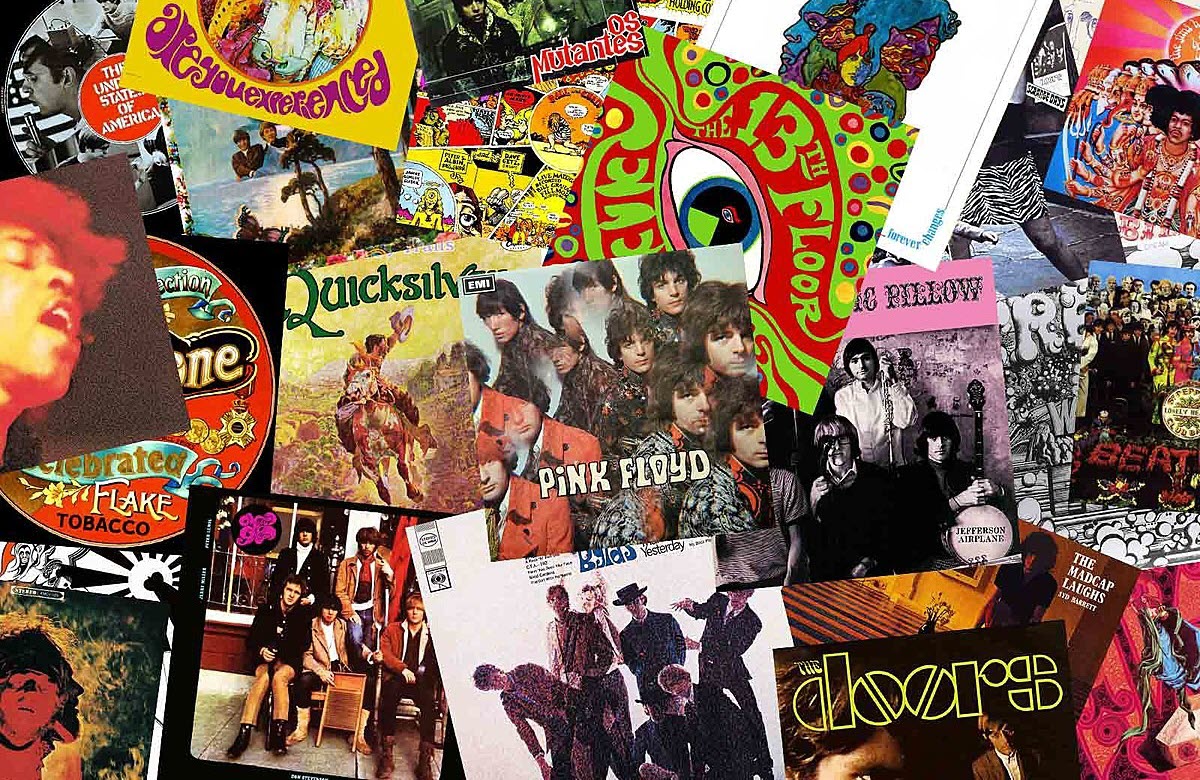
Psychedelic rock songs represent a kaleidoscopic fusion of musical experimentation, mind-expanding exploration, and countercultural rebellion. Emerging in the 1960s, this genre was heavily influenced by the cultural upheaval of the time, as well as the widespread use of psychedelic drugs like LSD. Characterized by its swirling guitar riffs, hypnotic rhythms, and surreal lyrics, psychedelic rock aimed to transcend conventional musical boundaries and transport listeners to new realms of consciousness.
These songs often feature intricate instrumental arrangements, with extended improvisational sections that allow musicians to explore new sonic territories. Lyrically, psychedelic rock songs frequently explore themes of existentialism, spirituality, and the search for meaning in a rapidly changing world.
At its best, psychedelic rock is a transformative experience, inviting listeners to embark on a journey of self-discovery and introspection. Its legacy continues to reverberate through the decades, inspiring subsequent generations of musicians and influencing a wide range of musical genres, from progressive rock to shoegaze to modern indie. Psychedelic rock remains a testament to the power of music to transcend boundaries and expand the mind.
1. Riders on the Storm by The Doors
“Riders on the Storm” by The Doors is a haunting and atmospheric rock masterpiece that captivates listeners with its mesmerizing blend of psychedelic soundscape and evocative storytelling. Released in 1971 as part of the album “L.A. Woman,” the song is known for its ethereal mood, evoking imagery of a journey through a dark and stormy night.
The song opens with the iconic sound of rain and thunder, setting the stage for the eerie and hypnotic melody that follows. Jim Morrison’s haunting vocals, accompanied by Ray Manzarek’s mesmerizing keyboard work, create a sense of foreboding and mystery that draws listeners in from the very first note.
Lyrically, “Riders on the Storm” explores themes of existentialism, mortality, and the passage of time. Morrison’s enigmatic lyrics paint a vivid picture of a lone traveler braving the elements, haunted by visions of death and uncertainty.
The song’s atmospheric instrumentation, including John Densmore’s subtle drumming and Robby Krieger’s evocative guitar work, adds to the sense of drama and tension, building to a climactic finale that leaves a lasting impression on the listener.
“Riders on the Storm” has become one of The Doors’ most iconic and enduring songs, revered for its atmospheric sound and thought-provoking lyrics. Its enduring popularity and cultural significance serve as a testament to the band’s artistic vision and their ability to push the boundaries of rock music, creating a timeless classic that continues to resonate with audiences today.
2. Dear Mr. Fantasy by Traffic
“Dear Mr. Fantasy” by Traffic is a captivating rock anthem that mesmerizes listeners with its hypnotic groove and introspective lyrics. Released in 1967 as part of the album “Mr. Fantasy,” the song showcases Traffic’s innovative fusion of rock, blues, and psychedelia, creating a sound that is both timeless and distinctive.
The song’s driving rhythm and infectious melody draw listeners in, while Steve Winwood’s soulful vocals and expressive Hammond organ work add depth and texture to the music. The hypnotic guitar riffs of Dave Mason and the pulsating bassline of Chris Wood further enhance the song’s hypnotic atmosphere, creating a sense of euphoria and transcendence.
Lyrically, “Dear Mr. Fantasy” explores themes of escapism, disillusionment, and the search for meaning in a turbulent world. The protagonist addresses a mysterious figure known as Mr. Fantasy, pleading for guidance and salvation in the face of life’s uncertainties and challenges.
The song’s anthemic chorus, with its call to “Dear Mr. Fantasy, play us a tune, something to make us all happy,” resonates with listeners as a universal cry for hope and inspiration in troubled times.
“Dear Mr. Fantasy” has become one of Traffic’s most enduring and beloved songs, revered for its infectious energy and thought-provoking lyrics. Its enduring popularity and cultural significance serve as a testament to the band’s musical prowess and their ability to create music that transcends generations and genres.
3. Incense and Peppermints by Strawberry Alarm Clock
“Incense and Peppermints” is a psychedelic rock song by the American band Strawberry Alarm Clock, released in 1967. It is the title track of their debut album and became their most successful single, reaching the top ten on the Billboard Hot 100 chart.
The song is characterized by its catchy melody, trippy lyrics, and eclectic instrumentation. It features swirling organ riffs, jangly guitars, and lush vocal harmonies, creating a hypnotic and immersive sonic experience typical of the psychedelic rock genre.
“Incense and Peppermints” captures the spirit of the late 1960s counterculture with its dreamy atmosphere and psychedelic imagery. The lyrics evoke a sense of transcendence and euphoria, inviting listeners to lose themselves in the music and embrace a psychedelic state of mind.
The song’s infectious energy and innovative production made it a hit during the Summer of Love, and it has since become a classic of the psychedelic rock era. “Incense and Peppermints” remains a beloved and iconic song, celebrated for its psychedelic sound and its representation of the spirit of the 1960s.
4. Purple Haze by Jimi Hendrix
“Purple Haze” is a landmark song by the legendary American musician Jimi Hendrix, released in 1967 as a single and later included on his debut album “Are You Experienced.” It is widely regarded as one of the greatest rock songs of all time and a defining moment in the development of psychedelic rock music.
The song is characterized by its innovative guitar work, featuring Hendrix’s distinctive use of feedback, distortion, and wah-wah effects. The iconic opening riff, played by Hendrix on his Fender Stratocaster, immediately grabs the listener’s attention with its raw energy and psychedelic atmosphere.
Lyrically, “Purple Haze” is known for its surreal and enigmatic imagery, with Hendrix singing about a dreamlike experience filled with vivid colors and strange sensations. The lyrics have been interpreted in various ways, with some listeners seeing them as a reflection of the psychedelic experience, while others see them as a metaphor for love, desire, or spiritual awakening.
“Purple Haze” became a cultural phenomenon upon its release, earning widespread acclaim and commercial success. Its electrifying guitar solos, innovative production techniques, and Hendrix’s charismatic vocals helped to redefine the possibilities of rock music and cemented his status as one of the greatest guitarists of all time.
Decades after its release, “Purple Haze” remains a timeless classic and a staple of classic rock radio. Its enduring popularity and influence continue to inspire musicians and audiences alike, making it a cornerstone of rock music history.
5. Eight Miles High by The Byrds
“Eight Miles High” by The Byrds is a groundbreaking and influential rock song that epitomizes the psychedelic sound of the 1960s. Released in 1966 as part of their album “Fifth Dimension,” the song stands as a landmark in the fusion of rock music and experimentalism, pushing the boundaries of conventional songwriting and musical expression.
The song’s distinctive jangly guitar riff, played by Roger McGuinn, immediately grabs the listener’s attention, setting the stage for the sonic journey that follows. With its intricate harmonies, unconventional chord progressions, and modal melodies, “Eight Miles High” creates a sense of otherworldly exploration and transcendence.
Lyrically, the song reflects the band’s experiences touring internationally and the disorienting effects of jet lag and sensory overload. The cryptic and surreal lyrics, written by Gene Clark, Roger McGuinn, and David Crosby, evoke a sense of dislocation and detachment, inviting listeners to join the band on their mind-expanding journey.
“Eight Miles High” has become a classic of the psychedelic rock genre, revered for its innovative sound and thought-provoking lyrics. Its influence can be heard in countless bands and artists that followed, cementing its legacy as one of the defining songs of the 1960s counterculture movement.
6. Good Vibrations by The Beach Boys
“Good Vibrations” is a groundbreaking song by the American rock band The Beach Boys, released in 1966 as a single and later included on their album “Smiley Smile.” It is widely regarded as one of the most innovative and influential songs in the history of popular music.
The song is characterized by its complex and inventive production, featuring layered vocal harmonies, unconventional instrumentation, and elaborate studio techniques. Brian Wilson, the band’s primary songwriter and producer, spent months meticulously crafting the song in the recording studio, experimenting with multiple sections and incorporating elements of psychedelic rock, pop, and experimental music.
“Good Vibrations” is known for its distinctive sound and evocative lyrics, which capture the euphoric feeling of being in love and experiencing positive vibrations. The song’s lyrics, combined with its lush vocal harmonies and intricate musical arrangement, create a sense of joy and wonder that resonates with listeners.
Upon its release, “Good Vibrations” was a commercial and critical success, topping the charts around the world and earning widespread acclaim for its innovation and creativity. It became The Beach Boys’ biggest hit and remains one of their most beloved and enduring songs.
“Good Vibrations” has since been recognized as a masterpiece of pop music and has influenced countless artists across genres. Its groundbreaking production techniques and adventurous spirit continue to inspire musicians and listeners alike, solidifying its place as a classic of the rock and roll canon.
7. Tomorrow Never Knows by The Beatles
“Tomorrow Never Knows” by The Beatles is a groundbreaking and experimental rock song that pushed the boundaries of popular music and revolutionized the possibilities of studio recording. Released in 1966 as the final track on their album “Revolver,” the song is widely regarded as one of the most innovative and influential pieces in the band’s catalog.
“Tomorrow Never Knows” is characterized by its hypnotic rhythm, electronic effects, and avant-garde production techniques. The song features a relentless drum pattern, played by Ringo Starr, and a repetitive bassline, creating a mesmerizing groove that drives the music forward. Over this rhythmic foundation, John Lennon’s ethereal vocals deliver cryptic and surreal lyrics inspired by Timothy Leary’s book “The Psychedelic Experience.”
The most distinctive aspect of “Tomorrow Never Knows” is its revolutionary use of studio effects, including tape loops, backward recording, and manipulation of vocal and instrumental tracks. These experimental techniques, overseen by producer George Martin and engineer Geoff Emerick, create a hallucinatory and otherworldly sonic landscape that perfectly complements the song’s psychedelic themes.
“Tomorrow Never Knows” has since been recognized as a landmark achievement in popular music, influencing countless artists and producers in the decades that followed. Its innovative approach to composition and recording paved the way for new possibilities in studio experimentation, leaving an indelible mark on the evolution of rock music.
8. Somebody to Love by Jefferson Airplane
“Somebody to Love” is an iconic rock song by the American rock band Jefferson Airplane, released in 1967 as part of their album “Surrealistic Pillow.” It became one of the band’s most popular and enduring songs, achieving significant commercial success and cultural impact.
The song is characterized by its powerful vocals, psychedelic rock instrumentation, and anthemic chorus. Grace Slick, the band’s lead vocalist, delivers a passionate and soulful performance, expressing a yearning for connection and fulfillment in the lyrics.
“Somebody to Love” captures the spirit of the counterculture movement of the 1960s, with its themes of individualism, rebellion, and the search for meaning. The song’s driving rhythm, soaring melodies, and bold lyrics resonated with a generation of listeners who were questioning societal norms and seeking personal liberation.
Upon its release, “Somebody to Love” became a chart-topping hit, propelling Jefferson Airplane to mainstream success and earning them widespread acclaim. The song’s message of self-discovery and acceptance struck a chord with audiences, making it an anthem for the burgeoning hippie movement.
Decades later, “Somebody to Love” remains a beloved and influential song, remembered as one of the defining tracks of the 1960s rock era. Its timeless appeal and universal themes continue to resonate with listeners, ensuring its place in the pantheon of classic rock music.
9. Third Stone from the Sun by Jimi Hendrix
“Third Stone from the Sun” by Jimi Hendrix is a groundbreaking and visionary instrumental track that showcases the guitarist’s innovative approach to music and his unparalleled skill as a musician. Released in 1967 as part of his debut album “Are You Experienced,” the song is a prime example of Hendrix’s ability to push the boundaries of rock music and create sounds that were ahead of their time.
“Third Stone from the Sun” is characterized by its intricate guitar work, experimental use of studio effects, and eclectic musical influences. The song features Hendrix’s signature fuzzed-out guitar tones, wah-wah pedal effects, and psychedelic flourishes, creating a kaleidoscopic sonic landscape that transports listeners to new realms of musical exploration.
Lyrically, the song is enigmatic and surreal, with Hendrix’s spoken-word passages offering cryptic observations on the human experience and the mysteries of the universe. His imaginative wordplay and offbeat humor add to the song’s playful and whimsical atmosphere, inviting listeners on a journey of cosmic exploration and self-discovery.
“Third Stone from the Sun” has since been hailed as a landmark achievement in psychedelic rock, influencing generations of musicians and listeners with its adventurous spirit and boundary-pushing creativity. Its enduring popularity and cultural significance serve as a testament to Hendrix’s enduring legacy as one of the most innovative and influential artists in the history of popular music.
10. Light My Fire by The Doors
“Light My Fire” by The Doors is an electrifying rock anthem that epitomizes the spirit of the 1960s counterculture movement. Released in 1967 as part of their debut album “The Doors,” the song became an instant classic and remains one of the band’s most iconic and enduring hits.
The song’s hypnotic and infectious groove, driven by Ray Manzarek’s swirling keyboard riff and Robby Krieger’s scorching guitar lines, captivates listeners from the first chord. Jim Morrison’s soulful and seductive vocals add to the song’s irresistible charm, drawing listeners into its sultry and atmospheric world.
Lyrically, “Light My Fire” explores themes of passion, desire, and the search for freedom and liberation. Morrison’s enigmatic lyrics, with their poetic imagery and existential musings, invite listeners to embrace the transformative power of love and self-expression.
At its core, “Light My Fire” is a celebration of the hedonistic ethos of the 1960s, with its emphasis on living life to the fullest and embracing the unknown. The song’s iconic refrain, “Come on baby, light my fire,” serves as a rallying cry for rebellion and self-discovery, resonating with audiences as a timeless anthem of youthful exuberance and defiance.
“Light My Fire” has since become one of The Doors’ signature songs, revered for its infectious energy, memorable melodies, and enduring cultural impact. Its timeless appeal and universal themes continue to resonate with listeners across generations, cementing its status as a classic of rock music.
11. Strawberry Fields Forever by The Beatles
“Strawberry Fields Forever” is a psychedelic rock masterpiece by the legendary British band The Beatles, released in 1967 as a double A-side single with “Penny Lane.” It is also included on their album “Magical Mystery Tour.” The song is celebrated for its innovative production, surreal lyrics, and atmospheric sound.
Written by John Lennon, “Strawberry Fields Forever” reflects Lennon’s introspective and imaginative side. The lyrics evoke a sense of nostalgia and longing, drawing on Lennon’s childhood memories of playing in the garden of Strawberry Field, a Salvation Army children’s home near his childhood home in Liverpool. The song’s dream-like imagery and abstract storytelling create a sense of ambiguity and mystery, inviting listeners to interpret its meaning in their own way.
Musically, “Strawberry Fields Forever” is groundbreaking. It features a variety of innovative production techniques, including tape loops, backwards recording, and complex layering of instruments and vocals. The song’s distinctive sound was achieved through experimentation in the studio, with producer George Martin and engineer Geoff Emerick pushing the boundaries of what was possible with recording technology at the time.
“Strawberry Fields Forever” has since become one of The Beatles’ most beloved and acclaimed songs. Its groundbreaking production, introspective lyrics, and haunting melody have captivated audiences for decades, solidifying its status as a timeless classic and a landmark achievement in popular music.
12. In-A-Gadda-Da-Vida by Iron Butterfly
“In-A-Gadda-Da-Vida” by Iron Butterfly is an epic and influential rock song that represents the epitome of late 1960s psychedelic music. Released in 1968 as the title track of their album of the same name, the song is renowned for its lengthy instrumental passages, hypnotic groove, and groundbreaking use of distortion and effects.
The song’s title is derived from a supposed drunken interpretation of the phrase “In the Garden of Eden,” and its surreal and enigmatic lyrics further contribute to its mystique. However, it is the music itself that truly captivates listeners, with its powerful and relentless rhythm section, searing guitar solos, and haunting organ melodies.
Clocking in at over 17 minutes in its full version, “In-A-Gadda-Da-Vida” is an epic musical journey that takes listeners on a psychedelic odyssey through a kaleidoscopic sonic landscape. The extended instrumental sections allow the band to explore a wide range of musical ideas and textures, from blistering guitar pyrotechnics to ethereal keyboard flourishes.
The song’s impact on the rock music landscape cannot be overstated, inspiring countless bands and artists with its pioneering approach to songwriting and recording. Its enduring popularity and cultural significance have cemented its status as one of the definitive songs of the psychedelic era, beloved by fans of classic rock and revered by musicians for its innovation and influence.
13. White Rabbit by Jefferson Airplane
“White Rabbit” by Jefferson Airplane is a mesmerizing and iconic rock song that serves as a quintessential anthem of the 1960s counterculture movement. Released in 1967 as part of their album “Surrealistic Pillow,” the song is celebrated for its evocative lyrics, haunting melody, and hypnotic rhythm.
Written by Grace Slick, the song draws inspiration from Lewis Carroll’s “Alice’s Adventures in Wonderland” and “Through the Looking-Glass,” exploring themes of curiosity, rebellion, and the search for self-discovery. Slick’s vivid and surreal lyrics, with their references to Alice, the Red Queen, and the hookah-smoking caterpillar, invite listeners on a psychedelic journey through a topsy-turvy world of wonder and whimsy.
Musically, “White Rabbit” is characterized by its hypnotic bassline, ethereal guitar riffs, and driving rhythm, creating a sense of urgency and intensity that builds throughout the song. Slick’s powerful and impassioned vocals further enhance the song’s dramatic impact, drawing listeners into its mesmerizing sonic landscape.
“White Rabbit” has since become one of Jefferson Airplane’s most enduring and beloved songs, revered for its thought-provoking lyrics, innovative musicality, and cultural significance. Its timeless appeal and universal themes continue to resonate with listeners across generations, cementing its status as a classic of rock music and a symbol of the psychedelic era.
14. Lucy in the Sky with Diamonds by The Beatles
“Lucy in the Sky with Diamonds” is a psychedelic rock song by The Beatles, released in 1967 on their groundbreaking album “Sgt. Pepper’s Lonely Hearts Club Band.” It is one of the band’s most famous and enduring compositions, known for its surreal lyrics, ethereal sound, and innovative production.
Written primarily by John Lennon, “Lucy in the Sky with Diamonds” is celebrated for its dream-like imagery and abstract storytelling. The lyrics describe a fantastical journey through a kaleidoscopic landscape filled with vivid and surreal images, including “tangerine trees,” “marmalade skies,” and the titular “Lucy” who “floats in a boat on a river.”
Despite speculation to the contrary, Lennon always maintained that the song’s inspiration came from a drawing made by his son Julian, depicting his classmate Lucy O’Donnell surrounded by stars. The initials of the song’s title spell out “LSD,” leading to speculation about its connection to psychedelic drugs, though Lennon insisted that the song was not about drugs but rather about a child’s vivid imagination.
Musically, “Lucy in the Sky with Diamonds” is characterized by its lush instrumentation and intricate arrangement. It features swirling Mellotron, swirling organ, and ethereal vocal harmonies, creating a mesmerizing and otherworldly sound that perfectly complements the song’s surreal lyrics.
“Lucy in the Sky with Diamonds” has since become one of The Beatles’ most beloved and iconic songs, revered for its creativity, innovation, and enduring appeal. It remains a classic of the psychedelic rock genre and a timeless favorite among fans of The Beatles and lovers of 1960s music.
15. Purple Haze by The Jimi Hendrix Experience
“Purple Haze” by The Jimi Hendrix Experience is a seminal rock anthem that showcases Jimi Hendrix’s revolutionary guitar technique and experimental approach to music. Released in 1967 as a single and later included on the album “Are You Experienced,” the song is celebrated for its psychedelic sound, innovative use of distortion, and enigmatic lyrics.
From the moment Hendrix’s iconic guitar riff kicks in, “Purple Haze” captivates listeners with its raw energy and electrifying intensity. The song’s driving rhythm, pulsating bassline, and frenetic drumming provide the perfect backdrop for Hendrix’s blistering guitar solos and soulful vocals, creating a sonic whirlwind that sweeps listeners off their feet.
Lyrically, “Purple Haze” is a surreal and enigmatic exploration of altered states of consciousness and the mysteries of the mind. Hendrix’s cryptic imagery and evocative wordplay invite listeners on a psychedelic journey through a kaleidoscopic dreamscape, where nothing is quite as it seems.
“Purple Haze” has since become one of Hendrix’s most iconic and enduring songs, revered for its groundbreaking sound and its role in shaping the landscape of rock music. Its electrifying energy and timeless appeal continue to captivate listeners and inspire generations of musicians, cementing its status as a classic of the psychedelic era and a cornerstone of the rock canon.

Edward Tomlin is a frequent contributor to Singers Room. Since 2005, Singersroom has been the voice of R&B around the world. Connect with us via social media below.









