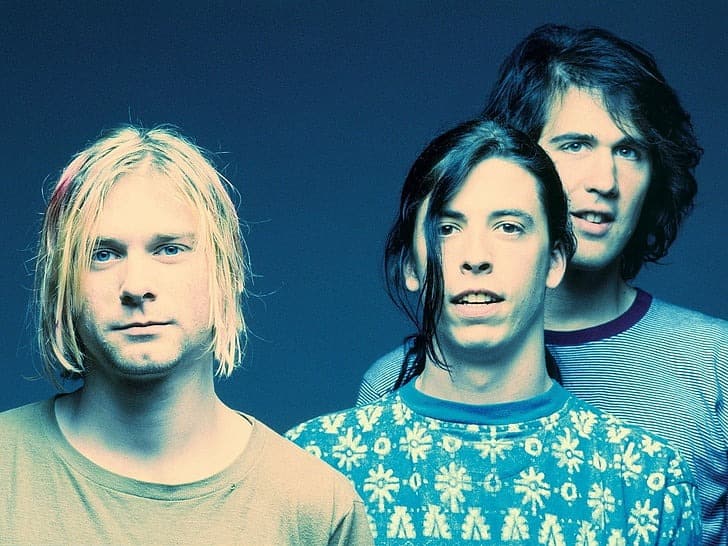
Nirvana was an American rock band formed in Aberdeen, Washington, in 1987. The band consisted of Kurt Cobain (vocals, guitar), Krist Novoselic (bass), and Dave Grohl (drums). Nirvana is widely regarded as one of the most influential and iconic bands in the history of rock music, known for their raw and abrasive sound, as well as their role in popularizing the grunge genre.
Nirvana gained widespread attention with their second album, “Nevermind,” released in 1991. The album’s lead single, “Smells Like Teen Spirit,” became an anthem for the generation, catapulting Nirvana to worldwide fame and turning them into symbols of the alternative rock movement of the early 1990s. With its catchy riff, powerful vocals, and rebellious attitude, “Smells Like Teen Spirit” became an instant classic and is often credited with bringing alternative rock into the mainstream.
Despite their meteoric rise to fame, Nirvana’s career was tragically cut short with the death of Kurt Cobain in 1994. Cobain’s struggles with addiction and mental health issues have since become part of his legacy, adding layers of complexity to Nirvana’s music and contributing to their enduring appeal.
Nirvana’s impact on popular culture and music cannot be overstated. Their influence can be heard in countless bands that followed, and their songs continue to resonate with listeners around the world. Nirvana’s discography, including albums like “Bleach,” “Nevermind,” and “In Utero,” remains highly regarded by fans and critics alike, cementing their place in the pantheon of rock music history.
1. All Apologies
“All Apologies” is a poignant and introspective song by Nirvana, featured on their third and final studio album, “In Utero,” released in 1993. The song, written by Kurt Cobain, serves as a haunting reflection on themes of self-doubt, regret, and the complexities of human relationships.
Lyrically, “All Apologies” is a deeply personal and introspective exploration of Cobain’s inner struggles and emotions. The verses convey a sense of vulnerability and uncertainty, with Cobain expressing regret and apologizing for his perceived shortcomings and mistakes. The chorus, with its repeated refrain of “All in all is all we are,” reflects a sense of resignation and acceptance of one’s flaws and imperfections.
Musically, “All Apologies” features a subdued and melancholic arrangement that contrasts with the band’s more abrasive and aggressive sound on previous tracks. The song is characterized by its haunting melody, gentle acoustic guitar, and somber vocals by Cobain. The stripped-down instrumentation allows the emotional weight of the lyrics to take center stage, creating a sense of intimacy and introspection.
“All Apologies” has been interpreted by fans and critics as a reflection of Cobain’s struggles with fame, addiction, and his tumultuous personal life. The song’s raw emotion and confessional lyrics have resonated with listeners, earning it a place as one of Nirvana’s most beloved and enduring tracks.
Despite its somber tone, “All Apologies” is ultimately a powerful and cathartic expression of self-awareness and acceptance. The song’s message of humility and reconciliation serves as a reminder of the universal human experience of grappling with one’s own flaws and seeking forgiveness and understanding from others.
2. Come As You Are
“Come as You Are” is a song by the American rock band Nirvana, released in 1991 as the second single from their iconic album “Nevermind.” It’s one of Nirvana’s most recognizable and enduring songs, known for its catchy melody and distinctive guitar riff.
The lyrics of “Come as You Are” convey a sense of acceptance and authenticity, encouraging listeners to be themselves and embrace their individuality. The song’s chorus, with its repeated refrain “Come as you are, as you were, as I want you to be,” captures the essence of the band’s ethos and resonates with audiences who relate to its message of self-acceptance.
Musically, “Come as You Are” is characterized by its memorable guitar riff, played by Kurt Cobain with a chorus effect that gives it a distinctive and ethereal sound. The song’s arrangement is relatively straightforward, with a driving rhythm section and Cobain’s raw and emotive vocals.
“Come as You Are” became one of Nirvana’s most successful singles, receiving widespread acclaim from critics and fans alike. Its release helped propel “Nevermind” to massive commercial success, cementing Nirvana’s place as one of the most influential bands of the 1990s and defining the grunge music movement of the era.
Through its infectious melody and relatable lyrics, “Come as You Are” continues to resonate with listeners of all ages, inspiring a sense of empowerment and acceptance. It stands as a timeless anthem for individuality and authenticity, reminding listeners to embrace who they are and to be proud of their uniqueness.
3. Smells Like Teen Spirit
“Smells Like Teen Spirit” is a groundbreaking song by the American rock band Nirvana, released in 1991 as the lead single from their second studio album, “Nevermind.” It’s widely regarded as one of the most iconic and influential songs in the history of rock music, playing a pivotal role in popularizing the grunge movement of the early 1990s.
Lyrically, “Smells Like Teen Spirit” is characterized by its cryptic and often nonsensical lyrics, which were largely inspired by frontman Kurt Cobain’s observations of the teenage culture and apathy of the time. The song’s title was derived from a brand of deodorant, and the lyrics are filled with abstract imagery and rebellious sentiments, capturing the angst and disillusionment of a generation.
Musically, “Smells Like Teen Spirit” is known for its raw energy and powerful instrumentation. The song features a driving guitar riff, played by Kurt Cobain, along with a thunderous drumbeat by Dave Grohl and a distinctive bassline by Krist Novoselic. The combination of these elements creates a visceral and electrifying sound that perfectly captures the spirit of the era.
“Smells Like Teen Spirit” became an instant sensation upon its release, catapulting Nirvana to international fame and helping to propel “Nevermind” to the top of the charts. Its music video, directed by Samuel Bayer, received heavy rotation on MTV and became an iconic symbol of the grunge movement.
Through its explosive energy and rebellious spirit, “Smells Like Teen Spirit” resonated with a generation of disaffected youth, becoming an anthem of teenage angst and rebellion. Its enduring popularity and cultural impact solidify its place as one of the greatest rock songs of all time, continuing to inspire and influence musicians and fans around the world.
4. Sliver
“Sliver” is a high-energy and frenetic song by Nirvana, released in 1990 as a single and later included on their compilation album “Incesticide.” The track is known for its raw and abrasive sound, as well as its catchy melody and punk-inspired energy.
Lyrically, “Sliver” tells the story of a young boy spending time at his grandparents’ house while his parents are away. The lyrics capture the boredom and frustration of the child, who longs to be reunited with his mother. The chorus, with its repeated refrain of “Grandma take me home,” reflects the child’s desire to escape his surroundings and return to the familiarity and comfort of his own home.
Musically, “Sliver” is characterized by its fast-paced tempo, distorted guitar riffs, and aggressive drumming. The song’s raw and unpolished production adds to its sense of urgency and immediacy, capturing the youthful energy and rebellion of punk rock.
“Sliver” showcases Nirvana’s ability to craft catchy and memorable hooks while maintaining their signature grunge sound. Despite its relatively simple structure, the song’s infectious energy and relatable lyrics have made it a fan favorite and a staple of the band’s live performances.
Through “Sliver,” Nirvana captured the frustration and restlessness of youth, creating a raw and unfiltered snapshot of adolescent angst. The song remains a beloved classic in the band’s discography, serving as a reminder of their influential role in shaping the alternative rock landscape of the 1990s.
5. Heart Shaped Box
“Heart-Shaped Box” is a haunting and iconic song by the American rock band Nirvana, released in 1993 as the lead single from their third and final studio album, “In Utero.” The song is known for its brooding atmosphere, powerful lyrics, and dynamic instrumentation.
Lyrically, “Heart-Shaped Box” delves into themes of love, obsession, and vulnerability. The title refers to a heart-shaped box that lead vocalist and guitarist Kurt Cobain received from his wife, Courtney Love. The lyrics are open to interpretation but are often seen as expressing Cobain’s struggles with fame, relationships, and his own inner demons.
Musically, “Heart-Shaped Box” is characterized by its heavy guitar riff, played by Cobain, and its dynamic shifts in intensity. The song features a distinctive blend of quiet verses and explosive choruses, creating a sense of tension and release that mirrors the emotional turmoil conveyed in the lyrics.
The music video for “Heart-Shaped Box,” directed by Anton Corbijn, is as iconic as the song itself. It features surreal and disturbing imagery, including a young girl in a Ku Klux Klan outfit, an elderly woman crucified, and the band performing in a field of poppies. The video received heavy rotation on MTV and won several awards, further cementing the song’s place in popular culture.
“Heart-Shaped Box” was a commercial and critical success, receiving widespread acclaim from critics and fans alike. It remains one of Nirvana’s most beloved and enduring songs, recognized for its powerful lyrics, dynamic instrumentation, and raw emotional intensity.
Through its evocative lyrics and visceral sound, “Heart-Shaped Box” continues to resonate with listeners, capturing the essence of Nirvana’s musical legacy and the emotional depth of Kurt Cobain’s songwriting. It stands as a timeless anthem of alternative rock, inspiring generations of fans with its raw honesty and unapologetic expression of inner turmoil.
6. Something In The Way
“Something in the Way” is a haunting and atmospheric song by Nirvana, featured on their iconic album “Nevermind,” released in 1991. The track stands out for its minimalist arrangement and introspective lyrics, which paint a vivid portrait of isolation and despair.
Lyrically, “Something in the Way” tells the story of a homeless individual living beneath a bridge, conveying a sense of loneliness and alienation from society. The lyrics evoke a feeling of emptiness and resignation, with the narrator describing how they “have nothing to say” and are “just sitting here watching the tide roll away.” The chorus, with its repeated refrain of “Something in the way,” hints at the unseen forces that shape and define the narrator’s existence.
Musically, “Something in the Way” features a sparse and stripped-down arrangement, with Kurt Cobain’s somber vocals accompanied by a solitary guitar and occasional cello. The song’s slow tempo and melancholic melody create a sense of melancholy and introspection, drawing the listener into the narrator’s world of isolation and solitude.
Despite its minimalist approach, “Something in the Way” is a powerful and evocative song that showcases Nirvana’s ability to convey raw emotion and vulnerability through their music. The song’s introspective lyrics and haunting melody have resonated with listeners, earning it a place as one of the standout tracks on “Nevermind” and a fan favorite in the band’s discography.
Through “Something in the Way,” Nirvana captured the sense of alienation and despair that many people experience at some point in their lives. The song remains a haunting reminder of the human condition and the universal struggle to find meaning and connection in a world that often feels indifferent and unforgiving.
7. The Man Who Sold The World
“The Man Who Sold the World” is a song written by David Bowie, released as the title track of his third studio album in 1970. The song gained renewed attention when it was covered by the American rock band Nirvana for their iconic MTV Unplugged performance in 1993.
Lyrically, “The Man Who Sold the World” is enigmatic and surreal, with themes that touch on identity, perception, and self-discovery. The lyrics describe a conversation between two individuals, one of whom is questioning their own sense of reality and wondering if they have been fundamentally changed by external forces.
Musically, Bowie’s original version of the song is characterized by its haunting melody, intricate guitar work, and atmospheric production. The song’s arrangement features a prominent electric guitar riff and Bowie’s distinctive vocal delivery, creating a sense of unease and mystery.
Nirvana’s cover of “The Man Who Sold the World” is notable for its stripped-down arrangement, featuring acoustic guitar and subdued vocals by Kurt Cobain. The band’s interpretation of the song retains the haunting atmosphere of the original while adding a raw and intimate quality that resonated with audiences.
“The Man Who Sold the World” has become one of David Bowie’s most enduring and iconic songs, celebrated for its thought-provoking lyrics and innovative musicality. Nirvana’s cover introduced the song to a new generation of listeners and helped to solidify its status as a classic of alternative rock.
Through its evocative lyrics and atmospheric sound, “The Man Who Sold the World” continues to captivate listeners, inviting them into a world of introspection and existential questioning. It stands as a timeless reminder of the power of music to provoke thought and stir the imagination.
8. Lithium
“Lithium” is a compelling and emotionally charged song by Nirvana, featured on their breakthrough album “Nevermind,” released in 1991. Written by Kurt Cobain, the track is renowned for its dynamic shifts, raw energy, and deeply introspective lyrics.
Lyrically, “Lithium” explores themes of mental illness, spirituality, and personal struggle. The narrator expresses feelings of isolation, confusion, and despair, reflecting on their tumultuous inner turmoil and the search for solace and meaning. The lyrics touch on themes of medication and religion, with the repeated refrain of “I’m so happy ’cause today I found my friends, they’re in my head” capturing the conflicting emotions of hope and despair.
Musically, “Lithium” features a dynamic and intense arrangement that showcases Nirvana’s signature grunge sound. The song’s verses build tension with subdued guitar riffs and brooding vocals, before exploding into a powerful and cathartic chorus marked by Cobain’s impassioned screams and the band’s thunderous instrumentation. The song’s dynamic shifts between quiet verses and explosive choruses create a sense of urgency and emotional intensity that resonates with listeners.
“Lithium” has been praised for its raw emotion and unflinching honesty, earning it a place as one of Nirvana’s most iconic and enduring songs. The track’s exploration of inner turmoil and existential angst has resonated with fans around the world, making it a standout track on “Nevermind” and a defining moment in the band’s career.
Through “Lithium,” Nirvana captured the raw intensity and emotional depth of the human experience, creating a powerful and timeless anthem of inner struggle and resilience. The song remains a poignant reminder of the band’s impact on music and culture, as well as a testament to the enduring power of rock music to confront and transcend the darkness within.
9. About A Girl
“About a Girl” is a melodic and introspective song by Nirvana, featured on their debut album “Bleach,” released in 1989. Written by Kurt Cobain, the track showcases a departure from the band’s signature grunge sound, incorporating elements of jangle pop and alternative rock.
Lyrically, “About a Girl” explores themes of love, longing, and vulnerability. The song’s narrator expresses frustration and confusion in a romantic relationship, grappling with feelings of inadequacy and insecurity. The lyrics convey a sense of introspection and self-awareness, with lines like “I need an easy friend, I do, with an ear to lend” capturing the narrator’s desire for understanding and acceptance.
Musically, “About a Girl” features a catchy and infectious melody, driven by jangly guitar chords and Cobain’s distinctive vocals. The song’s upbeat tempo and pop sensibility set it apart from the band’s more abrasive and aggressive tracks, showcasing their versatility and songwriting prowess. The infectious chorus, with its repeated refrain of “I do, have a clue,” adds to the song’s irresistible charm and appeal.
“About a Girl” has been praised for its melodic hooks, memorable lyrics, and emotional depth, earning it a place as one of Nirvana’s most beloved and enduring songs. The track’s departure from the band’s traditional grunge sound foreshadowed their later experimentation with different musical styles and cemented their status as pioneers of alternative rock.
Through “About a Girl,” Nirvana captured the complexities of human relationships and the universal experience of navigating love and heartbreak. The song remains a timeless classic in the band’s discography, continuing to resonate with listeners and inspire new generations of fans with its relatable lyrics and irresistible melody.
10. In Bloom
“In Bloom” is a dynamic and satirical song by Nirvana, featured on their iconic album “Nevermind,” released in 1991. Written by Kurt Cobain, the track serves as a critique of the commercialization and misunderstanding of the grunge music scene at the time.
Lyrically, “In Bloom” explores themes of authenticity, identity, and societal expectations. The song’s narrator sarcastically addresses those who misinterpret and commodify the band’s music, with lyrics like “He’s the one who likes all our pretty songs, and he likes to sing along, and he likes to shoot his gun.” The chorus, with its repeated refrain of “He’s the one who likes all our pretty songs, and he likes to sing along, and he likes to shoot his gun,” serves as a biting commentary on the disconnect between the band’s raw and subversive music and the mainstream audience’s perception of it.
Musically, “In Bloom” features a catchy and energetic arrangement that blends punk rock sensibilities with pop hooks. The song’s infectious melody, driving rhythm, and crunchy guitar riffs capture the band’s signature grunge sound, while also showcasing their knack for crafting memorable hooks and melodies.
“In Bloom” has been praised for its clever lyrics, infectious melody, and incisive social commentary, earning it a place as one of Nirvana’s most beloved and enduring songs. The track’s biting satire and irreverent attitude have resonated with fans around the world, making it a standout track on “Nevermind” and a defining moment in the band’s career.
Through “In Bloom,” Nirvana captured the contradictions and complexities of their newfound fame while also challenging the expectations and stereotypes of the music industry. The song remains a timeless classic in the band’s discography, continuing to inspire listeners and spark conversations about the nature of authenticity and artistic integrity in popular music.

Edward Tomlin is a frequent contributor to Singers Room. Since 2005, Singersroom has been the voice of R&B around the world. Connect with us via social media below.









