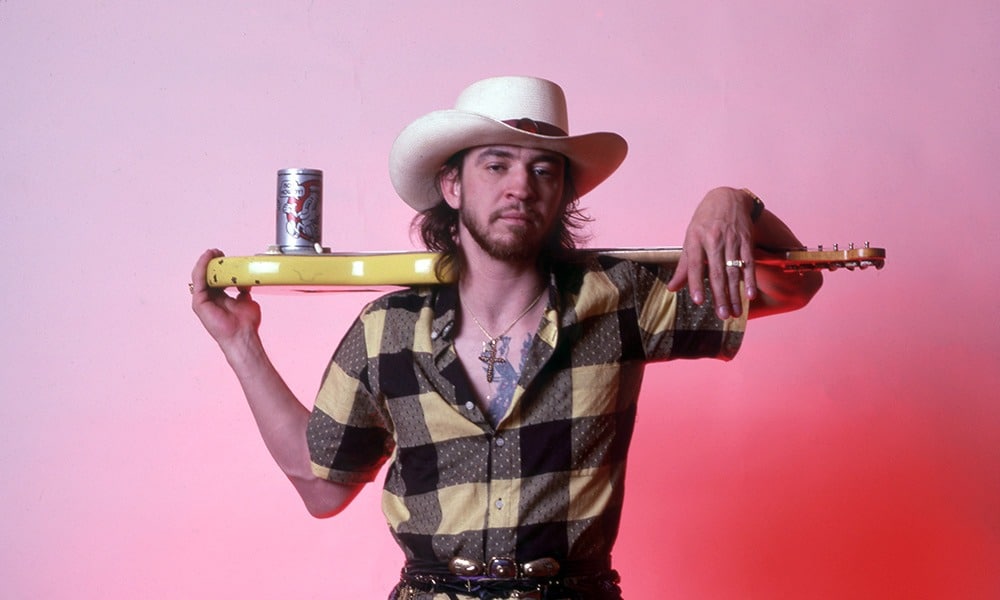
Stevie Ray Vaughan, a virtuoso guitarist and blues rock icon, left an indelible mark on the music world with his electrifying performances and unparalleled talent. Born in Dallas, Texas, in 1954, Vaughan’s musical journey began at a young age, heavily influenced by his older brother Jimmie and legendary blues artists like Albert King and B.B. King.
Vaughan’s distinctive playing style blended elements of blues, rock, and jazz, creating a sound that was both powerful and soulful. His technical proficiency, soulful expression, and raw emotion captivated audiences worldwide, earning him widespread acclaim and recognition as one of the greatest guitarists of all time.
With his band Double Trouble, Vaughan released several critically acclaimed albums, including “Texas Flood,” “Couldn’t Stand the Weather,” and “In Step.” His live performances were legendary, showcasing his improvisational skills and electrifying stage presence.
Tragically, Vaughan’s life was cut short in a helicopter crash in 1990 at the age of 35, but his legacy lives on through his timeless music and influence on generations of musicians. Vaughan’s unparalleled talent and enduring impact continue to inspire and resonate with music lovers around the globe, solidifying his place among the legends of rock and blues music.
1. Pride and Joy
“Pride and Joy” is an iconic blues-rock song by Stevie Ray Vaughan, released in 1983 as part of his debut album “Texas Flood.” Co-written by Vaughan and his wife at the time, Lenora “Lenny” Vaughan, the song showcases his virtuosic guitar playing and soulful vocals.
Lyrically, “Pride and Joy” is a declaration of love and admiration for a special someone. The narrator expresses their affection for their partner, referring to them as their “pride and joy” and highlighting the happiness and fulfillment they bring into their life. The song’s upbeat tempo and catchy chorus exude a sense of joy and celebration, perfectly complementing its romantic theme.
Musically, “Pride and Joy” is characterized by its infectious groove, blistering guitar solos, and tight rhythm section. Vaughan’s masterful guitar work, including his trademark bluesy bends and lightning-fast riffs, earned him widespread acclaim and solidified his reputation as one of the greatest guitarists of all time.
Upon its release, “Pride and Joy” became one of Stevie Ray Vaughan’s signature songs, receiving critical acclaim and earning him mainstream recognition. Its timeless appeal and enduring popularity have cemented its status as a classic in the blues-rock genre, inspiring countless musicians and continuing to captivate audiences around the world decades after its release.
2. Texas Flood
“Texas Flood” is a blues masterpiece and the title track of Stevie Ray Vaughan’s debut studio album, released in 1983. Originally written and recorded by blues legend Larry Davis, Vaughan’s rendition of “Texas Flood” quickly became iconic and solidified his status as a guitar virtuoso.
The song opens with Vaughan’s electrifying guitar intro, which immediately grabs the listener’s attention with its raw intensity and soulful expression. As the song progresses, Vaughan’s gritty vocals and blistering guitar solos take center stage, showcasing his impeccable technique and emotional depth.
Lyrically, “Texas Flood” captures the essence of the blues, with themes of heartache, longing, and the relentless power of nature. The metaphor of a “Texas flood” serves as a metaphor for the overwhelming emotions experienced during times of hardship and despair.
Musically, “Texas Flood” is characterized by its slow blues tempo, hypnotic groove, and dynamic shifts in dynamics. Vaughan’s masterful command of the guitar, including his lightning-fast fingerwork and expressive bends, elevates the song to legendary status.
Upon its release, “Texas Flood” garnered widespread acclaim from critics and audiences alike, earning Vaughan his rightful place among the pantheon of blues guitar legends. Decades later, the song remains a cornerstone of Vaughan’s legacy, inspiring generations of musicians and captivating listeners with its timeless appeal and raw emotion.
3. Little Wing
“Little Wing” is a song written by Jimi Hendrix and recorded by his band, The Jimi Hendrix Experience. It was released on their 1967 album “Axis: Bold as Love.” “Little Wing” is widely regarded as one of Hendrix’s greatest compositions and is a staple of his repertoire.
The song features poetic and evocative lyrics that express themes of love, freedom, and transcendence. Musically, “Little Wing” is characterized by its melodic guitar lines, soulful vocals, and dreamy atmosphere. Hendrix’s innovative guitar playing, including his use of wah-wah pedal and feedback techniques, contributes to the song’s distinctive sound.
“Little Wing” has been covered by numerous artists across various genres and has become a classic rock standard. Its enduring popularity and influence have cemented its status as one of Jimi Hendrix’s most iconic songs.
4. Cold Shot
“Cold Shot” is a blues rock song by Stevie Ray Vaughan and Double Trouble, released in 1984 as part of their album “Couldn’t Stand the Weather.” The song was written by Michael Kindred and W. C. Clark.
“Cold Shot” features Vaughan’s signature guitar playing, characterized by his fiery solos and soulful bends. The lyrics of the song convey the pain and heartache of a failed relationship, with the narrator lamenting the coldness and indifference of their former lover. Despite the emotional subject matter, the song maintains an upbeat tempo and groove that is typical of Vaughan’s blues rock style.
“Cold Shot” became one of Stevie Ray Vaughan’s most popular songs and remains a favorite among fans of blues and rock music. Its catchy riff and memorable lyrics have contributed to its enduring popularity and status as a classic in Vaughan’s discography.
5. Tightrope
“Tightrope” is a dynamic and soulful track by the legendary blues-rock artist Stevie Ray Vaughan. Released in 1989 as part of his album “In Step,” the song showcases Vaughan’s virtuoso guitar skills and impassioned vocals.
Lyrically, “Tightrope” delves into themes of struggle and resilience, with Vaughan singing about the challenges of navigating life’s ups and downs. The metaphor of walking a tightrope captures the precarious balance between success and failure, love and loss. Despite the obstacles, the narrator finds solace and strength in music, using it as a source of inspiration and healing.
Musically, “Tightrope” features a driving rhythm, funky groove, and blistering guitar solos that are hallmarks of Vaughan’s signature style. His electrifying performance, characterized by lightning-fast riffs and soulful bends, showcases his mastery of the instrument and his ability to convey emotion through music.
Upon its release, “Tightrope” received critical acclaim and became a fan favorite, earning Vaughan recognition as one of the greatest guitarists of all time. Its infectious energy and powerful message continue to resonate with listeners, solidifying its status as a classic in Vaughan’s extensive catalog and in the blues-rock genre as a whole.
6. Crossfire
“Crossfire” is a blues-rock song by Stevie Ray Vaughan and Double Trouble, released in 1989 as part of their album “In Step.” The song was written by Tommy Shannon, Chris Layton, Reese Wynans, and Bill Carter.
“Crossfire” features Vaughan’s electrifying guitar work, with powerful riffs and blistering solos that showcase his virtuosity. The lyrics of the song touch on themes of conflict, struggle, and perseverance, with the narrator expressing determination to overcome obstacles and rise above adversity.
“Crossfire” was a commercial success, reaching the top of the Billboard Mainstream Rock Tracks chart and earning critical acclaim for its tight musicianship and Vaughan’s impassioned vocals and guitar playing. The song remains a fan favorite and is often cited as one of Stevie Ray Vaughan’s greatest achievements.
7. Riviera Paradise
“Riviera Paradise” is an instrumental masterpiece by Stevie Ray Vaughan, featured on his critically acclaimed album “In Step,” released in 1989. The song stands out as a departure from Vaughan’s typical blues-rock style, showcasing his versatility and musical depth.
“Riviera Paradise” is a breathtakingly beautiful composition that takes listeners on a journey through serene landscapes and soulful melodies. Vaughan’s emotive guitar playing shines throughout the song, with each note conveying a sense of longing and introspection.
The song’s title evokes images of a tranquil paradise, with Vaughan’s guitar serving as the soundtrack to a peaceful retreat. The lush instrumentation, including keyboards, saxophone, and subtle percussion, adds layers of depth and texture to the music, creating an immersive listening experience.
“Riviera Paradise” is often regarded as one of Stevie Ray Vaughan’s finest achievements, showcasing his mastery of the guitar and his ability to evoke powerful emotions through music. Its timeless beauty and evocative atmosphere continue to captivate audiences, cementing its status as a classic in Vaughan’s illustrious discography.
8. Voodoo Child (Slight Return)
“Voodoo Child (Slight Return)” is a song by Jimi Hendrix, released in 1968 as the final track on the album “Electric Ladyland.” It is a variation of Hendrix’s earlier composition, “Voodoo Chile,” recorded during the same sessions.
“Voodoo Child (Slight Return)” is one of Hendrix’s most famous and iconic songs, showcasing his innovative guitar techniques and groundbreaking sound. The song features Hendrix’s masterful use of the wah-wah pedal, distortion, and feedback to create a psychedelic and blues-infused rock masterpiece.
The lyrics of “Voodoo Child (Slight Return)” are cryptic and surreal, with references to magic, mythology, and personal experiences. The song’s title and imagery draw from Hendrix’s fascination with voodoo culture and his own identity as a musical shaman.
“Voodoo Child (Slight Return)” has become a classic rock staple and is widely regarded as one of Jimi Hendrix’s greatest compositions. Its influence can be heard across generations of musicians and continues to captivate audiences with its raw energy and transcendent guitar work.
9. Love Struck Baby
“Love Struck Baby” is a high-energy blues-rock song by Stevie Ray Vaughan and Double Trouble, featured on their debut album “Texas Flood,” released in 1983. The track serves as an electrifying introduction to Vaughan’s dynamic guitar playing and soulful vocals.
“Love Struck Baby” opens with Vaughan’s infectious guitar riff, immediately grabbing the listener’s attention with its upbeat tempo and irresistible groove. The song’s lyrics tell the story of infatuation and desire, with Vaughan singing about the overwhelming feeling of being love-struck by a captivating partner.
Musically, “Love Struck Baby” is characterized by its driving rhythm, lively guitar solos, and tight instrumentation from Double Trouble. Vaughan’s virtuosic guitar work, including his lightning-fast fingerpicking and soulful bends, showcases his mastery of the instrument and his ability to inject emotion into every note.
Upon its release, “Love Struck Baby” received widespread acclaim from critics and audiences alike, establishing Vaughan as a force to be reckoned with in the blues-rock genre. Its infectious energy and catchy melody have made it a fan favorite and a staple in Vaughan’s live performances, solidifying its status as one of his most iconic songs.
10. Life Without You
“Life Without You” is a blues song by Stevie Ray Vaughan and Double Trouble, released on their 1985 album “Soul to Soul.” The song was written by Stevie Ray Vaughan himself.
“Life Without You” is a poignant and introspective ballad that showcases Vaughan’s emotional depth as both a singer and guitarist. The lyrics express longing and heartache, as the narrator reflects on the pain of being separated from a loved one and contemplates life without them. Vaughan’s soulful vocals and expressive guitar playing convey the raw emotion of the song, with his trademark fiery solos adding to its intensity.
“Life Without You” is often regarded as one of Stevie Ray Vaughan’s most powerful and moving songs. Its heartfelt lyrics and soul-stirring melody have resonated with fans of blues and rock music, cementing its status as a classic in Vaughan’s repertoire.

Edward Tomlin is a frequent contributor to Singers Room. Since 2005, Singersroom has been the voice of R&B around the world. Connect with us via social media below.









