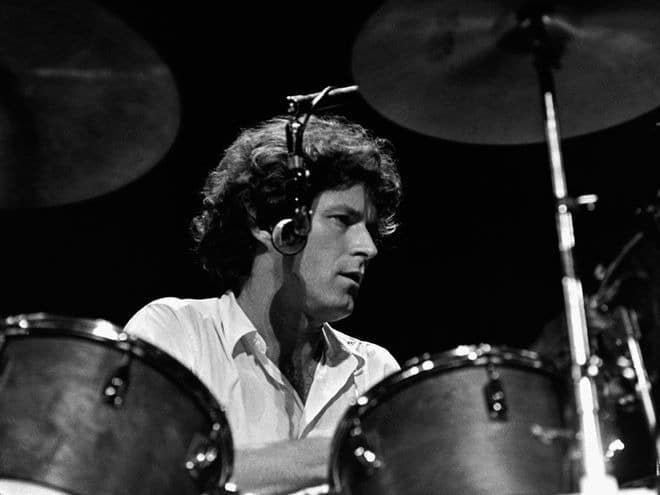
Don Henley, a living legend in the realm of rock music, is a singer, songwriter, and drummer renowned for his multifaceted contributions to the Eagles, one of the greatest rock bands of all time. Born in 1947, Henley’s musical journey began with the Eagles’ formation in 1971, where his distinctive voice and songwriting prowess played a pivotal role in the band’s success.
Henley’s solo career, launched in the 1980s, further solidified his status as a musical force. His album “Building the Perfect Beast” spawned hits like “The Boys of Summer” and showcased his ability to seamlessly blend rock with elements of pop and new wave.
As a lyricist, Henley’s compositions delve into poignant reflections on life, love, and societal issues. His socially conscious songs, such as “Dirty Laundry” and “The End of the Innocence,” resonate with a timeless relevance.
Beyond his musical achievements, Henley is an advocate for environmental causes and a voice for artists’ rights in the music industry. His enduring impact, both as a solo artist and a key member of the Eagles, solidifies Don Henley’s place as a rock icon whose influence continues to resonate across generations.
1. The Last Worthless Evening
“The Last Worthless Evening” is a song by American singer and songwriter Don Henley, released in 1989. It is part of his album “The End of the Innocence,” which marked a successful solo career for Henley following his tenure with the Eagles. Co-written by Henley and John Corey, the song is known for its reflective and melancholic tone.
The lyrics of “The Last Worthless Evening” tell the story of a romantic encounter that turns out to be the last night of a relationship. Henley’s emotive vocals and the soulful melody capture the bittersweet emotions associated with the end of a love affair. The song’s title suggests a sense of regret and the realization that the evening was the culmination of something once meaningful.
Musically, the track features a smooth blend of rock and pop elements, characteristic of Henley’s signature style. The album’s overall success, including the hit singles “The End of the Innocence” and “The Last Worthless Evening,” reaffirmed Henley’s standing as a solo artist and solidified his reputation as a skilled songwriter.
“The Last Worthless Evening” received critical acclaim for its songwriting and Henley’s vocal delivery. The song’s exploration of love, loss, and reflection contributes to its enduring appeal, making it a notable entry in Don Henley’s solo discography.
2. Not Enough Love in the World
“Not Enough Love in the World” is a song by American singer and songwriter Don Henley, released in 1985. It is featured on his album “Building the Perfect Beast,” which marked a successful period in Henley’s solo career. Co-written by Henley, Danny Kortchmar, and Benmont Tench, the song is known for its reflective and contemplative lyrics.
The lyrics of “Not Enough Love in the World” convey a sense of yearning and loneliness, exploring the theme of love’s inadequacy in the face of life’s challenges. Henley’s smooth and emotive vocals, coupled with the song’s melodic arrangement, contribute to its poignant atmosphere. The chorus expresses a sentiment of longing, with the repeated line “There’s not enough love in the world tonight.”
Musically, the track features a blend of rock and pop elements, showcasing Henley’s ability to craft sophisticated and accessible compositions. “Building the Perfect Beast” received critical acclaim for its overall production, and “Not Enough Love in the World” emerged as one of the album’s notable tracks.
The song’s exploration of universal themes of love and its evocative melody have contributed to its lasting appeal. “Not Enough Love in the World” remains a testament to Don Henley’s skill as a singer-songwriter and his ability to create emotionally resonant music.
3. Taking You Home
“Taking You Home” is a heartfelt and introspective track by Don Henley, featured on his 2000 album “Inside Job.” As the closing song of the album, it encapsulates Henley’s signature style with its soulful melody, reflective lyrics, and smooth vocals.
Released as a single, “Taking You Home” explores themes of love, nostalgia, and the journey through life. The song’s gentle instrumentation and laid-back groove create a warm and comforting atmosphere, making it a poignant closer for the album.
Henley’s lyrics paint vivid images of life’s journey, from the uncertainties of youth to the reflective moments of maturity. The chorus, with Henley singing about “taking you home,” adds a sense of intimacy and connection, inviting listeners to reflect on their own life experiences.
“Taking You Home” showcases Henley’s ability to craft songs that resonate on a personal level while maintaining a universal appeal. The track stands as a testament to his enduring talent as a singer-songwriter, inviting listeners on a musical journey that is both introspective and comforting. Whether you’re a longtime fan or discovering it for the first time, “Taking You Home” is a soulful and contemplative gem in Don Henley’s discography.
4. The Boys of Summer
“The Boys of Summer” is a classic song by Don Henley, released in 1984 as a single from his album “Building the Perfect Beast.” Co-written by Henley and Mike Campbell of Tom Petty and the Heartbreakers, the song stands as one of Henley’s most successful solo endeavors and an enduring staple of 1980s music.
Opening with a distinctive synthesized drumbeat, “The Boys of Summer” captures a nostalgic and reflective mood. The lyrics delve into themes of love, loss, and the passage of time, with Henley’s evocative vocals delivering a sense of melancholy and longing. The chorus, featuring the iconic line “Out on the road today, I saw a Deadhead sticker on a Cadillac,” has become synonymous with the track.
Mike Campbell’s guitar work, including the memorable solo, adds a layer of musical richness to the song. The combination of thoughtful lyrics, catchy melody, and Henley’s soulful delivery contributed to the song’s critical acclaim and commercial success.
“The Boys of Summer” not only earned Henley several Grammy Awards but also secured its place as a timeless anthem, resonating with listeners across generations. Whether you’re cruising down the highway or reflecting on the bittersweet moments of the past, this track remains a poignant and iconic piece of Don Henley’s musical legacy.
5. The End of the Innocence
“The End of the Innocence” is a powerful and introspective song by Don Henley, released in 1989 as the title track of his third studio album. Co-written with Bruce Hornsby, the song is a poignant exploration of societal and personal changes during times of transition.
The music is marked by Hornsby’s signature piano work, creating a melodic backdrop that complements Henley’s evocative vocals. The lyrics paint a vivid picture of a changing world, addressing issues such as political unrest, societal shifts, and the loss of innocence. The chorus, with its emotive declaration of “Oh, beautiful for spacious skies, but now those skies are threatening,” captures the essence of the song’s contemplative mood.
“The End of the Innocence” earned critical acclaim and commercial success, showcasing Henley’s ability to craft socially relevant and emotionally resonant songs. The track’s impact is further heightened by its striking music video, featuring powerful imagery that complements the song’s themes.
As a solo artist, Henley’s “The End of the Innocence” stands as a testament to his songwriting prowess and his ability to create music that transcends its time, inviting listeners to reflect on the complexities of the world around them.
6. The Heart of the Matter
“The Heart of the Matter” is a song by Don Henley, released in 1989 as part of his album “The End of the Innocence.” Co-written by Henley, Mike Campbell, and J.D. Souther, the song stands out for its introspective and mature lyrics, exploring themes of forgiveness, redemption, and personal growth.
The lyrics of “The Heart of the Matter” delve into the complexities of relationships and the emotional toll of holding onto resentment. The song’s narrative reflects on the importance of letting go and finding a place of understanding and compassion. Henley’s introspective and soulful vocals enhance the emotional depth of the lyrics.
Musically, the song features a blend of rock and adult contemporary elements, with a melodic and contemplative arrangement. The chorus, with the repeated line “I’ve been trying to get down to the heart of the matter,” became a memorable and resonant phrase.
“The Heart of the Matter” received critical acclaim for its poignant lyrics and Henley’s vocal delivery. The song became one of Henley’s successful solo endeavors, earning him accolades and establishing itself as a classic in his discography. Its enduring popularity speaks to the universal themes it explores, making it a timeless piece in the singer-songwriter genre.
7. All She Wants to Do Is Dance
“All She Wants to Do Is Dance” is a song by Don Henley, released in 1984 as part of his album “Building the Perfect Beast.” Co-written by Henley and Danny Kortchmar, the song blends elements of rock, new wave, and dance music, reflecting the musical diversity of the 1980s.
The lyrics of “All She Wants to Do Is Dance” offer a satirical commentary on the geopolitical and social issues of the time. The song’s narrator observes a world in turmoil, with people seemingly indifferent to the problems around them, choosing instead to escape through music and dancing. The chorus features the catchy and ironic refrain, “All she wants to do is dance.”
Musically, the song is characterized by its infectious rhythm, electronic synthesizers, and a memorable saxophone solo. Henley’s vocals convey a sense of detachment and cynicism, adding depth to the song’s social commentary.
“All She Wants to Do Is Dance” became a commercial success and a staple of Henley’s solo career. Its upbeat and danceable nature, combined with its thought-provoking lyrics, contributed to its popularity. The song showcases Henley’s ability to blend social commentary with catchy and accessible melodies, making it a notable entry in the 1980s rock and pop landscape.
8. Dirty Laundry
“Dirty Laundry” is a biting and satirical commentary on media sensationalism by Don Henley, released as a single from his debut solo album “I Can’t Stand Still” in 1982. The song’s lyrics delve into the world of tabloid journalism and the relentless pursuit of scandal for ratings and headlines.
Henley’s distinctive vocals and the catchy guitar riff contribute to the song’s energetic and defiant tone. The chorus, with its memorable line “Kick ’em when they’re up, kick ’em when they’re down,” encapsulates the critique of the media’s tendency to exploit and sensationalize stories, even at the expense of individuals’ privacy.
“Dirty Laundry” was a commercial success, becoming one of Henley’s most well-known solo hits. Its impact was not only musical but also cultural, as it addressed the darker side of the media landscape and resonated with listeners who recognized the issues Henley brought to light.
The song’s relevance has endured, remaining a scathing critique of media ethics and sensationalism. “Dirty Laundry” stands as a testament to Henley’s ability to use his music as a platform for social commentary, inviting listeners to reflect on the consequences of a media culture focused on scandal and sensation.
9. Sunset Grill
“Sunset Grill” is a song by Don Henley, released in 1985 as part of his album “Building the Perfect Beast.” Co-written by Henley, Danny Kortchmar, and Benmont Tench, the song features a laid-back and reflective vibe, exploring themes of urban life and disillusionment.
The lyrics of “Sunset Grill” paint a vivid picture of a Los Angeles diner, portraying a sense of desolation and solitude. Henley’s narrative captures the transient nature of relationships and the struggles of city life, with the titular Sunset Grill serving as a metaphor for the transitory experiences of the characters. The chorus reflects a sense of resignation with the repeated line, “You see a lot more meanness in the city, it’s the kind that eats you up inside.”
Musically, the song is characterized by its mellow and atmospheric sound, with Henley’s smooth vocals complemented by a melodic arrangement. The incorporation of synthesizers and a distinctive saxophone solo adds to the song’s laid-back aesthetic.
“Sunset Grill” received critical acclaim for its evocative lyrics and sophisticated musical composition. While not as commercially successful as some of Henley’s other hits, the song has endured as a fan favorite and showcases his ability to craft songs that are both musically rich and lyrically thought-provoking.
10. New York Minute
“New York Minute” is a poignant and introspective ballad by Don Henley, released in 1989 as part of his album “The End of the Innocence.” The song is a reflection on the fleeting nature of time, the transience of life, and the challenges faced by individuals in a fast-paced world.
Henley’s soulful vocals, accompanied by a melodic arrangement, capture the emotional weight of the song’s themes. The lyrics paint vivid pictures of city life and the struggles faced by those trying to make a living. The phrase “New York minute” itself implies a brief and unpredictable moment, emphasizing the urgency and impermanence of life in a bustling city.
The haunting melody and contemplative lyrics resonate with listeners, inviting them to reflect on the passage of time and the complexities of life in a metropolis. The song’s atmospheric quality, coupled with Henley’s emotive delivery, adds a layer of depth to its impact.
“New York Minute” stands as a testament to Henley’s songwriting prowess and his ability to address profound themes with musical eloquence. Whether you’re navigating the hustle and bustle of city life or contemplating the broader aspects of existence, this song provides a poignant soundtrack to moments of introspection and contemplation.

Edward Tomlin is a frequent contributor to Singers Room. Since 2005, Singersroom has been the voice of R&B around the world. Connect with us via social media below.









