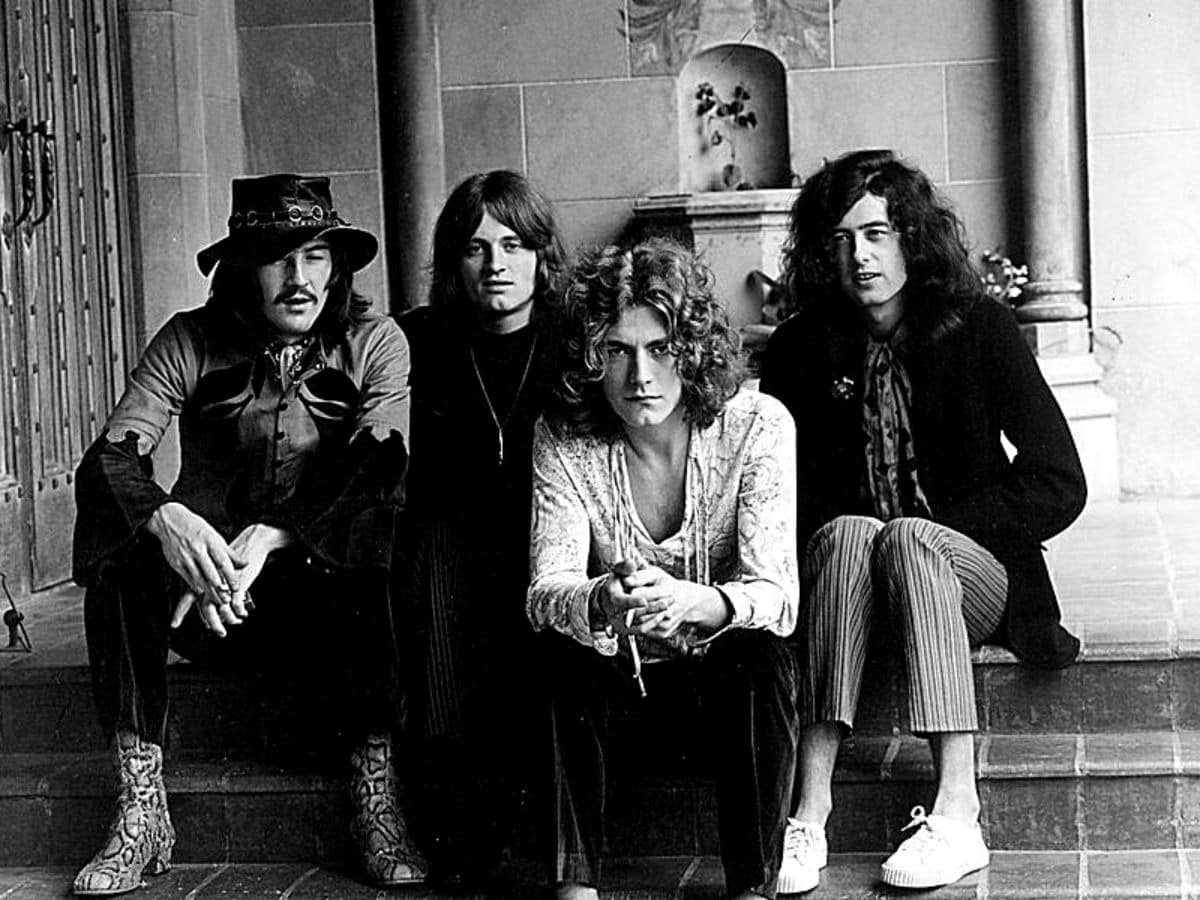
Led Zeppelin, formed in 1968, stands as one of the most influential and iconic rock bands in the history of music. Comprising Robert Plant (vocals), Jimmy Page (guitar), John Paul Jones (bass/keyboard), and John Bonham (drums), the English quartet redefined the boundaries of rock, blending blues, folk, and hard rock into a sound that remains timeless.
Their eponymous debut album in 1969 set the stage for the seismic impact they would have on rock music. Led Zeppelin’s discography includes groundbreaking albums like “Led Zeppelin II,” “IV,” and “Physical Graffiti,” each showcasing their musical virtuosity, innovative production techniques, and lyrical depth.
Led Zeppelin’s live performances were legendary, characterized by Plant’s emotive vocals, Page’s masterful guitar work, Jones’s versatile musicianship, and Bonham’s thunderous drumming. Hits like “Stairway to Heaven,” “Whole Lotta Love,” and “Immigrant Song” solidified their status as rock gods.
However, their journey was marked by tragedy, including Bonham’s untimely death in 1980, leading to the band’s dissolution. Despite their relatively brief active period, Led Zeppelin’s impact endures. Inducted into the Rock and Roll Hall of Fame, their musical legacy continues to inspire generations of rock enthusiasts, proving that their blend of raw energy and musical sophistication remains unparalleled.
1. TIE – Rock and Roll / Black Dog
“Rock and Roll” and “Black Dog” are two iconic songs by Led Zeppelin, both featured on their untitled fourth album commonly known as “Led Zeppelin IV,” released in 1971.
“Rock and Roll” is a high-energy track that embodies the pure essence of the genre. Written as a spontaneous jam during a studio session, it captures the spirit of rock music with its catchy guitar riff, dynamic drumming by John Bonham, and Robert Plant’s electrifying vocals. The song’s infectious energy and anthemic quality have made it a classic rock staple.
“Black Dog” showcases Led Zeppelin’s musical versatility and innovation. The song features intricate time signature changes and a complex arrangement, emphasizing Jimmy Page’s guitar wizardry, John Paul Jones’s bass and keyboard skills, and Bonham’s powerful drumming. Robert Plant’s vocals add a bluesy and soulful dimension to the track. “Black Dog” is known for its unpredictable structure and remains a testament to the band’s ability to push the boundaries of traditional rock music.
Both songs demonstrate Led Zeppelin’s mastery of diverse musical styles, from the straightforward and energetic “Rock and Roll” to the intricate and progressive “Black Dog,” contributing to the enduring legacy of one of the greatest rock bands in history.
2. Whole Lotta Love
“Whole Lotta Love” is a quintessential rock anthem by Led Zeppelin, released in 1969 as the opening track of their second studio album, “Led Zeppelin II.” It stands as one of the band’s most iconic and influential songs.
The track is characterized by its distinctive guitar riff, composed by Jimmy Page, and Robert Plant’s powerful and dynamic vocal delivery. The song explores a range of musical styles, including hard rock, blues, and psychedelia, showcasing Led Zeppelin’s ability to fuse diverse influences into a cohesive and groundbreaking sound.
One of the most recognizable elements of “Whole Lotta Love” is its instrumental break, featuring a distorted and experimental guitar solo by Page. The song’s production, including innovative studio techniques and the use of the theremin, contributed to its unique and groundbreaking sonic landscape.
The lyrics, written by Robert Plant, are known for their suggestive and provocative nature. “Whole Lotta Love” became a symbol of the rock and counterculture movements of the late 1960s and early 1970s.
The song’s enduring popularity is evidenced by its continued presence on classic rock radio and its frequent use in various forms of media. “Whole Lotta Love” remains a testament to Led Zeppelin’s impact on the evolution of rock music and is celebrated as one of the greatest rock songs of all time.
3. Stairway To Heaven / When The Levee Breaks
“Stairway to Heaven” and “When the Levee Breaks” are both iconic songs by the English rock band Led Zeppelin. However, these two songs are distinct and separate tracks.
1. **”Stairway to Heaven”** (1971): This epic and influential song is the closing track on Led Zeppelin’s untitled fourth studio album, often referred to as “Led Zeppelin IV.” Written by Jimmy Page and Robert Plant, “Stairway to Heaven” is known for its intricate guitar work, ethereal lyrics, and dynamic structure. The song starts as a folk ballad and gradually builds into a powerful rock anthem, featuring one of the most famous guitar solos in rock history. “Stairway to Heaven” is often considered one of the greatest rock songs of all time.
2. **”When the Levee Breaks”** (1971): This blues-influenced track is from the same untitled fourth album by Led Zeppelin. It is a reinterpretation of a blues song by Kansas Joe McCoy and Memphis Minnie. Led Zeppelin’s version features a distinctive drum beat created by John Bonham, which is often cited as one of the greatest drum performances in rock music. “When the Levee Breaks” has a gritty and powerful sound, and its influence can be heard in various genres, including hip-hop, where the drum beat has been sampled in numerous songs.
Both songs are landmarks in Led Zeppelin’s discography, showcasing the band’s versatility and innovation in rock music.
4. Kashmir
“Kashmir” is a song by the English rock band Led Zeppelin, known for its distinctive sound and Eastern-inspired musical elements. The track was released on the album “Physical Graffiti” in 1975. Led Zeppelin consisted of Robert Plant (vocals), Jimmy Page (guitar), John Paul Jones (bass/keyboard), and John Bonham (drums).
“Kashmir” stands out for its grandiose orchestration, blending rock with Eastern and Middle Eastern musical influences. Jimmy Page’s guitar riff, combined with John Bonham’s powerful drumming and John Paul Jones’s atmospheric keyboard work, creates a hypnotic and cinematic musical landscape.
Robert Plant’s lyrics evoke a sense of mysticism and wanderlust, drawing on imagery from the East. The song’s title refers to the region of Kashmir, adding to its exotic and otherworldly aura. “Kashmir” is characterized by its dynamic shifts, from the subdued verses to the expansive and anthemic chorus.
The song has become one of Led Zeppelin’s most revered and enduring compositions. Its impact is evident in its frequent use in soundtracks, commercials, and cultural references. “Kashmir” remains a testament to Led Zeppelin’s ability to push the boundaries of rock music and create timeless and evocative musical journeys.
5. TIE – The Ocean / Over The Hills and Far Away
“The Ocean” and “Over the Hills and Far Away” are two standout tracks by Led Zeppelin, each showcasing the band’s musical prowess and versatility. Both songs are featured on their 1973 album, “Houses of the Holy.”
“The Ocean” is the closing track of the album and is known for its energetic and driving rhythm. The song features a catchy guitar riff by Jimmy Page and Robert Plant’s dynamic vocals. With its lively and upbeat atmosphere, “The Ocean” became a concert favorite and remains a classic example of Led Zeppelin’s ability to craft powerful and memorable rock anthems.
“Over the Hills and Far Away” displays a different side of Led Zeppelin’s musical repertoire. The song begins with an acoustic guitar intro and transitions into a dynamic electric arrangement. Jimmy Page’s intricate guitar work is complemented by Plant’s soulful vocals, creating a blend of folk and rock influences. The song’s diverse structure and layered instrumentation showcase the band’s skillful musicianship.
Both tracks contribute to the overall richness of “Houses of the Holy,” an album known for its experimentation and exploration of various musical styles. “The Ocean” and “Over the Hills and Far Away” remain beloved among Led Zeppelin fans and serve as enduring examples of the band’s creative range.
6. TIE- The Song Remains The Same / The Rain Song
“The Song Remains the Same” and “The Rain Song” are both tracks from Led Zeppelin’s 1973 album “Houses of the Holy.” Let’s delve into each of these songs:
1. **”The Song Remains the Same”**: This is the opening track of the “Houses of the Holy” album. It’s characterized by its powerful and driving guitar riff, courtesy of Jimmy Page. The song has a dynamic structure, moving between energetic rock sections and more laid-back, atmospheric moments. The title is a nod to the band’s perseverance and commitment to their musical identity despite the changing music landscape around them. “The Song Remains the Same” is also the title of a concert film and soundtrack album by Led Zeppelin, released in 1976.
2. **”The Rain Song”**: Positioned as the seventh track on “Houses of the Holy,” “The Rain Song” contrasts with the more upbeat and energetic tracks on the album. It is a slower, melodic piece with lush instrumentation. The song is notable for its intricate guitar work and Robert Plant’s emotive vocals. The lyrics evoke a sense of longing and a connection between natural elements and human emotions. “The Rain Song” showcases Led Zeppelin’s ability to create multifaceted compositions, exploring different musical textures and emotions.
Both songs highlight Led Zeppelin’s musical diversity and innovation, showcasing their ability to move between various styles and moods within the context of a single album.
7. The Immigrant Song
“The Immigrant Song” is a powerful and distinctive track by Led Zeppelin, released in 1970 on their third studio album, “Led Zeppelin III.” The song is known for its energetic and anthemic quality, driven by a relentless guitar riff and Robert Plant’s soaring vocals.
The lyrics of “The Immigrant Song” were inspired by Norse mythology and the Viking age. The opening lines, with Plant’s wailing declaration of “We come from the land of the ice and snow,” set the tone for a song that explores themes of exploration and conquest. The chorus, with its memorable refrain of “Valhalla, I am coming!” adds a mythical and epic dimension to the track.
Musically, the song is characterized by Jimmy Page’s guitar work, featuring a distinctive ascending and descending riff that contributes to the song’s relentless energy. John Bonham’s powerful drumming and John Paul Jones’s bass and keyboard contributions round out the sonic landscape.
“The Immigrant Song” became a concert staple for Led Zeppelin and remains one of their most recognizable and iconic tracks. Its inclusion in various films, TV shows, and commercials has further solidified its place in popular culture. The song’s impact endures as a testament to Led Zeppelin’s ability to blend mythic themes with hard-hitting rock, creating a timeless and influential piece of music.
8. TIE- Trampled Under Foot / The Rover
“Trampled Under Foot” and “The Rover” are two distinct songs by Led Zeppelin, each showcasing the band’s versatility and musical prowess. Let’s delve into each track:
1. **”Trampled Under Foot”**: This song is from Led Zeppelin’s 1975 album “Physical Graffiti.” It’s a funk-influenced track with a prominent keyboard riff played by John Paul Jones. The song’s lyrics draw on metaphorical imagery, using the idea of a car as a symbol for desire and passion. With a dynamic rhythm and energetic delivery, “Trampled Under Foot” is a standout example of Led Zeppelin’s ability to incorporate diverse musical influences into their rock sound.
2. **”The Rover”**: Featured on the same album, “The Rover” is an instrumental piece that captures Led Zeppelin’s mastery of intricate guitar arrangements. The song showcases Jimmy Page’s guitar work, blending both acoustic and electric elements. “The Rover” is known for its dynamic shifts and the interplay between Page’s guitar and John Paul Jones’s bass. It’s a powerful and melodic instrumental track that highlights the band’s musical complexity and ability to create compelling compositions without vocals.
While “Trampled Under Foot” leans towards a funk-rock vibe with vocals, “The Rover” is an instrumental piece, allowing Jimmy Page’s guitar to take center stage. Together, they represent the diverse musical landscape explored by Led Zeppelin on “Physical Graffiti.”
9. Since I’ve Been Loving You
“Since I’ve Been Loving You” is a blues-infused rock ballad by Led Zeppelin, featured on their 1970 album “Led Zeppelin III.” The song showcases the band’s ability to masterfully blend blues elements with their own hard rock style.
Robert Plant’s soulful and emotive vocals, combined with Jimmy Page’s expressive guitar work, create a poignant atmosphere throughout the track. The slow tempo and intense dynamics of the song allow each band member, including John Paul Jones on bass and keyboards and John Bonham on drums, to contribute to the overall emotional depth.
The lyrics convey the pain and heartache of a troubled relationship, and Plant’s delivery adds a raw and authentic dimension to the narrative. Page’s guitar solos, particularly during the latter part of the song, are noteworthy for their expressiveness and contribute to the overall bluesy feel.
“Since I’ve Been Loving You” stands out in Led Zeppelin’s discography for its maturity, intricate musicality, and the emotional weight it carries. The song has become a classic representation of blues rock and is often celebrated for its powerful performances, both in the studio and during live shows.
10. Dazed and Confused
“Dazed and Confused” is a classic song by Led Zeppelin, known for its distinctive sound and influential impact on rock music. Originally written by Jake Holmes, the song was adapted by Jimmy Page for Led Zeppelin’s 1969 self-titled debut album.
“Dazed and Confused” remains a seminal track in Led Zeppelin’s discography, representing the band’s experimentation with sound, structure, and musical expression during the late 1960s and early 1970s.

Edward Tomlin is a frequent contributor to Singers Room. Since 2005, Singersroom has been the voice of R&B around the world. Connect with us via social media below.









