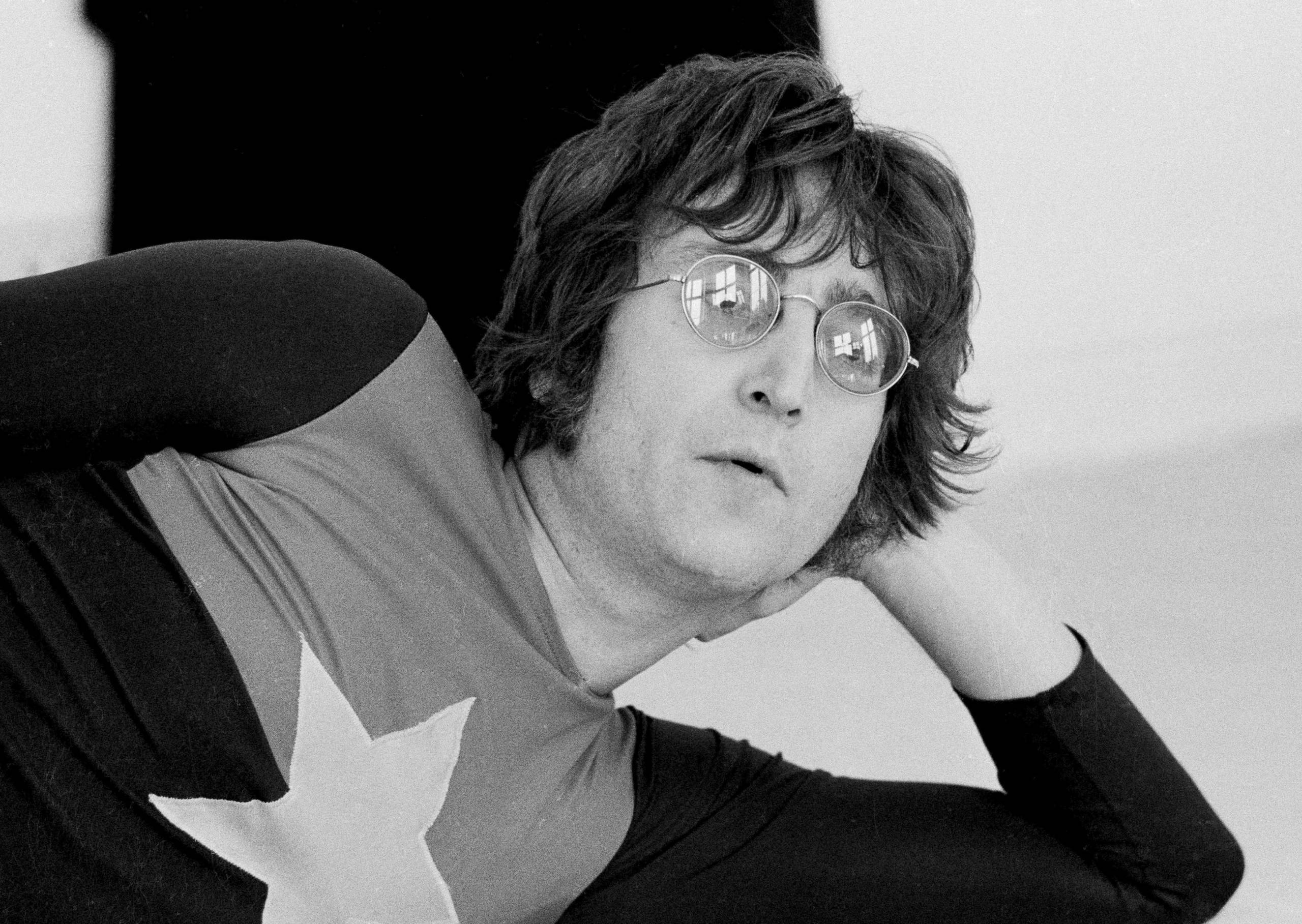
John Lennon, an iconic figure in the realm of music and cultural revolution, was born on October 9, 1940, in Liverpool, England. As a founding member of The Beatles, Lennon played a pivotal role in shaping the landscape of popular music during the 1960s. His songwriting, often marked by introspection and social commentary, transcended the boundaries of traditional pop music.
Beyond his musical prowess, Lennon became a symbol of peace and activism. His marriage to Yoko Ono not only influenced his artistic direction but also fueled their joint commitment to peace and anti-war efforts. The couple’s infamous “Bed-In for Peace” demonstrations drew global attention and solidified Lennon’s role as an advocate for social change.
Despite The Beatles’ disbandment in 1970, Lennon continued to produce influential solo work. Tracks like “Imagine” and “Give Peace a Chance” remain anthems for those yearning for a more harmonious world. Tragically, Lennon’s life was cut short on December 8, 1980, when he was fatally shot outside his New York City apartment building. His untimely death at the age of 40 left an indelible mark on music history, ensuring that his legacy endures as a symbol of artistic innovation, peace, and the enduring power of human expression.
1. Imagine
“Imagine,” released in 1971 as the title track of John Lennon’s album, is a timeless anthem that transcends generations with its message of peace and unity. The song envisions a world without borders, divisions, or possessions, encouraging listeners to imagine a utopian existence where humanity lives in harmony. Lennon’s soulful vocals, accompanied by a simple and evocative piano melody, give the song a universal appeal.
The lyrics of “Imagine” reflect Lennon’s idealistic and pacifist philosophy, inspired by his commitment to peace activism alongside Yoko Ono. The iconic opening lines, “Imagine there’s no heaven, it’s easy if you try,” challenge conventional beliefs and invite listeners to contemplate a world unburdened by religious, political, or material differences.
“Imagine” has become a symbol of hope and a call for a better world. Its impact extends far beyond the realm of music, influencing social and political discourse. Recognized as one of the greatest songs of all time, “Imagine” continues to inspire people to envision a more compassionate and cooperative global community. John Lennon’s legacy lives on through this powerful ode to peace, reminding us of the enduring power of music to provoke thought and promote positive change.
2. Woman
“Woman” is a song written and performed by John Lennon, released on his 1980 album “Double Fantasy.” The song is a heartfelt tribute to Lennon’s wife, Yoko Ono, and to women in general. It was released as a single in 1981, becoming a posthumous hit after Lennon’s tragic death in December 1980.
In “Woman,” Lennon expresses his love and appreciation for the women in his life, particularly Yoko Ono. The lyrics convey a sense of tenderness and admiration, emphasizing the importance of women and the role they play in shaping the world.
The music features a soft and melodic arrangement, with Lennon’s vocals conveying a sense of sincerity and vulnerability. The song captures a more mature and reflective side of Lennon, who had taken a hiatus from the music industry to focus on his family life.
“Woman” received positive reviews and became a commercial success, reaching high chart positions in various countries. The song remains one of John Lennon’s well-loved and enduring compositions, celebrated for its emotional resonance and the genuine expression of love.
3. Jealous Guy
“Jealous Guy” is a song written and performed by John Lennon. It was first released on his 1971 album “Imagine.” The song has become one of Lennon’s most famous compositions, renowned for its emotional depth and introspective lyrics.
Originally titled “Child of Nature,” the song was written during The Beatles’ trip to India in 1968. It was later reworked into “Jealous Guy” for the “Imagine” album. The lyrics of “Jealous Guy” convey a sense of regret and introspection, as Lennon examines his own flaws and expresses remorse for the pain he may have caused in his relationships.
The song’s gentle melody, combined with Lennon’s sincere vocal delivery, contributes to its poignant and timeless quality. “Jealous Guy” has been covered by various artists over the years, attesting to its enduring appeal.
While “Jealous Guy” didn’t see a single release during Lennon’s lifetime, a live version by Roxy Music in 1981 became a hit. The original studio version gained widespread recognition posthumously, following Lennon’s tragic death in 1980. Today, it stands as one of John Lennon’s signature songs and a classic in the realm of introspective ballads.
4. Instant Karma!
“Instant Karma! (We All Shine On)” is a dynamic and upbeat song written by John Lennon and released as a single in 1970. True to its title, the track exudes a sense of urgency and spontaneity. Recorded in a single day, the song features a lively blend of rock, pop, and a touch of soul.
Lennon wrote “Instant Karma!” during a period of personal and professional transition, shortly after the breakup of The Beatles. The lyrics convey a message of accountability and karma, emphasizing the interconnectedness of actions and consequences. The catchy chorus declares, “Instant karma’s gonna get you, gonna knock you off your feet,” echoing the idea that one’s deeds have immediate repercussions.
The recording session for “Instant Karma!” included notable musicians like George Harrison, Billy Preston, and Klaus Voormann, adding to the song’s energetic and collaborative spirit. Released just days after its recording, the song became a commercial success, reaching high positions on music charts worldwide.
With its infectious melody and philosophical lyrics, “Instant Karma!” remains a celebrated piece of John Lennon’s solo work. The song captures the essence of a transformative era and serves as a testament to Lennon’s ability to create impactful music that resonates across generations.
5. Watching the Wheels
“Watching the Wheels” is a song by John Lennon, released on his 1980 album “Double Fantasy.” This reflective and contemplative track offers a glimpse into Lennon’s mindset during his self-imposed hiatus from the music industry and public life.
In “Watching the Wheels,” Lennon addresses the choices he made to step back from the limelight and focus on his personal life, particularly his relationship with his family. The lyrics convey a sense of contentment with his decision, while also expressing frustration with those who questioned or couldn’t comprehend his desire for a more normal, everyday life.
The song’s arrangement is relatively mellow, with acoustic guitar and piano featuring prominently. Lennon’s vocals are introspective and convey a sense of sincerity and peace with his choices. “Watching the Wheels” captures a more mature and grounded side of Lennon.
Tragically, John Lennon was assassinated on December 8, 1980, just weeks after the release of “Double Fantasy.” The album, including “Watching the Wheels,” took on additional significance as one of the last musical statements from the legendary musician.
6. Stand by Me
“Stand by Me” is a classic song co-written and originally performed by Ben E. King. Released in 1961, the track has since become an enduring anthem of love and solidarity. The song’s timeless appeal lies in its heartfelt lyrics and King’s soulful delivery.
The lyrics of “Stand by Me” convey a message of loyalty and enduring support, emphasizing the strength found in companionship during challenging times. The iconic chorus, with the repeated plea to “stand by me,” resonates with listeners on a deep emotional level.
In 1975, John Lennon recorded a soulful and emotionally charged cover of “Stand by Me” as part of his “Rock ‘n’ Roll” album, paying homage to the music that influenced him. Lennon’s rendition adds his own touch to the classic, infusing it with his distinctive vocal style while retaining the essence of the original.
“Stand by Me” has been covered by numerous artists over the years, attesting to its universal appeal. The song has also found a place in popular culture, frequently featured in movies, television shows, and commercials. Its enduring popularity underscores the song’s ability to evoke a sense of comfort and connection, making it a timeless expression of the human experience.
7. Happy Xmas (War Is Over)
“Happy Xmas (War Is Over)” is a Christmas song written by John Lennon and Yoko Ono. It was first released as a single in 1971 by John & Yoko/Plastic Ono Band with the Harlem Community Choir. The song was conceived as a peace anthem during a period of anti-Vietnam War protests.
The lyrics of “Happy Xmas (War Is Over)” carry a message of hope and reflection on the state of the world, with an emphasis on the desire for peace. The chorus includes the memorable line, “War is over, if you want it.”
The song features a mix of folk and rock elements and is known for its simple yet powerful arrangement. The Harlem Community Choir provides backing vocals, adding a festive and uplifting quality to the track.
“Happy Xmas (War Is Over)” has become a holiday classic and is frequently played during the Christmas season. The song’s enduring popularity lies not only in its seasonal theme but also in its timeless message of peace and love. The iconic phrase “War is over, if you want it” has resonated beyond its original context and continues to be relevant in discussions about peace and social change.
8. Whatever Gets You thru the Night
“Whatever Gets You thru the Night” is a lively and upbeat song written by John Lennon. It was released as a single in 1974 and later included on Lennon’s album “Walls and Bridges.” The song is notable for its energetic rock and roll sound, featuring a horn section and a spirited performance by Lennon.
One of the distinctive aspects of “Whatever Gets You thru the Night” is the participation of Elton John, who provided backing vocals and played piano on the track. The collaboration between Lennon and Elton John was significant, and the song marked Lennon’s only solo number-one hit on the Billboard Hot 100 during his lifetime.
The lyrics of the song reflect Lennon’s playful and optimistic side. The chorus emphasizes the idea that whatever coping mechanisms or sources of joy help you get through the night are valid. The song captures a sense of celebration and resilience, making it an anthem of sorts for finding joy in life’s challenges.
“Whatever Gets You thru the Night” showcases Lennon’s ability to blend rock, pop, and elements of soul into an infectious and accessible sound. The song remains a testament to Lennon’s musical versatility and his willingness to experiment with different styles and collaborators during his solo career.
9. Mind Games
“Mind Games” is a song written and performed by John Lennon, released as the title track of his 1973 album. The song reflects Lennon’s interest in psychology, mind control, and the power of thought.
“Mind Games” has a dreamy and introspective quality, featuring a distinctive piano riff and Lennon’s soulful vocals. The lyrics convey a message of unity and the idea that by playing mind games, one can overcome obstacles and create positive change. The chorus includes the repeated refrain, “Love is the answer.”
The album “Mind Games” marked a period of transition for Lennon, both personally and artistically. The title track showcases his exploration of different musical styles, moving away from the political and social themes that were prominent in his previous work.
While “Mind Games” did not achieve the same commercial success as some of Lennon’s earlier solo hits, it has become a respected and recognized part of his solo catalog. The song’s positive and optimistic message, combined with its melodic appeal, contributes to its enduring popularity among fans of Lennon’s solo work.
10. #9 Dream
” #9 Dream” is a dreamlike and enigmatic song written by John Lennon, released on his 1974 album “Walls and Bridges.” The title, “Number 9 Dream,” was inspired by a recurring dream Lennon had, and the song’s lyrics are characterized by their surreal and abstract nature.
The musical arrangement of “#9 Dream” incorporates lush orchestration and features a distinctive chant of the phrase “Ah, böwakawa poussé, poussé.” This nonsensical chant was a result of Lennon’s attempt to capture the melody of a dream into the song, as he often drew inspiration from his personal experiences and dreams.
The lyrics of the song are filled with vivid and dreamlike imagery, and they reflect a sense of mystery and introspection. The phrase “Ah, böwakawa poussé, poussé” itself is not assigned a specific meaning, adding to the dreamlike quality of the composition.
” #9 Dream” showcases Lennon’s experimental and artistic side, a departure from more straightforward rock and roll. The song is a unique blend of melody, atmosphere, and introspective lyrics, offering listeners a glimpse into Lennon’s imaginative and creative mind.
Though not as commercially successful as some of his other solo works, “#9 Dream” has gained recognition for its artistic merit and remains a captivating piece within John Lennon’s diverse musical catalog.

Edward Tomlin is a frequent contributor to Singers Room. Since 2005, Singersroom has been the voice of R&B around the world. Connect with us via social media below.









