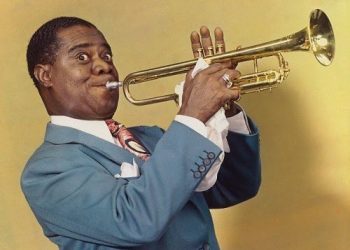
A music producer is a creative visionary and sonic architect who plays a pivotal role in the music production process, shaping and refining the sound of a recording. Often working behind the scenes, a producer collaborates closely with artists to bring their musical visions to life. This multifaceted role involves overseeing every aspect of the production, from crafting the overall sound and arrangement to selecting the right instrumentation and guiding the recording process.
Beyond technical expertise, a music producer is a skilled communicator and motivator, fostering a collaborative environment in the studio. They help artists articulate their ideas and translate them into a cohesive musical narrative. Producers possess an in-depth understanding of musical genres, trends, and technologies, enabling them to push creative boundaries and bring innovation to the forefront.
Whether working on a debut album or shaping the next chart-topping hit, a producer navigates the intricate balance between technical proficiency and artistic intuition. They contribute to the sonic identity of a song, album, or artist, leaving an indelible mark on the music landscape. The role of a music producer is dynamic, demanding adaptability, creativity, and a profound passion for bringing diverse musical visions to fruition.
1. Quincy Jones
Quincy Jones is an American music producer, composer, arranger, conductor, and trumpeter, widely regarded as one of the most influential figures in the history of the music industry. Born on March 14, 1933, in Chicago, Illinois, Jones has had a prolific and groundbreaking career that has spanned over seven decades.
Jones’s impact on the music world is immeasurable. He began his career as a jazz trumpeter and arranger, working with legendary figures like Count Basie and Dizzy Gillespie. His early successes in the jazz world set the stage for an unparalleled journey into various genres, including pop, R&B, and film scoring.
As a producer, Jones is known for his work with iconic artists such as Michael Jackson, Frank Sinatra, and Aretha Franklin. He produced Michael Jackson’s best-selling albums, including “Off the Wall,” “Thriller,” and “Bad,” which remain some of the highest-selling records of all time. His arrangement of the song “Fly Me to the Moon” for Frank Sinatra earned him one of his 28 Grammy Awards.
Beyond his achievements as a producer and arranger, Jones is recognized for breaking racial barriers in the entertainment industry. He became the first African American to hold executive positions at major record labels, contributing to greater diversity and representation.
Quincy Jones’s impact extends to film and television, with his compositions for movies like “The Color Purple” and his work on television shows such as “The Fresh Prince of Bel-Air.”
A true musical polymath, Quincy Jones’s legacy is not only defined by his unparalleled contributions to music production but also by his influence on the cultural landscape and his dedication to breaking down barriers for future generations of artists.
2. George Martin
Sir George Martin (1926–2016) was a highly acclaimed English record producer, arranger, composer, conductor, and audio engineer, best known for his extensive and groundbreaking work with The Beatles. Born on January 3, 1926, in London, Martin’s impact on the music industry and popular culture is immeasurable.
Often referred to as the “Fifth Beatle,” George Martin played a pivotal role in shaping the sound and success of The Beatles. He signed the band to Parlophone Records in 1962 and went on to produce nearly all of their albums. Martin’s innovative and collaborative approach to music production played a crucial role in the evolution of the band’s sound, contributing to their groundbreaking albums like “Sgt. Pepper’s Lonely Hearts Club Band” and “Abbey Road.”
George Martin’s contributions to the recording studio went beyond his work with The Beatles. He produced a wide range of artists, including Cilla Black, Gerry and the Pacemakers, and Jeff Beck. His expertise extended to film scores, and he composed music for several movies, including the James Bond film “Live and Let Die.”
Throughout his career, George Martin earned numerous awards and honors, including six Grammy Awards. His impact on the music industry was officially recognized with his induction into the Rock and Roll Hall of Fame in 1999.
George Martin’s legacy as a producer, arranger, and visionary in the studio remains unparalleled, and his influence continues to resonate in the world of music production.
3. Rick Rubin
Rick Rubin is an influential American record producer and co-founder of Def Jam Recordings. Born on March 10, 1963, in Long Beach, New York, Rubin has played a pivotal role in shaping the landscape of contemporary music. His career spans multiple decades and genres, showcasing a diverse and innovative approach to production.
Renowned for his minimalist production style, Rick Rubin has worked with an extensive list of iconic artists across various genres, including hip-hop, rock, metal, and electronic music. Some of his notable collaborations include albums with Run-D.M.C., Beastie Boys, Red Hot Chili Peppers, Johnny Cash, and Jay-Z.
Rubin’s influence on hip-hop is particularly significant, and he is credited with helping to popularize rap music in the mainstream. His work with artists like Run-D.M.C. and LL Cool J contributed to the commercial success and cultural impact of hip-hop in the 1980s.
In the 1990s, Rick Rubin co-founded Def Jam Recordings, which became a powerhouse label in hip-hop and rap. His work with the Beastie Boys on “Licensed to Ill” and with Public Enemy on “It Takes a Nation of Millions to Hold Us Back” solidified his reputation as a groundbreaking producer in the genre.
In the 2000s and beyond, Rubin continued to produce critically acclaimed albums, working with artists such as Johnny Cash on the “American Recordings” series, as well as collaborating with Metallica, Adele, and Kanye West.
Rick Rubin’s impact on the music industry extends beyond his production work. His laid-back and collaborative approach to the studio, often involving minimal equipment, has become a hallmark of his style. Rubin’s ability to connect with artists on a profound level and draw out their best creative expressions has established him as one of the most respected figures in the realm of music production.
4. Dr. Dre
Dr. Dre, born Andre Romelle Young on February 18, 1965, is a highly influential American rapper, record producer, and entrepreneur. Emerging from the West Coast hip-hop scene, Dre played a pivotal role in shaping the genre and becoming one of its most respected figures.
In the late 1980s, Dre rose to prominence as a founding member of the rap group N.W.A (Niggaz Wit Attitudes). As a producer and rapper, he contributed significantly to their groundbreaking album “Straight Outta Compton” (1988), which addressed social issues and brought gangsta rap to the forefront of the music scene.
In the early 1990s, Dr. Dre’s solo career reached new heights with the release of “The Chronic” (1992). The album showcased his production skills and introduced the world to artists like Snoop Dogg. It also featured the hit single “Nuthin’ but a ‘G’ Thang.” Dre’s follow-up, “2001” (1999), continued his success and solidified his reputation as a hip-hop heavyweight.
Beyond his musical contributions, Dr. Dre co-founded Beats by Dre, a line of headphones and audio products, which was later acquired by Apple Inc. His influence extends beyond his own discography, as he has mentored and collaborated with numerous artists who have become prominent figures in the hip-hop industry.
Dr. Dre’s impact on hip-hop culture, production techniques, and the business side of the music industry has left an enduring legacy, earning him a place among the most influential figures in the history of rap and popular music.
5. Timbaland
Timbaland, born Timothy Zachery Mosley on March 10, 1972, is a highly acclaimed American record producer, rapper, singer, and songwriter. Hailing from Norfolk, Virginia, Timbaland rose to prominence in the late 1990s and early 2000s as a key architect of the hip-hop, R&B, and pop music landscapes.
Timbaland’s distinctive production style is characterized by innovative beats, eclectic sampling, and a fusion of various musical genres. His creative approach, often incorporating unconventional sounds and rhythms, has set him apart as a visionary in the realm of music production.
In the late 1990s, Timbaland collaborated with artists such as Aaliyah, Ginuwine, and Missy Elliott, crafting hits that defined the era. His work on Aaliyah’s “One in a Million” album and Missy Elliott’s “Supa Dupa Fly” showcased his ability to push the boundaries of contemporary R&B and hip-hop.
Timbaland’s partnership with Justin Timberlake in the mid-2000s yielded some of the decade’s biggest hits, including “Cry Me a River” and “SexyBack.” These collaborations solidified Timbaland’s role as a hitmaker and trendsetter in the pop music landscape.
Beyond producing, Timbaland has contributed as a rapper and singer, adding his own vocals to various tracks. His influence has extended into the worlds of fashion and technology, reflecting his multifaceted approach to creativity.
Timbaland’s impact on the music industry is immeasurable, and his legacy as a producer and collaborator continues to shape contemporary music. His innovative soundscapes, marked by rhythmic complexity and genre-blurring experimentation, have left an enduring mark on the evolution of popular music.
6. Max Martin
Max Martin, born Karl Martin Sandberg on February 26, 1971, is a Swedish songwriter, record producer, and one of the most successful and influential figures in the pop music industry. Renowned for his ability to craft infectious melodies and hit songs, Max Martin has played a central role in shaping the sound of contemporary pop music.
Beginning his career as a pop artist in the late 1980s, Martin transitioned to songwriting and production. In the late 1990s, he gained widespread recognition for his work with artists like Britney Spears, Backstreet Boys, and *NSYNC, contributing to the rise of the late 1990s and early 2000s pop music phenomenon.
Max Martin’s signature style often features catchy hooks, memorable choruses, and a keen sense of melody. His collaborations with artists across various genres have consistently resulted in chart-topping hits. Some of his notable contributions include Britney Spears’ “…Baby One More Time,” Backstreet Boys’ “I Want It That Way,” and Katy Perry’s “I Kissed a Girl.”
Max Martin’s innovative and enduring influence on popular music has earned him a place among the most successful and celebrated music producers and songwriters in the contemporary music industry.
7. Pharrell Williams
Pharrell Williams, born on April 5, 1973, is a highly influential American musician, producer, singer, and fashion designer. Recognized for his versatile talents, Pharrell has made significant contributions to the music industry, both as a solo artist and as a member of various collaborative projects.
In the late 1990s, Pharrell, along with Chad Hugo, formed the production duo The Neptunes. The duo’s innovative and genre-defying production work played a crucial role in shaping the sound of contemporary R&B and hip-hop. They produced hits for artists such as Jay-Z (“I Just Wanna Love U (Give It 2 Me)”), Britney Spears (“I’m a Slave 4 U”), and Nelly (“Hot in Herre”).
Pharrell’s musical prowess extends beyond production. As one-half of the funk-rock duo N.E.R.D (No One Ever Really Dies), alongside Chad Hugo and Shay Haley, he explored diverse genres, incorporating elements of rock, funk, and hip-hop into their sound.
In 2013, Pharrell’s solo career reached new heights with the release of the infectious and globally acclaimed single “Happy.” The song became a chart-topping hit and earned him an Academy Award nomination. Pharrell’s solo album, “G I R L” (2014), further solidified his position as a solo artist with a unique style and sound.
Beyond music, Pharrell has made ventures into the fashion industry, co-founding the fashion brand Billionaire Boys Club and collaborating with major brands. His distinctive fashion sense and trendsetting style have made him a cultural icon.
Pharrell Williams continues to be a prominent figure in the entertainment industry, celebrated for his innovation, creativity, and ability to seamlessly blend genres, leaving an indelible mark on the landscape of contemporary music and popular culture.
8. Brian Eno
Brian Eno, born Brian Peter George St John le Baptiste de la Salle Eno on May 15, 1948, is an English musician, record producer, visual artist, and theorist. Eno has had a profound influence on the development of ambient music, electronic music, and the broader spectrum of experimental and alternative genres.
Eno initially gained recognition as the synthesizer player and a founding member of the glam rock band Roxy Music. However, his departure from Roxy Music in the early 1970s marked the beginning of a solo career that would be characterized by innovation and experimentation.
A pioneer in ambient music, Brian Eno released the groundbreaking album “Music for Airports” in 1978, which introduced the concept of ambient music as a genre designed to create atmospheric and immersive soundscapes. This laid the foundation for his influential Ambient series.
As a producer, Eno has collaborated with a diverse array of artists, including David Bowie, Talking Heads, U2, and Coldplay. His work with Bowie on the “Berlin Trilogy” (Low, “Heroes,” Lodger) and his production on Talking Heads’ “Remain in Light” are particularly notable for their experimental and genre-defying nature.
Brian Eno’s creative ethos often involves the use of unconventional recording techniques, random processes, and generative systems to encourage artistic exploration. Beyond music, he has delved into visual arts, installation projects, and multimedia collaborations.
Eno’s impact extends beyond his direct contributions to music. His theoretical writings, such as “Oblique Strategies” (a set of cards with creative prompts), have become influential tools for artists seeking to break creative blocks and approach their work in new ways.
Throughout his career, Brian Eno’s innovative spirit and boundary-pushing approach have made him a key figure in the realms of ambient, electronic, and experimental music, leaving an indelible mark on the trajectory of contemporary sound exploration.
9. Phil Spector
Phil Spector, born on December 26, 1939, and passing away on January 16, 2021, was an influential American record producer and songwriter. He played a significant role in shaping the “Wall of Sound” production technique, which became synonymous with a lush and orchestral approach to pop and rock music.
Spector’s career took off in the 1960s when he produced a string of hit records, including classics like The Ronettes’ “Be My Baby” and The Crystals’ “Da Doo Ron Ron.” The “Wall of Sound” involved layering multiple instruments and voices to create a dense and harmonically rich sound, setting a new standard in music production.
One of Spector’s most iconic works is his collaboration with The Beatles on the album “Let It Be.” Despite creative differences with the band, he produced the final version of the album, contributing to its unique sonic character.
Spector’s reputation continued to grow with his work on timeless albums like The Righteous Brothers’ “You’ve Lost That Lovin’ Feelin'” and John Lennon’s solo album “Imagine.” However, his career also faced controversies, and his reputation became marred by legal issues, including his conviction for the murder of actress Lana Clarkson in 2009.
While Phil Spector’s legacy in the music industry is undeniable, his later life was marked by personal turmoil. Despite the complexities surrounding his career and personal life, Spector’s impact on the art of music production remains a significant chapter in the history of popular music.
10. Jimmy Jam and Terry Lewis
Jimmy Jam (James Harris III) and Terry Lewis are an acclaimed American songwriting and record production duo who have significantly shaped the landscape of R&B and pop music. Born on June 6, 1959, and November 24, 1956, respectively, both Harris and Lewis have left an indelible mark on the music industry.
The duo first gained prominence as members of The Time, a band formed by Prince. However, their breakthrough came when they began collaborating with Janet Jackson in the mid-1980s. Their work on Janet Jackson’s albums, including “Control” (1986) and “Rhythm Nation 1814” (1989), helped define the sound of late 1980s and early 1990s pop and R&B.
Jimmy Jam and Terry Lewis are known for their innovative production techniques, incorporating elements of funk, soul, and electronic music into their work. Their distinctive sound often features tight, rhythmic grooves, sophisticated arrangements, and memorable melodies.
Beyond their work with Janet Jackson, Jimmy Jam and Terry Lewis have produced hits for a wide array of artists, including Boyz II Men, Mary J. Blige, Mariah Carey, and Usher. They are credited with over 100 gold, platinum, multi-platinum, and diamond albums, showcasing the breadth of their influence in the music industry.
In addition to their production achievements, Jimmy Jam and Terry Lewis were inducted into the Songwriters Hall of Fame in 2017, acknowledging their contributions to the art of songwriting. Their enduring collaboration and impact on the sound of contemporary R&B and pop continue to be celebrated by fans and fellow musicians alike.
11. Babyface
Babyface, whose real name is Kenneth Brian Edmonds, is a highly acclaimed American singer, songwriter, and record producer born on April 10, 1959. Known for his smooth and soulful voice, as well as his prolific songwriting and production talents, Babyface has been a prominent figure in the R&B and pop music scenes for several decades.
In the late 1980s and throughout the 1990s, Babyface emerged as one of the leading figures in the music industry. His contributions to the new jack swing movement and contemporary R&B earned him widespread recognition. As a songwriter and producer, he has worked with an impressive array of artists, including Whitney Houston, Boyz II Men, Mariah Carey, Toni Braxton, and many others.
Babyface’s discography includes numerous hit songs, both as a solo artist and in collaboration with other performers. Some of his notable solo hits include “Whip Appeal,” “Every Time I Close My Eyes,” and “When Can I See You.” His work often explores themes of love, romance, and relationships, delivered with his signature silky vocals.
In addition to his success as a recording artist, Babyface has received critical acclaim for his work as a producer and songwriter, winning multiple Grammy Awards. His influence on contemporary R&B and his ability to craft timeless, soulful compositions have solidified his status as one of the preeminent figures in the world of popular music.
12. David Foster
David Foster is a Canadian musician, songwriter, composer, arranger, and record producer born on November 1, 1949, in Victoria, British Columbia. Over the course of his illustrious career, Foster has become one of the most successful and prolific figures in the music industry, contributing to the creation of numerous chart-topping hits and working with a wide array of acclaimed artists.
Foster’s journey in the music industry began as a keyboardist and member of the band Skylark. However, he found his true calling as a producer and songwriter. Throughout the 1980s and beyond, Foster became synonymous with his work on a string of iconic power ballads and adult contemporary hits.
Some of his notable collaborations include working with artists like Whitney Houston, Celine Dion, Michael Jackson, Barbra Streisand, and Chicago. He has produced and co-written countless chart-toppers, including Whitney Houston’s “I Will Always Love You,” Celine Dion’s “The Power of Love,” and Chicago’s “Hard to Say I’m Sorry.”
David Foster has earned an impressive 16 Grammy Awards, including three for Producer of the Year, and has been inducted into the Canadian Music Hall of Fame. His ability to create lush and emotionally resonant arrangements, as well as his knack for discovering and nurturing talent, has solidified his status as a music industry legend.
In addition to his work as a producer, Foster has released solo albums and has been involved in various philanthropic activities. As of my knowledge cutoff in January 2022, David Foster continues to be an influential force in the world of music, leaving an enduring legacy marked by his immense talent and contributions to the global music landscape.
13. Arif Mardin
Arif Mardin (1932–2006) was a highly influential Turkish-American music producer, arranger, and composer, renowned for his extensive contributions to the music industry. Born on March 15, 1932, in Istanbul, Turkey, Mardin became a pivotal figure in shaping the sound of countless artists across various genres.
Mardin’s career began at Atlantic Records, where he worked closely with legendary figures such as Ray Charles, Aretha Franklin, and The Bee Gees. His early collaborations involved arranging and producing classic soul and R&B records that became integral to the label’s success in the 1960s and 1970s.
Mardin’s versatile approach allowed him to transition seamlessly between genres. He played a crucial role in the success of artists like Norah Jones, helping produce her multi-Grammy-winning album “Come Away with Me” in 2002.
Beyond his work with individual artists, Mardin’s impressive discography includes producing iconic albums such as Dusty Springfield’s “Dusty in Memphis” and Chaka Khan’s “I Feel for You.” His ability to incorporate elements from various musical styles, including jazz, R&B, and pop, made him a sought-after producer.
Arif Mardin’s remarkable career earned him multiple Grammy Awards, and he was inducted into the Rock and Roll Hall of Fame in 1990. His influence on the art of music production and his dedication to nurturing talent continue to resonate in the work of countless musicians and producers. Arif Mardin’s legacy remains an enduring testament to his immense contributions to the world of popular music.
14. Nile Rodgers
Nile Rodgers, born Nile Gregory Rodgers on September 19, 1952, is an American guitarist, songwriter, composer, arranger, and record producer. He is best known for his influential work as a founding member of the disco band Chic and for his extensive collaborations with a diverse range of artists across multiple genres.
Rodgers and Chic rose to prominence in the late 1970s with a string of hits, including “Le Freak” and “Good Times.” The band’s sophisticated and danceable sound, characterized by Rodgers’ distinctive guitar playing and Bernard Edwards’ bass lines, became synonymous with the disco era.
Beyond his contributions to Chic, Nile Rodgers has been a prolific producer and collaborator with numerous iconic artists. He co-produced David Bowie’s critically acclaimed album “Let’s Dance” (1983), which featured the hit title track and “China Girl.” Rodgers’ distinctive guitar work also graces songs like Diana Ross’s “I’m Coming Out” and Sister Sledge’s “We Are Family.”
Nile Rodgers’ production style, often referred to as the “chucking” guitar technique, involves playing rhythmically tight and percussive guitar parts. His work has transcended disco, influencing the worlds of funk, R&B, rock, and pop. Rodgers’ ability to blend genres and create infectious grooves has earned him widespread acclaim.
In addition to his production and performance career, Nile Rodgers has continued to be a highly sought-after collaborator. He has worked with contemporary artists such as Daft Punk on their Grammy-winning album “Random Access Memories,” further solidifying his relevance in the evolving landscape of popular music.
Nile Rodgers’ enduring impact on the music industry has earned him multiple awards, including induction into the Rock and Roll Hall of Fame as a member of Chic in 2017. His musical legacy is characterized by his innovative guitar work, production prowess, and contributions to the evolution of dance and popular music.
15. Simon Cowell
Simon Cowell, born on October 7, 1959, in London, England, is a British television producer, music executive, talent show judge, and entrepreneur. He is widely recognized for his role as a judge on various television talent shows, notably “American Idol,” “The X Factor,” and “Britain’s Got Talent.”
Cowell began his career in the music industry, working for various record labels, including EMI and BMG. In the early 2000s, he gained international fame as a harsh and candid judge on “Pop Idol,” the British precursor to “American Idol.” His blunt and often controversial critiques became a trademark, contributing to the success of the shows and turning Cowell into a pop culture icon.
In 2004, Cowell created and became a judge on “The X Factor,” a talent competition that expanded internationally. The show not only produced successful artists but also showcased Cowell’s talent for discovering and mentoring aspiring musicians.
Cowell’s impact extended to the United States when he joined the judging panel of “American Idol” in 2002. His influence on the music industry was significant, as many winners and contestants from these shows went on to achieve commercial success.
Apart from his television ventures, Cowell co-founded the entertainment company Syco, which has been involved in the careers of successful artists like Leona Lewis, One Direction, and Little Mix.
Simon Cowell’s career has made him a major force in the entertainment industry, and his contributions to the world of televised talent competitions have shaped the landscape of reality television and the music business.

Edward Tomlin is a frequent contributor to Singers Room. Since 2005, Singersroom has been the voice of R&B around the world. Connect with us via social media below.