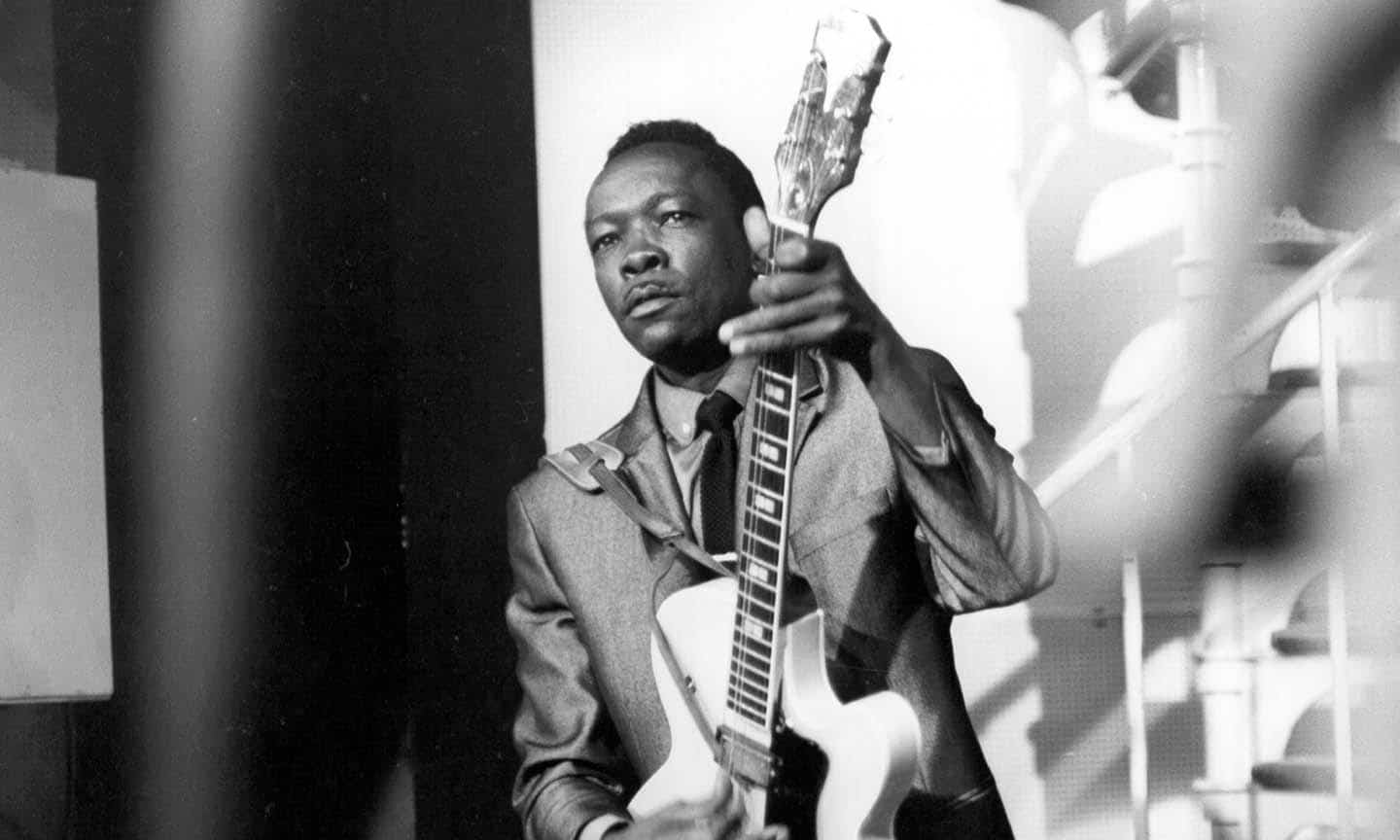
Exploring the musical legacy of the legendary blues icon, John Lee Hooker, is an exhilarating journey through the soulful landscapes of American music. With a career spanning over half a century, Hooker’s distinctive voice and mesmerizing guitar riffs have left an indelible mark on the blues genre. In this article, we delve into the essence of his timeless artistry, celebrating the “10 Best John Lee Hooker Songs of All Time.” From the gritty Delta blues roots that influenced his early work to the electrifying collaborations that defined his later years, Hooker’s repertoire is a rich tapestry of emotion, storytelling, and sheer musical brilliance. Each song on this curated list serves as a testament to his mastery, showcasing his ability to capture the essence of life’s trials and triumphs through the language of the blues. Join us as we embark on a sonic voyage, tracing the evolution of Hooker’s sound and unraveling the stories behind the unforgettable tunes that have secured his place as one of the most influential figures in the history of blues music.
1. Boom Boom
“Boom Boom” stands as one of John Lee Hooker’s most iconic and timeless creations, solidifying its place among the best blues songs of all time. Released in 1961, this track showcases Hooker’s unparalleled ability to captivate listeners with his raw, gritty vocals and hypnotic guitar riffs. The song’s distinctive, rhythmic guitar riff is instantly recognizable and has become synonymous with the essence of blues music. “Boom Boom” is a masterclass in simplicity, with Hooker’s gravelly voice weaving a tale of desire and passion, complemented by the infectious energy of the accompanying instruments. The song’s infectious groove and primal energy make it a timeless classic that continues to resonate with audiences across generations.
As a testament to its enduring popularity, “Boom Boom” has not only become a staple in blues playlists but has also transcended genres, influencing countless artists in rock, pop, and beyond. Its impact is evident in the numerous covers and adaptations by artists such as The Animals, John Mayall, and even fellow blues legends like ZZ Top. Whether you’re a seasoned blues enthusiast or a casual listener, “Boom Boom” remains an essential piece of John Lee Hooker’s musical legacy, showcasing the artist’s ability to distill the essence of blues into a single, unforgettable track that continues to reverberate through the annals of music history.
2. I’m In The Mood
“I’m In The Mood” is another timeless gem in John Lee Hooker’s extensive repertoire, showcasing his mastery of the blues genre. Originally released in 1951, the song features Hooker’s signature boogie-woogie guitar style and soulful vocals, creating an irresistibly sultry and laid-back atmosphere. The track is a testament to Hooker’s ability to convey deep emotion through his music, as he effortlessly captures the essence of desire and romantic longing.
With its infectious rhythm and seductive lyrics, “I’m In The Mood” has become a classic in the blues genre and has been covered by various artists over the years. The song’s influence extends beyond its initial release, permeating different musical genres and leaving an indelible mark on the history of American music. Hooker’s distinctive guitar work, coupled with his evocative vocal delivery, makes “I’m In The Mood” a standout piece in his body of work. Whether you’re a blues aficionado or a casual listener, this track remains a testament to John Lee Hooker’s ability to craft soul-stirring, timeless music that continues to resonate with audiences around the world.
3. Boogie Chillen’
“Boogie Chillen'” stands as one of John Lee Hooker’s breakthrough hits, making a significant impact on the blues scene upon its release in 1948. This raw and stripped-down blues masterpiece showcases Hooker’s distinctive one-chord guitar style and his unmistakable, deep, and gritty vocals. The song’s simplicity and infectious boogie rhythm, marked by Hooker’s foot-stomping and percussive guitar, create an irresistible energy that defines the essence of early Delta blues.
The lyrics of “Boogie Chillen'” narrate Hooker’s experiences, capturing the spirit of a man expressing his independence and self-reliance. The song’s iconic opening lines, “Well, my mama ‘low me to stay out all night long / Oh, Lord,” immediately draw the listener into a world of late-night revelry and freedom. This track not only solidified Hooker’s status as a blues innovator but also laid the foundation for the electrified Chicago blues sound that would follow in the coming decades.
“Boogie Chillen'” has left an indelible mark on the blues genre, inspiring countless musicians and becoming a standard in the blues repertoire. Its influence is evident in the work of subsequent artists, and its enduring popularity speaks to the timelessness of John Lee Hooker’s music, with “Boogie Chillen'” remaining an essential cornerstone in the rich tapestry of blues history.
4. Crawling King Snake
“Crawling King Snake” is a blues classic that showcases John Lee Hooker’s mastery of storytelling through his music. Originally recorded in 1949, the song is a slow and smoldering blues piece that captivates with its hypnotic guitar riff and Hooker’s soulful, brooding vocals. The distinctive slide guitar work and the minimalist arrangement create a haunting atmosphere, drawing the listener into the narrative of the crawling king snake, a metaphor for seduction and desire.
The lyrics of “Crawling King Snake” are steeped in metaphor and blues mythology, as Hooker weaves a tale of temptation and allure. The repetitive, almost trance-like nature of the song adds to its allure, creating an immersive experience for the listener. The track’s enduring popularity is a testament to its evocative power, with artists across genres recognizing its influence and offering their interpretations.
The song has been covered and reinterpreted by various artists over the years, further solidifying its status as a blues standard. “Crawling King Snake” remains a testament to John Lee Hooker’s ability to create timeless, emotionally charged blues that resonate with audiences through their simplicity and authenticity, making it an essential addition to any discussion of the best blues songs of all time.
5. I Don’t Want Your Money
“I Don’t Want Your Money” is a standout track in John Lee Hooker’s extensive catalog, demonstrating his ability to blend traditional blues elements with a contemporary edge. Released in 1961, this song captures Hooker in a more upbeat and electrified mood, marked by a driving rhythm and lively guitar work. The lyrics convey a sentiment of independence and resilience, as Hooker declares his desire for love and companionship over material wealth.
The infectious energy of “I Don’t Want Your Money” is accentuated by Hooker’s distinctive guitar style, characterized by sharp, staccato riffs and a pulsating groove. His expressive and impassioned vocal delivery adds depth to the narrative, creating a compelling listening experience. The song’s dynamic instrumentation and Hooker’s charismatic performance make it a standout in his repertoire, showcasing his ability to evolve within the blues genre while maintaining his authentic sound.
As with many of Hooker’s compositions, “I Don’t Want Your Money” has endured through the years, leaving an indelible mark on blues and rock music. Its catchy melody and upbeat vibe set it apart, making it a favorite among fans and a testament to John Lee Hooker’s versatility as a blues artist. This track remains a vibrant example of Hooker’s ability to infuse traditional blues with contemporary flair, making it a noteworthy inclusion in any exploration of his best works.
6. Blues Before Sunrise
“Blues Before Sunrise” stands as a poignant and soulful testament to John Lee Hooker’s ability to evoke deep emotion through his music. Released in 1965, the song showcases Hooker’s mastery of the blues, characterized by his raw and expressive vocals accompanied by a slow, melancholic guitar melody. The title itself sets the tone for the contemplative mood of the song, as Hooker reflects on the struggles and heartaches that often accompany the early hours before dawn.
The haunting simplicity of “Blues Before Sunrise” allows Hooker’s emotive storytelling to take center stage. The slow-paced, deliberate guitar notes create a somber atmosphere, enhancing the impact of the lyrics. Hooker’s ability to convey a sense of longing and introspection is particularly notable in this track, as he bares his soul through each note and phrase.
While perhaps not as well-known as some of his more upbeat and energetic hits, “Blues Before Sunrise” remains a testament to the depth and versatility of John Lee Hooker’s musical expression. The song’s enduring appeal lies in its ability to connect with listeners on a visceral level, making it a significant entry in the vast landscape of blues music and solidifying Hooker’s reputation as a true blues legend.
7. One Bourbon, One Scotch, One Beer
“One Bourbon, One Scotch, One Beer” is a quintessential John Lee Hooker track that showcases his storytelling prowess and distinctive boogie-blues style. Originally released in 1966, this song became a blues anthem, later gaining widespread recognition through various covers and adaptations. The track narrates the protagonist’s misfortunes, using the consumption of alcohol as a coping mechanism for life’s challenges.
The song’s structure is both captivating and unique, featuring a rhythmic guitar riff that establishes a steady, toe-tapping groove. Hooker’s gravelly vocals bring the character to life, detailing a series of unfortunate events that lead to a night of heavy drinking. The repetition of the titular beverages in the chorus becomes a catchy and memorable refrain, contributing to the song’s enduring popularity.
“One Bourbon, One Scotch, One Beer” has been covered by numerous artists, further attesting to its timeless appeal. Its influence extends beyond the blues genre, making it a staple in rock and popular music. The track not only highlights Hooker’s musical innovation but also serves as a testament to the universality of themes within the blues – struggles, resilience, and the solace sought in the midst of life’s challenges. It remains a standout piece in John Lee Hooker’s repertoire and an essential addition to any exploration of the best blues songs of all time.
8. Dimples
“Dimples” is a classic blues track by John Lee Hooker that showcases his distinctive style and influential guitar work. Originally recorded in 1956, the song’s title refers to a woman’s charming dimples, setting the stage for a playful and flirtatious narrative. The track is characterized by its infectious rhythm, Hooker’s raw vocals, and the hypnotic interplay between his vocal delivery and the guitar.
The simplicity of “Dimples” is part of its charm, with Hooker’s expressive guitar riff driving the song forward. The repetitive nature of the riff creates a mesmerizing quality, drawing listeners into the bluesy atmosphere. The lyrics, infused with Hooker’s characteristic wit and charm, add a layer of storytelling that resonates with audiences.
“Dimples” has not only endured as a classic in the blues genre but has also been covered by various artists, illustrating its lasting impact on the music landscape. Its influence extends beyond blues, reaching into rock and other genres, solidifying John Lee Hooker’s status as a cross-genre musical pioneer. The song remains a testament to Hooker’s ability to create timeless, emotionally resonant blues that continue to captivate audiences with their authenticity and simplicity.
9. Messin’ with the Hook
“Messin’ with the Hook” is an electrifying and high-energy album by John Lee Hooker, originally released in 1979. This live recording captures the essence of Hooker’s dynamic stage presence and the raw power of his blues performances. The album features a collection of some of his most iconic songs, with each track serving as a testament to Hooker’s influence on the blues genre and beyond.
The live setting of “Messin’ with the Hook” allows Hooker’s improvisational skills and connection with the audience to shine. The album opens with the classic “Messin’ with the Kid,” setting the tone for a rollicking musical experience. Hooker’s signature guitar riffs, accompanied by a driving rhythm section, create an infectious energy that permeates the entire album.
Throughout the recording, Hooker’s gravelly vocals and expressive guitar playing paint a vivid picture of the bluesman in his element. The raw, unfiltered sound captures the spontaneity and authenticity of a live performance, making “Messin’ with the Hook” a compelling and essential addition to any blues aficionado’s collection.
As one of the later releases in Hooker’s extensive discography, “Messin’ with the Hook” stands as a testament to his enduring impact on the blues genre and his ability to captivate audiences with his soulful, electrifying performances. The album serves as a powerful reminder of the timeless quality of John Lee Hooker’s music and its ability to transcend generations.
10. Chill Out (Things Gonna Change)
“Chill Out (Things Gonna Change)” is a standout track from John Lee Hooker’s 1995 album of the same name. The song, featuring the iconic blues guitarist Carlos Santana, is a poignant exploration of life’s struggles and the hope for positive change. Released in the later years of Hooker’s career, the track demonstrates his ability to adapt and collaborate with other musical talents while staying true to his blues roots.
The soulful and reflective mood of “Chill Out” is complemented by Hooker’s weathered yet emotive vocals. The collaboration with Santana adds a layer of richness to the song, with Santana’s signature guitar playing enhancing the overall sonic experience. The lyrics convey a message of resilience, urging listeners to persevere through tough times with the assurance that change is on the horizon.
The album, and this track in particular, earned critical acclaim, and “Chill Out (Things Gonna Change)” won a Grammy Award for Best Traditional Blues Album. It stands as a testament to John Lee Hooker’s enduring relevance and his ability to connect with audiences across generations. The song not only pays homage to Hooker’s blues legacy but also demonstrates his continued impact on the genre, solidifying his place as a true blues legend.

Samuel Moore is a frequent contributor to Singers Room. Since 2005, Singersroom has been the voice of R&B around the world. Connect with us via social media below.









