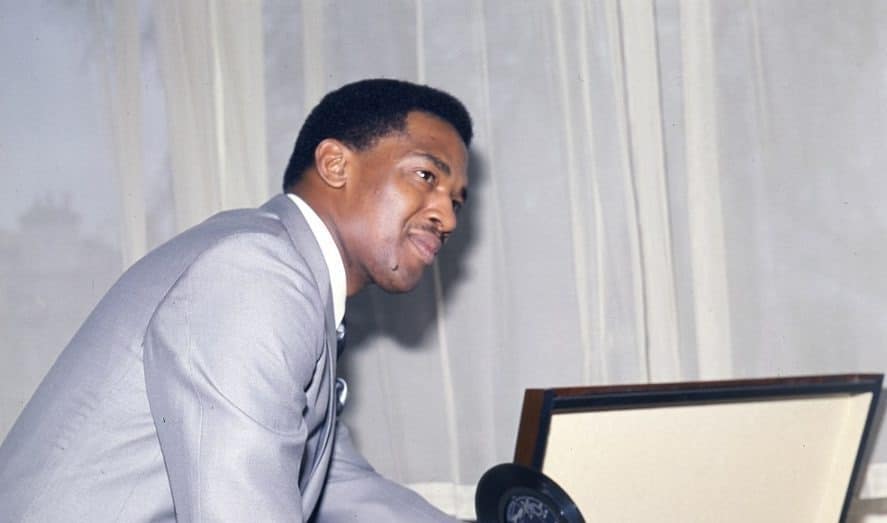
Edwin Starr (January 21, 1942 – April 2, 2003) was an American soul and R&B singer known for his powerful and emotive vocal style. Born Charles Edwin Hatcher in Nashville, Tennessee, Starr gained prominence in the late 1960s and early 1970s with a series of hits, particularly for his energetic performances and socially conscious songs.
One of Starr’s most famous songs is “War,” released in 1970. Written by Norman Whitfield and Barrett Strong, “War” became an anti-Vietnam War anthem and remains one of the most iconic protest songs of its time. The song’s powerful and passionate delivery by Starr contributed significantly to its success.
Starr began his career with the group The Future Tones before embarking on a solo career. His early successes included “Agent Double-O-Soul” and “25 Miles.” However, it was his association with Motown Records and his collaboration with producer Norman Whitfield that brought him widespread recognition.
Apart from “War,” Starr had other hits such as “H.A.P.P.Y. Radio” and “Contact,” showcasing his versatility as a performer. While he may be best known for his protest anthem, Starr’s contributions to the soul and R&B genres have left an enduring impact on the music industry. Edwin Starr was inducted into the Rhythm and Blues Music Hall of Fame in 2013, recognizing his significant influence on the soul music landscape.
1. War
“War” is a powerful and socially conscious song originally recorded by The Temptations in 1969 but later made famous by Edwin Starr in 1970. Written by Norman Whitfield and Barrett Strong, the song is a protest anthem that strongly addresses the Vietnam War and the broader issues of conflict and injustice.
Edwin Starr’s version of “War” is particularly notable for its energetic and impassioned delivery. The song became a rallying cry against the war and a symbol of the counterculture movement’s opposition to military intervention. With its driving beat, intense vocals, and politically charged lyrics, “War” struck a chord with audiences during a tumultuous period in American history.
The most recognizable part of the song is the emphatic repetition of the word “War! What is it good for?” in the chorus, followed by the defiant declaration, “Absolutely nothing!”
“War” became a major hit for Edwin Starr, reaching the top of the charts and earning him a Grammy Award nomination for Best R&B Vocal Performance. The song’s enduring popularity has led to its use in various films, television shows, and commercials over the years, solidifying its status as an iconic protest song and a cultural touchstone.
2. 25 Miles
“Twenty-Five Miles” is a soul song by Edwin Starr, released in 1969. Born Charles Edwin Hatcher, Starr was an American singer known for his dynamic vocal style and energetic performances. “Twenty-Five Miles” is one of his notable hits and showcases his ability to infuse soul and funk into his music.
The song’s lyrics tell the story of a man who is determined to travel 25 miles to reunite with his loved one. It captures the urgency and excitement of the protagonist’s journey to be with the person he cares about. The driving beat and lively arrangement contribute to the song’s sense of movement and enthusiasm.
With its infectious groove and Starr’s charismatic delivery, “Twenty-Five Miles” became a chart success, reaching the top ten on the Billboard Hot 100. The song also solidified Starr’s reputation as a dynamic performer in the soul and R&B genres.
While “War” remains his most famous recording, “Twenty-Five Miles” is a testament to Edwin Starr’s versatility as an artist and his ability to create soulful and engaging music that resonated with audiences in the late 1960s and early 1970s.
3. Stop the War Now
“Stop the War Now” is another socially conscious song by Edwin Starr, released in 1970. This song, like “War,” addresses the anti-war sentiment prevalent during the Vietnam War era. Written by Barrett Strong and Norman Whitfield, the song carries a powerful and urgent message against the destructive impact of war.
In “Stop the War Now,” Starr passionately expresses his opposition to war and calls for an end to the conflict. The song features a soulful and intense vocal delivery, characteristic of Starr’s style, and is set against a backdrop of powerful instrumentation.
While “Stop the War Now” didn’t achieve the same level of commercial success as “War,” it further established Starr as a socially conscious artist who used his music to address important issues of the time. The song reflects the broader cultural and political climate of the late 1960s and early 1970s when many artists were using their platforms to protest against war and advocate for social change.
Edwin Starr’s contributions to the protest music genre, particularly through songs like “War” and “Stop the War Now,” underscore the impact that music can have in raising awareness and inspiring activism during times of political and social turmoil.
4. Agent Double-O-Soul
“Agent Double-O-Soul” is a soul single by Edwin Starr, released in 1965. Written by Starr himself along with William Weatherspoon and James Dean, the song showcases Starr’s energetic and dynamic vocal style. The title and lyrics of the song playfully borrow from the spy culture of the time, adding a sense of intrigue and excitement to the track.
In “Agent Double-O-Soul,” Starr adopts a persona reminiscent of a secret agent, combining elements of soul, R&B, and a touch of the spy movie aesthetic popular during the mid-1960s. The song features a lively arrangement with horns and a driving rhythm that complements the spy theme.
While “Agent Double-O-Soul” didn’t reach the same level of chart success as some of Starr’s later hits, it established him as a charismatic and versatile performer. Edwin Starr’s ability to infuse soul music with a sense of fun and playfulness contributed to his growing reputation in the music industry.
Starr later gained widespread recognition with hits like “War” and “Twenty-Five Miles,” but “Agent Double-O-Soul” remains a notable example of his early work and the diverse range of styles he explored throughout his career.
5. Easin’ In
“Easin’ In” is a soul and funk song performed by Edwin Starr. It was featured on the soundtrack for the 1973 blaxploitation film “Hell Up in Harlem.” The song was written by Edwin Starr along with Charles Hatcher and H.B. Barnum.
“Easin’ In” is characterized by its smooth, laid-back groove and soulful vocals. The lyrics exude a sense of coolness and confidence, fitting the cinematic atmosphere of the film. The song has a seductive and funky quality, with Starr’s vocals riding effortlessly over the instrumental arrangement.
While “Easin’ In” might not be as well-known as some of Edwin Starr’s bigger hits, it has gained recognition over the years, especially within the context of blaxploitation film soundtracks. The genre often featured soul and funk music, and “Easin’ In” is a notable example of how artists contributed to the dynamic soundtracks that became an integral part of the blaxploitation film experience during the 1970s.
6. Oh, How Happy
“Oh, How Happy” is a soulful and upbeat song originally performed by The Shades of Blue. It was released in 1966 as a single and became the group’s most successful and well-known song. The Shades of Blue was a vocal group hailing from Detroit, Michigan.
The song “Oh, How Happy” features a joyous and celebratory melody along with harmonious vocals. The lyrics express the happiness and elation that love brings, making it a classic feel-good love song of the 1960s. The catchy chorus, with the repeated refrain “Oh, how happy you have made me,” contributes to the song’s infectious charm.
While “Oh, How Happy” is the most recognized song by The Shades of Blue, the group did not achieve the same level of success with subsequent releases. Nevertheless, the song has endured over the years and is considered a classic of the Motown era. It has been covered by various artists, further solidifying its place in the soul music canon.
7. Headline News
Ric-Tic Records was a Detroit-based record label that operated during the 1960s. It was established in 1964 by Ed Wingate and produced a variety of soul and R&B recordings. Ric-Tic was known for its association with artists like Edwin Starr, who recorded some of his early hits for the label.
One of the most notable songs associated with Ric-Tic Records is “Agent Double-O-Soul” by Edwin Starr, released in 1965. Edwin Starr gained further recognition with his later hits, including “War,” which became a massive protest anthem during the Vietnam War era.
8. Contact
“Contact” is a song by Edwin Starr, released in 1978. It’s a disco and funk track that showcases Starr’s versatility as an artist, incorporating the popular disco sound of the late 1970s.
“Contact” is notable for its infectious groove, lively instrumentation, and danceable rhythm. The song features elements typical of disco music, including a prominent bassline, rhythmic percussion, and upbeat horns. Starr’s energetic and charismatic vocals contribute to the overall dynamic and festive atmosphere of the track.
While “Contact” might not be as well-known as some of Edwin Starr’s earlier hits like “War” or “Twenty-Five Miles,” it reflects his ability to adapt to evolving musical trends. The disco era brought about a shift in popular music, and many artists explored the genre, including those with roots in soul and R&B.
“Contact” remains a testament to Starr’s enduring career and his ability to engage with different musical styles throughout the decades.
9. H.A.P.P.Y. Radio
“H.A.P.P.Y. Radio” is a disco and funk song by Edwin Starr, released in 1979. The acronym “H.A.P.P.Y.” stands for “Happiness, Love, Peace, and Good Vibes,” reflecting the positive and celebratory theme of the song.
The track features a lively and upbeat disco sound, characteristic of the late 1970s. Edwin Starr’s charismatic and soulful vocals, combined with the danceable rhythm and energetic instrumentation, contributed to the song’s appeal during the disco era.
“H.A.P.P.Y. Radio” wasn’t as commercially successful as some of Starr’s earlier hits, but it remains a notable example of his versatility as an artist. The disco genre was prominent in the late ’70s, and many artists, including those with roots in soul and R&B, embraced its energetic and dance-oriented sound.
The song’s positive message and infectious groove have contributed to its enduring popularity among fans of disco and funk music. It showcases Edwin Starr’s ability to adapt to different musical styles while maintaining his distinctive vocal style.
10. Twenty-Five Miles
“Twenty-Five Miles” is a soulful and energetic song by Edwin Starr, released in 1969. It’s one of Starr’s signature tracks and showcases his powerful and dynamic vocal delivery. The song was co-written by Johnny Bristol, Harvey Fuqua, and Edwin Starr.
In “Twenty-Five Miles,” Starr sings about the determination to reach his destination and the excitement of returning home. The title refers to the distance he’s willing to travel to be with his loved one. The lyrics convey a sense of urgency and anticipation, complemented by the song’s driving beat and lively instrumentation.
The memorable chorus features Starr repeatedly singing the title line, “Twenty-Five Miles from home, girl / My feet are hurting mighty bad.” The song’s catchy and energetic nature contributed to its success on the charts.
“Twenty-Five Miles” became one of Edwin Starr’s biggest hits, reaching the top ten on the Billboard Hot 100 chart. The song’s enduring popularity has made it a classic in the soul and R&B genres, and it continues to be celebrated for its infectious rhythm and Starr’s soulful performance.

Edward Tomlin is a frequent contributor to Singers Room. Since 2005, Singersroom has been the voice of R&B around the world. Connect with us via social media below.









