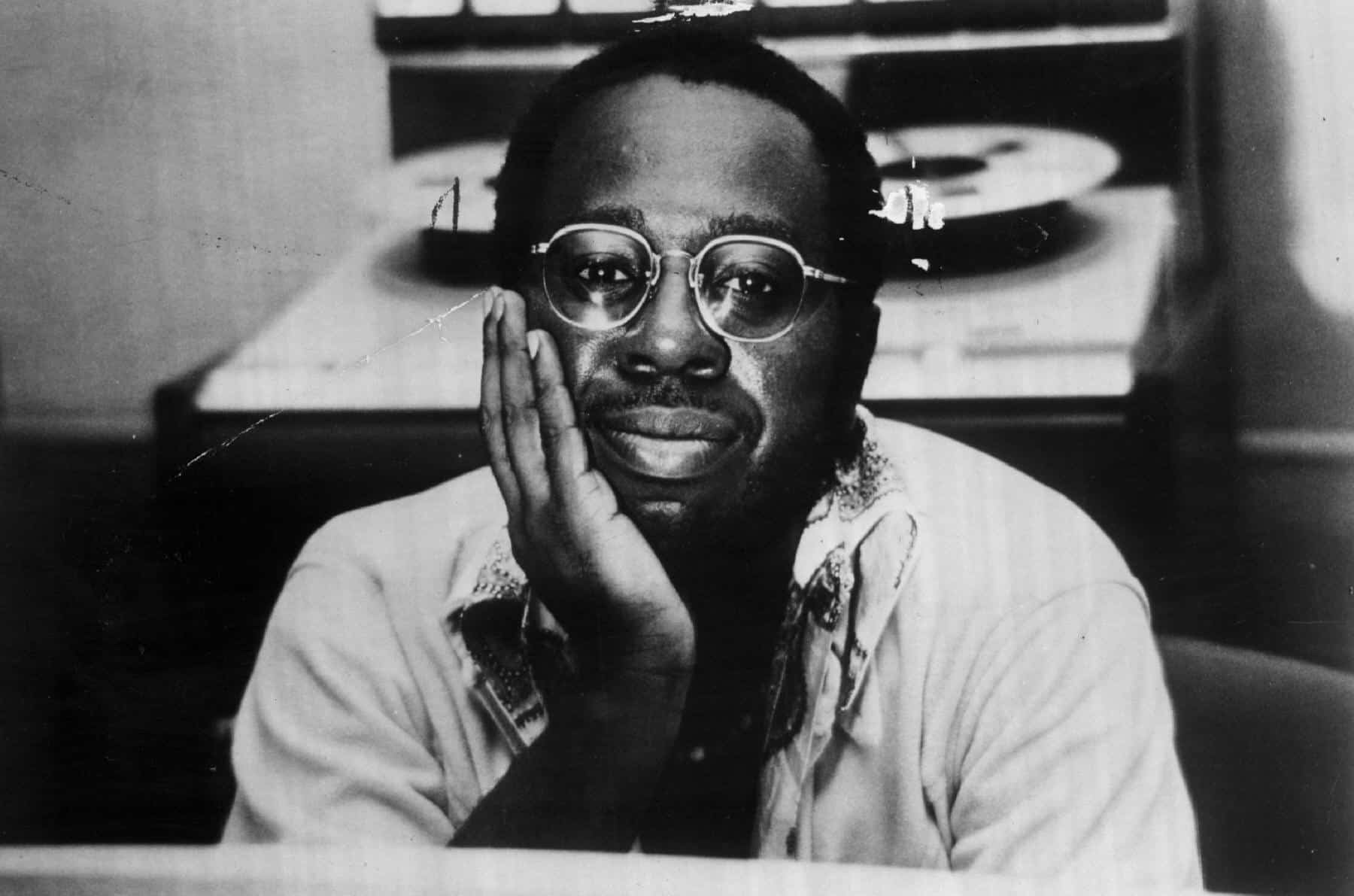
Curtis Mayfield (1942-1999) stands as a seminal figure in the landscape of American music, renowned for his multifaceted contributions as a singer, songwriter, and social activist. Born in Chicago, Mayfield rose to prominence as the lead vocalist and principal songwriter for the Impressions, a soul and R&B group that crafted socially conscious anthems during the 1960s. His distinctive falsetto vocals, coupled with his insightful and often politically charged lyrics, set him apart in the music industry.
Mayfield’s solo career soared to new heights with his 1970 debut album, “Curtis,” which featured the timeless hit “Move On Up.” His innovative blend of soul, funk, and gospel elements left an indelible mark on the music landscape. Notably, Mayfield’s soundtrack for the 1972 film “Super Fly” not only achieved commercial success but also underscored his ability to address societal issues through music.
Beyond his musical prowess, Curtis Mayfield embraced his role as a civil rights advocate. His compositions often conveyed messages of empowerment and resilience, making him a symbol of black pride during a transformative era. Mayfield’s legacy endures as a testament to the power of music to inspire social change and elevate the human spirit.
1. Move On Up
“Move On Up” is a timeless soul anthem written and performed by Curtis Mayfield. Released in 1970 as a single and later featured on his debut solo album, also titled “Curtis,” the song remains one of Mayfield’s most iconic and enduring works. The track seamlessly blends elements of soul, funk, and gospel, showcasing Mayfield’s innovative musical style.
“Move On Up” is characterized by its uplifting and optimistic lyrics, encouraging listeners to strive for success and reach for higher aspirations. The song’s infectious groove, complete with a horn section and Mayfield’s distinctive falsetto vocals, contributes to its undeniable appeal. The repetitive refrain of “Move on up, and keep on wishing / Remember your dream is your only scheme, so keep on pushing” has made it a motivational anthem that resonates across generations.
Over the years, “Move On Up” has been widely celebrated and covered by various artists, solidifying its status as a classic in the soul and R&B genres. Its timeless message of hope and determination continues to inspire and uplift audiences worldwide.
2. Super Fly
“Super Fly” refers to both a classic 1972 blaxploitation film and its accompanying soundtrack, composed and performed by Curtis Mayfield. Directed by Gordon Parks Jr., the film is a gritty portrayal of the African American experience in urban America during the 1970s, focusing on the life of a drug dealer named Youngblood Priest. The soundtrack, however, became as iconic as the film itself.
Curtis Mayfield’s “Super Fly” soundtrack is a seminal work in the soul and funk genres. Released as a double album, it features Mayfield’s socially conscious and introspective lyrics, coupled with his signature blend of soul, funk, and R&B. The album’s sound is characterized by lush orchestrations, wah-wah guitars, and Mayfield’s distinctive falsetto vocals.
The soundtrack includes hit songs like “Freddie’s Dead,” a haunting commentary on the consequences of drug addiction, and the title track “Super Fly,” which became a chart-topping success. Mayfield’s music for “Super Fly” is notable not only for its commercial success but also for its impact on the blaxploitation genre and its influence on subsequent generations of musicians.
Beyond its musical achievements, “Super Fly” and its soundtrack are remembered for their cultural significance, providing a snapshot of a tumultuous era while addressing issues of systemic injustice and inequality. The film and its soundtrack remain influential touchstones in the history of American cinema and music.
3. People Get Ready
“People Get Ready” is a classic soul and gospel song written by Curtis Mayfield. It was originally recorded by The Impressions, a group Mayfield was a part of, and released in 1965. The song is known for its powerful message of hope, unity, and the anticipation of a better future. The lyrics convey a sense of spiritual and social upliftment, urging people to get ready for positive change.
The song’s message resonated with the civil rights movement of the 1960s and became an anthem for social justice and equality. Its timeless lyrics and melody have led to numerous covers by various artists across different genres.
Curtis Mayfield’s soulful voice, combined with the song’s uplifting lyrics and a memorable melody, has made “People Get Ready” a classic that continues to be celebrated and appreciated by listeners around the world.
4. Freddie’s Dead
“Freddie’s Dead” is a song written and performed by Curtis Mayfield. It was released as a single in 1972 and served as the theme song for the soundtrack of the movie “Super Fly,” a blaxploitation film for which Mayfield composed the entire soundtrack.
The song reflects the harsh realities of urban life and addresses the consequences of drug addiction. The “Freddie” in the title is often thought to refer to a character named Fat Freddie, who meets a tragic end in the film. The lyrics explore themes of despair, hopelessness, and the impact of drug abuse on individuals and communities.
“Freddie’s Dead” is notable for its distinctive sound, characterized by Mayfield’s soulful vocals, socially conscious lyrics, and a blend of funk and R&B elements. The song became a significant hit for Curtis Mayfield and remains one of his most well-known solo works. It has also been covered and sampled by various artists over the years, further solidifying its place in the musical landscape.
5. Pusherman
“Pusherman” is one of the standout tracks from Curtis Mayfield’s iconic soundtrack for the 1972 blaxploitation film “Super Fly.” The song, both musically and lyrically, captures the gritty realities of inner-city life, particularly the involvement in and consequences of drug dealing.
In “Pusherman,” Mayfield takes on the persona of a drug dealer, providing a first-person narrative that delves into the motivations, struggles, and dangers associated with the drug trade. The lyrics paint a vivid picture of the harsh urban environment and the challenges faced by those involved in illegal activities. Despite the illegal and harmful nature of the character’s actions, Mayfield’s portrayal is nuanced, offering a glimpse into the socioeconomic factors that often lead individuals down such paths.
Musically, “Pusherman” is characterized by a funky and hypnotic groove, featuring Mayfield’s soulful vocals and a distinctive guitar riff. The song’s arrangement, with its wah-wah guitar and orchestral elements, showcases Mayfield’s unique style that blends soul, funk, and social commentary.
“Pusherman” has endured as a powerful and evocative piece of music, resonating not only for its musical brilliance but also for its exploration of complex social issues. It remains a notable example of Curtis Mayfield’s ability to use his art to shed light on the challenges faced by marginalized communities in America during the 1970s.
6. Give It Up
“Give It Up” is a song by Curtis Mayfield that was featured on his 1971 album “Roots.” The track is a soulful and socially conscious composition that reflects Mayfield’s ability to blend compelling music with poignant messages.
In “Give It Up,” Mayfield addresses the struggles and challenges faced by African Americans in the United States, particularly in the context of the civil rights movement. The lyrics touch on themes of perseverance, resilience, and the ongoing fight for equality. Mayfield’s soulful delivery and the uplifting melody contribute to the song’s powerful impact.
Musically, “Give It Up” features Mayfield’s signature falsetto vocals, complemented by a soulful arrangement that incorporates elements of R&B and gospel. The song showcases Mayfield’s proficiency as a songwriter and performer who could seamlessly fuse social commentary with infectious grooves.
While “Give It Up” may not be as widely recognized as some of Mayfield’s other hits, it exemplifies his commitment to using his art to address important social issues. Curtis Mayfield’s impact on soul and R&B music extends beyond his chart-topping singles, and songs like “Give It Up” contribute to his legacy as a socially conscious artist.
7. (Don’t Worry) If There’s a Hell Below, We’re All Going to Go
“(Don’t Worry) If There’s a Hell Below, We’re All Going to Go” is another notable song by Curtis Mayfield, released in 1970 as the lead track on his debut solo album, “Curtis.” This song is known for its socially conscious lyrics and a powerful, funk-infused sound.
The lyrics of the song touch upon various social and political issues, addressing topics such as corruption, inequality, and the challenges faced by society. The title itself suggests a sense of impending doom, but the song also carries a message of hope and resilience, urging listeners to confront these issues and work towards positive change.
The track is characterized by Mayfield’s distinctive falsetto vocals, a prominent bassline, and a mix of funk, soul, and rock elements. “(Don’t Worry) If There’s a Hell Below, We’re All Going to Go” has been praised for its bold and innovative approach, both lyrically and musically. It remains a significant piece in Curtis Mayfield’s body of work, showcasing his ability to address important social issues through his music.
8. The Makings of You
“The Makings of You” is a soulful and romantic song written and performed by Curtis Mayfield. It was originally released on his 1970 album titled “Curtis.” The song is known for its smooth, melodic sound and heartfelt lyrics, showcasing Mayfield’s ability to convey deep emotions through his music.
In “The Makings of You,” Mayfield celebrates the beauty and essence of love, exploring the profound and intimate aspects of romantic relationships. The lyrics are poetic and evocative, expressing the idea that the small, everyday moments contribute to the richness and depth of love. Mayfield’s tender vocals, coupled with the song’s gentle instrumentation, create a soulful and timeless ballad.
The track has resonated with audiences over the years and has been covered by various artists, attesting to its enduring appeal. Mayfield’s “The Makings of You” reflects not only his musical prowess but also his ability to capture the universal themes of love and connection in a way that transcends time.
This classic soul composition remains a testament to Curtis Mayfield’s legacy as a gifted songwriter and performer, and “The Makings of You” stands as a heartfelt and enduring contribution to the soul music genre.
9. We the People Who Are Darker Than Blue
“We the People Who Are Darker Than Blue” is another notable song by Curtis Mayfield, released on his 1970 solo album “Curtis.” This track, like many of Mayfield’s works, addresses social issues, particularly those related to the African American experience.
In “We the People Who Are Darker Than Blue,” Mayfield explores themes of identity, racial pride, and the challenges faced by Black individuals in society. The lyrics reflect a sense of cultural and racial consciousness, advocating for self-empowerment and unity among people of African descent.
Musically, the song features Mayfield’s soulful vocals, socially conscious lyrics, and a melodic and rhythmic arrangement that incorporates elements of soul and funk. The track showcases Mayfield’s ability to blend meaningful messages with infectious grooves.
“We the People Who Are Darker Than Blue” has been praised for its poignant lyrics and its contribution to the social and political commentary of the time. The song is a testament to Curtis Mayfield’s commitment to using his music as a platform for addressing important issues and advocating for positive change.
10. Diamond in the Back
“Diamond in the Back” is a classic soul song performed by Curtis Mayfield, released on his 1974 album “Sweet Exorcist.” The full title of the track is “Diamond in the Back (Rap),” and it has become known for its laid-back and reflective vibe, coupled with socially conscious lyrics.
The song’s lyrics paint a picture of urban life, touching on themes of economic hardship, inequality, and the desire for a better life. The phrase “diamond in the back, sunroof top” refers to a luxurious car, contrasting the aspiration for material success with the stark realities faced by many in impoverished communities. Despite the challenging circumstances, the song carries an optimistic message, emphasizing the value of perseverance and finding joy in life’s simple pleasures.
Musically, “Diamond in the Back” features a mellow and smooth groove, with Mayfield’s soulful vocals accompanied by a relaxed rhythm and a catchy guitar riff. The song’s laid-back feel and poignant lyrics have contributed to its enduring popularity, making it a favorite among fans of classic soul and R&B.
“Diamond in the Back” showcases Curtis Mayfield’s ability to blend social commentary with soulful melodies, creating a timeless piece of music that resonates with listeners across generations. The song remains a standout in Mayfield’s extensive body of work.

Edward Tomlin is a frequent contributor to Singers Room. Since 2005, Singersroom has been the voice of R&B around the world. Connect with us via social media below.









