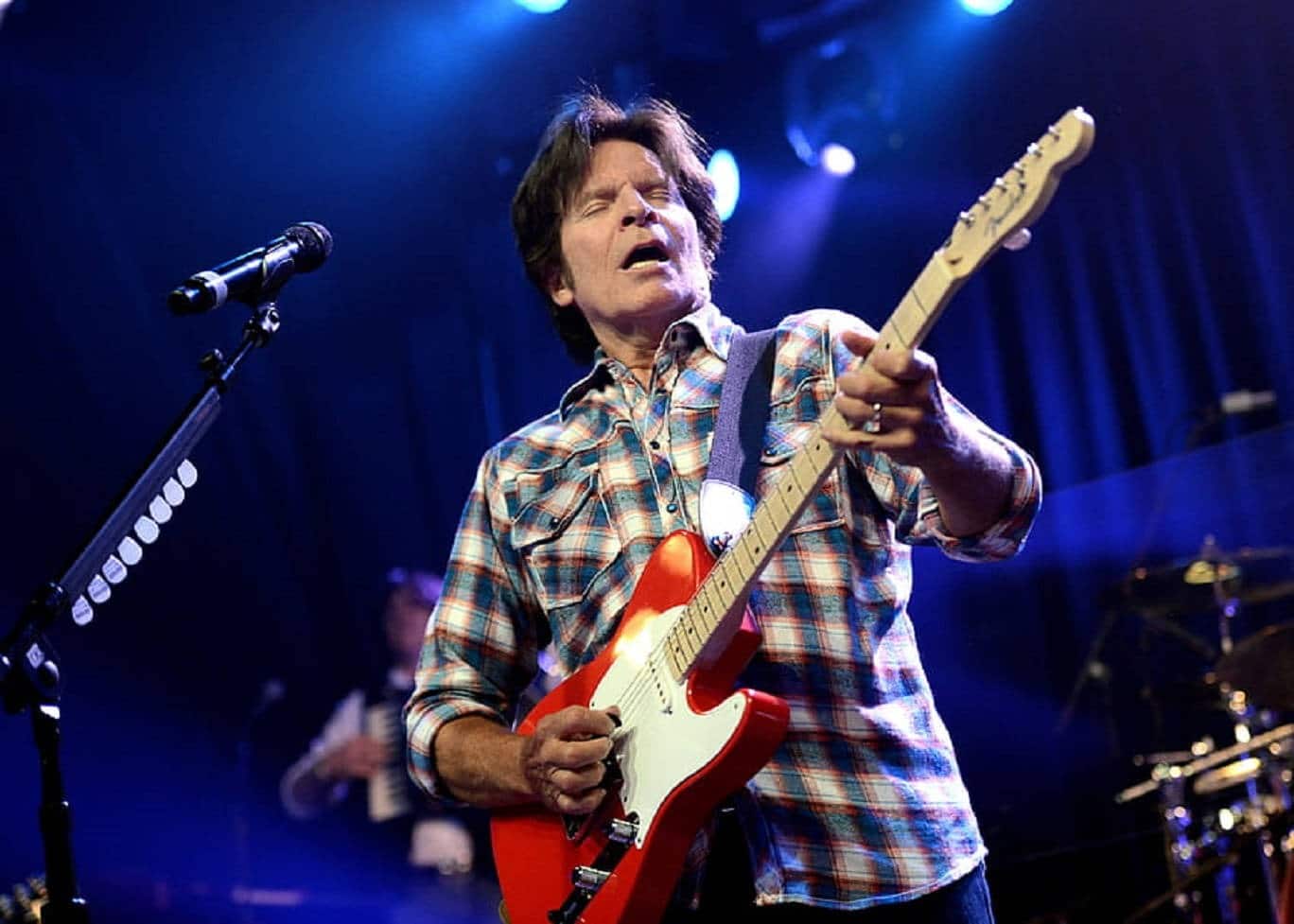
In the illustrious tapestry of American rock music, few names resonate as profoundly as John Fogerty, the creative force behind Creedence Clearwater Revival. As the principal songwriter, lead vocalist, and guitarist, Fogerty’s indelible mark on the genre is unparalleled. Crafting a sound that effortlessly blended rootsy rock, swampy blues, and socially conscious lyricism, Fogerty’s musical prowess has left an enduring legacy. This article embarks on a nostalgic journey through the illustrious career of John Fogerty, meticulously curating a list of the “Top 10 Best John Fogerty Songs of All Time.” From the heady days of Creedence Clearwater Revival to his prolific solo career, each song selected for this compilation is a testament to Fogerty’s extraordinary ability to capture the essence of the American experience. Whether through the anthemic protest of “Fortunate Son” or the evocative storytelling of “Bad Moon Rising,” Fogerty’s compositions transcend time, resonating with audiences across generations. Join us as we celebrate the sonic tapestry woven by this musical luminary and explore the timeless brilliance of the 10 songs that have etched John Fogerty’s name into the annals of rock and roll history.
1. Have You Ever Seen the Rain?
“Have You Ever Seen the Rain?” by John Fogerty is a timeless rock classic that resonates with listeners through its soulful melody and poignant lyrics. Released in 1971 as part of Creedence Clearwater Revival’s album “Pendulum,” the song reflects Fogerty’s introspective exploration of life’s challenges and the pursuit of hope amid storms. The distinctive guitar riff and Fogerty’s gravelly vocals create a nostalgic yet enduring atmosphere, transporting listeners to a bygone era of authentic rock and roll. The lyrics, while seemingly simple, delve into deeper themes of disillusionment and resilience. The metaphorical rain serves as a powerful symbol for life’s adversities, prompting listeners to reflect on their own experiences of weathering storms and emerging stronger on the other side.
Fogerty’s masterful songwriting captures a universal sentiment, making “Have You Ever Seen the Rain?” a song that transcends generations. Its enduring popularity is a testament to the song’s ability to connect with listeners on a personal level, offering solace and understanding in times of turbulence. The emotional depth and musical craftsmanship of this track have solidified its place in the pantheon of rock music, ensuring that “Have You Ever Seen the Rain?” continues to be a source of inspiration and reflection for audiences around the world.
2. Up Around the Bend
“Up Around the Bend” by Creedence Clearwater Revival, written and sung by John Fogerty, is a high-energy rock anthem that burst onto the music scene in 1970. The song showcases Fogerty’s signature raspy vocals, accompanied by a driving rhythm and electrifying guitar riffs that capture the essence of the band’s swamp rock roots. The lyrics of “Up Around the Bend” evoke a sense of adventure and anticipation, urging listeners to join in the journey of discovery. With its infectious energy, the song became an instant hit, reaching the top charts and solidifying CCR’s reputation as one of the era’s premier rock bands.
The song’s enduring appeal lies not only in its catchy hooks but also in its timeless theme of seeking new horizons. “Up Around the Bend” has become a symbol of the open road, freedom, and the thrill of the unknown. Its upbeat and optimistic tone resonates with audiences across generations, making it a staple of classic rock playlists. Fogerty’s ability to craft a narrative that blends optimism and rebellion with a sense of wanderlust contributes to the song’s lasting impact, ensuring that “Up Around the Bend” remains a celebrated and cherished part of the rock music canon.
3. Lookin’ Out My Back Door
“Lookin’ Out My Back Door” by Creedence Clearwater Revival, penned and sung by the talented John Fogerty, is a whimsical and psychedelic masterpiece that stands out as a distinctive departure from the band’s swamp rock roots. Released in 1970 as part of the iconic “Cosmo’s Factory” album, the song showcases Fogerty’s eclectic songwriting ability. The track is an infectious blend of country, folk, and rock, featuring a lively banjo and a bouncy rhythm that creates a carefree and joyful atmosphere.
The lyrics of “Lookin’ Out My Back Door” contribute to its charm, painting a vivid picture of a surreal backyard scene filled with peculiar and fantastical images. The song is often interpreted as Fogerty’s playful response to the countercultural movements of the time, offering a lighthearted escape from the complexities of the world. The upbeat and feel-good nature of the song has made it a timeless classic, transcending generations. With its catchy melody and imaginative lyrics, “Lookin’ Out My Back Door” remains a testament to Fogerty’s musical versatility and CCR’s ability to create enduring and beloved tunes that continue to captivate listeners around the world.
4. Proud Mary
“Proud Mary” by Creedence Clearwater Revival, written and sung by John Fogerty, is a rock and roll anthem that has etched its place in the annals of music history. Released in 1969 as part of the “Bayou Country” album, the song’s distinctive opening guitar riff immediately captures the listener’s attention, setting the stage for an unforgettable musical journey. The driving rhythm and Fogerty’s soulful vocals contribute to the song’s timeless appeal.
The narrative of “Proud Mary” tells the story of a working-class individual navigating life’s challenges with resilience and determination. The riverboat metaphor adds a layer of nostalgia and evokes a sense of the American South. The chorus, with its iconic line “Rollin’, rollin’, rollin’ on the river,” became a cultural touchstone, synonymous with the spirit of hard work and perseverance.
The song’s success lies not only in its musical prowess but also in its ability to resonate with a wide audience. “Proud Mary” has been covered by numerous artists, further solidifying its status as a classic. Whether it’s the original CCR version or one of the many renditions, the song’s enduring popularity underscores its universal appeal and its place as an integral part of the rock and roll soundtrack.
5. Fortunate Son
“Fortunate Son” by Creedence Clearwater Revival, written by John Fogerty, is a powerful and provocative anthem that became an emblem of protest during the Vietnam War era. Released in 1969 as part of the “Willy and the Poor Boys” album, the song is characterized by its raw, defiant sound and politically charged lyrics. Fogerty’s distinctive guitar riffs and impassioned vocals contribute to the song’s timeless impact.
The lyrics of “Fortunate Son” critique the social and economic inequalities inherent in the draft system during the Vietnam War. With its pointed commentary on privilege and the disparity between the elite and the working class, the song became a rallying cry for those who opposed the war and its perceived injustices. The iconic chorus, with its declaration, “It ain’t me, it ain’t me, I ain’t no senator’s son,” resonated with a generation seeking to challenge the status quo.
Beyond its historical context, “Fortunate Son” continues to resonate with audiences as a timeless commentary on societal inequities and the consequences of unchecked privilege. Its rebellious spirit and social critique have solidified the song’s place in the pantheon of protest music, making it a powerful and enduring anthem for those advocating for social justice and change.
6. Centerfield
“Centerfield” by John Fogerty is a lively and upbeat ode to America’s favorite pastime, baseball. Released in 1985 as the title track of Fogerty’s third solo album, the song marked a triumphant return for the artist after a decade-long hiatus from the music scene. “Centerfield” captures the essence of the joy and nostalgia associated with the sport, featuring Fogerty’s signature rock sound and catchy, sing-along lyrics.
The song’s infectious chorus, with lines like “Put me in, Coach, I’m ready to play today,” became an anthem for baseball fans and players alike. Fogerty’s energetic performance, coupled with the twang of a guitar riff reminiscent of classic rock and roll, creates a celebratory atmosphere that mirrors the excitement of a day at the ballpark.
“Centerfield” not only pays homage to baseball but also reflects Fogerty’s personal journey and his triumphant comeback to the music scene. The song’s enduring popularity lies in its universal themes of youthful enthusiasm, the love of the game, and the anticipation of stepping up to the plate. With its timeless appeal, “Centerfield” continues to resonate with audiences, making it a go-to track for anyone seeking a spirited celebration of America’s love affair with baseball.
7. Bad Moon Rising
“Bad Moon Rising” by Creedence Clearwater Revival, written and sung by John Fogerty, is a haunting yet energetic rock anthem that emerged during the tumultuous 1960s. Released in 1969 as part of the “Green River” album, the song is characterized by its distinctive guitar riff and Fogerty’s foreboding vocals. The catchy, upbeat melody contrasts sharply with the ominous lyrics, creating a sense of tension and urgency.
The lyrics of “Bad Moon Rising” are often interpreted as a reflection of the social and political turmoil of the time, with references to natural disasters and a sense of impending doom. The song’s enigmatic and metaphorical language has allowed it to transcend its original context, becoming a timeless piece that continues to resonate with listeners across generations.
Despite its darker undertones, “Bad Moon Rising” became one of CCR’s most successful and enduring hits, showcasing Fogerty’s songwriting prowess and the band’s ability to infuse rock music with depth and complexity. The song’s inclusion in numerous soundtracks, commercials, and cultural references has solidified its status as a classic, with its memorable chorus serving as an iconic warning that a turbulent period might be on the horizon.
8. Down on the Corner
“Down on the Corner” by Creedence Clearwater Revival, composed and performed by John Fogerty, is a rollicking folk-rock tune that captures the spirit of Americana. Released in 1969 as part of the “Willy and the Poor Boys” album, the song stands out with its infectious energy, catchy melody, and clever storytelling.
Fogerty’s playful lyrics paint a vivid picture of a street band, Willie and the Poor Boys, playing on the corner. The song’s upbeat tempo, handclaps, and the jangling sound of a washboard contribute to its irresistible and foot-tapping charm. Fogerty’s distinctive vocals add a layer of authenticity to the narrative, creating a sense of camaraderie and celebration.
“Down on the Corner” embodies the carefree and inclusive spirit of folk music, inviting listeners to join in the joyous atmosphere of the street performance. The song’s enduring popularity lies in its ability to transport audiences to a simpler time, evoking a sense of community and the universal appeal of music as a unifying force. With its timeless sound and feel-good vibe, “Down on the Corner” remains a beloved classic that continues to resonate with music lovers of all ages.
9. The Old Man Down the Road
“The Old Man Down the Road” by John Fogerty is a bluesy rock and roll gem that showcases Fogerty’s enduring musical prowess. Released in 1985 as part of his solo album “Centerfield,” the song carries echoes of his Creedence Clearwater Revival days while also embracing a contemporary sound. The track features Fogerty’s unmistakable guitar riffs and soulful vocals, creating a fusion of nostalgia and modern rock.
The lyrics of “The Old Man Down the Road” are enigmatic, inviting interpretations that range from a reflection on aging to a symbolic commentary on Fogerty’s legal battles with his former record label. The swampy guitar tones and rhythmic intensity contribute to the song’s allure, capturing the essence of Southern rock with a contemporary edge.
Despite its mysterious lyrical content, the song became a commercial success and marked Fogerty’s return to the music scene after a prolonged hiatus. “The Old Man Down the Road” stands as a testament to Fogerty’s ability to evolve while retaining his signature sound, reaffirming his status as a rock icon. Its bluesy charm and compelling musical arrangement make it a standout track in Fogerty’s solo discography, demonstrating his continued relevance and impact on the rock genre.
10. Run Through the Jungle
“Run Through the Jungle” by Creedence Clearwater Revival, written and sung by John Fogerty, is a gritty and evocative rock classic that emerged during a turbulent period in American history. Released in 1970 as part of the “Cosmo’s Factory” album, the song is characterized by its ominous guitar riff, Fogerty’s intense vocals, and a sense of urgency that mirrors the social and political climate of the time.
The lyrics of “Run Through the Jungle” are laden with imagery that suggests a narrative of chaos and danger. While the song’s meaning has been subject to interpretation, many see it as a commentary on the Vietnam War and the societal upheavals of the late 1960s. Fogerty’s ability to craft a haunting atmosphere through his music and lyrics gives the song a timeless quality, allowing it to resonate with listeners across generations.
The distinctive guitar work and the song’s enigmatic aura contribute to its enduring popularity, making it one of CCR’s most iconic tracks. “Run Through the Jungle” remains a powerful example of how music can serve as a reflection of the social and political climate, transcending its original context to become a symbol of the challenges and uncertainties of any era.

Samuel Moore is a frequent contributor to Singers Room. Since 2005, Singersroom has been the voice of R&B around the world. Connect with us via social media below.









