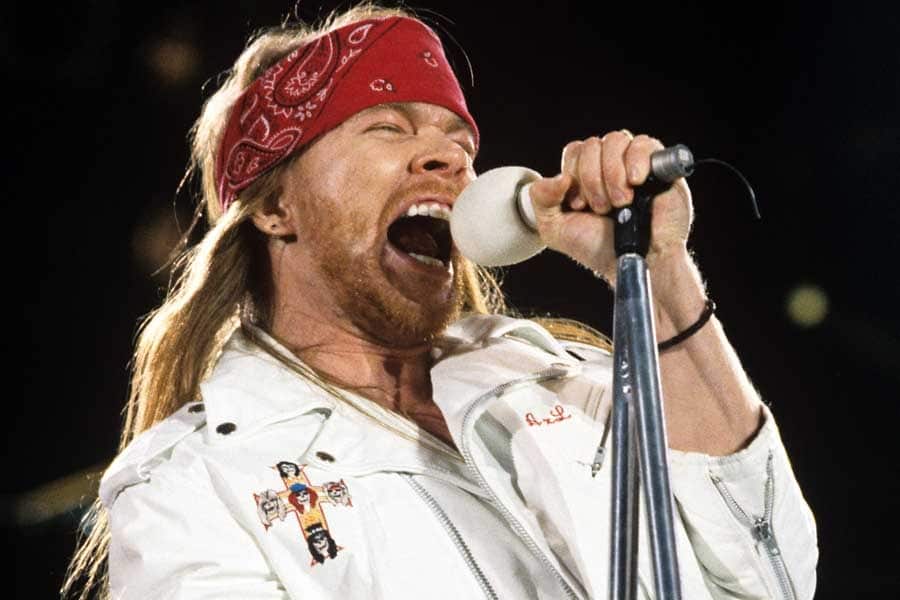
Unleashing a sonic onslaught that transcends time, the “15 Best Heavy Metal Songs of All Time” article delves into the heart of metal’s raw power, showcasing a relentless collection of anthems that have defined the genre. From the thunderous riffs of Black Sabbath’s “Iron Man” to the iconic aggression of Metallica’s “Master of Puppets,” this list is a pilgrimage through the hallowed grounds of heavy metal history.
Each entry is a testament to the genre’s diversity, spanning decades and subgenres, from the classic pioneers to the contemporary trailblazers. The article explores the blistering intensity of Judas Priest’s “Painkiller,” the operatic grandeur of Iron Maiden’s “Hallowed Be Thy Name,” and the rebellious spirit of Slayer’s “Raining Blood.” It celebrates the influential musicianship of guitar legends like Tony Iommi, Dave Mustaine, and Eddie Van Halen, whose contributions echo through the ages.
But this isn’t merely a nostalgic journey; it’s a recognition of heavy metal’s enduring impact on global culture. The article delves into the socio-political undertones, the rebellious ethos, and the virtuosity that defines the genre, asserting its place as a formidable force in the realm of music. As readers traverse this sonic landscape, they’ll be reminded of the unyielding spirit that makes heavy metal an enduring and powerful musical force.
1. Black Sabbath by Black Sabbath
“Black Sabbath” by Black Sabbath is a seminal track that served as the title and opening song for the band’s debut album released in 1970. The song is a masterpiece of early heavy metal, often regarded as one of the genre’s pioneering works. Opening with the ominous tolling of church bells and a haunting thunderstorm, the track sets a dark and foreboding atmosphere that foreshadows the impending sonic onslaught. Tony Iommi’s iconic guitar riff, often referred to as the “Devil’s Interval,” adds an eerie and menacing quality to the composition, becoming a defining element of the emerging heavy metal sound. Ozzy Osbourne’s haunting vocals, singing lyrics inspired by a terrifying experience, contribute to the overall sense of doom and despair.
“Black Sabbath” not only marked the birth of a new musical genre but also established Black Sabbath as trailblazers in the realm of heavy metal. The song’s impact extends beyond its musical influence, as it became a symbol of counterculture and a touchstone for subsequent generations of metal bands. Its dark and brooding atmosphere, coupled with the iconic riff, continues to resonate with audiences, making “Black Sabbath” a timeless classic that encapsulates the essence of early heavy metal and remains a cornerstone of the genre’s history.
2. Iron Man by Black Sabbath
“Iron Man” by Black Sabbath, released in 1971 as a track on their iconic “Paranoid” album, is a quintessential piece of heavy metal history. The song is instantly recognizable by its distinctive guitar riff, courtesy of Tony Iommi, which has become synonymous with the power and impact of heavy metal. The lyrics, penned by Geezer Butler, tell the story of a man who travels through time to witness the apocalypse and tries to warn humanity upon his return. Ozzy Osbourne’s vocals add a haunting and almost desperate quality to the narrative, contributing to the song’s sense of impending doom.
“Iron Man” not only showcases Black Sabbath’s musical prowess but also solidifies their ability to craft narratives that transcend the typical rock song. The song’s powerful and enduring appeal lies in its combination of memorable instrumentation, thought-provoking lyrics, and Osbourne’s emotive delivery. As one of the band’s most enduring classics, “Iron Man” has left an indelible mark on the heavy metal genre, influencing countless musicians and remaining a staple in the playlist of metal enthusiasts worldwide. Its longevity and impact underscore its significance as a timeless anthem that continues to resonate with audiences, cementing its place in the pantheon of heavy metal greatness.
3. Master of Puppets by Metallica
“Master of Puppets” by Metallica, released in 1986 as the title track of their landmark album, stands as one of the defining songs in the thrash metal genre. Clocking in at over eight minutes, the song is a tour de force of musical complexity and intensity. The iconic opening riff, composed by James Hetfield, immediately grabs the listener’s attention, paving the way for a relentless sonic assault driven by Lars Ulrich’s thunderous drumming and Cliff Burton’s intricate bass lines. The lyrics, written by Hetfield, explore themes of control and manipulation, with the metaphor of puppetry underscoring the song’s darker narrative.
“Master of Puppets” is not only a musical masterpiece but also a cultural touchstone for the heavy metal genre. Its intricate structure and powerful instrumentation have made it a staple in Metallica’s live performances, showcasing the band’s technical prowess. The song’s impact extends beyond the metal community, earning critical acclaim and even being preserved in the United States National Recording Registry for its cultural significance. “Master of Puppets” remains a cornerstone of Metallica’s discography and a symbol of the genre’s ability to transcend musical boundaries, leaving an indelible mark on the landscape of heavy metal.
4. Number of the Beast by Iron Maiden
“Iron Maiden’s ‘Number of the Beast,’ released in 1982, is an iconic heavy metal anthem that has become synonymous with the band’s legacy. The song, featuring the powerful vocals of Bruce Dickinson, kicks off with an ominous spoken-word intro, setting the stage for a musical journey that blends galloping guitar riffs, thunderous drumming, and melodic harmonies. Steve Harris’s bass work adds a driving force to the composition, creating a dynamic and unforgettable sonic experience. The lyrics, penned by Harris, explore themes of nightmare and apocalyptic visions, inspired in part by a recurring dream he had.
‘Number of the Beast’ is not only a musical triumph but also a cultural phenomenon that ignited controversy upon its release due to its perceived association with satanic imagery. Despite this, or perhaps because of it, the song propelled Iron Maiden to international fame and remains one of their signature tracks. Its impact extends far beyond the metal genre, influencing generations of musicians and earning its place as a classic in the broader realm of rock music. With its memorable chorus and electrifying instrumentation, ‘Number of the Beast’ continues to captivate audiences and solidify its standing as a quintessential piece of heavy metal history.”
5. War Pigs by Black Sabbath
“War Pigs” by Black Sabbath, released in 1970 as a track on their classic album “Paranoid,” is a powerful and politically charged anthem that has left an indelible mark on the landscape of heavy metal. The song opens with a distinctive bass line by Geezer Butler, leading into a riff by Tony Iommi that sets a tone of impending doom. Ozzy Osbourne’s vocals deliver lyrics that criticize war and its consequences, reflecting the anti-establishment sentiments of the time. The shifts in tempo and intensity throughout the song contribute to its dynamic and impactful nature.
“War Pigs” is a prime example of Black Sabbath’s ability to blend heavy, bluesy riffs with thought-provoking lyrics, creating a musical experience that transcends typical rock conventions. The song’s anti-war message and social commentary resonate with listeners, making it not only a timeless classic within the metal genre but also a piece of music that speaks to broader societal issues. The enduring popularity of “War Pigs” underscores its significance as a defining moment in the early days of heavy metal, showcasing the band’s musical prowess and their willingness to address important themes through their music.
6. Ace of Spades by Motorhead
“Ace of Spades” by Motörhead, released in 1980, is an electrifying and relentless anthem that epitomizes the speed and intensity of the band’s signature style, often referred to as “Lemmy’s roar.” The song is driven by a ferocious and iconic guitar riff played by Fast Eddie Clarke, complemented by Lemmy Kilmister’s gravelly vocals and Phil Taylor’s thunderous drumming. Clocking in at just over two minutes, “Ace of Spades” is a high-octane burst of energy that epitomizes the band’s commitment to a fast-paced, no-nonsense approach to rock and roll.
The lyrics of “Ace of Spades” reflect the reckless and rebellious spirit of Motörhead, celebrating a love for gambling, risk-taking, and the thrill of living on the edge. The song’s infectious energy and unrelenting pace have made it a timeless classic in the realm of heavy metal and hard rock. “Ace of Spades” not only became one of Motörhead’s most recognizable hits but also an anthem for the broader rock and metal community. Its enduring popularity and influence showcase the band’s impact on the genre, solidifying their status as pioneers of the speed metal and punk rock crossover.
7. Paranoid by Black Sabbath
“Paranoid” by Black Sabbath, released in 1970 as the title track of their second studio album, is a groundbreaking and influential piece that helped shape the landscape of heavy metal. Clocking in at just over two minutes, the song is a sonic blitz featuring Tony Iommi’s iconic guitar riff, Geezer Butler’s driving bassline, Bill Ward’s thunderous drumming, and Ozzy Osbourne’s distinctive vocals. The track’s rapid pace and intense energy set a new standard for heavy metal, foreshadowing the genre’s evolution.
The lyrics of “Paranoid” reflect a sense of alienation and anxiety, capturing the zeitgeist of the late 1960s and early 1970s. The song’s direct and relatable themes struck a chord with audiences, propelling Black Sabbath to international fame. “Paranoid” became not only the band’s signature song but also a rallying cry for a generation disenchanted with societal norms. Its impact extends far beyond its initial release, influencing countless bands and establishing Black Sabbath as pioneers of heavy metal. The enduring popularity of “Paranoid” cements its place in the pantheon of rock and metal classics, showcasing its timeless appeal and cultural significance.
8. Run to the Hills by Iron Maiden
“Run to the Hills” by Iron Maiden, released in 1982 as a single from their album “The Number of the Beast,” is a galloping and anthemic heavy metal track that encapsulates the band’s signature sound. The song is propelled by Steve Harris’s distinctive bass lines, complemented by the twin-guitar harmonies of Dave Murray and Adrian Smith. Bruce Dickinson’s powerful vocals narrate a historical tale of conflict between Native Americans and European colonizers, adding a narrative depth to the energetic musical arrangement.
The driving rhythm and memorable guitar melodies of “Run to the Hills” have made it one of Iron Maiden’s most iconic and enduring songs. The track showcases the band’s ability to merge intricate musicality with historical storytelling, a characteristic that has defined their extensive catalog. The chorus, featuring Dickinson’s soaring vocals, has become a sing-along anthem at Iron Maiden concerts, fostering a strong connection between the band and their fanbase. “Run to the Hills” not only played a pivotal role in defining Iron Maiden’s sound but also contributed to the broader appeal and success of heavy metal in the early 1980s, solidifying its place as a classic in the genre’s history.
9. Hallowed Be Thy Name by Iron Maiden
“Hallowed Be Thy Name” by Iron Maiden, released in 1982 as the closing track of their landmark album “The Number of the Beast,” is a magnum opus that exemplifies the band’s musical prowess and storytelling abilities. Clocking in at over seven minutes, the song unfolds with a haunting instrumental introduction before Bruce Dickinson’s vocals take center stage, delivering a gripping narrative. The track weaves a tale of a condemned man facing the inevitability of death, exploring themes of existential reflection and the afterlife.
The musical composition of “Hallowed Be Thy Name” showcases Iron Maiden’s mastery of dynamic shifts and complex arrangements. Steve Harris’s galloping basslines, Adrian Smith and Dave Murray’s intricate guitar work, and the precision of Nicko McBrain’s drumming contribute to the epic nature of the song. Dickinson’s vocal range adds emotional depth, capturing the protagonist’s journey from despair to acceptance. The track’s enduring popularity and critical acclaim highlight its status as one of Iron Maiden’s crowning achievements, frequently cited as one of the greatest heavy metal songs of all time. “Hallowed Be Thy Name” stands as a testament to Iron Maiden’s ability to blend musical complexity with profound storytelling, solidifying their legacy in the annals of heavy metal history.
10. Angel of Death by Slayer
“Angel of Death” by Slayer, released in 1986 as the opening track of their landmark album “Reign in Blood,” is a relentless and intense thrash metal masterpiece that has become synonymous with the band’s aggressive and uncompromising style. The song begins with a chilling guitar riff by Jeff Hanneman, setting the stage for a barrage of rapid-fire drumming from Dave Lombardo and Tom Araya’s fierce vocals. Lyrically, the song delves into the horrors of Nazi physician Josef Mengele’s experiments during World War II, adding a dark and controversial dimension to its intensity.
Clocking in at just under five minutes, “Angel of Death” is a sonic onslaught that showcases Slayer’s technical proficiency and their ability to push the boundaries of the thrash metal genre. The track’s breakneck speed and ferocious guitar solos have made it a defining moment in the band’s discography. Despite its controversial subject matter, “Angel of Death” has earned acclaim for its musical innovation and impact on the thrash metal genre. The song’s enduring influence is evident in its continued presence in Slayer’s live performances and its recognition as a classic in the heavy metal canon, solidifying its place in the history of extreme metal.
11. Painkiller by Judas Priest
“Painkiller” by Judas Priest, released in 1990 as the title track of their twelfth studio album, is a relentless and high-octane heavy metal anthem that exemplifies the band’s resilience and ability to reinvent themselves. The song opens with a drum solo by Scott Travis, leading into a furious onslaught of guitar riffs courtesy of Glenn Tipton and K.K. Downing. Rob Halford’s soaring vocals reach new heights as he delivers a performance that matches the intensity of the instrumentation. The lyrics depict a futuristic, robotic avenger known as the “Painkiller,” adding a sci-fi element to the sonic assault.
Clocking in at over six minutes, “Painkiller” showcases Judas Priest’s mastery of metal dynamics, with its rapid tempo changes, blistering guitar solos, and powerful vocal delivery. The song marked a stylistic shift for the band, embracing a more speed and thrash metal-oriented sound compared to their previous work. “Painkiller” revitalized Judas Priest’s career, earning critical acclaim and solidifying their status as metal legends. The track remains a fan favorite and a staple in the band’s live performances, highlighting its enduring impact on the metal genre and its role in Judas Priest’s storied legacy.
12. Holy Diver by Dio
“Holy Diver” by Dio, released in 1983 as the title track of the band’s debut album, is a classic heavy metal anthem that showcases Ronnie James Dio’s powerful vocals and songwriting prowess. The song opens with a iconic, catchy guitar riff by Vivian Campbell, immediately drawing listeners into its mystical and epic atmosphere. Dio’s distinctive voice, known for its operatic quality, adds a sense of grandeur as he delivers lyrics that explore themes of self-discovery, resilience, and the battle between good and evil.
Clocking in at nearly five minutes, “Holy Diver” is a dynamic and energetic composition that features Tony Iommi’s influence (he co-wrote the song) and showcases the band’s collective musical talent. The track’s memorable chorus and Dio’s vocal acrobatics contribute to its enduring popularity and status as a heavy metal classic. “Holy Diver” not only established Dio as a force to be reckoned with in the post-Black Sabbath era but also became a defining moment in the New Wave of British Heavy Metal (NWOBHM) movement. The song’s legacy is evident in its continued resonance with metal fans and its frequent inclusion in Dio’s live performances, cementing its place as a timeless gem in the metal genre.
13. South of Heaven by Slayer
“South of Heaven” by Slayer, released in 1988 as the title track of their fourth studio album, represents a departure from the breakneck pace of their earlier work, showcasing the band’s ability to explore diverse musical territories within the thrash metal genre. The song opens with a haunting guitar riff, setting a slower and more atmospheric tone compared to their previous aggressive offerings. Tom Araya’s vocals deliver ominous lyrics that touch on apocalyptic themes, adding a sense of foreboding to the overall atmosphere.
Clocking in at just over five minutes, “South of Heaven” is a testament to Slayer’s musical evolution and willingness to experiment with different sounds while maintaining their signature intensity. The deliberate pacing of the song allows for a more intricate exploration of musical textures, demonstrating the band’s maturity and depth. While not as immediately frenetic as some of their earlier hits, “South of Heaven” has earned critical acclaim for its unique approach to thrash metal. The track’s impact is evident in its continued recognition as a standout in Slayer’s discography, showcasing the band’s versatility and their ability to push the boundaries of the thrash metal genre.
14. Breaking the Law by Judas Priest
“Breaking the Law” by Judas Priest, released in 1980 as a single from their album “British Steel,” is an anthemic and rebellious heavy metal classic that has become one of the band’s signature songs. The song is instantly recognizable by its iconic opening guitar riff, played by K.K. Downing and Glenn Tipton, which sets the stage for a high-energy and infectious anthem. Rob Halford’s soaring vocals deliver lyrics that capture the spirit of rebellion and the thrill of breaking societal norms.
Clocking in at just under three minutes and featuring a driving rhythm, “Breaking the Law” is a concise and powerful example of Judas Priest’s ability to craft catchy, yet impactful, metal tunes. The song’s accessible and radio-friendly nature contributed to its commercial success, making it a hit both on the charts and in the hearts of metal fans. The track’s enduring popularity is evident in its continued inclusion in Judas Priest’s live performances and its status as a classic in the metal genre. “Breaking the Law” not only played a pivotal role in defining the sound of the New Wave of British Heavy Metal (NWOBHM) but also solidified Judas Priest’s reputation as one of metal’s most influential and enduring bands.
15. Peace Sells by Megadeth
“Peace Sells” by Megadeth, released in 1986 as the title track of their second studio album, is a politically charged and musically potent thrash metal anthem that helped define the band’s identity. The song opens with a memorable bassline played by Dave Ellefson, setting the stage for a fast-paced and aggressive musical onslaught. Dave Mustaine’s snarling vocals deliver lyrics that critique social and political issues, reflecting the angst and discontent of the time.
Clocking in at over four minutes, “Peace Sells” features dynamic shifts in tempo, intricate guitar solos, and a catchy chorus that contributed to its widespread acclaim. The phrase “What do you mean, ‘I don’t believe in God’? I talk to him every day” became iconic and added to the song’s rebellious spirit. The accompanying music video, featuring imagery of political figures and societal unrest, further emphasized the song’s thematic elements.
“Peace Sells” not only became one of Megadeth’s most well-known and enduring tracks but also a defining moment in the thrash metal genre. Its influence extends beyond music, with the song’s title becoming a catchphrase and emblematic of Megadeth’s outspoken and socially conscious approach. The track’s legacy is evident in its continued relevance, maintaining its status as a classic in the metal canon and a staple in Megadeth’s live performances.

Samuel Moore is a frequent contributor to Singers Room. Since 2005, Singersroom has been the voice of R&B around the world. Connect with us via social media below.