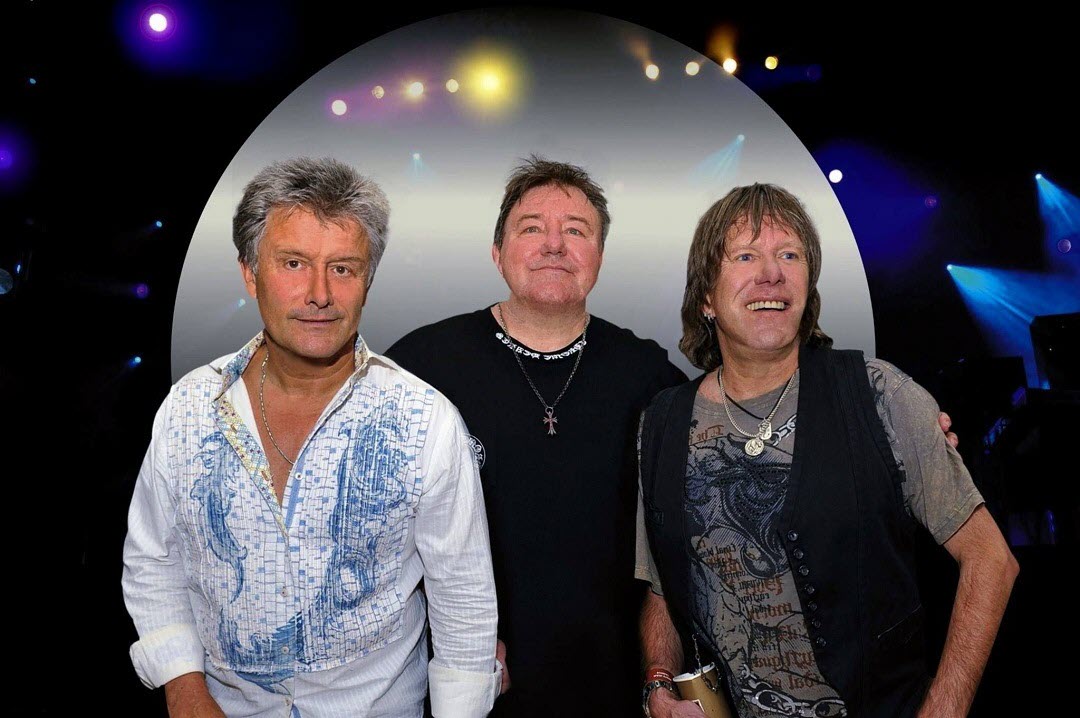
Emerson, Lake & Palmer (ELP) was a progressive rock supergroup formed in England in 1970. Consisting of keyboardist Keith Emerson, bassist/vocalist Greg Lake, and drummer Carl Palmer, ELP pushed the boundaries of rock music with their virtuosic musicianship, ambitious compositions, and innovative use of technology.
Each member of ELP brought a unique skill set to the group. Keith Emerson’s keyboard wizardry, incorporating elements of classical music and jazz, added a grandiose and theatrical element to their sound. Greg Lake’s powerful vocals and melodic bass lines provided a solid foundation, while Carl Palmer’s intricate drumming showcased his technical prowess and precision.
ELP’s music often featured complex arrangements, incorporating elements of classical, jazz, and rock, with extended instrumental passages and intricate interplay between the instruments. They were known for their reinterpretations of classical pieces, such as Mussorgsky’s “Pictures at an Exhibition” and Copland’s “Fanfare for the Common Man,” giving them a progressive rock twist.
Their self-titled debut album, “Emerson, Lake & Palmer,” released in 1970, achieved critical and commercial success, establishing them as pioneers of the progressive rock genre. They followed it up with a string of successful albums, including “Tarkus,” “Trilogy,” and “Brain Salad Surgery,” which showcased their technical prowess and musical experimentation.
ELP’s live performances were renowned for their elaborate stage setups and visually stunning presentations. Keith Emerson’s infamous use of the Moog synthesizer and Hammond organ, often incorporating elaborate props and theatrics, added a unique spectacle to their shows.
Despite their success, ELP disbanded in 1979 but reunited periodically in the following decades for live performances and recordings. Their impact on progressive rock and the fusion of rock and classical music cannot be overstated. They inspired countless musicians and bands with their groundbreaking approach to music and their ambitious compositions.
Emerson, Lake & Palmer’s legacy as one of the most influential progressive rock bands of the 1970s endures, and their music continues to captivate listeners with its technical brilliance, musical complexity, and adventurous spirit.
1. Still…You Turn Me On
"Still…You Turn Me On" by Emerson Lake And Palmer is a captivating song. This track, released in 1973, shows the band's musical talent and their power to move listeners.
The entrancing piano intro grabs your attention, followed by Greg Lake's enchanting vocals. Keith Emerson's masterful keyboard playing adds complexity to the composition. Greg Lake's guitar interludes further the ethereal atmosphere.
What makes this ELP song special is its minimalistic approach. The band proves they can do both grandiose pieces and intimate ballads. The heartfelt lyrics express a longing for a lover who still has control over one's emotions. It's a beautiful classic that fans still connect with – a standout in their discography.
2. Fanfare For The Common Man
Fanfare For The Common Man – a renowned piece created by Emerson Lake And Palmer. It has received great praise for its inspiring orchestration and magical melodies.
Details of this iconic composition include:
- Composition Name: Fanfare For The Common Man
- Album Name: Works Volume 1
- Year Released: 1977
- Duration: 9 minutes and 45 seconds
This beautiful creation illustrates Keith Emerson's mastery of the keyboard, Greg Lake's proficient bass playing, and Carl Palmer's energetic drumming. It demonstrates their ability to join classical influences with progressive rock elements with ease.
An interesting fact about Fanfare For The Common Man is that it was motivated by a speech from the American Vice President Henry A. Wallace during World War II.
(Source: blabbermouth.net)
Emerson, Lake, and Palmer said it best, "'From the Beginning' – their music still stands strong now!"
3. From the Beginning
'From the Beginning' by Emerson Lake and Palmer is a legendary progressive rock hit. It has an enchanting piano intro and stunning vocals. Let's explore its brilliance with this table:
| Song |
|---|
| Band: Emerson Lake and Palmer |
| Genre: Progressive Rock |
| Album: Trilogy |
| Release Date: 1972 |
Keith Emerson's keyboard skills and Greg Lake's vocal range are both showcased. The composition is a mix of intricate harmonies and emotional lyrics, forming a timeless masterpiece.
Did you know? 'From the Beginning' was first written on guitar by Greg Lake during a King Crimson tour. Keith Emerson then reimagined it on piano, adding to its magical feel. This story amplifies the song's uniqueness.
Finally, experience the drum solo from 'Tank' and hear why Emerson Lake and Palmer don't mess about when it comes to percussion.
4. Tank
Text:
Tank is the 4th song on the list of the 10 Best Emerson Lake And Palmer Songs of All Time. It's an instrumental piece that shows off the band's immense talent and technical skill. It has complex time signatures, intricate keyboard solos and intense drumming.
Details about Tank:
| Song | Artist | Year |
|---|---|---|
| Tank | Emerson Lake And Palmer | 1970 |
Tank stands out with its energetic and dynamic nature. The band's virtuosity is clear as they navigate various musical passages with precision and flair. The driving rhythm and captivating melodies make it an exciting experience.
An interesting fact is that Tank was a frequent concert opener by Emerson Lake And Palmer in the 70s. This comes from interviews and documented recordings. Listening to 'The Sage' is like a philosophical journey but with a much catchier soundtrack and no existential crises.
5. The Sage
Few bands have made such a lasting impact as Emerson Lake and Palmer. And one of their masterpieces is "The Sage." The powerful lyrics take you on an introspective journey, while the intricate melodies and complex chord progressions create a unique sonic experience. Listeners are drawn in by Greg Lake's emotive vocals and the multi-layered arrangement that seamlessly flows from ethereal verses to powerful choruses.
To appreciate the song, find a quiet space and let yourself be immersed in its beauty. After experiencing "The Sage," explore more of the band's discography – from progressive rock to classical influences and experimental sounds. You won't get paper cuts, but this music might leave you bleeding with emotions.
6. Paper Blood
In sixth place on our countdown: "Paper Blood". This track displays the musical prowess of Emerson Lake and Palmer with its intricate composition and meaningful lyrics. Let's take a look at the key features of this amazing piece, in a table. Intensity, lyrical depth and instrumental complexity are all highlighted:
| Feature | Detail |
|---|---|
| Intensity | High |
| Lyrical Depth | Profound |
| Instrumental Complexity | Intricate |
Furthermore, "Paper Blood" stands out for its mix of progressive rock elements and thought-provoking themes. Guitar riffs, keyboard solos and drum patterns – all create an immersive listening experience. I remember one live performance of this song. Emerson Lake and Palmer took the stage. And the energy in the room was electric! Everyone was in awe of their impressive skills. It made a lasting impression. "Paper Blood" is a timeless classic that continues to mesmerize fans worldwide. A masterpiece crafted by the iconic trio, Emerson Lake and Palmer. Karn Evil 9 may be a roller coaster ride, but hopefully not like the one stuck upside down at the amusement park!
7. Karn Evil 9
Text: Karn Evil 9 – an iconic composition by Emerson, Lake & Palmer. Let's explore this masterpiece! Here are the key details:
- Album: Brain Salad Surgery
- Released: Nov 1973
- Duration: 29 mins, 36 secs
- Genre: Progressive Rock
It stands out for its bold mix of complex music and thought-provoking lyrics. Keith Emerson's keyboard magic, Greg Lake's vocals and Carl Palmer's drumming take you on an exciting journey.
Behind the scenes, Karn Evil 9 has an interesting history. It's inspired by sci-fi literature, classical music and more. Resulting in an epic piece that's stood the test of time!
Ready to explore strange worlds and epic battles? 'Tarkus' is the song for you. Created by three musicians, it will make your mind explode!
8. Tarkus
Text: Emerson Lake And Palmer's eighth masterpiece, Tarkus, enthralls listeners with its entrancing melodies and intricate compositions. This renowned track exudes the band's incomparable musicianship and innovation, making it one of their most widely cherished works.
Exploring the excellence of Tarkus, let's delve into the numerous elements that make this composition so remarkable:
- Mesmerizing Prologue: The song starts with a bewitching prologue featuring Keith Emerson's dexterous keyboard arpeggios, initiating an epic musical odyssey.
- Dynamic Shifts: Tarkus fluidly moves from forceful guitar-driven passages to calm interludes, displaying the band's ability to form conflicting atmospheres within a single composition.
- Virtuosic Performances: Throughout the track, each member of Emerson Lake And Palmer exhibits their virtuosity on their respective instruments—Emerson on keyboards, Greg Lake on vocals and bass, and Carl Palmer on drums.
- Experimental Soundscape: Tarkus features experimental sounds such as the blaring synthesizers and unique percussion effects that add a modern touch to the entire acoustic backdrop.
Notably, Tarkus stands out not only for its musical brilliance but also for its thought-provoking lyrical themes. The lyrics contemplate societal issues and encourage introspection in listeners.
Pro Tip: To fully experience the enchanting world of Tarkus, attentively listen to each section and appreciate the delicate details crafted by Emerson Lake And Palmer. Let it take you to an otherworldly realm of musical artistry.
9. Lucky Man
"Lucky Man" is a unique blend of folk and progressive rock elements released in 1970 on the debut album of Emerson Lake And Palmer. It features Greg Lake on vocals and acoustic guitar. His songwriting skills are showcased with poignant lyrics and a heartfelt vocal delivery.
The track starts with a hauntingly beautiful acoustic guitar melody. The lyrics tell a tale of contemplation and reflection, exploring mortality and life's uncertainties. The chorus brings a sense of hopefulness.
An interesting fact is that "Lucky Man" was one of the earliest uses of a Moog synthesizer in popular music. Keith Emerson's skillful incorporation of this instrument adds a captivating and futuristic element.
"Lucky Man" is one of the most iconic songs of Emerson Lake And Palmer, showcasing their musical versatility and their ability to create poignant and thought-provoking compositions.
10. Take a Pebble
"10. Take a Pebble" by Emerson Lake And Palmer is a captivating piece that displays their musical and artistic aptitude. Released in 1970, this song from their debut album has progressive rock, jazz and classical parts.
Keith Emerson's piano playing sets the scene. He shifts between delicate melodies and powerful chords. Greg Lake's vocals soar above the music. Carl Palmer's drumming adds depth and intensity.
Let's look at the facts:
| Song | Album | Year |
|---|---|---|
| Take a Pebble | Emerson | 1970 |
"Take a Pebble" is lengthy – over twelve minutes – with various musical sections. It includes classical music influences from Aaron Copland and Béla Bartók. It captures progressive rock, exhibiting their creativity and skill.
Fun Fact: Keith Emerson was inspired by European pebble beaches on the Mediterranean while writing this song.
Emerson Lake And Palmer are trailblazers of progressive rock, making an imprint on the genre through "10. Take a Pebble."

Edward Tomlin is a frequent contributor to Singers Room. Since 2005, Singersroom has been the voice of R&B around the world. Connect with us via social media below.









