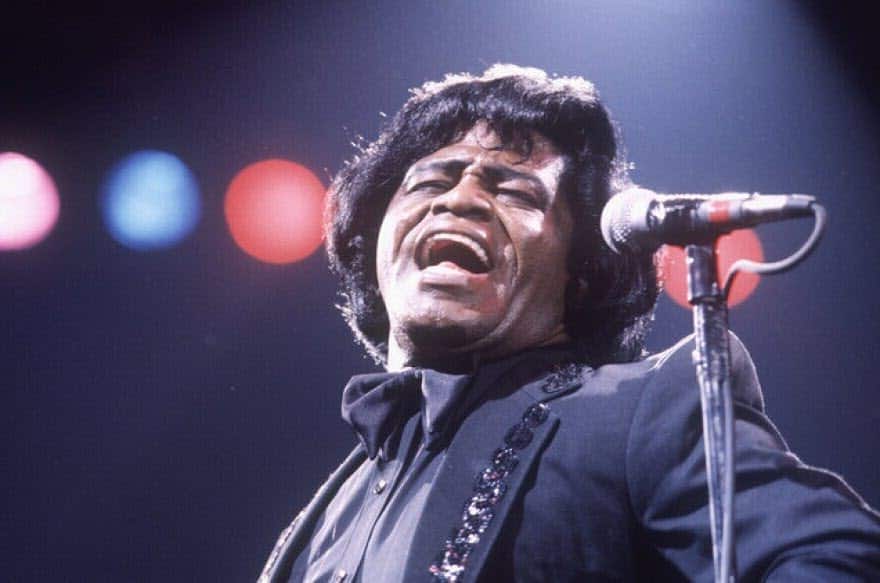
James Brown, often referred to as the “Godfather of Soul,” was an iconic American singer, songwriter, and dancer who left an indelible mark on the world of music. Born on May 3, 1933, in Barnwell, South Carolina, Brown’s innovative style and electrifying performances revolutionized popular music and inspired generations of artists.
James Brown’s music encompassed a variety of genres, including soul, funk, R&B, and gospel. His infectious rhythms, dynamic vocals, and energetic stage presence made him a force to be reckoned with. With songs like “Papa’s Got a Brand New Bag,” “I Got You (I Feel Good),” and “Sex Machine,” Brown delivered an electrifying fusion of soulful vocals and infectious grooves that captivated audiences around the world.
Beyond his musical talents, Brown’s influence extended to his stage presence and showmanship. His elaborate dance moves, including his signature “James Brown Shuffle,” revolutionized live performances and set a new standard for entertainers. Brown’s ability to engage and command his audience created an unmatched connection between artist and listener.
Throughout his career, James Brown received numerous accolades, including inductions into the Rock and Roll Hall of Fame and the Songwriters Hall of Fame. He also earned the distinction of being one of the most sampled artists in the history of popular music, with his rhythmic hooks and vocals being a staple in hip-hop and contemporary music.
Brown’s impact went beyond his musical contributions. As an African American artist, he used his platform to advocate for civil rights and social justice, becoming a prominent figure in the Black community. His song “Say It Loud – I’m Black and I’m Proud” became an anthem for empowerment and cultural pride.
James Brown’s influence on popular music is immeasurable. His soulful voice, dynamic performances, and enduring hits continue to resonate with audiences today. His contributions to the genres of soul and funk, as well as his activism, solidify his place as a true legend in the history of music. James Brown’s legacy as the “Godfather of Soul” lives on, forever influencing and inspiring future generations of artists.
1. Get Up (I Feel Like Being a) Sex Machine
James Brown's 'Get Up (I Feel Like Being a) Sex Machine' stole fans' hearts worldwide. This 1970 release highlighted Brown's signature sound that has been copied by musicians since. Its energy and groove make it a great party starter even today.
"Get up, get on up!" The track's intro invites you to a bold performance. Brown's presence on stage was as unforgettable as his recordings.
When Brown released this track, he combined gospel, blues and R&B elements to create an iconic beat that still inspires DJs and artists. He earned the title of "Godfather of Soul" due to his music connecting with people from all walks of life.
If you haven't heard 'Get Up (I Feel Like Being a) Sex Machine' yet, don't miss out! Press play and let the rhythm take over your senses. Get your dancing shoes ready – 'Cold Sweat' will make you sweat like a sinner in church.
2. Cold Sweat
James Brown's 'Cold Sweat' is a timeless classic that has withstood the test of time. It's noted for its energizing beat, funky groove, and dynamic vocals that perfectly capture the essence of soul and funk music.
As the second best James Brown song ever, 'Cold Sweat' demonstrates his knack for connecting with his audience through music. It starts with an enticing bassline that sets the tone for the rest of the track. Then, it builds up with drum fills and guitar riffs until it reaches its climax with Brown's powerful rhythm and blues vocals.
What makes 'Cold Sweat' so special is its distinctive composition. It features an atypical song structure, with different sections following each other rapidly. This method adds suspense and excitement to the song, making it still sound fresh even after all these years.
To truly appreciate this classic, listen to it attentively and focus on how the instruments interact with each other. The horns section creates an energetic atmosphere that complements Brown's vocals perfectly. Also, take note of how each section easily transitions to the next without it feeling awkward or forced.
In conclusion, if you're looking to experience James Brown's musical genius, 'Cold Sweat' is a must-listen track. It will leave you enthralled with its contagious energy and groove. No matter if you're a fan of soul or funk music, this vintage jam will make you dance to its beats.
3. I Got the Feelin’
James Brown's 'I Got the Feelin' is one of his legendary songs from 1968. It became an instant success with its irresistible beat and Brown's soulful voice. His improvisational skills added to the excitement, making the audience dance to the rhythm.
This track encourages listeners to let go of their feelings through dancing. Brown sings about music's power to make us feel alive and energetic, making us move to the beat. It is a mix of funk, soul and R&B – a perfect representation of James Brown's music.
What makes this song so special is the hard work of the talented musicians. From Clyde Stubblefield's drumming to Maceo Parker's saxophone – each one gave something unique to the song.
Fun Fact: 'I Got the Feelin' peaked at number 6 on the Billboard Hot 100 chart in 1968. James Brown said it best: "It's a man's world, but it wouldn't mean nothing without his amazing music!"
4. It’s a Man’s Man’s Man’s World
Iconic James Brown song, "It's a Man's Man's Man's World", is a reminder of gender disparity. Its soulful sound carries the essence of an era where men were in control, leaving women struggling for survival. Even now, its message is still significant – that a man's world makes it hard for women to thrive. It has inspired many artists and activists to advocate for gender equality.
"It's a Man's Man's Man's World" is a powerful mix of raw vocals and punchy beats. It conveys a universal message, of pain and of hope. It has made a lasting impression on popular music history.
The song also hints at Black Power politics. Its lyrics hide a message about systemic racism and Black people's resistance against oppression. It represents musical genius and political commentary.
James Brown is one of the greatest musical innovators of his era. "Papa's Got a Brand New Bag", and it's filled with funky beats that will make even the most rhythmically challenged person want to bust a move. "It's a Man's Man's Man's World" shows his ability to blend funk music with social commentary that is still relevant today.
5. Papa’s Got a Brand New Bag
Papa's Got a Brand New Bag – a classic that never ages! James Brown's musical genius is obvious in this mix of funk, soul and R&B. An energetic beat and catchy rhythm make it an irresistible party starter.
This fifth hit of James Brown's is the forefather to modern genres like hip-hop and pop. With its catchy tune, it's no wonder it's a favorite of all ages.
The lyrics are just as special. They encourage breaking away from societal norms and celebrating individuality. Released at a time when African Americans were fighting for civil rights, its message is even more powerful.
Fun fact: 'Papa's Got a Brand New Bag' was originally an instrumental track. James Brown added the lyrics inspired by his own stage moves and new clothes. It became his first top ten hit on the US pop charts and gave him a surge of fame.
6. I Got You (I Feel Good)
A funk classic, 'I Got You (I Feel Good)' came out in 1964! It has an electric rhythm and horns with James Brown's soulful vocals. The lyrics say "Soooo good!" Rolling Stone put it on their 500 Greatest Songs of All Time list for a reason.
James Brown wrote this song to show people how to be positive. He was fired from a gig at a club and came up with the melody in the middle of the night. You can hear the famous opening line, "Wo! I feel good" in many films, commercials, and other media.
Ready to feel good? Put on 'I Got You (I Feel Good)'. Dance or sing – it's the perfect way to perk up your day. Go ahead, let loose – no one can blame you for feeling so good! If you're not dancing like Rocky in the ring to 'Living In America', then you're not truly living.
7. Living In America
Living in America, a song by James Brown, came out in 1985. It begins with a trumpet blast and Brown's electrifying voice and beats. It was an instant hit, reaching the top 10 charts. The lyrics are patriotic and celebrate the American dream.
Brown sings of how living in America gives everyone chances. He talks about freedom, rock 'n' roll, and Coca-Cola. Many think this song mirrors Brown's journey, overcoming racial inequality.
The energizing rhythm of Living in America is heard at sports events, such as Olympic Games, Super Bowl Halftimes, and wrestling matches. Even though it didn't get an Oscar, it's one of Brown's famous songs.
To get the most out of it, try playing it loud with dancing to its groovy rhythm. Even the toughest can't resist grooving to Super Bad by James Brown.
8. Super Bad
Super Bad by James Brown is an iconic song. It oozes his signature funk sound and rhythm. Featuring a powerful brass section, groovy bassline, and electrifying vocals by Brown, the track became an instant hit in 1970.
The Maceo horns, featuring Maceo Parker, Fred Wesley, and others, provide the funky beat. Brown's ad-libs enhance the energy. The instrumentation is flawless.
What makes Super Bad unique is its rawness and primal energy. It celebrates Black music with influences from gospel, blues, soul, and jazz. It's still fresh after fifty years.
To explore James Brown's discography, check out 'Live at The Apollo' and 'Star Time'. These albums show his talent and musical journey. He also used his platform for social activism – 'Say It Loud – I'm Black and I'm Proud' proves this.
9. Say It Loud – I’m Black and I’m Proud
James Brown's iconic song 'Say It Loud – I'm Black and I'm Proud' transcends the generations. Released in 1968, it instantly became a symbol of black power, confidence, and identity during a time of racial struggle in America. This soulful masterpiece captures the essence of freedom and self-expression with its powerful message that uplifted marginalized people worldwide. The song has remained relevant throughout various movements, reminding us to embrace our identity amidst adversity. Brown's voice shines through his lyrics and instrumental composition, making it one of the most unforgettable songs of all time.
This song stands out for several reasons. Its empowering lyrics and catchy tune have become synonymous with revolution and breaking free from systemic oppression. It became the new mantra for the civil rights movement, giving hope to millions who fought for change and equality. Through his soulful delivery, Brown urged African Americans to embrace their blackness unapologetically – encouraging pride in their heritage and culture.
'Say It Loud' has inspired generations beyond its initial release, such as hip hop legends Public Enemy, whose song 'Fight The Power' mimics Brown's rallying call against injustice and discrimination.
What makes this song unique is how deeply personal yet relatable it is today; it speaks to people who have struggled against racism or preconceived notions about themselves. Its impact can be seen in various forms – from activism on the streets to changing perceptions about race relations through art.
The story behind this iconic song goes back almost sixty years when James Brown paid tribute to a friend who had coined the phrase 'Say It Loud – I'm Black and I'm Proud.' That simple phrase transformed into an enduring legacy that remains relevant today- an anthem that signifies and celebrates Black excellence.
10. Please, Please, Please
Please, Please, Please! An R&B classic by the Godfather of Soul himself, James Brown. Released in 1956, it was his first chart-topping hit and his debut single. It made him known as one of the most electrifying performers ever.
The song had passionate and emotive vocals. With horns, a steady bassline, it had the raw energy that James Brown became famous for.
It was still a crowd-pleaser at live shows even decades later. It also paved the way for future African-American artists. It had stripped-down instrumentation and focused on vocal performance.
There's a story about the recording session. At first, James was hesitant to play it. It had already flopped under another band leader. But it became a smash-hit. Its lasting power and popularity over half a century later shows it.

Edward Tomlin is a frequent contributor to Singers Room. Since 2005, Singersroom has been the voice of R&B around the world. Connect with us via social media below.









