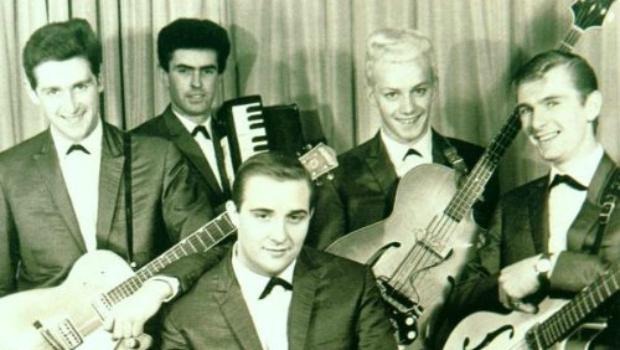
The Tornados were an English instrumental group formed in the early 1960s. The group is best known for their hit single “Telstar,” which was the first British song to reach No. 1 on the US Billboard Hot 100 chart. The song was composed by the Tornados’ keyboard player, Joe Meek, who was a pioneer of experimental recording techniques and is regarded as one of the most influential producers in the history of British rock and roll.
The Tornados’ music is characterized by their use of electronic and experimental sounds, which were groundbreaking at the time. Their other notable songs include “Robot,” “Globetrotter,” and “Do You Come Here Often?” Although the band was short-lived, disbanding in 1967, their impact on the development of rock and roll cannot be underestimated. Their unique sound and Meek’s innovative production techniques have influenced countless artists in the decades since their heyday. The Tornados have been recognized with induction into the Rock and Roll Hall of Fame’s list of the 500 Songs That Shaped Rock and Roll, and their music continues to inspire new generations of musicians.
1. Telstar
“Telstar” is a classic instrumental rock song that was released in 1962 by the British band The Tornados. It is one of the best-known instrumental songs of all time, and was the first song by a British group to reach number one on the US Billboard Hot 100 chart. The song features a distinctive sound created by the use of a clavioline, an early electronic keyboard instrument. “Telstar” was named after the Telstar satellite, which had been launched into orbit just a few months before the song’s release. The song’s futuristic sound and theme helped make it an instant hit and cemented The Tornados’ place in music history.
2. Globetrotter
“The Globetrotter” is a lively instrumental track by the British rock group, The Tornados. It was released in 1963 and features the signature sound of the group’s unique blend of rock and roll, pop, and space-age elements. The track is driven by a catchy rhythm guitar riff, a propulsive drum beat, and features a distinctive lead melody played on an electronic clavioline. The song captures the spirit of adventure and excitement associated with travel and exploration, and its upbeat and infectious melody has made it a popular and enduring classic in the instrumental rock genre.
3. Robot
“Robot” is a 1963 instrumental hit by the British band The Tornados. The song is known for its futuristic and electronic sound, which was achieved through the use of early synthesizers and electronic effects. The driving beat and repetitive melody evoke images of a robotic dance, fitting the song’s title. “Robot” was one of the first chart-topping hits to feature a prominent electronic sound, and its success helped pave the way for the rise of electronic music in the following decades. The Tornados’ pioneering use of electronic instruments and effects made “Robot” a landmark in the history of popular music.
4. Red Rocket
“Red Rocket” is an instrumental song by The Tornados, released in 1962. The song features an infectious rhythm and catchy melody, with twangy guitar riffs and a lively drumbeat. It showcases the band’s signature sound of blending surf rock with sci-fi and space-age elements, making it a classic example of the “Space Age Pop” genre. “Red Rocket” has been covered by various artists and continues to be a popular instrumental track for its fun and energetic vibe. The Tornados’ unique sound and influence on the development of rock and roll make them an important part of music history.
5. Jungle Fever
“Jungle Fever” is a 1962 instrumental track by the British group The Tornados. It is known for its distinctive use of African drum rhythms and jungle sounds, including animal noises and bird calls. The track’s energetic beat and catchy melody made it a hit both in the UK and internationally, reaching the top 10 in several countries. “Jungle Fever” has been widely covered and sampled in various genres over the years, including hip hop and electronic dance music. Its use in film and television has also contributed to its enduring popularity, making it a classic example of early 1960s instrumental pop.
6. Love and Fury
“Love and Fury” by The Tornados is a classic instrumental rock tune that is characterized by its dynamic rhythm, aggressive drumming, and piercing saxophone solos. The song was a hit in the UK in 1962 and was later covered by The Ventures and The Stranglers. The Tornados were known for their innovative use of electronic sound effects, and “Love and Fury” is no exception, featuring an electrifying guitar riff and a pulsing organ accompaniment. The track’s driving energy and frenetic pace make it a standout in the early days of British rock and roll.
7. The Ice Cream Man
“The Ice Cream Man” is an instrumental rock tune by The Tornados. The song was released as a single in 1963, a year after their biggest hit “Telstar”. “The Ice Cream Man” features a catchy melody and upbeat rhythm that captures the carefree spirit of the 1960s. The song is characterized by its bright and lively guitar riffs, energetic drumming, and playful use of percussion instruments, including a tambourine, cowbell, and claves. Despite not achieving the same level of commercial success as their previous hit, “The Ice Cream Man” remains a fan favorite and an iconic track from The Tornados’ catalog.
8. Hot Pot
“Hot Pot” is an instrumental track by the British band The Tornados, known for their pioneering work in the early 1960s that helped shape the surf music genre. The track features a prominent saxophone melody that is driven by a driving rock and roll beat, complete with catchy guitar riffs and a lively organ accompaniment. The song has a catchy, energetic vibe that perfectly captures the youthful spirit of the era, and it remains a classic of the surf rock genre. “Hot Pot” has been covered by numerous artists over the years and continues to be a favorite of fans of instrumental rock music.
9. Early Bird
“Early Bird” is an instrumental track by the British band The Tornados, released in 1965. The song was composed by the band’s keyboardist and bassist, Roger LaVern, and features his distinct organ sound. The upbeat and energetic tune is driven by a prominent drumbeat and features a catchy melody played by the organ, backed by the band’s guitar, bass, and saxophone. The song showcases the band’s signature surf rock sound, with its twangy guitar riffs and upbeat tempo. “Early Bird” was a moderate hit for the band, reaching the top 30 on the UK Singles Chart.
10. Life on Venus
“Life on Venus” is a psychedelic and dreamy instrumental piece by The Tornados, released in 1964. It features a distinctive and futuristic sound, with swirling synths and prominent use of reverb and echo effects. The song was composed by the band’s guitarist and keyboardist, George Bellamy, and showcases the group’s innovative and experimental approach to pop music. “Life on Venus” was not as commercially successful as the band’s most famous hit, “Telstar”, but it remains a favorite among fans and critics for its haunting and otherworldly atmosphere. The track is a testament to The Tornados’ unique and imaginative sound, which has made them an enduring influence on the development of electronic and experimental music.

Edward Tomlin is a frequent contributor to Singers Room. Since 2005, Singersroom has been the voice of R&B around the world. Connect with us via social media below.