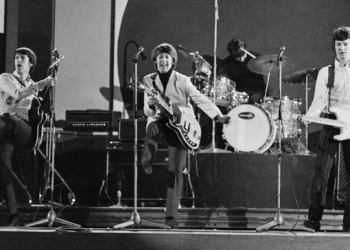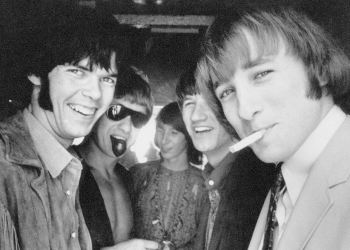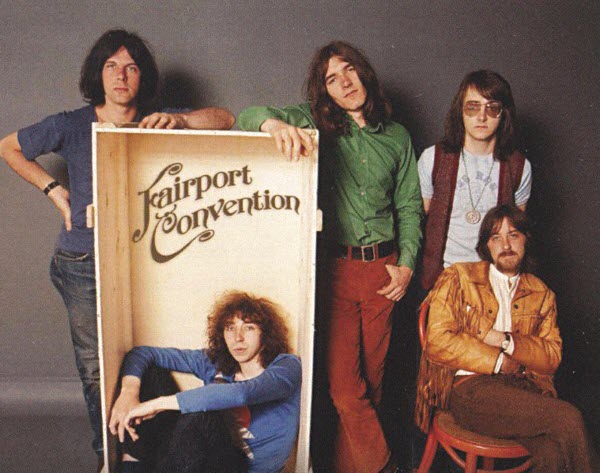
Fairport Convention is a British folk rock band that emerged in the late 1960s. Known for their unique blend of traditional folk music and rock, the band has become one of the most influential acts in the folk rock genre. Over the years, they have released numerous albums and created an impressive body of work that has inspired many musicians. Fairport Convention’s music is characterized by rich harmonies, intricate guitar work, and compelling storytelling. Their songs often feature themes of love, loss, and nature, drawing on traditional folk ballads while incorporating modern instrumentation and arrangements. With such a vast and varied catalog, it can be difficult to narrow down the best Fairport Convention songs. However, there are certain tracks that have stood the test of time and remain fan favorites. From the powerful vocals of “Who Knows Where the Time Goes” to the foot-stomping energy of “Meet on the Ledge,” Fairport Convention has created a legacy of unforgettable songs. In this list of the best Fairport Convention songs of all time, we’ll take a look at ten tracks that showcase the band’s incredible range and enduring appeal. These songs have captured the hearts of fans around the world and continue to inspire new generations of folk rock enthusiasts.
1. Matty Groves
“Matty Groves” is a traditional English folk ballad that has been performed and recorded by numerous artists over the years, including the legendary folk-rock band Fairport Convention.
The song tells the story of an affair between the titular Matty Groves and a woman named Lady Barnard, who is married to a jealous and violent lord. When Lord Barnard discovers the affair, he challenges Matty to a duel and kills him, while Lady Barnard is forced to watch.
The song’s lyrics are vivid and dramatic, with a narrative structure that builds tension and suspense as the story unfolds. The melody is haunting and memorable, with a mix of minor and major chords that create a sense of emotional complexity and ambiguity.
Fairport Convention’s version of “Matty Groves” is widely regarded as one of the definitive recordings of the song. Featuring a powerful vocal performance from lead singer Sandy Denny and virtuosic instrumental work from the band’s other members, the song showcases the band’s unique ability to blend traditional folk music with rock and roll energy and attitude.
Overall, “Matty Groves” is a classic of the folk tradition, with a timeless story and unforgettable melody that continue to resonate with listeners today. Fairport Convention’s recording of the song remains a landmark achievement in the genre, and a testament to the enduring power of traditional music.
2. Fotheringay
“Fotheringay” is a song by the British folk rock band of the same name, formed in the late 1960s by singer Sandy Denny and her then-boyfriend, guitarist Trevor Lucas. The song was included on the band’s self-titled debut album, which was released in 1970.
The song features Denny’s distinctive vocals and Lucas’ intricate guitar work, creating a haunting and atmospheric sound that is characteristic of the band’s style. The lyrics of “Fotheringay” tell the story of Mary, Queen of Scots, who was imprisoned in the Fotheringay Castle in England in the 16th century.
The song’s melody is mournful and melancholic, with a haunting quality that underscores the tragedy of Mary’s story. The instrumentation is spare and understated, with acoustic guitar and subtle percussion providing a backdrop for Denny’s vocals.
Overall, “Fotheringay” is a powerful and moving song that showcases the talents of Sandy Denny and Trevor Lucas, as well as the band’s ability to blend traditional folk music with rock and roll energy and attitude. Its haunting melody and emotional resonance continue to captivate listeners today, making it a classic of the British folk rock genre.
3. Who Knows Where the Time Goes
“Who Knows Where the Time Goes” is a song written by the British singer-songwriter Sandy Denny, who is best known for her work with the folk rock band Fairport Convention. The song was originally released on Denny’s 1967 debut solo album, “The North Star Grassman and the Ravens,” and has since become one of her most beloved compositions.
The lyrics of “Who Knows Where the Time Goes” are reflective and introspective, exploring the passage of time and the fleeting nature of life. Denny’s emotive vocals are accompanied by sparse acoustic guitar and subtle orchestration, creating a melancholic and wistful mood.
The song’s melody is haunting and beautiful, with a sense of timelessness that captures the essence of the song’s themes. The arrangement is understated and elegant, allowing Denny’s voice to take center stage and convey the depth of emotion inherent in the lyrics.
Over the years, “Who Knows Where the Time Goes” has been covered by numerous artists, including Judy Collins, Eva Cassidy, and Nina Simone. Its enduring popularity is a testament to the song’s timeless beauty and universal appeal, as well as Sandy Denny’s lasting legacy as one of the greatest singer-songwriters of her generation.
4. Sloth
“Sloth” is a song by the British progressive rock band Genesis, released on their 1973 album “Selling England by the Pound.” The song is notable for its slow and atmospheric sound, which is in stark contrast to the band’s more energetic and complex compositions.
The lyrics of “Sloth” are introspective and philosophical, exploring themes of time, mortality, and the human condition. The song’s somber mood is enhanced by the use of mellotron, which creates a haunting and ethereal sound that perfectly complements the lyrics.
The song’s structure is unusual, with an extended instrumental section in the middle that showcases the band’s virtuosity and musical creativity. This section features a slow and intricate guitar solo by Steve Hackett, as well as a melodic and atmospheric keyboard part by Tony Banks.
Overall, “Sloth” is a powerful and thought-provoking song that showcases the depth and range of Genesis’ musical abilities. Its haunting sound and introspective lyrics continue to resonate with listeners today, making it a classic of the progressive rock genre.
5. Genesis Hall
“Genesis Hall” is a song by the British folk rock band Fairport Convention, released on their 1969 album “Unhalfbricking.” The song was written by the band’s lead vocalist Sandy Denny and is regarded as one of her most poignant and emotive compositions.
The lyrics of “Genesis Hall” are a commentary on the 1960s counterculture movement and its clash with traditional values and authority. The song’s protagonist is a young girl who is forced to leave her home after the police break up a party. The song explores the themes of freedom, rebellion, and the price of nonconformity.
Musically, “Genesis Hall” is a beautiful and understated composition that highlights Denny’s vocal abilities and the band’s folk rock sound. The song features acoustic guitar and gentle piano, with Denny’s vocals providing the emotional center of the song.
Despite its simple arrangement, “Genesis Hall” is a powerful and thought-provoking song that continues to resonate with listeners today. Its themes of social justice and individual freedom remain relevant, and Denny’s beautiful and emotive vocals make it a classic of the British folk rock genre.
6. Meet on the Ledge
“Meet on the Ledge” is a song by the British folk rock band Fairport Convention, released on their 1969 album “What We Did on Our Holidays.” The song was written by the band’s lead guitarist Richard Thompson and has become one of their most beloved and enduring compositions.
The lyrics of “Meet on the Ledge” are introspective and melancholic, exploring themes of love, loss, and the passage of time. The song’s title refers to the idea of meeting with loved ones after death, and the lyrics reflect on the impermanence of life and the longing for connection and reunion.
Musically, “Meet on the Ledge” is a beautiful and haunting song that features acoustic guitar, electric guitar, and gentle percussion. The song’s chorus is particularly memorable, with soaring harmonies and a sense of hope and redemption.
Over the years, “Meet on the Ledge” has become a classic of the British folk rock genre and a beloved song among Fairport Convention fans. Its introspective lyrics and beautiful melody continue to resonate with listeners today, making it a timeless piece of music that speaks to the human experience.
7. A Sailor’s Life
“A Sailor’s Life” is a song by the British folk rock band Fairport Convention, released on their 1969 album “Unhalfbricking.” The song is a traditional English folk ballad that was rearranged and adapted by the band, and has become one of their most iconic and influential compositions.
The lyrics of “A Sailor’s Life” tell the story of a young sailor who falls in love with a beautiful woman but is ultimately forced to leave her and return to sea. The song explores themes of love, loss, and the hardships of a sailor’s life, and is notable for its vivid imagery and emotive storytelling.
Musically, “A Sailor’s Life” is a groundbreaking composition that fuses traditional English folk music with rock instrumentation and improvisation. The song features a driving rhythm section, soaring electric guitar solos, and Sandy Denny’s haunting vocals, which provide a sense of urgency and emotion to the song.
“A Sailor’s Life” has become an influential song in the British folk rock genre, with its fusion of traditional folk music and rock instrumentation inspiring a generation of musicians. Its emotive storytelling and innovative musical arrangement make it a classic of the genre and a beloved song among Fairport Convention fans.
8. Tam Lin
“Tam Lin” is a traditional Scottish folk ballad that has been covered by many artists over the years, including the British folk rock band Fairport Convention. Their version of the song, released on their 1969 album “Liege and Lief,” has become one of the band’s most iconic and enduring compositions.
The lyrics of “Tam Lin” tell the story of a young woman named Janet who falls in love with a man named Tam Lin. Tam Lin reveals that he is a prisoner of the Fairy Queen and will be sacrificed unless he can be saved by a mortal woman. Janet vows to save him, and through a series of magical transformations, ultimately manages to rescue him from the Fairy Queen’s grasp.
Musically, Fairport Convention’s version of “Tam Lin” is a masterful arrangement that blends traditional Scottish folk music with rock instrumentation and improvisation. The song features a haunting melody, intricate guitar work, and Sandy Denny’s powerful vocals, which convey the passion and urgency of the lyrics.
“Tam Lin” has become a beloved song in the British folk rock genre, with its blend of traditional folk music and rock instrumentation inspiring generations of musicians. Its evocative storytelling, innovative musical arrangement, and haunting melody make it a timeless piece of music that continues to captivate and inspire listeners today.
9. Crazy Man Michael
“Crazy Man Michael” is a traditional English folk song that was popularized by the British folk rock band Fairport Convention in the late 1960s. The song tells the story of a young man named Michael who descends into madness after his true love dies. The lyrics paint a vivid picture of Michael’s descent into madness, with haunting imagery and a sense of tragic inevitability.
Fairport Convention’s version of “Crazy Man Michael” features the powerful vocals of Sandy Denny, who delivers the lyrics with a haunting intensity that perfectly captures the song’s melancholic mood. The instrumentation is sparse and atmospheric, with acoustic guitar, violin, and mandolin weaving a delicate tapestry of sound that perfectly complements the song’s tragic theme.
The song has become a classic of the British folk rock genre, and is considered one of Fairport Convention’s finest compositions. Its haunting melody, powerful lyrics, and evocative storytelling continue to captivate and inspire listeners today. “Crazy Man Michael” is a testament to the enduring power of traditional folk music, and to the creative vision of the artists who have brought it to life over the years.
10. She Moves through the Fair
https://youtu.be/7n1dZC9k2A4
“She Moves Through the Fair” is a traditional Irish folk song that tells the story of a young man who is haunted by the memory of his lost love. The lyrics are deeply poetic, with vivid imagery and a sense of longing and loss that is both haunting and beautiful.
The song has been covered by many artists over the years, but perhaps the most famous version is the one recorded by British folk singer and guitarist Bert Jansch in 1966. Jansch’s version is sparse and haunting, with his delicate guitar work providing the perfect backdrop for the song’s haunting lyrics.
One of the most striking aspects of “She Moves Through the Fair” is the use of supernatural imagery, with the young man encountering his lost love as she moves through the misty fields, surrounded by ghostly figures and eerie lights. The sense of otherworldliness that pervades the song is both captivating and unsettling, adding to the overall sense of mystery and longing.
Over the years, “She Moves Through the Fair” has become a classic of the Irish folk tradition, and is widely regarded as one of the most beautiful and haunting songs in the genre. Its timeless melody, evocative lyrics, and haunting imagery continue to inspire and move listeners today.

Jared Parker is a frequent contributor to Singers Room. Since 2005, Singersroom has been the voice of R&B around the world. Connect with us via social media below.