
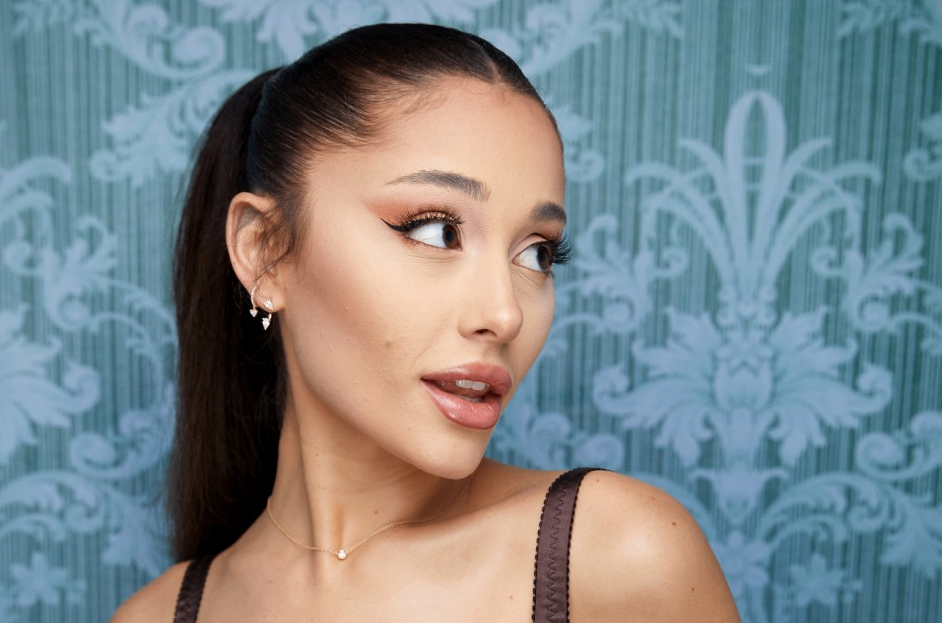
Few modern pop artists have transformed their voice, image, and musical identity as dramatically as Ariana Grande. From dazzling vocal showcases to intimate reflections on grief, romance, independence, and personal reinvention, her catalog captures nearly every shade of contemporary pop. She can float above a minimalist rhythm, dominate an explosive dance production, or turn an intensely private experience into a universal anthem. The following songs represent the records that have traveled farthest beyond her devoted fan base, earning enormous streaming totals, inspiring cultural moments, and helping define distinct chapters of her career. Each reveals a different reason Ariana Grande became a defining voice of her generation.
1. 7 rings
Released in 2019, 7 rings captures Ariana Grande at her most extravagant, playful, and commercially unstoppable. The song transforms the familiar melody of My Favorite Things into a sleek trap pop celebration of friendship, financial independence, and unapologetic indulgence. Rather than treating luxury as something bestowed upon her by a romantic partner, Grande presents wealth as a reward she can enjoy and share on her own terms. That distinction gives the record a modern sense of empowerment beneath its deliberately excessive surface.
The production is remarkably economical. Icy keyboard notes, deep bass, clipped percussion, and spacious vocal arrangements leave plenty of room for Grande to shift between singing, rhythmic phrasing, and near rapping. Her delivery feels conversational yet meticulously controlled. Even when the lyrics lean into fantasy, she sounds relaxed enough to make the lifestyle seem almost ordinary.
The pink saturated music video expanded the song into a complete visual universe. Grande and her friends occupy a luxurious nocturnal mansion filled with diamonds, champagne, graffiti, dramatic lighting, and carefully coordinated fashion. Its imagery became instantly recognizable, while the central refrain spread through social media, captions, memes, and everyday conversation.
What makes 7 rings especially significant is its fusion of several sides of Grande's musical identity. It combines theatrical melody, contemporary hip hop influence, layered harmonies, and pop precision without sounding like a forced crossover. The result is both a boastful anthem and a portrait of companionship. Its enormous global reach confirmed that Grande was no longer simply participating in popular culture. She was actively shaping its language, style, and sound.
2. thank u, next
thank u, next turned a phrase of emotional closure into one of the defining pop expressions of the late 2010s. Released in 2018, the song arrived during a period when Ariana Grande's personal life was being examined with extraordinary intensity. Instead of answering that attention with bitterness or theatrical revenge, she offered something far more compelling: gratitude, perspective, and a recognition that painful relationships can still produce meaningful growth.
The song's power comes from its calmness. Its production uses a gentle rhythm, warm bass, soft keyboard colors, and understated vocal layers. Grande rarely pushes her voice toward the spectacular high notes associated with her earlier singles. She sings as though she is processing the story in real time, allowing small changes in tone to carry the emotional weight. The famous refrain is memorable because it feels natural enough to be spoken and melodic enough to remain lodged in the listener's mind.
Grande names former partners within the lyrics, but the song never becomes a piece of celebrity gossip. Each relationship represents a lesson in love, patience, pain, or self understanding. The true revelation arrives when she redirects romantic devotion inward and recognizes herself as a source of strength.
The music video amplified the record's cultural impact through affectionate recreations of Mean Girls , Bring It On , 13 Going on 30 , and Legally Blonde . Those references transformed personal reflection into a communal celebration of friendship, nostalgia, and feminine confidence. thank u, next remains exceptional because it made maturity feel catchy. It demonstrated that moving forward does not require erasing the past. Sometimes growth begins by appreciating what happened, accepting what ended, and choosing oneself.
3. Side to Side
With its rolling reggae pop rhythm and unmistakably suggestive premise, Side to Side became one of Ariana Grande's most durable international hits. Released as a single from Dangerous Woman , the song pairs Grande with Nicki Minaj, creating a collaboration that balances melodic sweetness with comic confidence and adult sensuality.
The production moves with an easy tropical pulse. Guitar accents, crisp percussion, bass, and electronic details establish a breezy atmosphere, but the arrangement is more sophisticated than its relaxed surface suggests. Each element is carefully spaced so that Grande's voice remains bright and prominent. Her verses possess a teasing restraint, while the chorus opens into the kind of instantly repeatable hook designed for radio, clubs, and live audiences.
Nicki Minaj enters with a verse that changes the energy without interrupting the song's momentum. Her distinctive cadences add wit and swagger, providing an effective contrast to Grande's smooth vocal phrasing. Their chemistry is central to the recording. Neither artist sounds like a decorative guest in the other's world. Instead, they meet within a shared space built around charisma, humor, and control.
The exercise themed video became inseparable from the song's success. Stationary bicycles, stylized locker rooms, athletic choreography, and saturated lighting convert physical exhaustion into flirtatious visual comedy. The concept is memorable because it communicates the song's meaning without abandoning the polished glamour expected from a major pop production.
Beyond its playful presentation, Side to Side marked an important stage in Grande's artistic maturation. She handled adult subject matter with confidence while preserving the vocal elegance and pop accessibility that had built her audience. Years after its release, the opening rhythm remains instantly identifiable, proving how successfully the song joined provocative storytelling with immaculate mainstream craftsmanship.
4. Problem
Problem was the explosive 2014 single that announced Ariana Grande's arrival as a dominant global pop performer. Featuring Iggy Azalea, the track combines brass driven production, pounding drums, whispered vocals, and an enormous chorus. It is intentionally crowded with hooks, yet every element lands with impressive clarity.
The opening saxophone figure immediately establishes the record's identity. Rather than functioning as a decorative flourish, the brass becomes a rhythmic engine that returns throughout the arrangement. Grande enters with nimble phrasing and a vocal tone that sounds both youthful and commanding. She moves quickly from tightly controlled verses into a chorus designed for maximum release. The contrast between her soaring lead vocal and the whispered response creates one of the song's most ingenious pop moments.
Lyrically, Problem explores the maddening contradiction of wanting distance from someone while remaining emotionally attracted to them. Grande knows that removing this person from her life would create relief, but the performance preserves the tension between logic and desire. That conflict gives emotional substance to a record often remembered primarily for its immediate sonic impact.
Iggy Azalea's verse provides a cooler, more percussive presence. Her delivery reinforces the song's attitude and gives the arrangement another dramatic shift before Grande returns to the central hook. The official video embraces a bold visual language inspired by 1960s fashion, geometric patterns, and television dance programs. Black, white, and swirling optical designs give the performance a playful retro identity.
The song became a crucial turning point in Grande's career. It displayed her ability to carry an aggressively contemporary production without sacrificing vocal personality. Problem remains a superb example of maximalist pop construction, where brass, rhythm, whispers, rap, and powerhouse singing combine to create something immediately recognizable.
5. One Last Time
One Last Time is among Ariana Grande's most emotionally enduring recordings. Released during the My Everything era, the song surrounds a remorseful confession with luminous electronic production. Its narrator recognizes that she has damaged a relationship and asks for one final moment of closeness, even though she knows the other person has moved forward.
The composition succeeds because it avoids turning regret into melodrama. Grande's delivery is vulnerable but measured. She begins with a relatively contained vocal, allowing the emotional urgency to rise as the arrangement expands. Synthesizers pulse beneath her voice, percussion gradually adds momentum, and the chorus arrives with a feeling that is simultaneously euphoric and heartbreaking. It is dance pop built around an apology.
The lyrics are unusually direct. Grande's narrator does not pretend to deserve forgiveness or permanent reconciliation. She acknowledges another person's presence and accepts that she may no longer belong in the relationship. Her request is selfish, but the song's honesty makes it deeply human. Many listeners recognize the desire to pause an ending, even when reason says that ending is necessary.
The music video places the story against an approaching catastrophe. As frightened crowds react to strange events in the sky, Grande and her companion move toward a rooftop, seeking a final embrace beneath an overwhelming celestial light. The imagery gives literal scale to the song's sense of urgency.
One Last Time later acquired an even deeper communal meaning through its association with the benefit efforts following the Manchester attack. Without changing its original subject, the song became connected to remembrance, unity, and shared mourning. That history helps explain why it remains more than a successful single. Its mixture of regret, tenderness, and release continues to resonate across radically different emotional circumstances.
6. no tears left to cry
Released in 2018, no tears left to cry represented a graceful return to public music after an exceptionally painful period in Ariana Grande's life. The song does not address trauma through a conventional ballad. Instead, it places recovery inside a radiant pop production that acknowledges sorrow while deliberately reaching toward movement, color, and renewed connection.
The opening is beautifully deceptive. Grande begins with a floating, almost hymnlike vocal passage that suggests the song may become a slow meditation. The arrangement then pivots into a lively rhythm shaped by dance music and subtle garage influence. That transformation mirrors the emotional theme. Sadness has not vanished, but life begins moving again.
Grande's vocal performance is exceptionally agile. She glides between airy upper notes, rhythmic verses, stacked harmonies, and resonant lower phrases. The chorus feels uplifting without becoming simplistic. Its message is not that pain can be dismissed. It is that a person can choose joy while still carrying memories of what occurred. That distinction gives the record emotional credibility.
The video, directed by Dave Meyers, creates a world where gravity continually shifts. Grande walks across ceilings, turns along walls, and moves through cityscapes whose architecture refuses to remain stable. These visual inversions suggest disorientation, but they also show adaptation. She learns how to navigate a world whose familiar rules have changed.
no tears left to cry is a particularly important Ariana Grande song because its optimism feels earned. The production is polished enough for a dance floor, yet small details preserve a sense of vulnerability. It works as pop spectacle, vocal showcase, and statement of resilience. Rather than presenting healing as a completed process, the song captures the moment when someone decides to begin participating in life again.
7. Bang Bang
Bang Bang brings together Jessie J, Ariana Grande, and Nicki Minaj in one of the most exuberant vocal collaborations of the 2010s. Released in 2014, the song is constructed as a sequence of entrances, with each performer receiving a distinct opportunity to establish her personality before the trio converges in a thrilling final stretch.
Jessie J opens with a powerful, blues influenced attack. Her voice gives the record immediate force, setting a standard that Grande answers with a lighter but equally athletic performance. Grande's tone introduces sweetness and lift without reducing the song's intensity. Nicki Minaj then arrives with a rapid, commanding verse that injects an entirely different rhythmic energy. The arrangement works because the performers are not asked to imitate one another. Their contrasts are the central attraction.
Musically, Bang Bang draws from soul, funk, and contemporary pop. Handclaps, horns, heavy percussion, and sharp vocal responses create the feeling of a live revue rebuilt for modern radio. The chorus is simple, emphatic, and almost impossible to hear passively. It invites participation from the first repetition.
The music video extends that celebratory spirit through colorful city settings, dancing crowds, glamorous styling, and rooftop performance scenes. Its pacing reflects the structure of the song, continually building anticipation for the moment when all three stars appear together.
For Grande, the collaboration demonstrated that she could hold her own beside two performers celebrated for very different forms of vocal confidence. Her part may be smoother than Jessie J's and less rhythmically aggressive than Minaj's, but it is essential to the record's balance. Bang Bang remains popular because it understands the appeal of a true event single. It offers competition, cooperation, personality, and enormous vocal energy within one compact pop performance.
8. Into You
Into You is widely regarded as one of Ariana Grande's finest pure pop recordings. Released in 2016 as part of the Dangerous Woman era, the song converts romantic anticipation into a steadily intensifying electronic production. Every verse, vocal layer, and rhythmic detail contributes to the feeling of desire becoming too powerful to conceal.
The track begins with restraint. A pulsing electronic texture establishes tension while Grande sings in a controlled, intimate register. As the verse progresses, percussion and bass gather beneath her voice. The chorus finally releases that pressure through towering synthesizers and a melody that seems to surge upward. The construction is exceptionally disciplined. Rather than presenting its full power immediately, the song makes the listener wait for each escalation.
Grande's performance is a study in dynamics. She sounds close and confidential during quieter passages, then opens her voice with remarkable clarity when the production expands. Her technical ability serves the emotional narrative rather than interrupting it. Even the most demanding phrases communicate urgency instead of functioning merely as vocal exhibition.
The lyrics focus on the moment when subtle attraction is no longer satisfying. Grande's narrator wants directness, physical closeness, and freedom from unnecessary conversation. The song is sensual, but its strongest quality is momentum. Desire is portrayed as a force pushing two people beyond hesitation.
The accompanying video places Grande in a desert setting inspired by cinematic romance and secret escape. Motorcycle rides, motel rooms, sunlit landscapes, and hidden affection create a sense of freedom beyond public expectations.
Although many pop songs attempt to manufacture excitement through sheer volume, Into You earns its impact through careful progression. Its production, melody, and vocal interpretation move toward the same destination. That unity has made it a favorite among fans, critics, and musicians who recognize just how difficult immaculate pop can be to create.
9. Break Free
Break Free marked one of Ariana Grande's boldest early moves into electronic dance music. Created with producer and performer Zedd, the 2014 single traded much of the retro soul influence heard in Grande's earlier work for bright synthesizers, dramatic builds, and an arena sized chorus. The result helped establish her as an artist capable of moving confidently across different corners of mainstream pop.
The arrangement follows the emotional logic of liberation. Verses create tension through steady electronic pulses, while the chorus erupts into a declaration of independence. Grande sings about recognizing deception, recovering personal strength, and leaving an unhealthy attachment behind. The lyrics are straightforward, but her conviction elevates them. Each repetition sounds less like a wish and more like a decision.
Zedd's production gives Grande an unusually large sonic environment. Synthesizers flash across the stereo field, bass surges beneath the beat, and percussion creates a sense of continuous forward motion. Grande responds with a vocal that remains impressively clear even when the instrumental reaches maximum intensity. Her voice provides warmth within a production built from gleaming electronic surfaces.
The video embraces cheerful science fiction absurdity. Grande appears as an intergalactic heroine who escapes captivity, confronts alien enemies, frees prisoners, and eventually dances in space. Its references to campy adventure cinema prevent the empowerment theme from feeling overly solemn. Freedom becomes colorful, theatrical, and fun.
Break Free endures because it captures the exhilaration of finally acting on a truth one has already recognized. The song does not linger on the details of betrayal. It focuses on the energy that arrives once emotional dependence begins to dissolve. Whether heard through headphones, in a crowded club, or during a live performance, its central release remains immediate. It is a breakup anthem engineered not for mourning, but for motion.
10. God is a woman
God is a woman is one of Ariana Grande's most ambitious combinations of sensuality, spirituality, and vocal architecture. Released in 2018 on Sweetener , the song builds its atmosphere through restrained trap influenced percussion, deep bass, soft guitar colors, and enormous layers of harmony. It feels intimate at first, but gradually expands until Grande seems to be conducting an entire choir composed of her own voice.
The verses are delivered with remarkable control. Grande uses breath, silence, and subtle rhythmic accents to create tension. Rather than overwhelming the arrangement with vocal power from the beginning, she allows the performance to grow. The final section becomes a breathtaking wall of harmonies, drawing upon gospel traditions while preserving the sleek character of contemporary pop.
Its lyrics connect romantic and physical experience with images of divine power. Grande does not present femininity as passive, mysterious, or dependent upon male approval. It becomes creative energy, authority, pleasure, and transcendence. The concept could easily have felt provocative merely for attention, but the musical execution gives it genuine weight.
The official video transforms those ideas into a succession of surreal tableaux. Grande appears inside cosmic landscapes, balances above the Earth, recreates famous artistic compositions, confronts shouting critics, and occupies spaces traditionally associated with masculine authority. The imagery mixes mythology, religion, astronomy, painting, and internet era symbolism.
What makes God is a woman especially memorable is the completeness of its vision. The lyrics, production, vocal arrangement, and visual presentation all explore the same idea from different angles. It is accessible enough to function as a major pop single, yet detailed enough to reward close listening. The recording presents Grande not only as an exceptional vocalist, but also as a conceptual artist capable of turning a provocative title into a rich statement about desire, creation, and power.